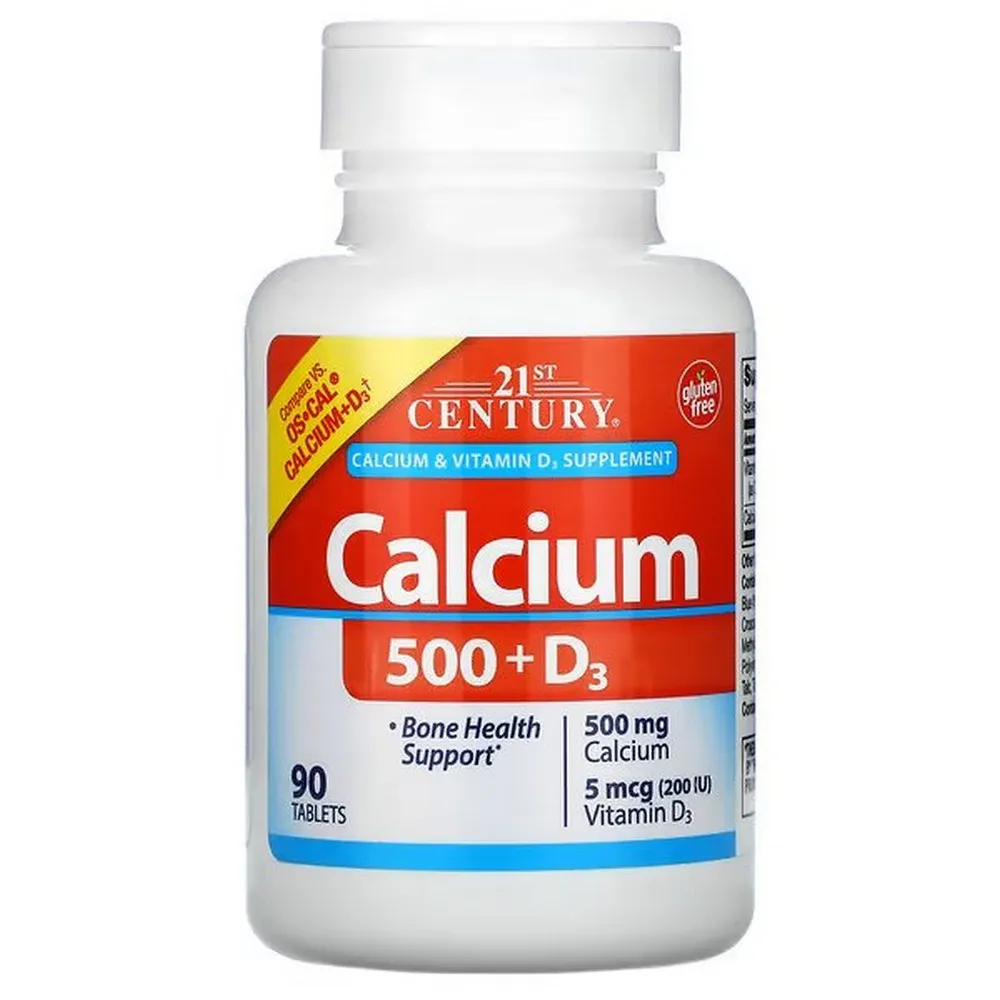

Calcium Carbonate + Cholecalciferol: Your Comprehensive Guide to Bone Health and Vitamin D Supplementation
As an expert in orthopedic health and medical SEO, we understand the critical role that proper nutrition and supplementation play in maintaining strong bones and overall well-being. Among the most widely prescribed and essential combinations for musculoskeletal health is Calcium Carbonate + Cholecalciferol (Vitamin D3). This powerful duo is a cornerstone in the prevention and management of various bone disorders, vitamin deficiencies, and conditions requiring enhanced calcium absorption.
This exhaustive guide will delve deep into every aspect of Calcium Carbonate + Cholecalciferol, providing authoritative insights into its mechanism, clinical applications, safety profile, and practical usage. Whether you are a patient seeking to understand your medication, a healthcare professional looking for a concise reference, or simply interested in optimizing your bone health, this resource is designed to be your ultimate reference.
1. Comprehensive Introduction & Overview
Calcium and Vitamin D are two indispensable nutrients that work synergistically to support bone integrity, regulate calcium homeostasis, and contribute to numerous physiological processes.
- Calcium Carbonate: This is a mineral essential for building and maintaining strong bones and teeth. It plays a vital role in nerve transmission, muscle contraction, blood clotting, and hormone secretion. Calcium carbonate is one of the most common forms of calcium used in supplements due to its high elemental calcium content.
- Cholecalciferol (Vitamin D3): Often referred to as the "sunshine vitamin," Vitamin D3 is synthesized in the skin upon exposure to ultraviolet B (UVB) sunlight. It is crucial for the absorption of calcium from the gut, its deposition into bone, and the regulation of phosphate levels. Vitamin D also modulates immune function, cell growth, and neuromuscular function.
The combination of Calcium Carbonate and Cholecalciferol is formulated to address deficiencies in both nutrients simultaneously, ensuring optimal calcium utilization within the body. This makes it an invaluable therapeutic agent for a wide array of conditions affecting bone metabolism and calcium balance.
2. Deep-dive into Technical Specifications / Mechanisms
Understanding how Calcium Carbonate and Cholecalciferol work at a cellular and systemic level is key to appreciating their therapeutic efficacy.
2.1. Mechanism of Action
2.1.1. Calcium Carbonate
When ingested, calcium carbonate reacts with stomach acid to release elemental calcium ions (Ca2+). These ions are then absorbed primarily in the duodenum and jejunum of the small intestine through both active (vitamin D-dependent) and passive (paracellular) transport mechanisms.
Once absorbed, calcium performs several critical functions:
* Bone Mineralization: It is the primary structural component of hydroxyapatite crystals, which form the rigid matrix of bones and teeth. Adequate calcium intake is essential for maintaining bone density and strength.
* Cellular Signaling: Ca2+ acts as a second messenger in numerous cellular processes, including muscle contraction (cardiac, skeletal, smooth), nerve impulse transmission, and hormone release.
* Blood Coagulation: Calcium ions are a crucial cofactor in the coagulation cascade, necessary for the activation of several clotting factors.
* Enzyme Cofactor: It serves as a cofactor for various enzymes involved in metabolic pathways.
2.1.2. Cholecalciferol (Vitamin D3)
Cholecalciferol itself is biologically inactive. It undergoes two hydroxylation steps to become its active form, calcitriol (1,25-dihydroxyvitamin D).
1. First Hydroxylation (Liver): Cholecalciferol is hydroxylated in the liver by the enzyme 25-hydroxylase to form 25-hydroxyvitamin D [25(OH)D], also known as calcidiol. This is the main circulating form of vitamin D and the best indicator of vitamin D status.
2. Second Hydroxylation (Kidney): 25(OH)D is then transported to the kidneys, where it is further hydroxylated by the enzyme 1-alpha-hydroxylase to form 1,25-dihydroxyvitamin D [1,25(OH)2D], or calcitriol. This is the hormonally active form of vitamin D.
Calcitriol's primary actions include:
* Enhancing Intestinal Calcium and Phosphate Absorption: Calcitriol stimulates the synthesis of calcium-binding proteins (e.g., calbindin-D28k) in the intestinal epithelial cells, significantly increasing the absorption of dietary calcium and phosphate.
* Regulating Bone Remodeling: It works in concert with parathyroid hormone (PTH) to maintain serum calcium levels. When calcium levels are low, calcitriol and PTH promote calcium release from bone (resorption) and reduce calcium excretion by the kidneys. It also facilitates proper mineralization of the osteoid matrix in bone.
* Other Pleiotropic Effects: Calcitriol receptors are found in many tissues, indicating its role in immune modulation, cell differentiation, cardiovascular health, and neuromuscular function.
2.2. Pharmacokinetics
The pharmacokinetic profile of the combination reflects the individual properties of calcium carbonate and cholecalciferol.
2.2.1. Calcium Carbonate
- Absorption: Calcium carbonate requires an acidic environment for optimal dissolution and absorption. It is absorbed primarily in the small intestine. Bioavailability can vary, but generally, about 25-35% of ingested elemental calcium is absorbed.
- Distribution: Absorbed calcium is widely distributed throughout the body, with approximately 99% stored in bones and teeth. The remaining 1% circulates in the blood, existing in three forms: protein-bound (primarily to albumin), complexed with anions (citrate, phosphate), and free ionized calcium (the biologically active form).
- Metabolism: Calcium itself is not metabolized in the traditional sense. It participates in various physiological processes.
- Excretion: Excess calcium is primarily excreted via the kidneys (glomerular filtration and tubular reabsorption). A smaller amount is excreted in feces (unabsorbed calcium) and sweat.
2.2.2. Cholecalciferol (Vitamin D3)
- Absorption: When ingested orally, cholecalciferol is absorbed from the small intestine, primarily in the jejunum, via passive diffusion. Its absorption is enhanced in the presence of dietary fats and bile salts.
- Distribution: After absorption, cholecalciferol is incorporated into chylomicrons and transported via the lymphatic system into the bloodstream. It binds to vitamin D-binding protein (DBP) for transport to the liver and other tissues, including adipose tissue, where it can be stored for extended periods.
- Metabolism: As described above, cholecalciferol undergoes hydroxylation in the liver to 25(OH)D and then in the kidneys to 1,25(OH)2D (calcitriol).
- Excretion: Vitamin D metabolites, particularly calcitriol, are primarily excreted in bile into the feces. A small amount is excreted in the urine. The half-life of 25(OH)D is approximately 2-3 weeks, while that of 1,25(OH)2D is a few hours.
3. Extensive Clinical Indications & Usage
The combination of Calcium Carbonate and Cholecalciferol is indicated for a broad spectrum of conditions related to calcium and vitamin D deficiencies, particularly those affecting bone health.
3.1. Primary Indications
- Osteoporosis: Prevention and treatment of osteoporosis, including postmenopausal, senile, and corticosteroid-induced osteoporosis. This combination helps maintain bone mineral density and reduce fracture risk.
- Osteopenia: Management of low bone density before it progresses to osteoporosis.
- Vitamin D Deficiency: Treatment of inadequate vitamin D levels, which can lead to impaired calcium absorption and secondary hyperparathyroidism.
- Hypocalcemia: Correction of low blood calcium levels, often seen in conditions like hypoparathyroidism, chronic renal failure (renal osteodystrophy), or malabsorption syndromes.
- Nutritional Support: As a dietary supplement for individuals with insufficient dietary intake of calcium and vitamin D, or increased requirements (e.g., growing adolescents, pregnant women, elderly).
3.2. Adjunctive Therapy
- Corticosteroid-Induced Osteoporosis: To counteract the bone-depleting effects of long-term corticosteroid therapy.
- Post-Menopausal Osteoporosis: Essential for women after menopause due to declining estrogen levels, which accelerate bone loss.
- Senile Osteoporosis: To address age-related bone loss and reduced vitamin D synthesis in the elderly.
- Fracture Healing: May support bone healing processes in conjunction with other treatments.
3.3. Dosage and Administration Guidelines
Dosage of Calcium Carbonate + Cholecalciferol varies significantly based on the patient's age, underlying condition, severity of deficiency, and specific product formulation. It is crucial to follow a healthcare provider's recommendations.
3.3.1. General Principles
- Elemental Calcium: Doses are typically expressed in terms of elemental calcium. Calcium carbonate contains approximately 40% elemental calcium (e.g., 1250 mg calcium carbonate provides 500 mg elemental calcium).
- Vitamin D Units: Cholecalciferol is measured in International Units (IU).
- Administration: Calcium carbonate is best taken with meals to enhance absorption and minimize gastrointestinal upset. It requires stomach acid for dissolution. Chewable tablets should be chewed thoroughly.
- Divided Doses: For optimal absorption and to avoid exceeding the body's capacity to absorb calcium at one time, daily doses of calcium are often divided (e.g., 500-600 mg elemental calcium per dose).
3.3.2. Typical Adult Dosing (Examples, consult prescribing info for specifics)
- Osteoporosis Prevention/Treatment: Often 1000-1200 mg elemental calcium daily, combined with 400-1000 IU (or more, up to 2000 IU) of Cholecalciferol daily.
- Vitamin D Deficiency (Initial Correction): Higher doses of Vitamin D may be prescribed initially (e.g., weekly or daily high-dose regimens) followed by maintenance doses, always under medical supervision.
- Hypocalcemia: Doses tailored to serum calcium levels and underlying cause.
3.3.3. Special Populations
- Geriatric Patients: Often require higher vitamin D supplementation due to reduced skin synthesis and impaired renal 1-alpha-hydroxylase activity. Increased risk of falls and fractures makes adequate supplementation critical.
- Pediatric Patients: Dosage depends on age and specific needs, typically lower than adult doses. Essential for growing bones.
- Renal Impairment: Patients with severe renal impairment may have altered vitamin D metabolism and calcium excretion. Careful monitoring of serum calcium, phosphate, and parathyroid hormone levels is essential. Calcitriol (active vitamin D) may be preferred in some cases over cholecalciferol, or specific formulations designed for renal patients.
- Hepatic Impairment: May affect the first hydroxylation step of vitamin D. Monitoring is advised.
4. Risks, Side Effects, and Contraindications
While generally safe and well-tolerated, Calcium Carbonate + Cholecalciferol is not without risks. Awareness of contraindications, warnings, and potential side effects is crucial.
4.1. Contraindications
- Hypercalcemia: Pre-existing abnormally high levels of calcium in the blood, regardless of cause.
- Hypercalciuria: Abnormally high levels of calcium in the urine.
- Nephrolithiasis (Kidney Stones): History of calcium-containing kidney stones, as supplementation may exacerbate the condition.
- Hypersensitivity: Allergy to calcium carbonate, cholecalciferol, or any excipients in the formulation.
- Severe Renal Impairment: Particularly when accompanied by hyperphosphatemia, without appropriate management.
- Hypervitaminosis D: Excessive levels of vitamin D in the body.
4.2. Warnings and Precautions
- Monitoring: Regular monitoring of serum calcium, phosphate, and 25(OH)D levels is recommended, especially in patients on long-term therapy, those with renal impairment, or those at risk of hypercalcemia. Urine calcium excretion may also be monitored.
- Renal Function: Use with caution in patients with impaired renal function. Adjustments may be necessary.
- Sarcoidosis: Patients with sarcoidosis or other granulomatous diseases may have increased sensitivity to vitamin D due to extrarenal production of 1,25(OH)2D, leading to hypercalcemia.
- Cardiac Disease: Use with caution in patients with cardiac conditions, especially those taking cardiac glycosides, as hypercalcemia can precipitate arrhythmias.
- Immobilization: Prolonged immobilization can increase the risk of hypercalcemia and hypercalciuria.
4.3. Adverse Reactions (Side Effects)
Most side effects are mild and transient.
Common Side Effects:
- Gastrointestinal: Constipation (most common with calcium carbonate), flatulence, bloating, mild stomach upset, nausea. Taking with food and adequate fluid intake can help.
- Renal: Increased urine volume (due to increased calcium excretion).
Less Common / Serious Side Effects:
- Hypercalcemia: Symptoms include nausea, vomiting, constipation, thirst, polyuria (frequent urination), fatigue, muscle weakness, confusion, and in severe cases, cardiac arrhythmias and coma.
- Hypercalciuria: Can contribute to kidney stone formation.
- Milk-Alkali Syndrome: Rare, but serious condition caused by excessive intake of calcium and absorbable alkali (e.g., antacids), leading to hypercalcemia, metabolic alkalosis, and renal impairment.
4.4. Drug Interactions
Numerous medications can interact with Calcium Carbonate + Cholecalciferol, affecting absorption, efficacy, or increasing the risk of adverse effects.
| Drug Class / Specific Drug | Interaction Mechanism | Description