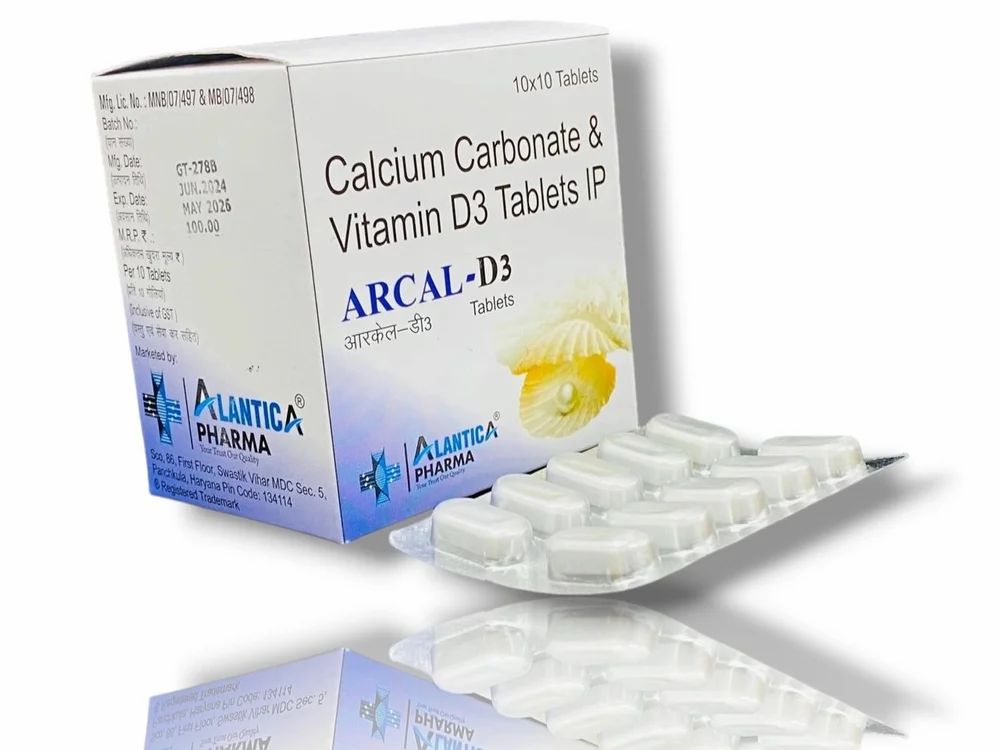
Calcium Carbonate: An In-Depth Medical SEO Guide
1. Comprehensive Introduction & Overview
Calcium carbonate stands as one of the most widely utilized and essential mineral supplements and antacids available today. As an orthopedic specialist and medical SEO copywriter, I recognize its critical role in maintaining robust skeletal health, supporting vital physiological functions, and providing symptomatic relief for common gastrointestinal discomforts.
Calcium, an alkaline earth metal, is the most abundant mineral in the human body, with approximately 99% stored in bones and teeth. The remaining 1% circulates in the blood, playing indispensable roles in nerve transmission, muscle contraction, blood coagulation, hormone secretion, and intracellular signaling. Calcium carbonate is a chemical compound with the formula CaCO₃, naturally found in rocks like limestone and marble, and is the primary component of shells of marine organisms, snails, and eggshells.
In the medical context, calcium carbonate is valued for two primary therapeutic actions:
* Calcium Supplementation: It is an excellent source of elemental calcium, crucial for preventing and treating conditions like osteoporosis, hypocalcemia, and certain bone disorders.
* Antacid: It rapidly neutralizes stomach acid, offering quick relief from heartburn, indigestion, and sour stomach.
* Phosphate Binder: In patients with chronic kidney disease (CKD), it helps manage hyperphosphatemia by binding dietary phosphate.
This comprehensive guide will delve into the intricate details of calcium carbonate, providing an authoritative resource for patients, caregivers, and healthcare professionals seeking to understand its full spectrum of applications, mechanisms, and safety considerations.
2. Deep-dive into Technical Specifications / Mechanisms
Understanding how calcium carbonate works within the body is key to appreciating its therapeutic value and managing its potential risks.
Mechanism of Action
Calcium carbonate exerts its effects through distinct pathways depending on its intended use:
A. As a Calcium Supplement
When ingested, calcium carbonate requires an acidic environment (like that found in the stomach) to dissolve and release elemental calcium.
* Dissolution: CaCO₃ + 2HCl (stomach acid) → CaCl₂ + H₂O + CO₂ (calcium chloride, water, carbon dioxide).
* Absorption: The released calcium chloride (CaCl₂) is then absorbed primarily in the small intestine. This absorption occurs via two main mechanisms:
1. Active Transport: A saturable, vitamin D-dependent process, primarily occurring in the duodenum and proximal jejunum, especially when calcium intake is low to moderate. Calcitriol (the active form of vitamin D) stimulates the production of calcium-binding proteins (e.g., calbindin) that facilitate calcium uptake.
2. Passive Paracellular Diffusion: A non-saturable process that occurs along the entire small intestine, especially with higher calcium intake, driven by the concentration gradient.
* Physiological Role: Once absorbed, calcium is transported to various tissues. Approximately 99% is incorporated into the bone matrix, providing structural integrity. The remaining circulating calcium is vital for:
* Nerve Impulse Transmission: Facilitates neurotransmitter release.
* Muscle Contraction: Triggers the contraction of skeletal, cardiac, and smooth muscles.
* Blood Coagulation: Essential cofactor for several clotting factors.
* Hormone Secretion: Involved in the release of various hormones.
* Regulation: Blood calcium levels are tightly regulated by parathyroid hormone (PTH) and calcitriol. PTH increases blood calcium by stimulating bone resorption, enhancing renal calcium reabsorption, and stimulating calcitriol synthesis. Calcitriol further enhances intestinal calcium absorption.
B. As an Antacid
Calcium carbonate acts as a fast-acting antacid by directly neutralizing hydrochloric acid in the stomach.
* Neutralization Reaction: CaCO₃ + 2HCl → CaCl₂ + H₂O + CO₂.
* Effect: This reaction rapidly increases gastric pH, reducing the acidity of stomach contents. The generation of carbon dioxide can lead to belching. The resulting calcium chloride is then partially absorbed, which is why chronic high-dose antacid use can contribute to hypercalcemia.
C. As a Phosphate Binder
In individuals with chronic kidney disease and hyperphosphatemia (elevated phosphate levels in the blood), calcium carbonate can be used to lower serum phosphate.
* Binding Mechanism: When taken with meals, calcium carbonate binds to dietary phosphate in the gastrointestinal tract. This forms insoluble calcium phosphate complexes.
* Reduced Absorption: These insoluble complexes cannot be absorbed and are subsequently excreted in the feces, thereby preventing the absorption of dietary phosphate into the bloodstream.
Pharmacokinetics
Pharmacokinetics describes how the body handles the drug—absorption, distribution, metabolism, and excretion.
- Absorption:
- Requires gastric acid for dissolution and conversion to soluble calcium chloride.
- Bioavailability is variable, typically around 20-30% of the elemental calcium.
- Absorption is enhanced when taken with food and in the presence of Vitamin D.
- Dividing total daily doses into smaller, multiple doses improves overall absorption, as the active transport mechanism can become saturated.
- Distribution:
- After absorption, calcium is rapidly distributed throughout the body.
- Approximately 99% is stored in bones and teeth.
- The remaining 1% is found in the extracellular fluid and soft tissues. In the blood, calcium exists in three forms:
- Ionized (free) calcium (approx. 50%): Biologically active form.
- Protein-bound calcium (approx. 40%): Primarily bound to albumin.
- Complexed calcium (approx. 10%): Bound to anions like citrate, phosphate, bicarbonate.
- Metabolism: Calcium itself is an elemental mineral and is not metabolized in the traditional sense by hepatic enzymes.
- Excretion:
- Unabsorbed calcium carbonate and the insoluble calcium-phosphate complexes are excreted in the feces.
- Absorbed calcium is primarily excreted via the kidneys (glomerular filtration and tubular reabsorption), with a small amount excreted in sweat and bile. Renal excretion is influenced by PTH, calcitriol, and dietary calcium intake.
3. Extensive Clinical Indications & Usage
Calcium carbonate is a versatile agent with a broad range of clinical applications.
A. Calcium Supplementation
1. Osteoporosis Prevention and Treatment
- Primary Indication: Calcium carbonate is a cornerstone in the prevention and treatment of osteoporosis, a condition characterized by low bone mass and structural deterioration of bone tissue, leading to increased fracture risk.
- Mechanism: Adequate calcium intake helps maintain bone mineral density (BMD), particularly crucial in:
- Postmenopausal Women: Estrogen deficiency accelerates bone loss.
- Elderly Individuals: Age-related decline in calcium absorption and bone formation.
- Individuals on Glucocorticoid Therapy: Steroids can induce bone loss.
- Those with Insufficient Dietary Intake: Many adults do not meet recommended daily calcium allowances.
- Usage: Often combined with Vitamin D, which is essential for calcium absorption and bone mineralization.
2. Hypocalcemia
- Conditions: Used to correct low blood calcium levels resulting from:
- Hypoparathyroidism: Insufficient parathyroid hormone production.
- Vitamin D Deficiency: Impaired calcium absorption.
- Chronic Renal Insufficiency: Impaired vitamin D activation and phosphate retention.
- Goal: Restore normal serum calcium levels to prevent neuromuscular irritability (tetany, seizures) and long-term skeletal complications.
3. Rickets and Osteomalacia
- Treatment: In conjunction with vitamin D supplementation, calcium carbonate is used to treat these bone softening disorders caused by prolonged vitamin D deficiency or inadequate calcium absorption/intake.
4. Pregnancy and Lactation
- Increased Requirements: Calcium needs significantly increase during pregnancy (for fetal skeletal development) and lactation (for breast milk production).
- Benefits: Supplementation helps meet these demands, supporting maternal bone health and ensuring adequate calcium supply to the infant. It may also help reduce the risk of pre-eclampsia.
5. Dietary Deficiency
- Specific Populations: Individuals with dietary restrictions (e.g., vegans, those with lactose intolerance) or inadequate intake of calcium-rich foods may require supplementation.
B. Antacid
1. Heartburn and Indigestion
- Symptomatic Relief: Calcium carbonate is a rapid-acting and effective antacid for relieving mild to moderate symptoms of dyspepsia, acid indigestion, sour stomach, and heartburn.
- Mechanism: Its direct acid-neutralizing action provides quick relief, typically within minutes.
2. Peptic Ulcer Disease (Adjunct)
- Historical Use: Historically used as an adjunct in the management of peptic ulcers, though less common now with the advent of more potent acid-suppressing medications like proton pump inhibitors (PPIs) and H2-receptor antagonists. It can still provide temporary relief of ulcer pain.
C. Phosphate Binder
1. Hyperphosphatemia in Chronic Kidney Disease (CKD)
- Indication: Patients with advanced CKD often develop hyperphosphatemia due to impaired renal phosphate excretion. Elevated phosphate levels contribute to secondary hyperparathyroidism, renal osteodystrophy, and increased cardiovascular risk.
- Therapy: Calcium carbonate is one of the primary phosphate binders used to lower serum phosphate levels by preventing its absorption from the diet.
- Goal: To achieve target phosphate levels and mitigate the complications associated with hyperphosphatemia.
Dosage Guidelines
Dosage of calcium carbonate depends heavily on the indication, patient age, and individual needs. It's crucial to consider the elemental calcium content, as calcium carbonate is approximately 40% elemental calcium by weight. For instance, a 1250 mg tablet of calcium carbonate contains 500 mg of elemental calcium.
General Considerations:
- Elemental Calcium: Always refer to the elemental calcium content when determining dosage.
- Food Intake: For optimal absorption as a supplement, calcium carbonate should generally be taken with food, as gastric acid is required for dissolution.
- Divided Doses: The body can only absorb a limited amount of elemental calcium at one time (typically 500-600 mg). Therefore, daily doses exceeding this amount should be divided and taken throughout the day.
Recommended Dosages:
| Indication | Typical Adult Dosage (Elemental Calcium) | Calcium Carbonate Equivalent | Notes |
|---|---|---|---|
| Calcium Deficiency (RDA for adults) | 1000-1200 mg/day | 2500-3000 mg/day | Split into 2-3 doses. Take with food. |
| Antacid (Heartburn/Indigestion) | As needed for symptoms | 500-1500 mg as needed | Max 7500 mg/day (Elemental Calcium: 3000 mg). Do not use for >2 weeks without medical advice. |
| Phosphate Binder (CKD) | Individualized, typically 1000-1500 mg/day elemental calcium | 2500-3750 mg/day | Administer with meals. Titrate to achieve target serum phosphate levels. Close monitoring of serum calcium and phosphate is essential. |
- Pediatric Dosage: Dosing for children should always be determined by a pediatrician, based on age, weight, and specific indication.