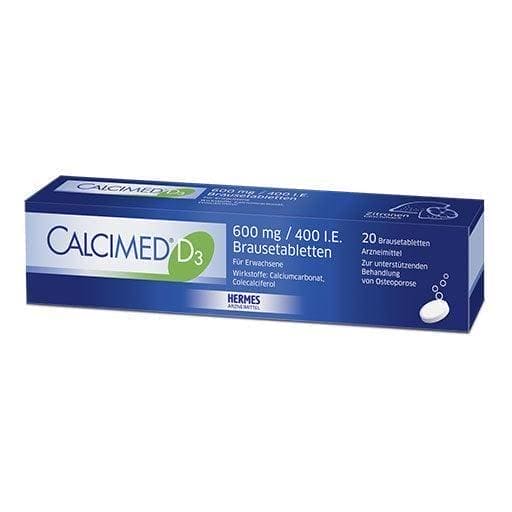
Calcimed D3 Effervescent Tablets: Your Comprehensive Guide to Bone Health
As an expert in orthopedic health and medical SEO copywriting, we understand the critical role that proper nutrition plays in maintaining skeletal integrity and overall well-being. Calcimed D3 Effervescent Tablets represent a vital pharmaceutical solution designed to address calcium and vitamin D deficiencies, cornerstone elements for robust bone health. This exhaustive guide delves deep into every aspect of Calcimed D3, providing authoritative information for patients, caregivers, and healthcare professionals alike.
1. Comprehensive Introduction & Overview
Calcimed D3 Effervescent Tablets combine two indispensable micronutrients: calcium and vitamin D3 (cholecalciferol). Calcium is the primary mineral component of bone, essential for its structure and strength, while vitamin D3 is crucial for calcium absorption and metabolism. This synergistic formulation is presented in an effervescent tablet form, which offers several advantages, including improved palatability, enhanced dissolution, and potentially better bioavailability compared to traditional tablet forms.
The importance of adequate calcium and vitamin D intake cannot be overstated, particularly for populations at risk of deficiency, such as the elderly, postmenopausal women, individuals with certain medical conditions, and those with limited sun exposure. Calcimed D3 is precisely formulated to help prevent and treat conditions associated with these deficiencies, playing a pivotal role in the management and prevention of osteoporosis, osteomalacia, and other bone-related disorders. Our aim is to empower you with detailed knowledge about how Calcimed D3 works, when it's indicated, and how to use it safely and effectively.
2. Deep-Dive into Technical Specifications & Mechanisms
Understanding the intricate workings of Calcimed D3 involves exploring the individual roles of its active ingredients and their combined pharmacological actions.
Active Ingredients
- Calcium Carbonate: This is a highly concentrated form of elemental calcium. When dissolved, it provides calcium ions ready for absorption. Calcium is the most abundant mineral in the human body, with 99% stored in the bones and teeth.
- Cholecalciferol (Vitamin D3): This is the naturally occurring form of vitamin D, synthesized in the skin upon exposure to ultraviolet B (UVB) sunlight. It is a prohormone that requires metabolic activation to exert its physiological effects.
Mechanism of Action
The therapeutic efficacy of Calcimed D3 stems from the complementary actions of calcium and vitamin D3:
- Calcium's Role:
- Bone Mineralization: Calcium provides the structural matrix for bones, contributing to their density and strength. It is continuously exchanged between bone and the extracellular fluid, a process vital for bone remodeling.
- Neuromuscular Function: Calcium ions are critical for nerve impulse transmission, muscle contraction (including cardiac muscle), and hormone secretion.
- Blood Coagulation: Calcium is a vital cofactor in several steps of the coagulation cascade.
- Cellular Signaling: Involved in numerous intracellular signaling pathways.
- Vitamin D3's Role:
- Calcium Absorption: Vitamin D3, once converted to its active form (1,25-dihydroxyvitamin D or calcitriol), primarily enhances the absorption of dietary calcium and phosphate from the gastrointestinal tract. It does this by stimulating the synthesis of calcium-binding proteins (calbindin) in the intestinal cells.
- Bone Remodeling: Calcitriol directly influences osteoblasts (bone-forming cells) and osteoclasts (bone-resorbing cells), promoting healthy bone turnover and mineralization.
- Parathyroid Hormone (PTH) Regulation: It helps regulate serum calcium and phosphate levels by interacting with the parathyroid glands, suppressing PTH secretion when calcium levels are adequate, thereby preventing excessive bone resorption.
- Renal Calcium Reabsorption: Calcitriol also promotes calcium reabsorption in the kidneys, further contributing to serum calcium homeostasis.
Pharmacokinetics
The journey of calcium and vitamin D3 through the body involves distinct absorption, distribution, metabolism, and excretion pathways.
- Absorption:
- Calcium: Absorbed primarily in the duodenum and jejunum via both active, saturable transport (vitamin D dependent) and passive, paracellular diffusion. The effervescent formulation aids in rapid dissolution and creates a readily available source of ionized calcium, potentially enhancing absorption.
- Vitamin D3: Cholecalciferol is a fat-soluble vitamin. It is absorbed from the small intestine, primarily in the jejunum, incorporated into chylomicrons, and transported via the lymphatic system to the systemic circulation.
- Distribution:
- Calcium: Circulates in the blood in three forms: ionized (free, biologically active), protein-bound (primarily to albumin), and complexed with anions (citrate, phosphate). Stored predominantly in bone.
- Vitamin D3: Distributed widely, stored in adipose tissue and muscle. Circulates in the blood bound to vitamin D-binding protein (DBP).
- Metabolism:
- Vitamin D3: Undergoes two hydroxylation steps to become active:
- In the liver, cholecalciferol is hydroxylated to 25-hydroxyvitamin D [25(OH)D] by 25-hydroxylase (calcidiol). This is the main circulating form and the best indicator of vitamin D status.
- In the kidneys, 25(OH)D is further hydroxylated to 1,25-dihydroxyvitamin D [1,25(OH)2D] by 1-alpha-hydroxylase (calcitriol), which is the most active form of vitamin D.
- Vitamin D3: Undergoes two hydroxylation steps to become active:
- Excretion:
- Calcium: Excreted primarily via the kidneys (urine) and feces.
- Vitamin D3: Metabolites are primarily excreted in the bile and feces.
3. Extensive Clinical Indications & Usage
Calcimed D3 Effervescent Tablets are indicated for a range of conditions where calcium and vitamin D supplementation is necessary.
Primary Indications
- Calcium and Vitamin D Deficiency States: For individuals diagnosed with inadequate levels of both nutrients.
- Osteoporosis: As an adjunct to specific anti-osteoporotic therapy (e.g., bisphosphonates) or for the prevention of osteoporosis, especially in:
- Postmenopausal women.
- Elderly individuals.
- Patients on long-term corticosteroid therapy.
- Osteomalacia and Rickets: In conjunction with other treatments for these bone softening conditions, particularly when caused by nutritional deficiencies.
- Increased Nutritional Needs: During periods of high demand, such as:
- Pregnancy and lactation (under strict medical supervision).
- Periods of rapid growth in adolescents.
- In elderly individuals with reduced dietary intake or sunlight exposure.
- Malabsorption Syndromes: In conditions like celiac disease or Crohn's disease, where nutrient absorption is impaired.
Dosage Guidelines
The recommended dosage of Calcimed D3 Effervescent Tablets can vary based on individual needs, age, and the severity of deficiency. It is crucial to follow the advice of a healthcare professional.
- General Adult Dosage: Typically, one effervescent tablet daily, or as directed by a physician. Each tablet usually contains a standard amount of elemental calcium (e.g., 500-1000 mg) and vitamin D3 (e.g., 400-800 IU).
- Administration:
- Dissolve the tablet completely in a glass of water (approximately 200 ml).
- Wait until the effervescence stops and the solution is clear.
- Drink immediately.
- It can be taken with or without food, but taking it with a meal might enhance calcium absorption and reduce the risk of gastrointestinal discomfort.
- Duration of Therapy: Long-term use is often required for chronic conditions like osteoporosis or persistent deficiencies. Regular monitoring of serum calcium and vitamin D levels is recommended.
Important Considerations for Usage
- Individualized Dosing: A physician will determine the precise dose based on blood tests (serum calcium, 25(OH)D levels) and the patient's overall health status.
- Adherence: Consistent daily intake is key to achieving and maintaining therapeutic benefits.
- Dietary Intake: Calcimed D3 should complement, not replace, a balanced diet rich in calcium and vitamin D sources.
- Sunlight Exposure: While Calcimed D3 provides vitamin D, moderate sun exposure (when safe and appropriate) can also contribute to vitamin D synthesis.
4. Risks, Side Effects, and Contraindications
While Calcimed D3 is generally well-tolerated, it is essential to be aware of potential risks, side effects, and situations where its use is contraindicated.
Contraindications
Calcimed D3 should NOT be used in patients with:
* Hypersensitivity: Known allergy to calcium carbonate, cholecalciferol, or any excipients in the tablet.
* Hypercalcemia: Abnormally high levels of calcium in the blood, regardless of cause.
* Hypercalciuria: Abnormally high levels of calcium in the urine.
* Severe Renal Impairment/Failure: Impaired kidney function can lead to accumulation of calcium and vitamin D.
* Nephrolithiasis: Current or history of kidney stones, as calcium supplementation can exacerbate this condition.
* Hypervitaminosis D: Excessively high levels of vitamin D in the body.
* Primary Hyperparathyroidism: A condition causing excessive parathyroid hormone production, leading to hypercalcemia.
* Sarcoidosis: Patients with sarcoidosis may have increased sensitivity to vitamin D, leading to hypercalcemia.
Warnings and Precautions
- Monitoring: Regular monitoring of serum calcium, phosphate, and creatinine levels is crucial, especially during long-term therapy or in patients with renal impairment. Urinary calcium excretion should also be monitored.
- Renal Impairment: Use with caution. The risk of hypercalcemia and hyperphosphatemia is increased. Dose adjustments may be necessary.
- Kidney Stones: Patients with a history of kidney stones should be carefully evaluated, and their calcium excretion monitored.
- Cardiac Patients: Hypercalcemia can affect cardiac function and potentiate the effects of cardiac glycosides.
- Concomitant Medications: Be aware of potential drug interactions (detailed below).
- Immobilization: Prolonged immobilization can increase the risk of hypercalcemia in susceptible individuals.
Potential Side Effects
Most side effects are mild and transient.
* Gastrointestinal:
* Constipation (most common with calcium supplements)
* Flatulence
* Nausea
* Abdominal pain
* Diarrhea
* Metabolic:
* Hypercalcemia (especially with high doses or prolonged use, symptoms include thirst, polyuria, anorexia, fatigue, muscle weakness, confusion, cardiac arrhythmias)
* Hypercalciuria
* Renal:
* Nephrolithiasis (rare, mainly in predisposed individuals or with excessive intake)
* Allergic Reactions:
* Rash, itching, urticaria (rare, usually due to excipients).
Drug Interactions
Calcium and vitamin D can interact with various medications, affecting either their absorption or efficacy, or increasing the risk of adverse effects.
* Thiazide Diuretics (e.g., hydrochlorothiazide): Reduce calcium excretion, increasing the risk of hypercalcemia.
* Cardiac Glycosides (e.g., digoxin): Hypercalcemia can potentiate the toxic effects of digitalis, leading to cardiac arrhythmias. Close monitoring is required.
* Tetracycline Antibiotics (e.g., doxycycline) & Quinolone Antibiotics (e.g., ciprofloxacin): Calcium can chelate with these antibiotics, significantly reducing their absorption. Administer Calcimed D3 at least 2-4 hours before or 4-6 hours after these antibiotics.
* Bisphosphonates (e.g., alendronate): Calcium can interfere with the absorption of bisphosphonates. Administer Calcimed D3 at least 30 minutes (or longer, depending on the specific bisphosphonate) after bisphosphonates.
* Thyroid Hormones (e.g., levothyroxine): Calcium can reduce the absorption of levothyroxine. Separate administration by at least 4 hours.
* Iron Supplements: Calcium can inhibit iron absorption. Separate administration by at least 2 hours.
* Corticosteroids (e.g., prednisone): Reduce calcium absorption and increase calcium excretion, potentially requiring higher doses of Calcimed D3.
* Oxalic Acid (in spinach, rhubarb) & Phytic Acid (in whole grains, legumes): Can form insoluble complexes with calcium, reducing its absorption. Avoid taking Calcimed D3 within 2 hours of consuming large amounts of these foods.
* Mineral Oil, Cholestyramine, Orlistat: Can impair the absorption of fat-soluble vitamins, including vitamin D.
* Phenytoin, Barbiturates: Can increase the metabolism of vitamin D, reducing its effectiveness.
Pregnancy and Lactation Warnings
- Pregnancy: Calcium and vitamin D are essential during pregnancy for fetal skeletal development. However, excessive intake leading to hypercalcemia in the mother can be harmful to the fetus, potentially causing congenital abnormalities. Calcimed D3 should only be used under strict medical supervision, and the dose should not exceed the recommended daily allowance for pregnant women.
- Lactation: Both calcium and vitamin D are excreted into breast milk. While generally considered safe at recommended doses, careful monitoring of the infant for signs of hypercalcemia is advisable. Consult a physician before use during breastfeeding.
Overdose Management
An overdose of Calcimed D3 can lead to hypercalcemia and hypervitaminosis D, which can be serious.
- Symptoms of Overdose (Hypercalcemia):
- Early symptoms: Thirst, polyuria (frequent urination), anorexia (loss of appetite), nausea, vomiting, constipation, abdominal pain, muscle weakness, fatigue, headache, confusion.
- Severe symptoms: Dehydration, renal insufficiency, cardiac arrhythmias, hypertension, stupor, coma, nephrocalcinosis (calcium deposits in kidneys).
- Treatment of Overdose:
- Discontinuation: Immediately stop Calcimed D3 and any other calcium or vitamin D supplements.
- Hydration: Aggressive rehydration with intravenous saline is the first line of treatment to promote calcium excretion and correct dehydration.
- Diuretics: Loop diuretics (e.g., furosemide) may be used to increase renal calcium excretion, but thiazide diuretics should be avoided.
- Other Medications: In severe cases, corticosteroids, calcitonin, or bisphosphonates may be administered to lower serum calcium levels.
- Dialysis: In life-threatening hypercalcemia unresponsive to other treatments, hemodialysis may be necessary.
- Monitoring: Close monitoring of fluid and electrolyte balance, renal function, and cardiac activity is essential.
5. Frequently Asked Questions (FAQ)
Q1: What are Calcimed D3 Effervescent Tablets primarily used for?
A1: Calcimed D3 Effervescent Tablets are primarily used to treat and prevent calcium and vitamin D deficiencies. They are often prescribed as an adjunct therapy for osteoporosis, osteomalacia, and rickets, and for individuals with increased nutritional needs like the elderly or those on certain medications that affect bone health.
Q2: How often should I take Calcimed D3?
A2: The typical adult dosage is one effervescent tablet daily, dissolved in a glass of water. However, your doctor will determine the precise frequency and dosage based on your individual calcium and vitamin D levels, and specific medical condition. Always follow your healthcare provider's instructions.
Q3: Can I take Calcimed D3 with other medications?
A3: Calcimed D3 can interact with several medications, including certain antibiotics (tetracyclines, quinolones), thyroid hormones, bisphosphonates, and diuretics. It's crucial to inform your doctor or pharmacist about all medications and supplements you are taking to avoid potential interactions. Often, separating the administration times by several hours is recommended.
Q4: What are the benefits of the effervescent form of Calcimed D3?
A4: The effervescent form offers several advantages:
* Improved Absorption: Rapid dissolution ensures the calcium is readily available for absorption.
* Easier Swallowing: Ideal for individuals who have difficulty swallowing traditional tablets.
* Better Palatability: Often flavored, making it more pleasant to take.
* Hydration: Taken with water, contributing to daily fluid intake.
Q5: Are there any dietary restrictions while taking Calcimed D3?
A5: While generally not strict restrictions, it's advisable to avoid consuming large amounts of foods rich in oxalic acid (like spinach, rhubarb) or phytic acid (like whole grains, legumes) within two hours of taking Calcimed D3, as these can reduce calcium absorption. Also, ensure your diet is balanced to complement the supplement.
Q6: What should I do if I miss a dose of Calcimed D3?
A6: If you miss a dose, take it as soon as you remember. However, if it's almost time for your next scheduled dose, skip the missed dose and resume your regular dosing schedule. Do not take a double dose to make up for a missed one. Consistent daily intake is more important than making up for a single missed dose.
Q7: Can children take Calcimed D3?
A7: Calcimed D3 may be prescribed for children with calcium and vitamin D deficiencies, particularly in cases of rickets. However, the dosage must be carefully adjusted according to age, weight, and the severity of the deficiency by a pediatrician. Self-medication in children is not recommended.
Q8: How long does it take to see the effects of Calcimed D3?
A8: The effects of Calcimed D3, particularly in improving bone density or correcting deficiencies, are gradual. While biochemical changes (e.g., serum vitamin D levels) may be observable within weeks, significant improvements in bone mineral density typically require several months to a year or more of consistent therapy. Regular follow-up with your doctor is essential to monitor progress.
Q9: Is Calcimed D3 suitable for vegetarians/vegans?
A9: The calcium carbonate component of Calcimed D3 is typically mineral-derived and suitable for vegetarians and vegans. However, vitamin D3 (cholecalciferol) is often sourced from lanolin (sheep's wool), making it unsuitable for strict vegans. It's important to check the specific product's excipients and sourcing information or consult with your pharmacist if you have dietary restrictions.
Q10: What are the signs of too much calcium or Vitamin D (overdose)?
A10: Signs of hypercalcemia (too much calcium) or hypervitaminosis D (too much vitamin D) can include increased thirst, frequent urination, loss of appetite, nausea, vomiting, constipation, muscle weakness, fatigue, headache, and confusion. In severe cases, it can lead to kidney problems and cardiac arrhythmias. If you experience any of these symptoms, discontinue the supplement and seek immediate medical attention.
Q11: Can Calcimed D3 cause kidney stones?
A11: While calcium supplementation can theoretically increase the risk of kidney stones in susceptible individuals, it's generally not a significant concern with recommended doses in most people. However, if you have a history of kidney stones or a predisposition, your doctor will monitor your urinary calcium levels and advise on appropriate intake. High fluid intake is always recommended to reduce stone risk.
Q12: How should Calcimed D3 be stored?
A12: Calcimed D3 Effervescent Tablets should be stored in their original packaging, tightly closed, at room temperature (below 25°C or 77°F), away from moisture and direct sunlight. Keep them out of reach of children. Do not use the tablets after the expiration date printed on the package.