

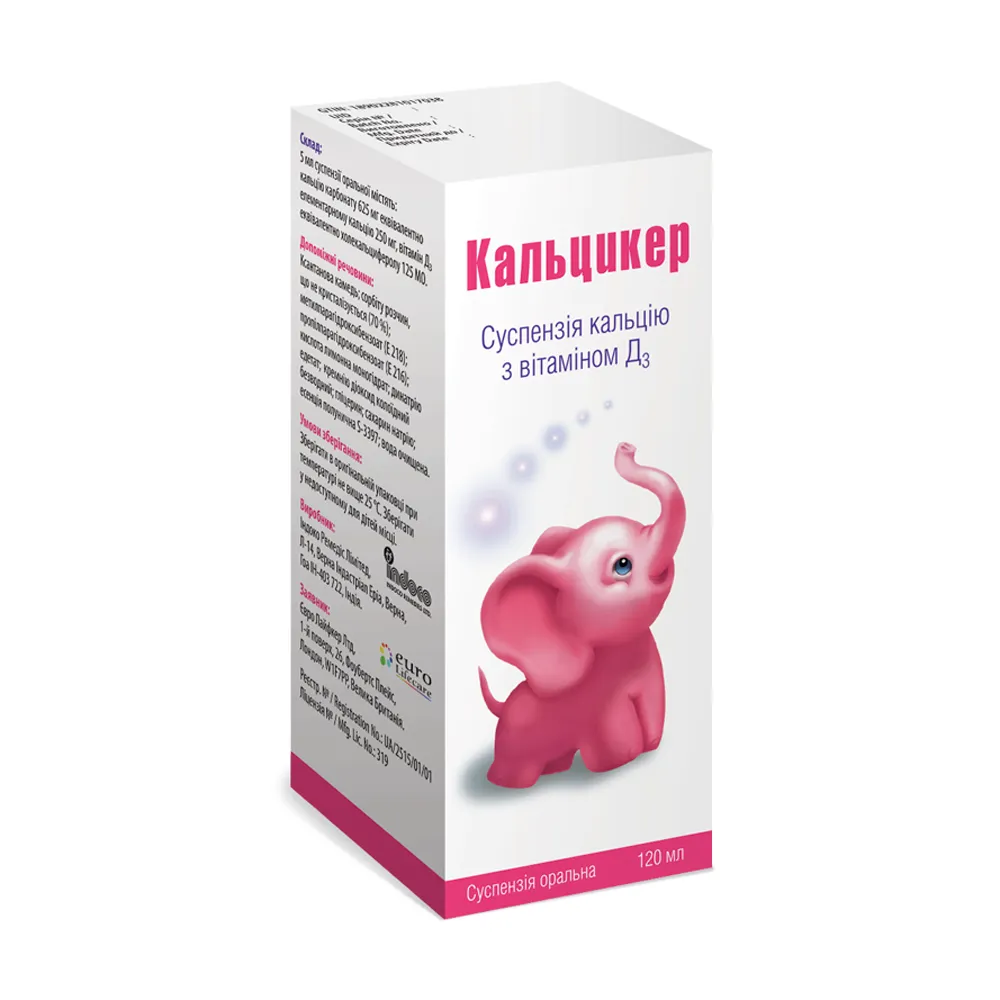

Calcicare: A Comprehensive Medical Guide for Optimal Bone Health
1. Introduction & Overview of Calcicare
Welcome to the definitive guide on Calcicare, a leading medication specifically formulated to support and enhance bone health across various life stages. As an expert medical SEO copywriter specializing in orthopedics, we understand the critical importance of robust skeletal integrity for overall well-being and active living. Calcicare is designed to address prevalent issues such as calcium deficiency, compromised bone density, and the prevention and management of bone-related disorders.
Our bones are living tissues, constantly undergoing remodeling – a process of breakdown and buildup – to maintain strength and adapt to daily stresses. This intricate balance relies heavily on a sufficient supply of essential nutrients, primarily calcium and Vitamin D. Calcicare serves as a cornerstone in ensuring these nutritional requirements are met, thereby fostering strong bones, preventing fractures, and supporting the body's numerous calcium-dependent physiological functions.
This exhaustive guide will delve into every facet of Calcicare, from its precise mechanism of action at a cellular level to detailed dosage instructions, potential interactions, and critical safety information. Our aim is to provide healthcare professionals, patients, and caregivers with authoritative, evidence-based insights to make informed decisions regarding bone health management.
2. Deep-Dive into Technical Specifications & Mechanisms
Calcicare is typically formulated as a synergistic blend of calcium (often as calcium carbonate or calcium citrate) and Vitamin D3 (cholecalciferol), with potential inclusion of other bone-supporting minerals like magnesium and zinc, depending on the specific product variant. This combination is crucial because while calcium is the primary building block of bone, Vitamin D is indispensable for its proper absorption and utilization.
Mechanism of Action
The therapeutic efficacy of Calcicare stems from its multi-pronged approach to bone metabolism:
- Calcium Supplementation: Calcium is the most abundant mineral in the human body, with approximately 99% stored in the bones and teeth, providing structural rigidity. The remaining 1% circulates in the blood and soft tissues, playing vital roles in:
- Nerve impulse transmission.
- Muscle contraction (including cardiac muscle).
- Hormone secretion.
- Blood clotting.
- Cell signaling.
When dietary calcium intake is insufficient, the body draws calcium from the bones to maintain critical blood levels, leading to bone demineralization over time. Calcicare replenishes these stores, ensuring adequate calcium for both skeletal integrity and systemic functions.
- Vitamin D3's Role: Cholecalciferol (Vitamin D3) is a fat-soluble vitamin that is metabolized in the liver to 25-hydroxyvitamin D [25(OH)D] and then in the kidneys to its active form, 1,25-dihydroxyvitamin D [1,25(OH)2D], also known as calcitriol. Calcitriol's primary functions related to bone health include:
- Enhancing Intestinal Calcium Absorption: Calcitriol stimulates the synthesis of calcium-binding proteins (e.g., calbindin) in the intestinal epithelial cells, significantly increasing the absorption of dietary calcium and phosphorus.
- Regulating Bone Remodeling: It works in concert with parathyroid hormone (PTH) to maintain serum calcium homeostasis. When calcium levels are low, calcitriol and PTH promote calcium release from bone and reduce renal calcium excretion. It also influences osteoblast (bone-forming cells) and osteoclast (bone-resorbing cells) activity, promoting balanced bone turnover.
- Muscle Strength: Adequate Vitamin D levels are also linked to improved muscle strength, reducing the risk of falls, particularly in the elderly, which in turn lowers fracture risk.
- Synergistic Effect: The combination of calcium and Vitamin D3 in Calcicare ensures that the supplemented calcium is efficiently absorbed and integrated into the bone matrix, optimizing bone mineralization and density.
Pharmacokinetics
Understanding how Calcicare is processed by the body is essential for maximizing its therapeutic benefits and minimizing adverse effects.
- Absorption:
- Calcium: The absorption of elemental calcium varies depending on the form. Calcium carbonate, often used in Calcicare, requires stomach acid for optimal absorption and is best taken with food. Calcium citrate can be absorbed without stomach acid and can be taken at any time. The amount of calcium absorbed decreases as the dose increases, making divided doses more effective. Typically, only 25-35% of ingested calcium is absorbed.
- Vitamin D3: Cholecalciferol is a fat-soluble vitamin, absorbed in the small intestine, primarily in the jejunum, via passive diffusion and facilitated transport. Its absorption is enhanced by dietary fats.
- Distribution:
- Calcium: Absorbed calcium is transported in the blood, primarily bound to albumin or as free ionized calcium. It is rapidly distributed throughout the body, with a significant portion deposited into the bone matrix.
- Vitamin D3: Cholecalciferol is transported in the bloodstream bound to vitamin D-binding protein (DBP) to the liver, where it is hydroxylated to 25(OH)D, the main circulating form. 25(OH)D is then transported to the kidneys for further hydroxylation to the active form, 1,25(OH)2D.
- Metabolism:
- Calcium: Elemental calcium is not metabolized in the traditional sense but rather incorporated into the bone or excreted.
- Vitamin D3: Undergoes two primary hydroxylation steps: first in the liver (to 25(OH)D) and then in the kidneys (to 1,25(OH)2D). These active metabolites are further metabolized and inactivated.
- Excretion:
- Calcium: The kidneys are the primary route of calcium excretion, regulating serum calcium levels by adjusting reabsorption. A smaller amount is excreted via feces.
- Vitamin D3: Metabolites of Vitamin D3 are primarily excreted in the bile and feces, with a small amount excreted renally.
- Half-life:
- The half-life of circulating calcium is difficult to define precisely due to its dynamic nature and constant exchange with bone.
- The half-life of 25(OH)D is approximately 2-3 weeks, while the active form, 1,25(OH)2D, has a much shorter half-life of about 4-6 hours. This longer half-life of 25(OH)D makes it the preferred marker for assessing Vitamin D status.
3. Extensive Clinical Indications & Usage
Calcicare is indicated for a broad spectrum of conditions related to calcium and Vitamin D deficiency, as well as for the maintenance of overall bone health. Its primary applications are within orthopedics and general medicine.
Primary Indications
- Osteoporosis Prevention and Treatment:
- Post-menopausal Osteoporosis: Essential for women after menopause due to declining estrogen levels leading to accelerated bone loss. Calcicare helps slow bone demineralization and reduce fracture risk.
- Senile Osteoporosis: Important for older adults of both genders, who experience age-related bone density decline.
- Glucocorticoid-induced Osteoporosis: Patients on long-term corticosteroid therapy are at high risk of bone loss and require prophylactic calcium and Vitamin D supplementation.
- Osteopenia: For individuals with bone mineral density lower than normal but not yet meeting osteoporosis criteria, Calcicare can help prevent progression to osteoporosis.
- Hypocalcemia: Treatment of various forms of low blood calcium, including:
- Hypoparathyroidism.
- Malabsorption syndromes (e.g., Crohn's disease, celiac disease, gastric bypass surgery).
- Chronic kidney disease (to prevent renal osteodystrophy).
- Vitamin D deficiency (leading to secondary hyperparathyroidism).
- Vitamin D Deficiency/Insufficiency: Directly addresses inadequate Vitamin D levels, which can result from insufficient sun exposure, dietary intake, or impaired absorption.
- Adjunct Therapy for Fractures: While not a primary fracture treatment, adequate calcium and Vitamin D support the natural bone healing process and help ensure optimal callus formation and mineralization.
- Growth and Development in Children and Adolescents: Crucial during periods of rapid growth to achieve peak bone mass, which is a significant determinant of lifelong bone health.
- Pregnancy and Lactation: To meet the increased calcium demands of the developing fetus and nursing infant, preventing maternal bone loss. However, specific dosages and physician consultation are paramount.
- Certain Neuromuscular Conditions: Where calcium plays a role in muscle function and nerve transmission.
Dosage Guidelines
Dosage of Calcicare must be individualized based on age, specific indication, dietary intake, baseline calcium and Vitamin D levels, and renal function. It is imperative to consult a healthcare professional for personalized recommendations.
| Patient Group | Indication | Typical Daily Elemental Calcium (mg) | Typical Daily Vitamin D3 (IU) | Administration Notes |
|---|---|---|---|---|
| Adults | General Bone Health/Prevention | 1000-1200 | 600-1000 | Divide doses; take with food for calcium carbonate. |
| Osteoporosis Treatment/Hypocalcemia | 1200-1500 | 800-2000+ | May require higher doses under medical supervision. | |
| Vitamin D Deficiency (Treatment) | (As per calcium needs) | 2000-5000+ (short-term) | Loading doses may be prescribed; monitor 25(OH)D levels. | |
| Children | Growth & Development (4-8 years) | 800-1000 | 600 | Age-specific formulations may be available. |
| Growth & Development (9-18 years) | 1200-1300 | 600 | Ensure adequate intake for peak bone mass. | |
| Pregnancy | Supplementation | 1000-1300 | 600-800 | Consult physician; do not exceed recommended limits. |
| Lactation | Supplementation | 1000-1300 | 600-800 | Consult physician; do not exceed recommended limits. |
| Geriatric | Osteoporosis/Bone Health | 1200-1500 | 800-2000 | Consider potential malabsorption and renal function. |
General Administration Instructions:
- Take with Food: If Calcicare contains calcium carbonate, take it with meals to enhance absorption. Calcium citrate can be taken with or without food.
- Divide Doses: To maximize absorption and minimize side effects, divide daily calcium doses into two or three smaller portions, especially if taking more than 500-600 mg of elemental calcium at once.
- Separate from Other Medications: See "Drug Interactions" section for specific advice on timing.
- Hydration: Drink plenty of water to help prevent constipation and reduce the risk of kidney stone formation.
- Chewable/Liquid Forms: If swallowing pills is difficult, chewable tablets or liquid suspensions may be available.
4. Risks, Side Effects, and Contraindications
While generally safe and well-tolerated, Calcicare, like all medications, carries potential risks and side effects. Awareness of these is crucial for safe and effective use.
Contraindications
Calcicare is contraindicated in individuals with:
- Hypercalcemia: Pre-existing abnormally high levels of calcium in the blood, regardless of cause.
- Severe Hypercalciuria: Excessively high levels of calcium in the urine, which increases the risk of kidney stone formation.
- Nephrolithiasis (Kidney Stones): A history of recurrent calcium-containing kidney stones.
- Severe Renal Impairment: Impaired kidney function can lead to accumulation of calcium and Vitamin D metabolites.
- Hypersensitivity: Known allergy or severe reaction to any component of Calcicare (e.g., calcium salts, Vitamin D, excipients).
- Primary Hyperparathyroidism: A condition causing excessive PTH production and hypercalcemia.
- Certain Malabsorption Syndromes: While calcium is often needed, specific conditions might alter the risk-benefit profile or require specialized formulations.
Adverse Effects (Side Effects)
Most side effects are mild and gastrointestinal in nature.
- Common (1-10%):
- Constipation
- Bloating, gas
- Nausea
- Stomach upset
- Less Common (<1%):
- Diarrhea (less frequent than constipation)
- Hypercalcemia symptoms (usually with excessive dosing or predisposing conditions):
- Increased thirst (polydipsia)
- Increased urination (polyuria)
- Loss of appetite
- Muscle weakness
- Fatigue
- Confusion
- Headache
- Rare:
- Milk-alkali Syndrome: A serious condition caused by excessive intake of calcium and absorbable alkali (e.g., antacids), leading to hypercalcemia, metabolic alkalosis, and kidney failure.
- Kidney Damage: Long-term hypercalcemia can lead to nephrocalcinosis (calcium deposits in the kidneys) and impaired renal function.
- Allergic Reactions: Rash, itching, swelling (rare).
Drug Interactions
Calcicare can interact with several medications, altering their absorption or efficacy, or increasing the risk of adverse effects. Always inform your healthcare provider about all medications, supplements, and herbal products you are taking.
- Thyroid Hormones (e.g., Levothyroxine): Calcium can bind to thyroid hormones, reducing their absorption. Take Calcicare at least 4 hours apart from thyroid hormone medication.
- Tetracycline and Fluoroquinolone Antibiotics: Calcium can chelate these antibiotics, significantly reducing their absorption and effectiveness. Separate doses by at least 2-6 hours.
- Bisphosphonates (e.g., Alendronate, Risedronate): Calcium can interfere with bisphosphonate absorption. Take Calcicare at least 30 minutes (or as directed by specific bisphosphonate instructions) after bisphosphonates.
- Thiazide Diuretics (e.g., Hydrochlorothiazide): These diuretics can decrease urinary calcium excretion, increasing the risk of hypercalcemia. Close monitoring of calcium levels is required.
- Corticosteroids (e.g., Prednisone): Long-term corticosteroid use can decrease calcium absorption and increase urinary calcium excretion, necessitating higher doses of Calcicare.
- Proton Pump Inhibitors (PPIs) and H2 Blockers: Medications that reduce stomach acid (e.g., Omeprazole, Ranitidine) can impair the absorption of calcium carbonate. Calcium citrate may be a better option for individuals on these drugs.
- Iron Supplements: Calcium can inhibit iron absorption. Take iron and calcium supplements at different times of the day.
- Cardiac Glycosides (e.g., Digoxin): Hypercalcemia can increase the risk of digoxin toxicity. Monitor calcium levels closely in patients taking both.
- Mineral Oil, Cholestyramine, Orlistat: These medications can interfere with the absorption of fat-soluble vitamins, including Vitamin D.
Pregnancy and Lactation Warnings
- Pregnancy: Adequate calcium and Vitamin D intake are crucial during pregnancy for fetal skeletal development and to prevent maternal bone loss. However, excessive intake can be harmful. Calcicare should only be used during pregnancy under the direct supervision and recommendation of a healthcare professional, ensuring the dosage is within safe limits.
- Lactation: Calcium and Vitamin D are excreted in breast milk. While essential for the infant's development, maternal supplementation should be monitored to avoid excessive levels in the infant. Consult a physician to determine appropriate dosing during breastfeeding.
Overdose Management
Acute or chronic overdose of Calcicare, particularly with high doses of Vitamin D, can lead to hypercalcemia and its associated complications.
- Symptoms of Hypercalcemia:
- Early: Nausea, vomiting, constipation, anorexia, muscle weakness, fatigue, polyuria, polydipsia, headache.
- Severe: Confusion, stupor, cardiac arrhythmias, renal impairment, coma.
- Management Steps:
- Discontinue Calcicare: Immediately stop administration of Calcicare and any other calcium or Vitamin D supplements.
- Hydration: Administer intravenous fluids (normal saline) to promote renal calcium excretion and correct dehydration.
- Diuretics: Loop diuretics (e.g., Furosemide) may be used in conjunction with hydration to enhance calcium excretion, provided the patient is not volume-depleted.
- Calcitonin: May be administered to rapidly lower serum calcium levels by inhibiting bone resorption.
- Bisphosphonates: Intravenous bisphosphonates (e.g., Pamidronate, Zoledronic acid) can be used for more sustained reduction in hypercalcemia, particularly in chronic situations.
- Corticosteroids: May be used in cases of Vitamin D toxicity to reduce intestinal calcium absorption.
- Dialysis: In severe, life-threatening hypercalcemia unresponsive to other measures, hemodialysis may be necessary.
- Monitoring: Closely monitor serum calcium, phosphorus, magnesium, potassium, creatinine, and urine output. Electrocardiogram (ECG) monitoring is also important due to the risk of cardiac arrhythmias.
5. Massive FAQ Section
Q1: What is Calcicare primarily used for?
A1: Calcicare is primarily used to prevent and treat calcium and Vitamin D deficiencies, which are critical for maintaining strong bones. It's often prescribed for conditions like osteoporosis, osteopenia, hypocalcemia, and to support bone health during growth, pregnancy, and in older adults.
Q2: How should I take Calcicare for the best results?
A2: If your Calcicare contains calcium carbonate, take it with food to enhance absorption. If it contains calcium citrate, it can be taken with or without food. To maximize absorption and minimize side effects like constipation, it's generally best to divide your daily dose into two or three smaller portions, especially if you're taking more than 500-600 mg of elemental calcium at once. Always follow your doctor's specific instructions.
Q3: Can Calcicare cause constipation?
A3: Yes, constipation is one of the most common side effects of calcium supplements, particularly calcium carbonate. To help alleviate this, ensure you drink plenty of water throughout the day, maintain a fiber-rich diet, and discuss stool softeners with your doctor if necessary. Dividing doses can also sometimes help.
Q4: What are the signs of taking too much Calcicare (hypercalcemia)?
A4: Signs of hypercalcemia (too much calcium in the blood) can include increased thirst and urination, loss of appetite, nausea, vomiting, constipation, muscle weakness, fatigue, headache, and confusion. If you experience any of these symptoms, stop taking Calcicare and contact your doctor immediately.
Q5: Can I take Calcicare with other medications?
A5: Calcicare can interact with several medications, including thyroid hormones, certain antibiotics (tetracyclines, fluoroquinolones), bisphosphonates, iron supplements, and some diuretics. It's crucial to inform your doctor and pharmacist about all medications, supplements, and herbal products you are taking to avoid potential interactions and ensure proper timing of doses.
Q6: Is Calcicare safe during pregnancy and breastfeeding?
A6: Adequate calcium and Vitamin D are vital during pregnancy and lactation. However, the dosage must be carefully controlled. Calcicare should only be taken during pregnancy or breastfeeding under the direct guidance of your healthcare provider to ensure safe and appropriate levels for both mother and baby.
Q7: How long does it take for Calcicare to show results for bone density?
A7: While you won't feel immediate changes, Calcicare starts working to support your body's calcium and Vitamin D levels right away. Significant improvements in bone density, as measured by DEXA scans, typically take several months to a year or more of consistent use. It's a long-term commitment to bone health.
Q8: What is the best time of day to take Calcicare?
A8: If taking calcium carbonate, it's best to take it with meals. If taking calcium citrate, it can be taken at any time. Many people find it convenient to take one dose with breakfast and another with dinner. The most important thing is consistency and adhering to your doctor's prescribed schedule.
Q9: Is a prescription needed for Calcicare?
A9: Calcicare, particularly formulations containing typical doses of calcium and Vitamin D, is often available over-the-counter. However, due to its potential interactions and the importance of appropriate dosing for specific medical conditions, it is highly recommended to consult a healthcare professional before starting Calcicare to ensure it is suitable for your individual needs.
Q10: Are there any dietary restrictions while taking Calcicare?
A10: While taking Calcicare, it's generally recommended to maintain a balanced diet. However, certain foods or beverages can affect calcium absorption. For example, excessive intake of caffeine, sodium, or phosphorus (found in soft drinks) can increase calcium excretion. Oxalates (in spinach, rhubarb) and phytates (in whole grains, beans) can inhibit calcium absorption, so avoid taking Calcicare simultaneously with very high amounts of these.
Q11: Can children take Calcicare?
A11: Yes, children and adolescents often need calcium and Vitamin D supplementation, especially during periods of rapid growth, to achieve optimal peak bone mass. However, pediatric dosages vary significantly by age and weight. Calcicare should only be given to children under the supervision and specific dosing instructions of a pediatrician.
Q12: What should I do if I miss a dose of Calcicare?
A12: If you miss a dose, take it as soon as you remember, unless it is almost time for your next scheduled dose. In that case, skip the missed dose and resume your regular dosing schedule. Do not double the dose to catch up. Consistent daily intake is more important than perfect timing.