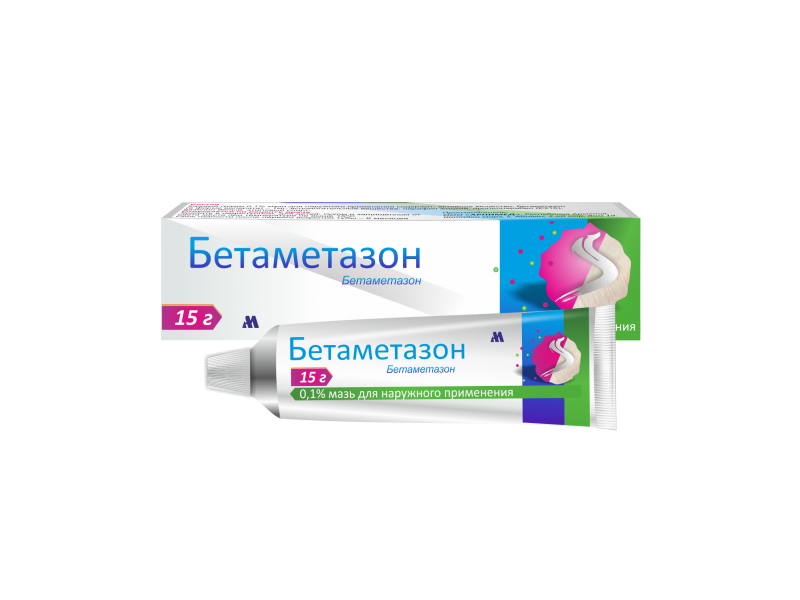
Betamethasone Ointment: An Exhaustive Medical Guide
1. Comprehensive Introduction & Overview
Betamethasone ointment is a powerful synthetic corticosteroid widely prescribed for its potent anti-inflammatory, antipruritic, and vasoconstrictive properties. Belonging to the class of glucocorticoids, it is highly effective in managing a wide array of inflammatory and pruritic manifestations of corticosteroid-responsive dermatoses. Its formulation as an ointment allows for enhanced penetration and prolonged contact with the skin, making it particularly suitable for dry, scaly, or lichenified lesions.
Developed to harness the therapeutic benefits of natural corticosteroids while minimizing systemic side effects, betamethasone has become a cornerstone in dermatological treatment. It works by suppressing the immune response in the skin, reducing the inflammation, redness, swelling, and itching associated with various skin conditions. While remarkably effective, its potency necessitates careful application under medical supervision to maximize benefits and mitigate potential risks. This comprehensive guide will delve into the intricate details of betamethasone ointment, providing an authoritative resource for patients and healthcare professionals alike.
2. Deep-Dive into Technical Specifications & Mechanisms
Chemical Structure & Formulation
Betamethasone is a corticosteroid, specifically a glucocorticoid, derived from prednisolone. It exists in various esterified forms, such as betamethasone valerate and betamethasone dipropionate, which influence its potency and duration of action. Betamethasone valerate 0.1% and betamethasone dipropionate 0.05% are common strengths found in ointment formulations. The ointment base itself is typically an anhydrous, oleaginous preparation designed to provide an occlusive layer, enhancing drug absorption and skin hydration, which is beneficial for dry skin conditions.
- Betamethasone Valerate: A moderate-to-high potency corticosteroid.
- Betamethasone Dipropionate: A high-potency corticosteroid.
Mechanism of Action
The therapeutic efficacy of betamethasone ointment stems from its complex molecular mechanism of action, primarily involving the modulation of gene expression within target cells.
- Glucocorticoid Receptor Binding: Upon topical application, betamethasone penetrates the cell membrane of epidermal and dermal cells and binds to specific intracellular glucocorticoid receptors (GRs) in the cytoplasm.
- Translocation to Nucleus: The steroid-receptor complex then translocates into the cell nucleus, where it binds to specific DNA sequences known as glucocorticoid response elements (GREs) in the promoter regions of target genes.
- Gene Expression Modulation:
- Transactivation: This binding can either activate or repress the transcription of specific genes. It primarily upregulates the synthesis of anti-inflammatory proteins, such as lipocortin-1 (annexin A1). Lipocortin-1 inhibits phospholipase A2, an enzyme crucial for the release of arachidonic acid from cell membranes. Arachidonic acid is a precursor to potent inflammatory mediators like prostaglandins and leukotrienes. By blocking phospholipase A2, betamethasone effectively reduces the production of these pro-inflammatory substances.
- Transrepression: Corticosteroids also exert anti-inflammatory effects by inhibiting the activity of pro-inflammatory transcription factors, such as NF-κB (nuclear factor kappa-light-chain-enhancer of activated B cells) and AP-1 (activator protein-1). This inhibition reduces the expression of various pro-inflammatory cytokines (e.g., IL-1, IL-6, TNF-α), chemokines, and adhesion molecules, thereby dampening the inflammatory cascade.
- Immunosuppressive Effects: Betamethasone suppresses various aspects of the immune response, including:
- Decreasing the proliferation and function of T lymphocytes.
- Inhibiting the migration of leukocytes (neutrophils, eosinophils, macrophages) to sites of inflammation.
- Reducing the release of histamine and other mediators from mast cells.
- Vasoconstriction: Topical corticosteroids induce vasoconstriction in the superficial dermal blood vessels. This reduces erythema (redness) and swelling by decreasing blood flow and capillary permeability at the site of inflammation.
In summary, betamethasone ointment rapidly alleviates symptoms of inflammation and pruritus by a multifaceted action that includes inhibiting the synthesis and release of inflammatory mediators, suppressing immune cell function, and causing local vasoconstriction.
Pharmacokinetics
The pharmacokinetics of topically applied betamethasone are crucial for understanding its efficacy and potential for systemic effects.
- Absorption:
- Extent: The extent of percutaneous absorption of topical corticosteroids is determined by several factors:
- Vehicle: Ointments generally provide greater absorption than creams or lotions due to their occlusive nature.
- Skin Integrity: Absorption is increased significantly when the skin barrier is compromised (e.g., in conditions like eczema or psoriasis where the skin is inflamed or damaged).
- Body Area: Absorption is higher in areas with thinner skin (e.g., face, eyelids, groin, axillae) and intertriginous areas (skin folds).
- Occlusion: Use of occlusive dressings (e.g., plastic wrap) can increase absorption by up to 10-fold.
- Application Duration & Amount: Longer duration of application and larger quantities applied to extensive body surface areas increase systemic exposure.
- Age: Infants and young children have a greater surface area-to-mass ratio and thinner stratum corneum, leading to increased systemic absorption and a higher risk of systemic side effects.
- Extent: The extent of percutaneous absorption of topical corticosteroids is determined by several factors:
- Distribution: Once absorbed systemically, betamethasone is bound to plasma proteins, primarily transcortin and albumin, and distributed throughout the body.
- Metabolism: Betamethasone is primarily metabolized in the liver by cytochrome P450 enzymes (particularly CYP3A4) into inactive metabolites.
- Excretion: The inactive metabolites are primarily excreted by the kidneys in the urine. A small amount may be excreted in the bile.
3. Extensive Clinical Indications & Usage
Betamethasone ointment is indicated for the relief of the inflammatory and pruritic manifestations of corticosteroid-responsive dermatoses. Its high potency makes it suitable for conditions that are resistant to milder corticosteroids or for acute exacerbations of chronic conditions.
Primary Indications
- Eczema (Atopic Dermatitis): Especially for moderate to severe cases, or localized, lichenified plaques. It effectively reduces inflammation, itching, and redness.
- Psoriasis: Particularly for localized plaques of chronic plaque psoriasis, including those on elbows, knees, and scalp. It helps to reduce scaling, thickness, and erythema.
- Contact Dermatitis: Both allergic contact dermatitis (e.g., poison ivy, nickel allergy) and irritant contact dermatitis, when inflammation and itching are prominent.
- Seborrheic Dermatitis: For inflammatory lesions, especially those affecting the trunk or limbs, but generally avoided on the face due to risk of side effects.
- Lichen Planus: A chronic inflammatory condition affecting the skin, hair, nails, and mucous membranes. Betamethasone can alleviate the pruritus and lesions.
- Discoid Lupus Erythematosus: A chronic autoimmune skin condition characterized by inflamed, scaly patches on the skin, often on the face and scalp.
- Neurodermatitis (Lichen Simplex Chronicus): For localized areas of chronic itching and scratching that lead to thickened, leathery skin.
- Prurigo Nodularis: A chronic skin condition characterized by intensely itchy, firm nodules.
- Other Inflammatory Dermatoses: Including severe forms of insect bite reactions, granuloma annulare, and keloids (sometimes used post-injection).
Dosage Guidelines
The dosage and duration of treatment with betamethasone ointment must be individualized based on the patient's condition, age, body area, and response to therapy. Always follow your prescribing physician's instructions explicitly.
- General Application:
- Apply a thin film of the ointment to the affected skin area.
- Gently rub it in until it disappears.
- Wash hands thoroughly after application, unless the hands are the area being treated.
- Frequency:
- Typically applied once or twice daily. Less frequent application may be considered as the condition improves.
- Duration:
- Treatment should generally be limited to short courses (e.g., 2-4 weeks).
- Prolonged continuous use, especially on large surface areas, highly sensitive areas (face, intertriginous zones), or under occlusion, significantly increases the risk of local and systemic side effects.
- For chronic conditions, intermittent therapy (e.g., 2 days on, 5 days off) or step-down to a lower potency corticosteroid may be employed to minimize side effects.
- Occlusive Dressings:
- The use of occlusive dressings (e.g., plastic wrap) over the treated area should generally be avoided unless specifically directed by a physician, as it dramatically increases systemic absorption and the risk of adverse effects.
- Pediatric Use:
- Children, especially infants, are more susceptible to systemic toxicity (e.g., HPA axis suppression, Cushing's syndrome) due to their larger skin surface area-to-body mass ratio.
- Use the lowest effective strength for the shortest possible duration.
- Avoid use on the face, groin, or axillae.
- Diapers or tight-fitting garments can act as occlusive dressings and should be avoided over treated areas.
- Geriatric Use:
- No specific dose adjustments are usually required, but elderly patients may have thinner skin, making them more susceptible to skin atrophy and other local side effects.
Dosage Table Example (Illustrative, always follow physician's orders)
| Strength | Condition | Application Frequency | Max Recommended Duration (General) | Notes |
|---|---|---|---|---|
| Betamethasone Valerate 0.1% | Moderate Eczema, Psoriasis (non-facial) | Once or Twice Daily | 2-4 weeks | For localized, resistant lesions. Consider step-down therapy. |
| Betamethasone Dipropionate 0.05% | Severe Eczema, Psoriasis (resistant plaques) | Once or Twice Daily | 2 weeks | High potency. Use with extreme caution on sensitive areas. Avoid prolonged use. |
| All Strengths | Face, Groin, Axillae | Avoid or Very Limited | Max 1 week, if prescribed | Significantly increased risk of skin atrophy, telangiectasias, and perioral dermatitis. Use only if directed by a specialist and with close monitoring. |
| Children < 12 years | All indications | Once Daily (Max) | As short as possible | Lower potency recommended. Closely monitor for systemic effects. Avoid occlusive dressings. |
4. Risks, Side Effects, & Contraindications
While highly effective, betamethasone ointment is a potent medication that carries specific risks and potential side effects, especially with inappropriate use.
Contraindications
Betamethasone ointment should not be used in the following situations:
- Hypersensitivity: Known allergy to betamethasone or any component of the ointment base.
- Untreated Infections:
- Bacterial infections (e.g., impetigo, folliculitis)
- Fungal infections (e.g., tinea corporis, candidiasis)
- Viral infections (e.g., herpes simplex, varicella, vaccinia)
- Parasitic infections (e.g., scabies)
- Corticosteroids can mask the signs of infection and exacerbate their spread.
- Skin Atrophy: Pre-existing skin atrophy at the proposed application site.
- Perioral Dermatitis: A skin condition resembling acne around the mouth.
- Rosacea: A chronic inflammatory condition affecting the face.
- Acne Vulgaris: Can worsen acne.
- Ulcerative Conditions: Skin ulcers or wounds.
- Perianal and Genital Pruritus: Unless specifically diagnosed as corticosteroid-responsive.
- Children under 1 year of age: Due to increased risk of systemic absorption.
Potential Side Effects
Side effects can be categorized as local (at the application site) or systemic (affecting the entire body). Local side effects are more common.
Local Side Effects (More Common)
- Skin Atrophy: Thinning of the skin, leading to easy bruising and tearing. This is a common and often irreversible side effect, especially with prolonged use on thin-skinned areas.
- Striae (Stretch Marks): Particularly in areas of skin folds or tension, often irreversible.
- Telangiectasias: Visible small blood vessels (spider veins) due to thinning of the dermis.
- Burning, Itching, Irritation: Often experienced at the beginning of treatment.
- Dryness, Folliculitis (hair follicle inflammation), Hypertrichosis (excessive hair growth).
- Acneiform Eruptions: Steroid-induced acne.
- Hypopigmentation: Lightening of the skin color, especially in darker skin types.
- Maceration of the Skin: Softening and breakdown of skin due to excessive moisture, especially under occlusive dressings.
- Secondary Infection: Increased susceptibility to bacterial or fungal infections due to immunosuppression.
- Miliaria (Heat Rash): Due to occlusion.
- Allergic Contact Dermatitis: To the corticosteroid itself or an ingredient in the vehicle.
- Perioral Dermatitis-like reactions: When used on the face.
Systemic Side Effects (Less Common, but More Serious)
Systemic absorption can occur, especially with prolonged use, application to large surface areas, damaged skin, or under occlusion. These effects are similar to those seen with oral corticosteroids:
- Hypothalamic-Pituitary-Adrenal (HPA) Axis Suppression: The body's natural production of corticosteroids can be suppressed, leading to adrenal insufficiency if the medication is stopped abruptly.
- Cushing's Syndrome: Symptoms include moon face, buffalo hump, central obesity, striae, hypertension, hyperglycemia.
- Hyperglycemia and Glucosuria: Elevated blood sugar levels, especially in predisposed individuals (diabetics).
- Growth Retardation: In children.
- Cataracts and Glaucoma: Especially with prolonged use around the eyes.
- Osteoporosis: With very prolonged and high systemic absorption.
Drug Interactions
Drug interactions with topical betamethasone are generally minimal due to the low systemic absorption when used correctly. However, if significant systemic absorption occurs (e.g., large surface area, prolonged use, occlusive dressings), interactions similar to systemic corticosteroids may be relevant.
- CYP3A4 Inhibitors: Drugs that inhibit cytochrome P450 3A4 enzymes (e.g., ritonavir, itraconazole, ketoconazole) can potentially increase the systemic concentration of betamethasone, leading to an increased risk of systemic side effects. Patients on these medications should be monitored for signs of corticosteroid toxicity if significant topical absorption is anticipated.
- Other Corticosteroids: Concurrent use of other systemic or potent topical corticosteroids can increase the cumulative risk of HPA axis suppression and other systemic side effects.
Always inform your doctor about all medications you are using, including over-the-counter drugs, supplements, and herbal remedies.
Pregnancy and Lactation Warnings
- Pregnancy (Category C): There are no adequate and well-controlled studies of topical betamethasone in pregnant women. Animal studies have shown teratogenic effects with high doses of corticosteroids. Betamethasone ointment should be used during pregnancy only if the potential benefit justifies the potential risk to the fetus. Avoid applying large amounts, prolonged use, or occlusive dressings during pregnancy. Discuss risks and benefits with your physician.
- Lactation: It is not known whether topically administered corticosteroids are excreted in human milk. Systemically administered corticosteroids are excreted in human milk in quantities not likely to have a deleterious effect on the infant. However, caution should be exercised when betamethasone ointment is administered to a nursing woman. Avoid applying the ointment to the breast area to prevent accidental ingestion by the infant.
Overdose Management
Acute overdose with topical betamethasone ointment is rare due to the route of administration. However, chronic overuse or misuse can lead to systemic effects.
- Symptoms of Chronic Overdose: Manifestations of hypercorticism (Cushing's syndrome), HPA axis suppression (adrenal insufficiency), hyperglycemia, and glucosuria.
- Management:
- Discontinue the medication gradually under medical supervision to prevent adrenal insufficiency.
- Symptomatic and supportive treatment is indicated.
- Monitor electrolyte balance, blood glucose, and HPA axis function.
- In severe cases of HPA axis suppression, systemic corticosteroid replacement therapy may be necessary, with gradual tapering.
5. Massive FAQ Section
Q1: What is Betamethasone Ointment primarily used for?
A1: Betamethasone ointment is primarily used to treat inflammatory and itchy skin conditions that respond to corticosteroids. This includes conditions like severe eczema (atopic dermatitis), psoriasis, contact dermatitis, lichen planus, and neurodermatitis, helping to reduce redness, swelling, and itching.
Q2: How often should I apply Betamethasone Ointment?
A2: Typically, betamethasone ointment is applied once or twice daily to the affected area. It's crucial to follow your doctor's specific instructions, as frequency can vary based on the condition, severity, and body area being treated. Over-application can increase the risk of side effects.
Q3: Can I use Betamethasone Ointment on my face?
A3: Betamethasone ointment is a potent corticosteroid, and its use on the face should be approached with extreme caution and only under direct medical supervision. The skin on the face is thinner and more sensitive, making it highly susceptible to side effects like skin thinning, rosacea, perioral dermatitis, and telangiectasias (spider veins). If prescribed for facial use, it's usually for very short durations.
Q4: Is Betamethasone Ointment safe for children?
A4: Betamethasone ointment can be used in children, but with greater caution. Children, especially infants, have a larger skin surface area-to-body mass ratio and thinner skin, increasing their risk of systemic absorption and potential side effects like HPA axis suppression and growth retardation. Lower strengths and shorter durations of treatment are generally recommended, and use on the face, groin, or under diapers should be avoided unless specifically directed by a pediatrician.
Q5: How long does it take for Betamethasone Ointment to work?
A5: Many patients experience noticeable relief from itching and inflammation within a few days of starting treatment. For some conditions, it may take up to a week or two to see significant improvement. It's important to continue using it as prescribed for the full duration recommended by your doctor, even if symptoms improve quickly.
Q6: What are the main side effects of Betamethasone Ointment?
A6: The most common side effects are local and include skin thinning (atrophy), stretch marks (striae), visible blood vessels (telangiectasias), burning, itching, dryness, and changes in skin color (hypopigmentation). Less common but more serious systemic side effects can occur with prolonged or extensive use, such as adrenal suppression (HPA axis suppression) and Cushing's syndrome.
Q7: Can Betamethasone Ointment treat fungal infections?
A7: No, betamethasone ointment does not treat fungal infections. In fact, using a corticosteroid on an untreated fungal, bacterial, or viral infection can worsen the infection by suppressing the local immune response. It's crucial to diagnose the underlying cause of the skin condition before using betamethasone.
Q8: What should I do if I miss a dose?
A8: If you miss a dose, apply it as soon as you remember. If it's almost time for your next scheduled dose, skip the missed dose and continue with your regular schedule. Do not apply a double dose to make up for a missed one.
Q9: Can I use Betamethasone Ointment during pregnancy?
A9: Betamethasone ointment is generally classified as Pregnancy Category C. This means it should be used during pregnancy only if the potential benefit outweighs the potential risk to the fetus. It's crucial to discuss the risks and benefits with your doctor, and avoid large amounts, prolonged use, or occlusive dressings if you are pregnant or planning to become pregnant.
Q10: What is the difference between Betamethasone ointment and cream?
A10: The primary difference lies in their base and consistency. An ointment is typically oil-based (greasier), provides a more occlusive barrier, and is generally more potent, enhancing drug penetration and hydration. It's often preferred for dry, scaly, or thickened skin lesions. A cream is water-based (lighter), spreads more easily, and is absorbed more quickly. It's often preferred for weeping or moist lesions and for use in skin folds. Your doctor will recommend the most appropriate formulation for your specific condition.
Q11: Can I stop using Betamethasone Ointment suddenly?
A11: For short-term or localized use, stopping suddenly is generally not an issue. However, if you have been using betamethasone ointment extensively, for prolonged periods, or on large body areas, stopping abruptly could potentially lead to a rebound flare-up of your skin condition or, in rare cases of significant systemic absorption, symptoms of adrenal insufficiency. Always consult your doctor before discontinuing treatment, especially if you've been using it for a long time.
Q12: How should I store Betamethasone Ointment?
A12: Store betamethasone ointment at room temperature, typically between 15°C and 30°C (59°F and 86°F), away from moisture and direct heat. Do not freeze it. Keep the tube tightly closed and out of reach of children and pets. Do not use the ointment past its expiration date.