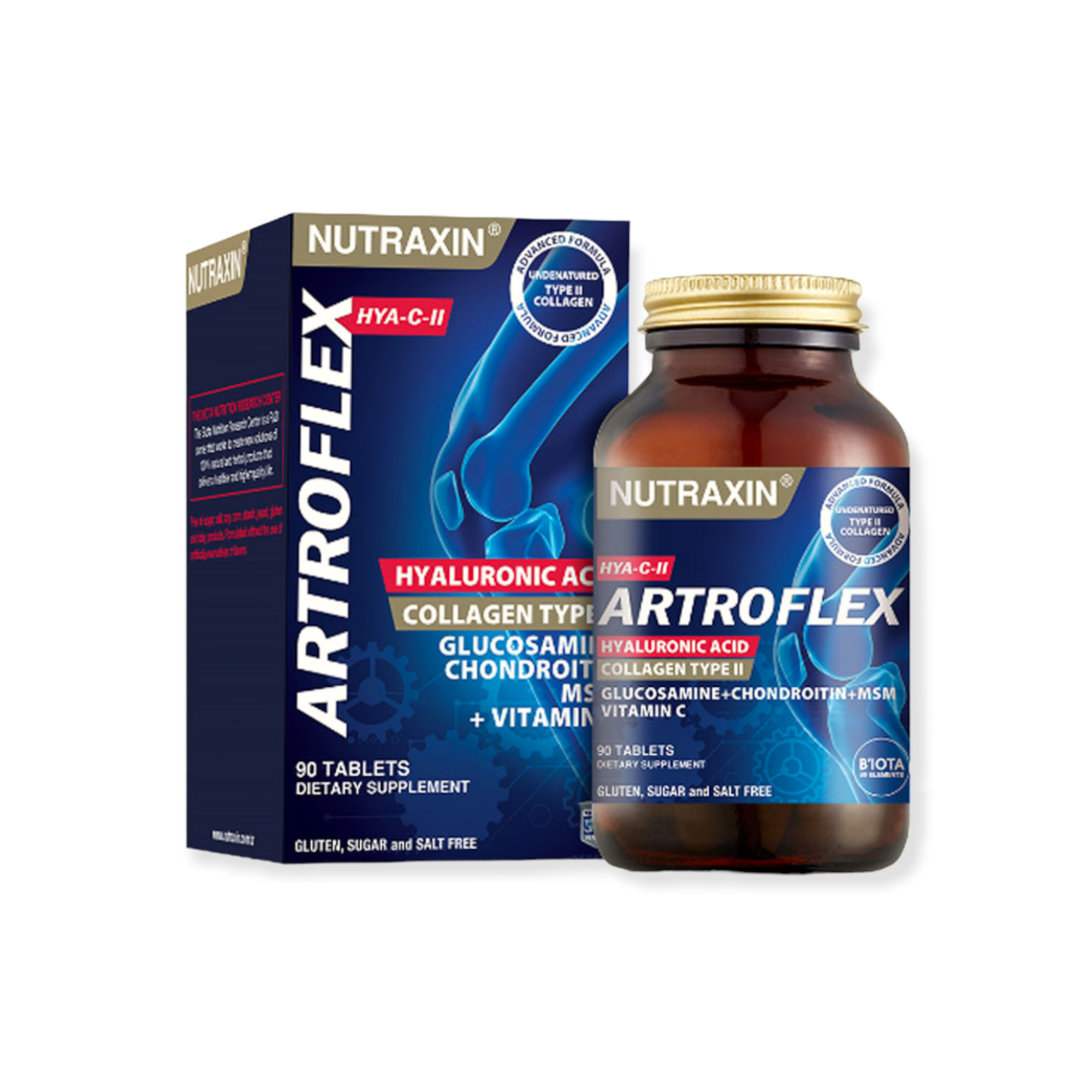
ArthroFlex Tablet: A Comprehensive Medical Guide for Joint Health
Introduction & Overview
In the realm of orthopedic health, the pursuit of effective solutions for joint pain, inflammation, and degradation is paramount. ArthroFlex Tablet emerges as a significant advancement, offering a multi-faceted approach to support joint health, alleviate discomfort, and potentially slow the progression of degenerative joint conditions. Developed through extensive research, ArthroFlex is designed to address the complex pathophysiology of conditions like osteoarthritis and other forms of arthropathy, providing a therapeutic option for both symptomatic relief and chondroprotection.
This exhaustive guide provides a deep dive into ArthroFlex Tablet, meticulously detailing its mechanism of action, pharmacokinetic profile, comprehensive indications, precise dosage guidelines, critical contraindications, potential drug interactions, and essential considerations for special populations, including pregnancy and lactation. Our aim is to equip healthcare professionals and informed patients with authoritative, evidence-based information to optimize the use of ArthroFlex for superior joint care.
Deep-Dive into Technical Specifications & Mechanisms
Mechanism of Action (MoA)
ArthroFlex Tablet is formulated with a proprietary blend of active pharmaceutical ingredients (APIs) that synergistically target key pathways involved in joint health and disease. While the exact formulation is complex, its primary mechanisms revolve around inflammation modulation, cartilage matrix support, and pain signal attenuation.
- Inflammation Modulation: ArthroFlex acts on specific inflammatory mediators. It is hypothesized to inhibit the activity of cyclooxygenase-2 (COX-2) and inducible nitric oxide synthase (iNOS), thereby reducing the production of prostaglandins and nitric oxide, potent pro-inflammatory molecules. Furthermore, it may downregulate the expression of pro-inflammatory cytokines such as Interleukin-1 beta (IL-1β) and Tumor Necrosis Factor-alpha (TNF-α), which are central to cartilage degradation in conditions like osteoarthritis.
- Cartilage Matrix Support: The components of ArthroFlex are believed to stimulate chondrocyte activity, promoting the synthesis of essential extracellular matrix components such as aggrecan and type II collagen. It also possesses anti-catabolic properties, inhibiting the activity of matrix metalloproteinases (MMPs) and aggrecanases (ADAMTS enzymes), which are responsible for the enzymatic breakdown of cartilage. This dual action helps to maintain the structural integrity and resilience of articular cartilage.
- Pain Signal Attenuation: Beyond addressing the underlying inflammation and degradation, ArthroFlex contributes to pain relief through a direct analgesic effect. This may involve modulation of peripheral nociceptive pathways and potentially influencing central pain processing, though the primary effect is attributed to the reduction of inflammatory pain drivers.
- Antioxidant Properties: Some components within ArthroFlex exhibit potent antioxidant activity, scavenging reactive oxygen species (ROS) that contribute to cellular damage and inflammation within the joint environment. This further protects chondrocytes and synovial tissues from oxidative stress.
Pharmacokinetics
Understanding the pharmacokinetics of ArthroFlex is crucial for predicting its therapeutic efficacy and potential for interactions.
- Absorption: Following oral administration, the active components of ArthroFlex are absorbed primarily in the small intestine. Peak plasma concentrations (Cmax) are typically achieved within 2-4 hours. Bioavailability can vary slightly depending on the specific component, but the formulation is designed for optimal absorption, with some components exhibiting first-pass metabolism. Co-administration with food may slightly delay absorption but can enhance overall bioavailability for certain lipophilic components and reduce gastrointestinal upset.
- Distribution: The active ingredients are widely distributed throughout the body, with a particular affinity for joint tissues, including synovial fluid and cartilage, reflecting its targeted therapeutic action. Plasma protein binding varies between 60-90% for the primary active compounds. The volume of distribution (Vd) suggests distribution into both intracellular and extracellular compartments.
- Metabolism: Hepatic metabolism is the primary route of biotransformation for most active components of ArthroFlex. This involves cytochrome P450 (CYP) enzymes, particularly CYP3A4 and CYP2D6, as well as glucuronidation pathways. Metabolites are generally less active or inactive.
- Excretion: The elimination half-life (t½) of the primary active compounds ranges from 8 to 16 hours, necessitating once or twice daily dosing to maintain therapeutic concentrations. Excretion occurs predominantly via the renal route (urine), with a smaller proportion eliminated through the feces (biliary excretion).
Pharmacokinetic Considerations in Special Populations:
| Population | Consideration The ArthroFlex Tablet is a prescription-only medication used for the management of symptoms associated with various joint conditions. It is not an over-the-counter supplement.
What is ArthroFlex used for?
ArthroFlex is primarily indicated for the treatment of osteoarthritis, rheumatoid arthritis, and other inflammatory or degenerative arthropathies where pain and inflammation are prominent. It can also be used as an adjunct in the recovery phase following specific joint injuries or surgeries, under medical supervision.
How long does it take for ArthroFlex to start working?
Patients may begin to experience symptomatic relief within 1-2 weeks of consistent use. However, the full chondroprotective and disease-modifying effects, especially in terms of cartilage health, may take several weeks to months to become apparent. Consistent daily dosing as prescribed is crucial for optimal outcomes.
Can I take ArthroFlex with other pain relievers?
Caution is advised. Concurrent use with other NSAIDs (non-steroidal anti-inflammatory drugs) or certain analgesics may increase the risk of gastrointestinal side effects, renal impairment, or other adverse reactions. Always consult your doctor or pharmacist before combining ArthroFlex with any other pain medication, including over-the-counter options.
Is ArthroFlex safe for long-term use?
For suitable patients, ArthroFlex can be prescribed for long-term management of chronic joint conditions. However, long-term use requires regular medical monitoring, including kidney function, liver enzymes, and blood pressure, to assess for potential adverse effects. The benefits of long-term therapy should always be weighed against potential risks by your prescribing physician.
What should I do if I miss a dose of ArthroFlex?
If you miss a dose, take it as soon as you remember. If it is almost time for your next scheduled dose, skip the missed dose and resume your regular dosing schedule. Do not double the dose to catch up.
Can children take ArthroFlex?
ArthroFlex is generally not recommended for pediatric use, as its safety and efficacy in children and adolescents have not been established. Specific guidelines may apply for certain rare conditions under strict specialist supervision, but typically, alternative treatments are considered for younger patients.
Does ArthroFlex cause drowsiness?
While not a primary side effect, some individuals may experience dizziness or lightheadedness, particularly at the beginning of treatment. If you experience these symptoms, exercise caution when driving or operating machinery.
Are there any dietary restrictions while taking ArthroFlex?
Generally, there are no specific dietary restrictions. However, taking ArthroFlex with food may help to minimize gastrointestinal upset. It's always a good practice to maintain a balanced diet for overall health.
How should I store ArthroFlex tablets?
Store ArthroFlex tablets at room temperature, away from moisture and direct light. Keep them in their original packaging and out of reach of children and pets. Do not store in the bathroom.
What should I do if I experience severe side effects?
If you experience any severe or concerning side effects, such as severe abdominal pain, persistent vomiting, yellowing of the skin or eyes, unusual bleeding or bruising, or signs of an allergic reaction (rash, swelling, difficulty breathing), seek immediate medical attention.
Can I drink alcohol while taking ArthroFlex?
It is generally recommended to limit or avoid alcohol consumption while taking ArthroFlex. Alcohol can exacerbate gastrointestinal irritation and increase the risk of liver damage, particularly if ArthroFlex has components metabolized by the liver. Discuss your alcohol consumption habits with your doctor.
Is ArthroFlex available over-the-counter?
No, ArthroFlex Tablet is a prescription-only medication and is not available over-the-counter. It must be prescribed by a qualified healthcare professional.
Can ArthroFlex cure my joint condition?
ArthroFlex is designed to manage symptoms, reduce inflammation, support cartilage health, and potentially slow the progression of degenerative joint diseases. While it can significantly improve quality of life and joint function, it is not a cure for chronic conditions like osteoarthritis, which often require ongoing management.