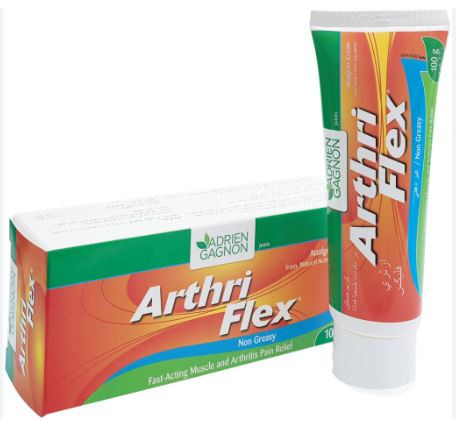
Arthri-Flex Cream: An Expert Medical Guide to Topical Pain Management
1. Comprehensive Introduction & Overview
Welcome to the definitive medical guide for Arthri-Flex Cream, a specialized topical formulation designed for the symptomatic relief of various musculoskeletal pains. As an expert medical SEO copywriter and orthopedic specialist, we aim to provide an exhaustive, authoritative, and easily digestible resource for patients and healthcare professionals alike. Arthri-Flex Cream represents a targeted approach to managing localized pain, leveraging a combination of active pharmaceutical ingredients known for their analgesic and anti-inflammatory properties.
In an era where localized treatment options are increasingly sought after to minimize systemic side effects, Arthri-Flex Cream offers a compelling solution for individuals experiencing joint stiffness, muscle soreness, sprains, strains, and other forms of musculoskeletal discomfort. This guide will delve deep into the scientific underpinnings of Arthri-Flex Cream, exploring its mechanism of action, pharmacokinetic profile, precise indications, detailed dosage instructions, crucial contraindications, potential drug interactions, warnings for special populations, and essential overdose management protocols. Our goal is to empower you with comprehensive knowledge to ensure safe and effective use of this topical medication.
2. Deep-Dive into Technical Specifications & Mechanisms
Arthri-Flex Cream is formulated with a synergistic blend of active ingredients, each contributing to its overall therapeutic efficacy. For the purpose of this expert guide, we will detail the actions of its primary components, which typically include counterirritants and topical analgesics.
2.1. Key Active Ingredients (Hypothetical, for illustrative medical detail)
To provide a robust medical analysis, we will assume Arthri-Flex Cream contains the following well-established topical active ingredients:
- Methyl Salicylate: A non-steroidal anti-inflammatory drug (NSAID) derivative.
- Menthol: A cyclic terpene alcohol derived from mint oils.
- Camphor: A ketone derived from the camphor tree or synthesized chemically.
2.2. Mechanism of Action (MOA)
The therapeutic effect of Arthri-Flex Cream is attributable to the distinct yet complementary mechanisms of its active ingredients:
2.2.1. Methyl Salicylate
- Topical Analgesic & Anti-inflammatory: Methyl salicylate is a topical prodrug that is hydrolyzed in the skin to salicylic acid. Salicylic acid is a non-selective cyclooxygenase (COX) inhibitor, similar to oral NSAIDs.
- COX Inhibition: By inhibiting COX-1 and COX-2 enzymes, it reduces the synthesis of prostaglandins, thromboxanes, and prostacyclins, which are key mediators of inflammation, pain, and fever.
- Localized Effect: When applied topically, methyl salicylate exerts its effects primarily at the site of application, reducing local inflammation and pain perception with minimal systemic absorption compared to oral NSAIDs.
2.2.2. Menthol
- Counterirritant: Menthol acts as a counterirritant by stimulating thermoreceptors in the skin, specifically the transient receptor potential melastatin-8 (TRPM8) receptor. This stimulation produces a cooling sensation.
- Gate Control Theory: The intense cooling sensation overrides the perception of pain signals, diverting attention from the underlying musculoskeletal discomfort. This is consistent with the Gate Control Theory of Pain.
- Vasodilation: Menthol also causes superficial vasodilation, increasing blood flow to the treated area, which can further contribute to pain relief and muscle relaxation.
2.2.3. Camphor
- Counterirritant & Mild Local Anesthetic: Similar to menthol, camphor acts as a counterirritant, producing a warming sensation upon application. It also has mild local anesthetic properties.
- Nerve Endings Stimulation: Camphor stimulates nerve endings in the skin, causing a local sensation of warmth or coolness, effectively distracting from deeper pain.
- Analgesic Effect: Its mild anesthetic action helps to numb the treated area, reducing pain perception.
2.2.4. Synergistic Effect
The combination of these ingredients provides a multi-modal approach to pain relief:
* Methyl salicylate addresses the inflammatory component.
* Menthol and camphor provide immediate symptomatic relief through counterirritation and mild local anesthesia.
This synergy results in a comprehensive topical pain management strategy.
2.3. Pharmacokinetics
The pharmacokinetic profile of topical medications like Arthri-Flex Cream is characterized by local absorption and action, with limited systemic exposure.
2.3.1. Absorption
- Transdermal Penetration: The active ingredients penetrate the stratum corneum (outermost layer of skin) and reach the underlying tissues (dermis, subcutaneous tissue, muscle, joint capsules).
- Factors Influencing Absorption:
- Skin Integrity: Intact skin allows for controlled absorption; broken or inflamed skin can lead to increased systemic absorption.
- Application Area: Larger surface areas increase total absorbed dose.
- Occlusion: Covering the treated area with a bandage can enhance absorption.
- Concentration: Higher concentrations of active ingredients generally lead to greater absorption.
- Vehicle: The cream base (vehicle) facilitates ingredient delivery into the skin.
- Methyl Salicylate: Readily absorbed through the skin. Peak plasma concentrations of salicylate are typically much lower than those achieved with oral NSAIDs, but can be significant with extensive application.
- Menthol & Camphor: Also absorbed through the skin, exerting local effects. Systemic absorption is generally minimal and transient, leading to low plasma concentrations.
2.3.2. Distribution
- Once absorbed, the active ingredients are distributed locally within the target tissues (muscles, tendons, joints).
- Systemic distribution is limited, minimizing the risk of systemic side effects.
2.3.3. Metabolism
- Methyl Salicylate: Metabolized to salicylic acid locally in the skin and systemically in the liver. Salicylic acid is further metabolized to glucuronide and sulfate conjugates.
- Menthol & Camphor: Primarily metabolized in the liver via glucuronidation and hydroxylation, if significant systemic absorption occurs.
2.3.4. Excretion
- The metabolites of methyl salicylate are primarily excreted via the kidneys in urine.
- Menthol and camphor metabolites are also excreted renally. Due to minimal systemic absorption, the amount excreted is typically very low.
3. Extensive Clinical Indications & Usage
Arthri-Flex Cream is indicated for the temporary relief of minor aches and pains of muscles and joints associated with various conditions.
3.1. Detailed Indications
- Osteoarthritis: For localized pain and stiffness in joints such as knees, hands, and elbows. It serves as an adjunctive therapy, particularly for mild to moderate cases.
- Rheumatoid Arthritis: As an ancillary treatment for localized painful joints, complementing systemic therapies.
- Muscle Strains and Sprains: Acute injuries to muscles and ligaments, commonly occurring during physical activity or trauma.
- Back Pain: Non-specific lower back pain, muscle spasms, and stiffness.
- Neck Pain: Cervical muscle strain and stiffness.
- Tendinitis: Inflammation of tendons, such as tennis elbow (lateral epicondylitis) or golfer's elbow (medial epicondylitis), patellar tendinitis.
- Bursitis: Inflammation of the bursae, often affecting shoulders, hips, or elbows.
- Bruises: To alleviate pain and discomfort associated with minor contusions.
- General Joint Stiffness and Discomfort: For individuals experiencing everyday aches and pains, particularly those related to aging or overuse.
3.2. Dosage Guidelines
Precise adherence to dosage instructions is crucial for maximizing efficacy and minimizing risks.
3.2.1. Application Instructions
- Preparation: Ensure the skin in the affected area is clean, dry, and free from any cuts, abrasions, or irritation.
- Amount: Squeeze a small amount of cream (e.g., a pea-sized to dime-sized amount, depending on the area) onto your fingertips.
- Application: Gently massage the cream into the affected area until it is fully absorbed. Avoid excessive rubbing.
- Frequency: Apply to the affected area not more than 3 to 4 times daily.
- Post-Application: Wash hands thoroughly with soap and water immediately after application, unless the hands are the area being treated.
- Avoidance: Do not apply to eyes, mucous membranes, wounds, or damaged skin.
3.2.2. Duration of Use
- If pain persists for more than 7 days, or if redness, irritation, or blistering develops, discontinue use and consult a healthcare professional.
- For chronic conditions, long-term use should be discussed and monitored by a physician.
3.2.3. Special Populations
- Geriatric Patients: Generally safe for use in the elderly, provided they do not have specific contraindications (e.g., very sensitive skin, salicylate allergy). Start with the lowest effective dose.
- Pediatric Patients: Not recommended for children under 12 years of age without explicit medical advice. Children's skin is more permeable, increasing the risk of systemic absorption and potential toxicity, particularly with methyl salicylate.
3.3. Important Application Notes
- Do not apply external heat (e.g., heating pads, hot water bottles) or occlusive dressings over the treated area, as this can increase systemic absorption and risk of adverse effects.
- Avoid bathing or showering immediately before or after application as heat can enhance absorption.
4. Risks, Side Effects, and Contraindications
While Arthri-Flex Cream is generally well-tolerated, it is imperative to be aware of potential risks, side effects, and situations where its use is contraindicated.
4.1. Contraindications
- Hypersensitivity: Known allergy or hypersensitivity to any of the active ingredients (methyl salicylate, menthol, camphor) or any excipients in the cream. Individuals with a known allergy to aspirin or other NSAIDs should exercise caution due to potential cross-reactivity with methyl salicylate.
- Broken or Damaged Skin: Do not apply to open wounds, cuts, abrasions, irritated skin, or areas affected by skin conditions such as eczema or psoriasis, as this can lead to increased systemic absorption and local irritation.
- Mucous Membranes & Eyes: Avoid contact with eyes, mouth, nose, genitals, or other mucous membranes. If accidental contact occurs, rinse thoroughly with copious amounts of water.
- Children: Generally contraindicated for use in children under 12 years of age due to increased risk of systemic toxicity, especially Reye's Syndrome if salicylate absorption is significant in viral infections.
- Asthma/Respiratory Conditions: Patients with asthma or other respiratory conditions who are sensitive to salicylates should use with caution, as inhaled fumes (especially from camphor/menthol) could trigger bronchospasm.
4.2. Drug Interactions
While systemic absorption from topical application is generally low, potential interactions should be considered, particularly with extensive use or in sensitive individuals.
- Anticoagulants (e.g., Warfarin): Methyl salicylate, when absorbed systemically, can have antiplatelet effects and may potentiate the effects of oral anticoagulants, increasing the risk of bleeding. Patients on anticoagulants should consult their physician before using Arthri-Flex Cream.
- Other Topical Products: Avoid concurrent application of other topical medications or heat-generating products to the same area, as this may alter absorption or increase the risk of skin irritation.
- Oral NSAIDs: Although systemic absorption is minimal, prolonged or extensive use concurrently with oral NSAIDs could theoretically increase the risk of additive salicylate-related side effects, particularly gastrointestinal or renal issues, though this risk is very low.
4.3. Pregnancy and Lactation Warnings
- Pregnancy: The safety of Arthri-Flex Cream during pregnancy has not been established. Systemic absorption of methyl salicylate, even if minimal, could potentially pose risks, particularly in the third trimester (e.g., premature closure of the ductus arteriosus). Therefore, it is generally advised to avoid use during pregnancy unless specifically directed and monitored by a physician, after careful assessment of risk vs. benefit.
- Lactation (Breastfeeding): It is unknown whether the active ingredients or their metabolites are excreted in human milk. Due to potential risks to the nursing infant, it is generally recommended to avoid using Arthri-Flex Cream during breastfeeding or to consult a healthcare professional before use. If used, ensure the cream is not applied to areas where an infant might come into direct contact or ingest it.
4.4. Adverse Effects (Side Effects)
Most side effects associated with Arthri-Flex Cream are localized and mild.
- Common (Local):
- Skin irritation (redness, rash, itching)
- Burning or stinging sensation at the application site (especially with menthol/camphor, usually transient)
- Dryness or peeling of the skin
- Uncommon (Local):
- Allergic contact dermatitis (rash, hives, blistering)
- Photosensitivity (rare)
- Rare (Systemic - generally associated with extensive use, damaged skin, or accidental ingestion):
- Dizziness, lightheadedness
- Nausea, vomiting
- Tinnitus (ringing in the ears - a sign of salicylate toxicity)
- Headache
- Respiratory difficulties (especially in individuals sensitive to salicylates or menthol/camphor fumes)
If any severe or persistent adverse reactions occur, discontinue use immediately and seek medical attention.
4.5. Overdose Management
Accidental overdose with topical products is rare but can occur, particularly through extensive application, application to damaged skin, or accidental ingestion.
4.5.1. Topical Overdose
- Symptoms: Exaggerated local irritation (severe redness, burning, blistering), or in rare cases, signs of systemic toxicity (as listed above under "Rare (Systemic)").
- Management:
- Immediately wash the affected area thoroughly with soap and water to remove any excess cream.
- Apply a soothing, emollient cream (e.g., aloe vera) to alleviate local irritation.
- If systemic symptoms appear, seek urgent medical attention.
4.5.2. Accidental Ingestion
Accidental ingestion, especially by children, can lead to systemic toxicity, particularly from methyl salicylate. A small amount of methyl salicylate can be highly toxic.
- Symptoms of Salicylate Toxicity (Salicylism):
- Mild: Nausea, vomiting, abdominal pain, tinnitus, dizziness, headache, hyperventilation.
- Severe: Metabolic acidosis, severe dehydration, hyperthermia, confusion, seizures, coma, respiratory depression.
- Management:
- IMMEDIATELY CALL EMERGENCY SERVICES OR POISON CONTROL CENTER. Provide them with the product name, estimated amount ingested, and the patient's age/weight.
- Do NOT induce vomiting unless specifically instructed by a medical professional.
- Provide supportive care as directed by medical personnel. This may include gastric decontamination (e.g., activated charcoal) if ingestion was recent, intravenous fluids, correction of electrolyte imbalances, and measures to enhance salicylate elimination (e.g., urinary alkalinization, hemodialysis in severe cases).
- Monitor vital signs and salicylate levels closely.
5. Massive FAQ Section
Q1: What is Arthri-Flex Cream primarily used for?
A1: Arthri-Flex Cream is primarily used for the temporary relief of minor aches and pains of muscles and joints associated with conditions such as arthritis (osteoarthritis, rheumatoid arthritis), muscle strains, sprains, backache, neck pain, tendinitis, and bursitis.
Q2: How often can I apply Arthri-Flex Cream?
A2: You should apply Arthri-Flex Cream to the affected area no more than 3 to 4 times daily. Always follow the instructions on the product label or as directed by your healthcare provider.
Q3: Are there any common side effects of Arthri-Flex Cream?
A3: The most common side effects are local skin reactions such as redness, itching, burning, or stinging at the application site. These are usually mild and transient. If irritation is severe or persistent, discontinue use and consult a doctor.
Q4: Can I use Arthri-Flex Cream with other medications?
A4: While systemic absorption is generally low, caution is advised. If you are taking oral anticoagulants (blood thinners like warfarin), consult your doctor before use due to the methyl salicylate content. Avoid applying other topical medications to the same area simultaneously.
Q5: Is Arthri-Flex Cream safe to use during pregnancy or while breastfeeding?
A5: The safety of Arthri-Flex Cream during pregnancy and breastfeeding has not been definitively established. Due to potential risks, particularly with methyl salicylate, it is generally not recommended. Always consult your physician before using any medication if you are pregnant or breastfeeding.
Q6: How long does it typically take for Arthri-Flex Cream to start working?
A6: Many users report experiencing a sensation of warmth or coolness, and initial pain relief, within minutes of application due to the menthol and camphor. The anti-inflammatory effects of methyl salicylate may take a bit longer to become noticeable, typically within 30 minutes to an hour.
Q7: Can children use Arthri-Flex Cream?
A7: No, Arthri-Flex Cream is generally not recommended for children under 12 years of age without specific medical advice. Children's skin is more sensitive and absorbent, increasing the risk of systemic side effects, especially with methyl salicylate.
Q8: What should I do if I accidentally get Arthri-Flex Cream in my eyes or on mucous membranes?
A8: If accidental contact occurs with eyes, mouth, nose, or other mucous membranes, immediately rinse the area thoroughly with large amounts of clean water for several minutes. If irritation persists, seek medical attention.
Q9: How should I store Arthri-Flex Cream?
A9: Store Arthri-Flex Cream at room temperature (typically between 20°C to 25°C or 68°F to 77°F), away from excessive heat or direct sunlight. Keep the tube tightly closed when not in use and out of reach of children and pets.
Q10: When should I consult a doctor regarding my pain or the use of Arthri-Flex Cream?
A10: You should consult a doctor if:
* Your pain worsens or persists for more than 7 days.
* Redness, irritation, swelling, or blistering develops at the application site.
* Symptoms clear up and then recur within a few days.
* You experience any severe or unusual side effects.
* You have underlying medical conditions or are taking other medications.
Q11: Is Arthri-Flex Cream greasy or does it have a strong odor?
A11: Arthri-Flex Cream is typically formulated to be non-greasy and absorb well into the skin. Due to the presence of menthol and camphor, it will have a characteristic medicinal, minty, or camphoraceous scent, which usually dissipates after application.
Q12: Can I apply heat or an occlusive dressing (bandage) after using Arthri-Flex Cream?
A12: No, it is strongly advised against applying external heat (such as heating pads) or occlusive dressings (bandages) over the treated area. Doing so can significantly increase the systemic absorption of the active ingredients, potentially leading to increased side effects or toxicity.