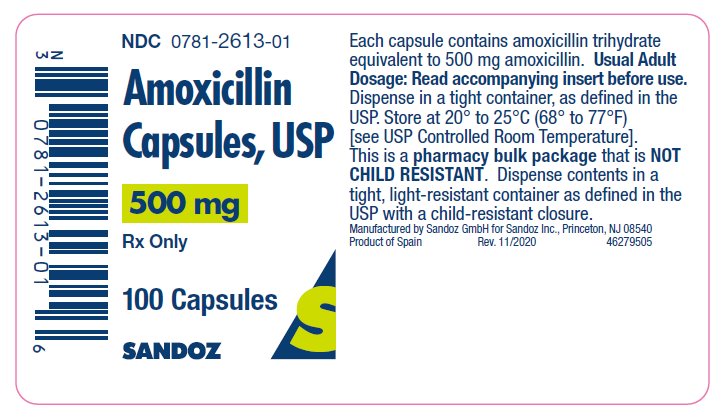
Amoxicillin: A Comprehensive Medical Guide for Patients and Professionals
Amoxicillin stands as one of the most widely prescribed antibiotics globally, a testament to its efficacy, broad spectrum of activity, and favorable safety profile. As an expert medical SEO copywriter specializing in orthopedics and general medicine, this guide aims to provide an exhaustive, authoritative resource on Amoxicillin, covering everything from its fundamental mechanism to complex clinical considerations. Understanding this medication is crucial for both healthcare providers and patients seeking to make informed decisions regarding bacterial infection treatment.
1. Introduction & Overview of Amoxicillin
Amoxicillin is a penicillin-class antibiotic, belonging to the beta-lactam family. It is a semi-synthetic derivative of penicillin, specifically designed to offer improved oral absorption and a broader spectrum of activity compared to natural penicillins. First introduced for medical use in 1972, Amoxicillin quickly became a cornerstone in the treatment of various bacterial infections affecting the respiratory tract, urinary tract, skin, and more.
Its widespread use stems from its effectiveness against a range of common bacterial pathogens, ease of administration (available in oral forms), and relatively low incidence of severe side effects. However, like all antibiotics, Amoxicillin must be used judiciously to prevent antibiotic resistance and ensure optimal patient outcomes. This guide will delve into the intricate details of Amoxicillin, serving as a definitive reference for its proper and safe utilization.
2. Deep-Dive into Technical Specifications & Mechanisms
2.1. Mechanism of Action
Amoxicillin exerts its bactericidal (bacteria-killing) effect by interfering with the synthesis of the bacterial cell wall. This mechanism is characteristic of all beta-lactam antibiotics.
- Targeting Penicillin-Binding Proteins (PBPs): Amoxicillin irreversibly binds to specific enzymes located within the bacterial cell membrane, known as Penicillin-Binding Proteins (PBPs). These PBPs are crucial for the final stages of peptidoglycan synthesis, a complex polymer that forms the rigid outer layer of the bacterial cell wall.
- Inhibition of Peptidoglycan Cross-linking: By binding to PBPs, Amoxicillin inhibits the transpeptidases (a type of PBP) responsible for cross-linking peptidoglycan strands. This cross-linking process is essential for maintaining the structural integrity and rigidity of the bacterial cell wall.
- Cell Wall Weakening and Lysis: Without proper cross-linking, the bacterial cell wall becomes weakened and unstable. This leads to an inability to withstand the high internal osmotic pressure, resulting in osmotic lysis and bacterial death.
- Bactericidal Effect: The disruption of cell wall integrity and subsequent lysis makes Amoxicillin a bactericidal agent, meaning it directly kills bacteria rather than just inhibiting their growth.
- Spectrum of Activity: Amoxicillin is effective against a broad range of Gram-positive bacteria, including many Streptococcus species (e.g., S. pneumoniae, S. pyogenes), and some Gram-negative bacteria, such as Haemophilus influenzae, Escherichia coli, Proteus mirabilis, and Salmonella species. It is susceptible to degradation by beta-lactamase enzymes produced by some bacteria, which can confer resistance.
2.2. Pharmacokinetics
Understanding how Amoxicillin is absorbed, distributed, metabolized, and excreted is vital for appropriate dosing and predicting its effects in the body.
-
Absorption:
- Rapid and Extensive: Amoxicillin is rapidly and extensively absorbed from the gastrointestinal (GI) tract after oral administration.
- Bioavailability: Its oral bioavailability is high, typically around 70-90%.
- Food Effect: Unlike some other penicillins, the absorption of Amoxicillin is not significantly affected by the presence of food, allowing it to be taken with or without meals.
- Peak Plasma Concentration: Peak plasma concentrations are usually achieved within 1 to 2 hours post-dose.
-
Distribution:
- Widespread: Amoxicillin distributes widely into most body tissues and fluids, including the lungs, tonsils, sinuses, middle ear effusions, bronchial secretions, synovial fluid, pleural fluid, and urine.
- Protein Binding: It has relatively low plasma protein binding (approximately 17-20%), meaning a larger proportion of the drug is free and pharmacologically active.
- CSF Penetration: Penetration into the cerebrospinal fluid (CSF) is generally poor in individuals with uninflamed meninges. However, in cases of meningeal inflammation (e.g., meningitis), CSF penetration is enhanced.
- Placental and Breast Milk Transfer: Amoxicillin crosses the placenta and is excreted in small amounts into breast milk.
-
Metabolism:
- Limited Metabolism: Amoxicillin undergoes limited metabolism in the liver. A small portion is metabolized to inactive penicilloic acid.
-
Excretion:
- Renal Excretion: The primary route of excretion is via the kidneys. Approximately 60-80% of an oral dose is excreted unchanged in the urine within 6-8 hours.
- Renal Mechanisms: Excretion occurs through a combination of glomerular filtration and active tubular secretion.
- Half-Life: The elimination half-life of Amoxicillin is relatively short, typically around 1 to 1.5 hours in individuals with normal renal function.
- Renal Impairment: In patients with impaired renal function, the elimination half-life is significantly prolonged, necessitating dosage adjustments to prevent accumulation and potential toxicity.
3. Extensive Clinical Indications & Usage
Amoxicillin is a versatile antibiotic indicated for the treatment of a wide array of bacterial infections. Its specific indications are based on the susceptibility of the causative organisms.
3.1. Detailed Indications
-
Respiratory Tract Infections:
- Streptococcal Pharyngitis (Strep Throat): Caused by Streptococcus pyogenes.
- Tonsillitis: Often associated with streptococcal infections.
- Sinusitis (Acute Bacterial Rhinosinusitis): Caused by S. pneumoniae, H. influenzae, M. catarrhalis.
- Otitis Media (Acute Middle Ear Infection): Common in children, caused by S. pneumoniae, H. influenzae, M. catarrhalis.
- Bronchitis: Acute exacerbations of chronic bronchitis (AECB) where bacterial infection is suspected.
- Community-Acquired Pneumonia (CAP): Often used in combination or as monotherapy depending on severity and local resistance patterns.
-
Urinary Tract Infections (UTIs):
- Cystitis: Uncomplicated UTIs caused by susceptible strains of E. coli, P. mirabilis, or Enterococcus faecalis.
- Pyelonephritis: Less commonly used for severe cases, but may be considered for mild cases with susceptible organisms.
-
Skin and Soft Tissue Infections:
- Cellulitis: Infections caused by susceptible Streptococcus species.
- Erysipelas: A superficial form of cellulitis, primarily caused by Streptococcus pyogenes.
- Abscesses: Often used in conjunction with drainage for susceptible bacterial infections.
-
Gastrointestinal Infections:
- Helicobacter pylori Eradication: Amoxicillin is a key component of multi-drug regimens (e.g., triple therapy with a proton pump inhibitor and clarithromycin or metronidazole) for treating H. pylori infection, which can cause gastritis and peptic ulcers.
-
Dental Infections:
- Dental Abscesses: Used to treat acute dental infections, often in conjunction with dental procedures.
- Prophylaxis for Dental Procedures: Recommended for prevention of infective endocarditis in patients at high risk (e.g., prosthetic heart valves, history of endocarditis, certain congenital heart defects) undergoing specific dental procedures.
-
Lyme Disease:
- Early Localized Disease: Amoxicillin is an effective treatment for early-stage Lyme disease caused by Borrelia burgdorferi, particularly in children and pregnant women.
-
Anthrax (Post-Exposure Prophylaxis):
- Used as an alternative to Ciprofloxacin or Doxycycline for post-exposure prophylaxis of inhalational anthrax caused by Bacillus anthracis.
3.2. Dosage Guidelines
Dosage of Amoxicillin varies significantly based on the patient's age, weight, renal function, severity of the infection, and the specific pathogen. It is available in various oral formulations: capsules, tablets, chewable tablets, and oral suspensions.
General Dosing Principles:
- Adults and Adolescents (>40 kg):
- Standard Dose: Typically 250 mg to 500 mg orally every 8 hours (TID) or 500 mg to 875 mg orally every 12 hours (BID).
- High Dose: For more severe infections or specific pathogens, doses up to 875 mg BID or 500 mg TID may be used.
- Pediatric Patients (<40 kg):
- Weight-Based Dosing: Dosing is usually calculated based on weight (mg/kg/day), divided into 2 or 3 doses.
- Common Range: 20-50 mg/kg/day, divided TID, up to a maximum adult dose. For specific infections like acute otitis media, higher doses (80-90 mg/kg/day) may be recommended.
- Renal Impairment:
- Dosage adjustments are necessary in patients with creatinine clearance (CrCl) <30 mL/min to prevent drug accumulation.
- CrCl 10-30 mL/min: Standard dose every 12 hours.
- CrCl <10 mL/min: Standard dose every 24 hours.
- Hemodialysis: Administer an additional dose during or after dialysis.
Examples of Common Dosages for Specific Indications:
| Indication | Adult Dosage | Pediatric Dosage (<40 kg) | Duration |
|---|---|---|---|
| Acute Otitis Media | 500 mg TID or 875 mg BID | 80-90 mg/kg/day divided BID or TID | 7-10 days |
| Streptococcal Pharyngitis | 500 mg BID or 250 mg TID | 50 mg/kg/day divided BID or TID (max 1000 mg/day) | 10 days |
| Acute Bacterial Sinusitis | 500 mg TID or 875 mg BID | 45 mg/kg/day divided BID or TID (standard) / 80-90 mg/kg/day (high dose) | 10-14 days |
| Uncomplicated UTI | 500 mg BID or 250 mg TID | 20-40 mg/kg/day divided TID | 3-7 days |
| H. pylori Eradication | 1 g BID (as part of multi-drug regimen) | Not typically recommended alone | 10-14 days |
| Dental Prophylaxis | 2 g (single dose, 30-60 min before procedure) | 50 mg/kg (single dose, 30-60 min before procedure) | Single dose |
| Early Lyme Disease | 500 mg TID | 50 mg/kg/day divided TID (max 500 mg/dose) | 14-21 days |
- Administration: Amoxicillin can be taken with or without food. Taking it with food may help minimize gastrointestinal upset.
- Completion of Course: It is critical to complete the entire prescribed course of Amoxicillin, even if symptoms improve, to ensure complete eradication of bacteria and prevent the development of antibiotic resistance.
4. Risks, Side Effects, and Contraindications
While generally well-tolerated, Amoxicillin, like all medications, carries potential risks, side effects, and contraindications.
4.1. Contraindications
- Hypersensitivity to Penicillins: The absolute contraindication is a history of severe allergic reaction (e.g., anaphylaxis, angioedema, severe rash) to Amoxicillin or any other penicillin antibiotic.
- Hypersensitivity to Other Beta-Lactam Antibiotics: Cross-reactivity can occur with other beta-lactam antibiotics (e.g., cephalosporins), especially first-generation cephalosporins. Caution is advised.
- Infectious Mononucleosis: Patients with infectious mononucleosis treated with Amoxicillin (or other aminopenicillins like Ampicillin) have a very high incidence (70-90%) of developing a non-allergic, maculopapular rash. While not a true allergy, it can be confused with one and is best avoided.
4.2. Common Side Effects
Most side effects are mild and transient.
- Gastrointestinal (GI):
- Nausea
- Vomiting
- Diarrhea (most common, ranging from mild to severe)
- Abdominal pain
- Skin:
- Rash (maculopapular, often non-allergic, especially common in viral infections or mononucleosis)
- Urticaria (hives)
4.3. Serious or Rare Side Effects
- Allergic Reactions:
- Anaphylaxis: A life-threatening severe allergic reaction (difficulty breathing, swelling of face/throat, rapid heart rate, severe hypotension). Requires immediate medical attention.
- Angioedema: Swelling beneath the skin, often around the face, lips, tongue, or throat.
- Stevens-Johnson Syndrome (SJS) / Toxic Epidermal Necrolysis (TEN): Severe, rare skin reactions characterized by widespread blistering and skin peeling.
- Drug Reaction with Eosinophilia and Systemic Symptoms (DRESS) syndrome: A rare but severe hypersensitivity reaction involving multiple organs.
- Gastrointestinal:
- Clostridioides difficile-associated diarrhea (CDAD): Can range from mild diarrhea to life-threatening pseudomembranous colitis. Can occur during or several weeks after antibiotic treatment.
- Hematologic:
- Anemia (hemolytic anemia)
- Thrombocytopenia (low platelet count)
- Leukopenia (low white blood cell count)
- Eosinophilia (increased eosinophils)
- Hepatic:
- Elevated liver enzymes (transaminases)
- Cholestatic jaundice
- Hepatitis (rare)
- Renal:
- Interstitial nephritis (inflammation of the kidney tubules)
- Crystalluria (presence of crystals in urine, especially with high doses and inadequate hydration)
- Central Nervous System (CNS):
- Headache
- Dizziness
- Insomnia
- Agitation
- Seizures: Especially with very high doses or in patients with impaired renal function, or pre-existing seizure disorders.
4.4. Drug Interactions
Amoxicillin can interact with several other medications, potentially altering their effects or increasing the risk of side effects.
- Probenecid: This gout medication inhibits renal tubular secretion of Amoxicillin, leading to higher and more prolonged plasma concentrations of Amoxicillin. This interaction is sometimes exploited therapeutically (e.g., in some gonorrhea treatments).
- Anticoagulants (e.g., Warfarin): Amoxicillin may alter gut flora, potentially reducing Vitamin K synthesis and affecting the metabolism of warfarin, leading to an increased INR and risk of bleeding. Close monitoring of INR is recommended.
- Oral Contraceptives: While the evidence is debated and generally considered minor, some studies suggest that broad-spectrum antibiotics like Amoxicillin might reduce the efficacy of oral contraceptives by interfering with enterohepatic recirculation of estrogen. Patients should be advised to use a backup method of contraception.
- Methotrexate: Amoxicillin can reduce the renal clearance of methotrexate, potentially increasing methotrexate plasma concentrations and toxicity.
- Allopurinol: Concomitant use of allopurinol (for gout) with Amoxicillin may increase the incidence of skin rash, particularly in patients with hyperuricemia.
- Tetracyclines, Chloramphenicol, Macrolides, Sulfonamides: These are bacteriostatic antibiotics that inhibit bacterial growth. Theoretically, they could interfere with the bactericidal action of Amoxicillin (which requires actively growing bacteria for cell wall synthesis inhibition). While clinically significant antagonism is rare, it's generally advisable to avoid concomitant use.
- Typhoid Vaccine (Live Oral): Amoxicillin can inactivate the live bacteria in the oral typhoid vaccine, reducing its effectiveness. Avoid taking the vaccine within a few days of Amoxicillin.
4.5. Pregnancy and Lactation Warnings
- Pregnancy: Amoxicillin is classified as Pregnancy Category B. Animal reproduction studies have not demonstrated a risk to the fetus, and there are no adequate and well-controlled studies in pregnant women. It is generally considered safe for use during pregnancy when clearly needed, and often preferred over other antibiotics for certain infections in pregnant patients (e.g., UTIs, Lyme disease).
- Lactation (Breastfeeding): Amoxicillin is excreted in small quantities into human breast milk. While generally considered compatible with breastfeeding, potential risks to the infant include:
- Diarrhea
- Thrush (oral candidiasis)
- Sensitization (potential for allergic reaction later)
- Interference with gut flora.
The benefits of breastfeeding should be weighed against the potential risks. Monitoring the infant for GI upset or rash is advisable.
4.6. Overdose Management
Overdose with Amoxicillin is rare and usually not life-threatening.
- Symptoms:
- Primarily gastrointestinal symptoms: Nausea, vomiting, severe diarrhea.
- Electrolyte imbalance (due to severe vomiting/diarrhea).
- Crystalluria: In cases of massive overdose, especially with intravenous administration or in patients with impaired renal function and inadequate hydration, Amoxicillin crystals may form in the urine, potentially leading to renal failure.
- Neurological effects: Very high doses, particularly in patients with renal impairment or pre-existing CNS disorders, can lead to seizures.
- Treatment:
- Symptomatic and Supportive Care: Management is primarily supportive. Focus on maintaining hydration and electrolyte balance.
- Activated Charcoal: May be considered within the first hour of ingestion to reduce absorption, although its efficacy for Amoxicillin is not well-established.
- Gastric Lavage: Rarely indicated.
- Fluid Administration: Ensure adequate fluid intake to promote urinary excretion and prevent crystalluria.
- Hemodialysis: Amoxicillin can be effectively removed from the circulation by hemodialysis. This may be considered in severe overdose, especially in patients with renal failure or significant neurological symptoms. Peritoneal dialysis is less effective.
5. Massive FAQ Section
Here are some frequently asked questions about Amoxicillin:
Q1: What type of antibiotic is Amoxicillin?
A1: Amoxicillin is a penicillin-class, beta-lactam antibiotic. It is a broad-spectrum antibiotic, meaning it is effective against a wide range of both Gram-positive and some Gram-negative bacteria.
Q2: Can Amoxicillin treat viral infections?
A2: No, Amoxicillin is an antibacterial medication and is only effective against bacterial infections. It will not work for viral infections like the common cold, flu, or COVID-19. Using antibiotics for viral infections contributes to antibiotic resistance.
Q3: How long does Amoxicillin take to work?
A3: You might start feeling better within 24-48 hours of starting Amoxicillin, as the antibiotic begins to reduce the bacterial load. However, it's crucial to complete the entire prescribed course, even if your symptoms improve, to ensure the infection is fully eradicated and prevent recurrence or resistance.
Q4: What should I do if I miss a dose of Amoxicillin?
A4: If you miss a dose, take it as soon as you remember. If it's almost time for your next scheduled dose, skip the missed dose and continue with your regular dosing schedule. Do not take a double dose to make up for a missed one. Consult your doctor or pharmacist if you are unsure.
Q5: Can I drink alcohol while taking Amoxicillin?
A5: Generally, moderate alcohol consumption is not known to have a direct negative interaction with Amoxicillin itself. However, alcohol can exacerbate some side effects of Amoxicillin, such as nausea, vomiting, and dizziness. Alcohol can also weaken your immune system and hinder your body's ability to fight off infection, so it's often advisable to avoid alcohol while you are unwell and taking antibiotics.
Q6: What are the signs of an allergic reaction to Amoxicillin?
A6: Signs of an allergic reaction can range from mild to severe. Mild reactions include hives (itchy, raised welts) or a rash. More severe reactions (anaphylaxis) include difficulty breathing, wheezing, swelling of the face, lips, tongue, or throat, rapid heartbeat, severe dizziness, or fainting. If you experience any signs of a severe allergic reaction, seek immediate medical attention.
Q7: Is Amoxicillin safe for children?
A7: Yes, Amoxicillin is commonly prescribed and considered safe for children when used appropriately and dosed correctly based on their weight and the specific infection. It is a first-line treatment for many common pediatric infections, such as acute otitis media and strep throat.
Q8: Does Amoxicillin interact with birth control?
A8: The evidence on whether Amoxicillin significantly reduces the effectiveness of oral contraceptives is mixed and largely debated, with many experts suggesting the risk is very low. However, some healthcare providers still recommend using a backup method of contraception (like condoms) while taking Amoxicillin and for a short period afterward, just to be cautious. Discuss this with your doctor or pharmacist.
Q9: How should Amoxicillin be stored?
A9: Amoxicillin tablets and capsules should be stored at room temperature, away from moisture and direct light. Liquid suspensions often require refrigeration to maintain effectiveness and taste, and typically have a shorter shelf life (e.g., 14 days) once reconstituted. Always check the specific storage instructions on your prescription label or package insert.
Q10: What is the difference between Amoxicillin and Amoxicillin-Clavulanate?
A10: Amoxicillin-Clavulanate (e.g., Augmentin) is a combination medication that contains Amoxicillin and clavulanic acid. Clavulanic acid is a beta-lactamase inhibitor. It doesn't have antibiotic activity itself but protects Amoxicillin from degradation by beta-lactamase enzymes produced by certain bacteria. This combination extends Amoxicillin's spectrum of activity to include beta-lactamase-producing resistant bacteria that Amoxicillin alone would not be able to treat.
Q11: Can Amoxicillin cause yeast infections?
A11: Yes, Amoxicillin, like other broad-spectrum antibiotics, can disrupt the natural balance of bacteria in the body, including beneficial bacteria that keep yeast (Candida) in check. This can lead to an overgrowth of yeast, resulting in oral thrush (in the mouth) or vaginal yeast infections in women.
Q12: Is Amoxicillin effective for tooth infections?
A12: Yes, Amoxicillin is commonly used to treat bacterial tooth infections (dental abscesses) and other oral infections. It helps to reduce the bacterial load and inflammation, but it's often used in conjunction with dental procedures like drainage or root canal therapy to fully resolve the infection.
This comprehensive guide provides a deep understanding of Amoxicillin, empowering patients and healthcare professionals with the knowledge to utilize this essential antibiotic effectively and safely. Always consult with a qualified healthcare provider for diagnosis and treatment recommendations.