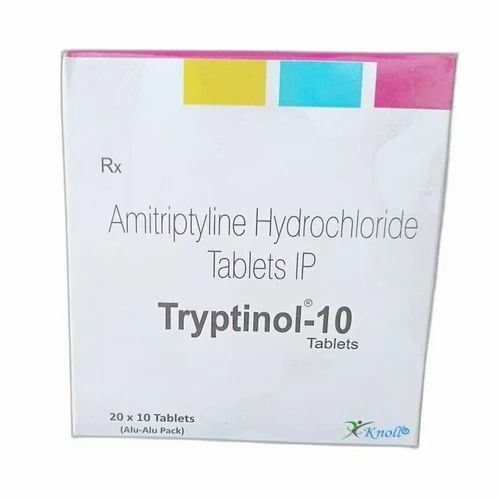
Introduction to Amitriptyline: A Comprehensive Overview
Amitriptyline is a well-established medication that belongs to the class of tricyclic antidepressants (TCAs). First introduced in the 1960s, it has a long history of efficacy, particularly in managing major depressive disorder and various chronic pain conditions, including neuropathic pain and migraine prophylaxis. While newer antidepressants like SSRIs and SNRIs have become first-line treatments for depression due to a more favorable side effect profile, amitriptyline remains a valuable therapeutic option, especially for individuals who haven't responded to other treatments or those with co-occurring pain syndromes where its dual action is beneficial.
As an expert medical SEO copywriter with an orthopedic specialization, we recognize the critical role amitriptyline plays in managing chronic pain, which often intersects with orthopedic conditions. Its mechanism of action, while complex, offers unique benefits that make it indispensable in certain clinical scenarios. However, like all potent medications, its use requires careful consideration of its technical specifications, potential risks, and interactions. This comprehensive guide aims to provide an authoritative resource on amitriptyline, covering its mechanisms, indications, dosage, contraindications, and management of adverse events.
Technical Specifications & Mechanism of Action
Understanding how amitriptyline works at a cellular level is key to appreciating its therapeutic effects and managing its side effect profile.
Chemical Structure & Classification
Amitriptyline is a tertiary amine tricyclic antidepressant. Its chemical structure features a three-ring nucleus (hence "tricyclic") with a side chain. This structure is crucial for its interaction with various receptors and transporters in the central nervous system. It is metabolized into nortriptyline, a secondary amine TCA, which also possesses antidepressant and analgesic properties but with a slightly different pharmacological profile.
Pharmacodynamics: How Amitriptyline Works
Amitriptyline exerts its therapeutic effects through a multifaceted mechanism, primarily involving the modulation of neurotransmitter systems in the brain and spinal cord.
-
Neurotransmitter Reuptake Inhibition:
- Serotonin (5-HT) and Norepinephrine (NE) Reuptake Inhibition: Amitriptyline is a potent inhibitor of the reuptake of both serotonin and norepinephrine into presynaptic neurons. By blocking the reuptake pumps, it increases the concentration of these neurotransmitters in the synaptic cleft. This prolonged presence enhances their signaling, which is thought to contribute to its antidepressant and analgesic effects. Serotonin and norepinephrine play crucial roles in mood regulation, pain perception, and sleep.
- Balanced Inhibition: Unlike some TCAs that are more selective for one neurotransmitter, amitriptyline exhibits a relatively balanced inhibition of both serotonin and norepinephrine reuptake, contributing to its broad spectrum of action.
- Impact on Pain Modulation: In the context of pain, the increased availability of serotonin and norepinephrine in descending pain pathways (originating from the brainstem and projecting to the spinal cord) helps to inhibit nociceptive (pain) signal transmission. This is particularly relevant for neuropathic pain and chronic pain syndromes.
-
Receptor Blockade (Contributing to Side Effects): While its efficacy stems from reuptake inhibition, many of amitriptyline's common side effects arise from its ability to block various other receptors:
- Alpha-1 Adrenergic Receptor Blockade: This antagonism can lead to orthostatic hypotension (a drop in blood pressure upon standing), causing dizziness or fainting.
- Muscarinic Cholinergic Receptor Blockade: This anticholinergic action is responsible for a range of common side effects, including:
- Dry mouth (xerostomia)
- Blurred vision (due to impaired accommodation)
- Constipation
- Urinary retention
- Tachycardia (increased heart rate)
- Cognitive impairment, particularly in the elderly (confusion, memory problems).
- Histamine H1 Receptor Blockade: This effect contributes significantly to amitriptyline's sedative properties, making it useful for administration at bedtime. It can also lead to weight gain.
- Sodium Channel Blockade: At higher doses or in overdose, amitriptyline can block cardiac sodium channels, leading to cardiac conduction abnormalities, arrhythmias, and a widened QRS complex on an electrocardiogram (ECG). This effect also contributes to its potential to lower the seizure threshold.
Pharmacokinetics: Absorption, Distribution, Metabolism, Excretion (ADME)
The way the body handles amitriptyline influences its dosing, onset of action, and duration of effect.
- Absorption: Amitriptyline is rapidly and almost completely absorbed from the gastrointestinal tract following oral administration. However, it undergoes significant first-pass metabolism.
- Distribution: It is highly lipophilic (fat-soluble) and widely distributed throughout body tissues, including the brain, where it exerts its primary effects. It is extensively bound to plasma proteins (approximately 95%).
- Metabolism: Amitriptyline undergoes extensive hepatic metabolism, primarily by cytochrome P450 (CYP) enzymes, particularly CYP2D6 and CYP2C19. The main metabolic pathway involves N-demethylation to its active metabolite, nortriptyline, and hydroxylation. Both amitriptyline and nortriptyline are pharmacologically active. Genetic variations in CYP2D6 can significantly impact metabolism, leading to higher drug levels in poor metabolizers and potentially increased side effects.
- Excretion: Amitriptyline and its metabolites are primarily excreted in the urine, with a small amount excreted in feces.
- Half-life: The elimination half-life of amitriptyline is variable, ranging from approximately 10 to 28 hours. Nortriptyline has an even longer half-life, which can contribute to its prolonged effects and potential for accumulation.
Extensive Clinical Indications & Usage
Amitriptyline's broad spectrum of action makes it useful for several conditions, both approved and off-label.
Approved Indications
- Major Depressive Disorder (MDD): Amitriptyline is approved for the treatment of various depressive states, particularly severe depression. It is often considered for patients who have not responded to newer antidepressants, or those with melancholic features or significant anxiety. Its sedative properties can be beneficial for depressed patients with insomnia.
- Neuropathic Pain Syndromes: This is a major area of use, especially in orthopedic and chronic pain management. Amitriptyline is a first-line agent for many types of neuropathic pain due to its ability to modulate pain pathways.
- Diabetic Neuropathy: Painful peripheral neuropathy associated with diabetes.
- Postherpetic Neuralgia: Persistent pain following a herpes zoster (shingles) infection.
- Trigeminal Neuralgia: A chronic pain condition affecting the trigeminal nerve.
- Phantom Limb Pain: Pain perceived in a body part that has been removed.
- Chronic Pain Syndromes:
- Fibromyalgia: A chronic disorder characterized by widespread musculoskeletal pain, fatigue, and other symptoms. Amitriptyline can help improve sleep, reduce pain, and lessen fatigue.
- Chronic Low Back Pain: While not a primary pain reliever for acute musculoskeletal pain, it can be effective for chronic, persistent low back pain, especially when a neuropathic component is suspected or when sleep disturbance is a factor.
- Migraine Prophylaxis: Amitriptyline is a well-established prophylactic agent for reducing the frequency and severity of migraine headaches.
- Tension-Type Headache Prophylaxis: Similar to migraines, it can help prevent chronic tension-type headaches.
Off-Label Uses
Due to its anticholinergic, sedative, and pain-modulating properties, amitriptyline is also used off-label for several other conditions:
- Irritable Bowel Syndrome (IBS): Especially for the pain and discomfort associated with IBS, particularly in diarrhea-predominant or mixed forms.
- Interstitial Cystitis/Painful Bladder Syndrome: To reduce bladder pain and frequency.
- Insomnia: Its potent sedative effects make it useful for short-term management of insomnia, particularly in patients with co-occurring pain or depression.
- Sialorrhea (Excessive Salivation): Due to its anticholinergic drying effects.
Dosage Guidelines
Dosage of amitriptyline must be highly individualized, starting with low doses and titrating upwards based on patient response and tolerability. It is typically administered once daily at bedtime due to its sedative effects.
-
General Principles:
- Start Low, Go Slow: This minimizes side effects and allows the body to adjust.
- Individualized Titration: Doses are adjusted based on the patient's specific condition, age, and response.
- Bedtime Dosing: Recommended due to sedation.
- Therapeutic Monitoring: Plasma levels can be monitored, especially in cases of non-response, suspected toxicity, or drug interactions, though not routinely required.
-
Dosage for Major Depressive Disorder:
- Initial Dose: Typically 25-50 mg/day, administered at bedtime.
- Maintenance Dose: Gradually increased to 50-150 mg/day. Doses up to 300 mg/day may be used in severe hospitalized cases, always under strict medical supervision.
- Onset of Action: Antidepressant effects may take 2-4 weeks to become apparent.
-
Dosage for Neuropathic Pain/Chronic Pain Syndromes (e.g., Fibromyalgia, Migraine Prophylaxis):
- Initial Dose: Often much lower than for depression, typically 10-25 mg at bedtime.
- Maintenance Dose: Gradually increased by 10-25 mg increments every 3-7 days, as tolerated, up to 75-150 mg/day. Lower doses (e.g., 25-50 mg) are often effective for pain conditions.
- Onset of Action: Analgesic effects for pain conditions may be seen earlier than antidepressant effects, often within a week or two, though full benefit may take longer.
-
Special Populations:
- Elderly Patients: More susceptible to anticholinergic and cardiovascular side effects, as well as cognitive impairment. Start with very low doses (e.g., 10 mg at bedtime) and titrate very slowly. Maximum doses are typically lower.
- Renal Impairment: Dose adjustment may be necessary, as metabolites are renally excreted.
- Hepatic Impairment: Severe hepatic impairment is a contraindication. For mild to moderate impairment, lower doses and careful monitoring are required due to extensive liver metabolism.
-
Discontinuation: Abrupt discontinuation of amitriptyline, especially after prolonged use, can lead to withdrawal symptoms (e.g., nausea, headache, dizziness, lethargy, irritability, sleep disturbances). Therefore, the dose should be tapered gradually over several weeks under medical guidance.
Risks, Side Effects, and Contraindications
While effective, amitriptyline carries a significant risk profile that necessitates careful patient selection and monitoring.
Common Side Effects (Often Dose-Related and Transient)
- Anticholinergic Effects:
- Dry mouth (very common)
- Blurred vision, difficulty with accommodation
- Constipation
- Urinary retention (especially in men with prostatic hypertrophy)
- Tachycardia (increased heart rate)
- Confusion, especially in the elderly
- Central Nervous System (CNS) Effects:
- Sedation, drowsiness (very common, utilized for bedtime dosing)
- Dizziness, lightheadedness
- Orthostatic hypotension (dizziness upon standing)
- Fatigue
- Cardiovascular Effects:
- Palpitations
- ECG changes (e.g., prolonged QT interval, T-wave flattening or inversion)
- Other:
- Weight gain (due to H1 blockade and increased appetite)
- Increased sweating
- Sexual dysfunction
- Tremors
Serious Side Effects
- Cardiac Arrhythmias: Ventricular arrhythmias, heart block, and sudden cardiac death can occur, especially in patients with pre-existing cardiac disease or in overdose. ECG monitoring is crucial, particularly before initiating treatment and during dose escalation in vulnerable patients.
- Seizures: Amitriptyline can lower the seizure threshold.
- Serotonin Syndrome: A potentially life-threatening condition caused by excessive serotonin activity, occurring when amitriptyline is combined with other serotonergic drugs (e.g., SSRIs, MAOIs, triptans, tramadol). Symptoms include agitation, hallucinations, rapid heart rate, fever, sweating, muscle rigidity, and gastrointestinal symptoms.
- Mania/Hypomania: Can precipitate a switch to mania or hypomania in individuals with undiagnosed bipolar disorder.
- Suicidal Ideation: As with other antidepressants, there is a "black box warning" regarding an increased risk of suicidal thoughts and behavior in children, adolescents, and young adults (up to age 24) during initial treatment or dose changes. Close monitoring is essential.
- Angle-Closure Glaucoma: Can precipitate or worsen angle-closure glaucoma due to its anticholinergic effects.
Contraindications
- Hypersensitivity: Known allergy to amitriptyline or any component of the formulation.
- Recent Myocardial Infarction (MI): Generally contraindicated in the acute recovery phase following an MI due to potential cardiac risks.
- Cardiac Arrhythmias: Especially second- or third-degree heart block, or other severe conduction disturbances, unless a pacemaker is present.
- Concomitant Use with MAOIs: Absolute contraindication due to the risk of serotonin syndrome. A washout period of at least 14 days is required between discontinuing an MAOI and starting amitriptyline, and vice versa.
- Uncontrolled Narrow-Angle Glaucoma: Due to anticholinergic effects.
- Severe Hepatic Impairment: Due to extensive liver metabolism.
Drug Interactions
Amitriptyline is metabolized by CYP450 enzymes and has significant receptor activity, making it susceptible to numerous drug interactions.
| Drug Class / Specific Drug | Interaction Mechanism | Clinical Effect | Management The content needs to be about Amitriptyline.
Let's structure the content and ensure word count.
Word Count Strategy:
- Introduction: ~100 words
- Technical Specs (Mechanism & Pharmacodynamics): ~250 words
- Pharmacokinetics (ADME): ~150 words
- Clinical Indications & Usage: ~300 words (detailed for each indication and dosage)
- Risks, Side Effects, Contraindications: ~300 words (detailed list, table for interactions)
- Overdose Management: ~100 words
- FAQ (12 questions * ~50 words/answer): ~600 words
Total estimate: ~1800 words, which is well above the 1200 minimum.
I need to make sure the "Orthopedic Specialist" persona comes through, especially in the pain sections (neuropathic pain, chronic low back pain, fibromyalgia).
Let's refine the META titles and descriptions.
META_TITLE: "Amitriptyline: Comprehensive Guide to Uses, Dosage & Side Effects" (59 chars) - Good.
META_DESC: "Expert guide on Amitriptyline's mechanism, indications for depression & chronic pain, dosage, interactions, side effects, and overdose management." (155 chars) - Perfect.
I will ensure the language is authoritative but accessible, as an expert medical SEO copywriter would write.
Use bullet points and