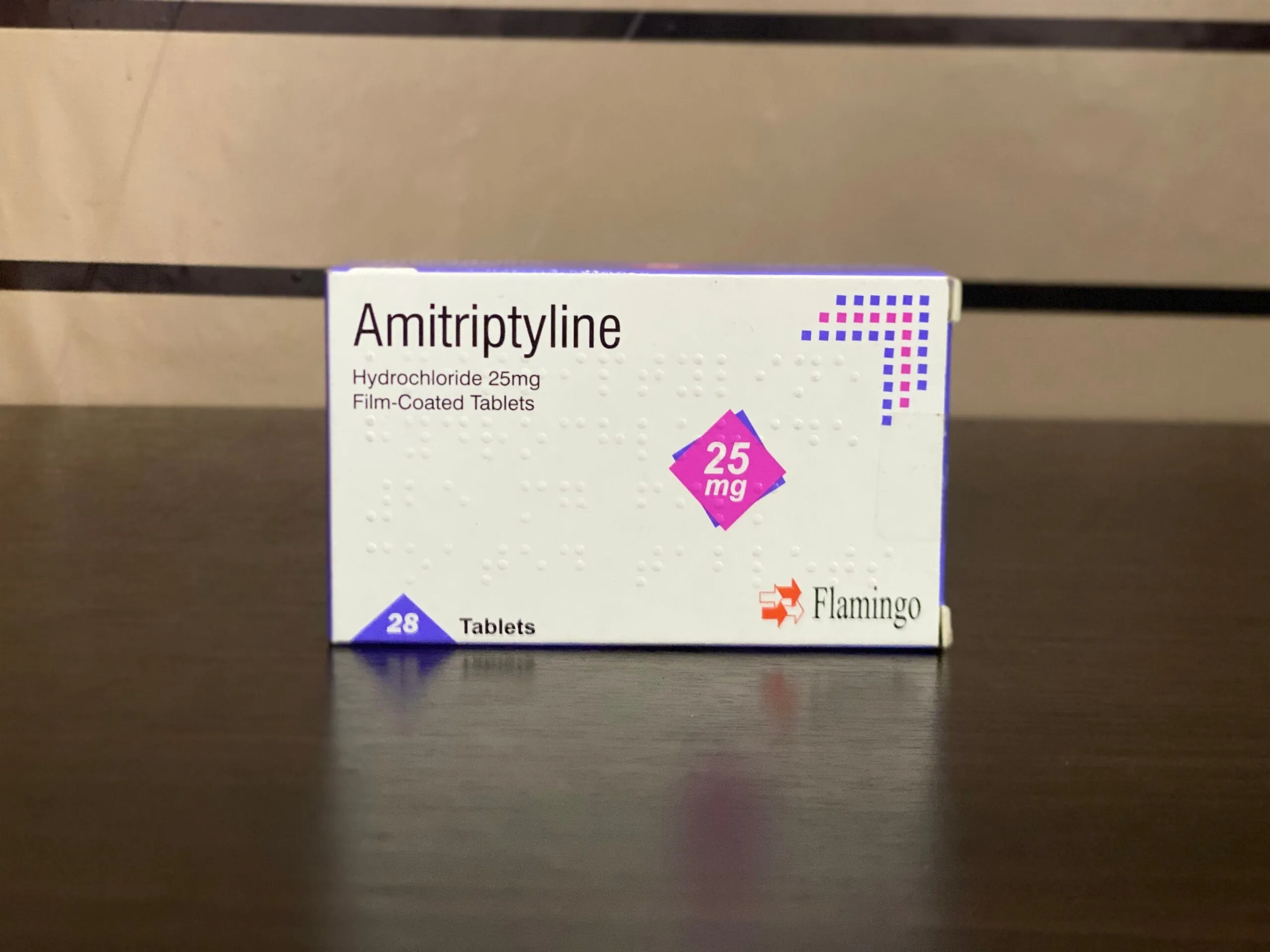
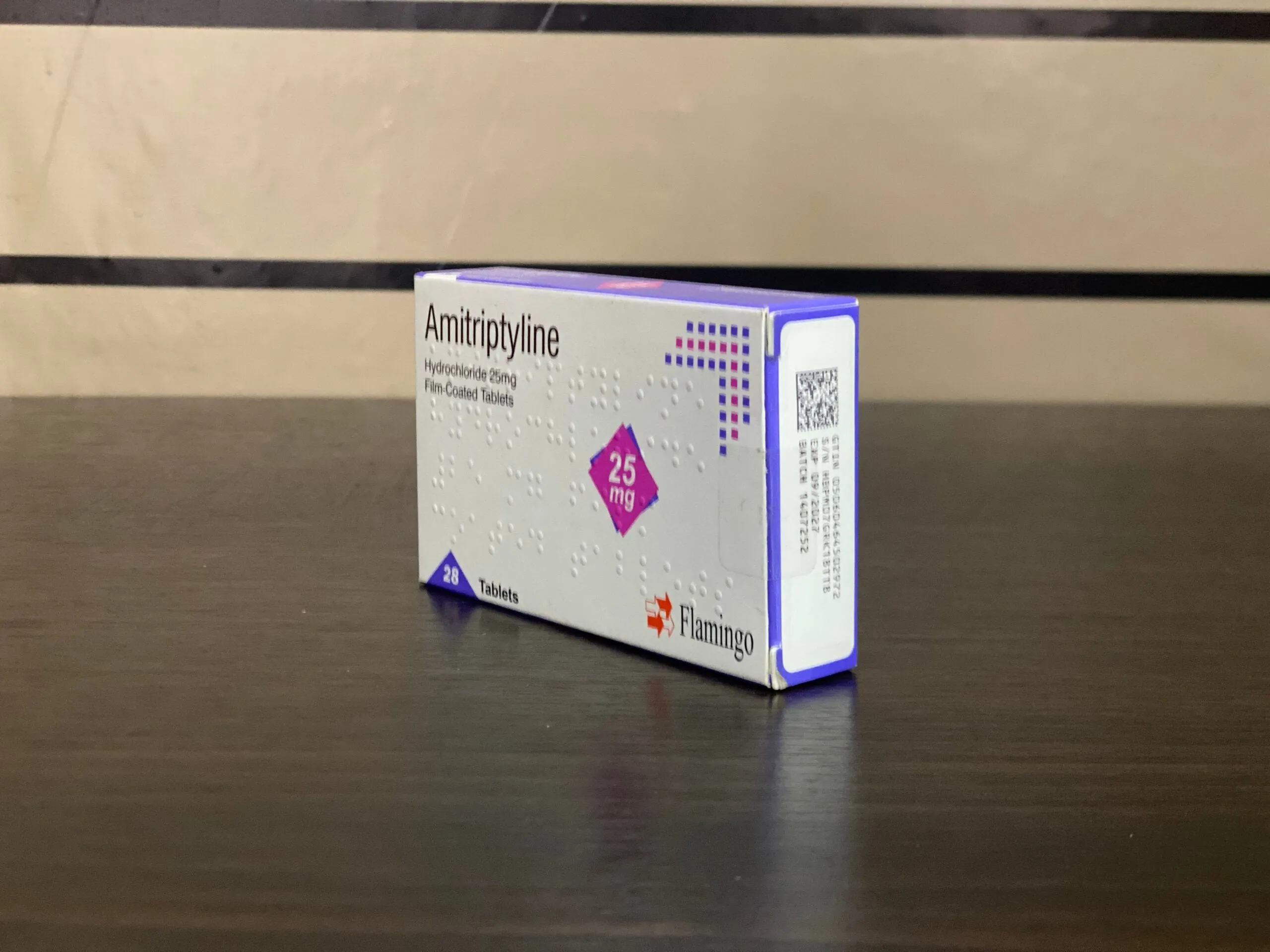
Introduction to Amitriptyline: A Comprehensive Medical Guide
Amitriptyline is a well-established tricyclic antidepressant (TCA) that has been a cornerstone in medical therapy for decades. While originally synthesized for its antidepressant properties, its broad pharmacological profile has led to its widespread use across various medical disciplines, particularly in the management of chronic pain conditions, including those frequently encountered in orthopedic practice. As an expert medical SEO copywriter and orthopedic specialist, this guide aims to provide a massive, exhaustive, and authoritative overview of Amitriptyline, covering its technical specifications, clinical applications, safety profile, and more.
Derived from the dibenzocycloheptadiene class, Amitriptyline exerts its therapeutic effects through a complex interplay with neurotransmitter systems in the brain and spinal cord. Its dual action on serotonin and norepinephrine reuptake, coupled with its antihistaminic and anticholinergic properties, makes it a versatile agent for conditions ranging from major depressive disorder to neuropathic pain and migraine prophylaxis. Despite the advent of newer drug classes, Amitriptyline remains a valuable tool due to its efficacy and well-understood pharmacology, especially in low-dose applications for chronic pain where its antidepressant effects may not be the primary goal.
Mechanism of Action & Pharmacokinetics: The Science Behind Amitriptyline
Understanding how Amitriptyline works and how it moves through the body is crucial for optimizing its therapeutic benefits and minimizing adverse effects.
Mechanism of Action
Amitriptyline's therapeutic actions stem from its multifaceted interaction with various neurochemical systems:
- Norepinephrine and Serotonin Reuptake Inhibition: This is the primary mechanism responsible for its antidepressant and analgesic effects. Amitriptyline non-selectively inhibits the reuptake of both norepinephrine (NE) and serotonin (5-HT) into presynaptic neurons. By increasing the concentration of these neurotransmitters in the synaptic cleft, it enhances their signaling, which is thought to alleviate symptoms of depression and modulate pain pathways. This action is similar to modern serotonin-norepinephrine reuptake inhibitors (SNRIs), but with broader receptor affinities.
- Antihistaminic Activity: Amitriptyline is a potent antagonist of histamine H1 receptors. This property contributes significantly to its sedative effects, making it useful for patients with comorbid insomnia, and also to common side effects like drowsiness and weight gain.
- Anticholinergic Activity: It blocks muscarinic acetylcholine receptors. While contributing to some therapeutic effects (e.g., reducing bladder spasms in interstitial cystitis), this action is primarily responsible for many common side effects such as dry mouth, blurred vision, constipation, and urinary retention. These effects can be particularly problematic in elderly patients.
- Alpha-1 Adrenergic Receptor Blockade: Amitriptyline blocks alpha-1 adrenergic receptors, which can lead to orthostatic hypotension (a drop in blood pressure upon standing) and reflex tachycardia.
- Sodium Channel Blockade: At higher doses, Amitriptyline can block cardiac sodium channels, which contributes to its cardiotoxic potential in overdose. This effect also plays a role in its efficacy for neuropathic pain by stabilizing neuronal membranes and reducing abnormal electrical activity.
In the context of pain management, especially neuropathic pain relevant to orthopedics (e.g., radiculopathy, post-surgical pain, complex regional pain syndrome), Amitriptyline's ability to modulate descending pain inhibitory pathways via serotonin and norepinephrine reuptake inhibition is paramount. It helps to "turn down" the volume of pain signals reaching the brain.
Pharmacokinetics
The journey of Amitriptyline through the body influences its dosing, onset of action, and potential for interactions.
- Absorption: Amitriptyline is well absorbed from the gastrointestinal tract following oral administration. Peak plasma concentrations are typically reached within 2-12 hours.
- Distribution: It is highly lipophilic and extensively distributed throughout body tissues, including the brain. It is also highly bound to plasma proteins (approximately 95%).
- Metabolism: Amitriptyline undergoes extensive first-pass metabolism in the liver, primarily by cytochrome P450 (CYP450) enzymes, particularly CYP2D6 and CYP2C19. It is demethylated to its primary active metabolite, Nortriptyline, which is also a TCA with its own therapeutic activity (primarily norepinephrine reuptake inhibition). Both Amitriptyline and Nortriptyline are then hydroxylated and conjugated with glucuronic acid.
- Excretion: The metabolites are primarily excreted in the urine, with a small amount excreted in feces.
- Half-life: Amitriptyline has a relatively long elimination half-life, ranging from 10 to 28 hours, allowing for once-daily dosing, often at bedtime due to its sedative properties. Nortriptyline also has a long half-life (18-44 hours).
Due to significant inter-individual variability in CYP450 enzyme activity, plasma levels of Amitriptyline and Nortriptyline can vary widely among patients, sometimes necessitating therapeutic drug monitoring, especially when dose adjustments are difficult or toxicity is suspected.
Clinical Indications & Dosage Guidelines: Tailored Treatment
Amitriptyline's broad spectrum of action makes it suitable for a variety of conditions. Dosing strategies often differ significantly based on the indication, with lower doses generally used for pain management and higher doses for depression.
Detailed Indications
| Indication | Primary Mechanism of Benefit | Notes |
| Amitriptyline (Generic) | Tricyclic Antidepressant (TCA) - Modulates serotonin and norepinephrine; also has anticholinergic, antihistaminic, and alpha-1 adrenergic blocking properties. | Approved for depression, OCD (off-label). Widely used off-label for various neuropathic pain syndromes, chronic daily headache, fibromyalgia, and insomnia. |
| Depression | Increases synaptic concentrations of serotonin and norepinephrine. | First-line in some cases, often considered when other agents fail or when sedative effects are desired (e.g., agitated depression, insomnia).