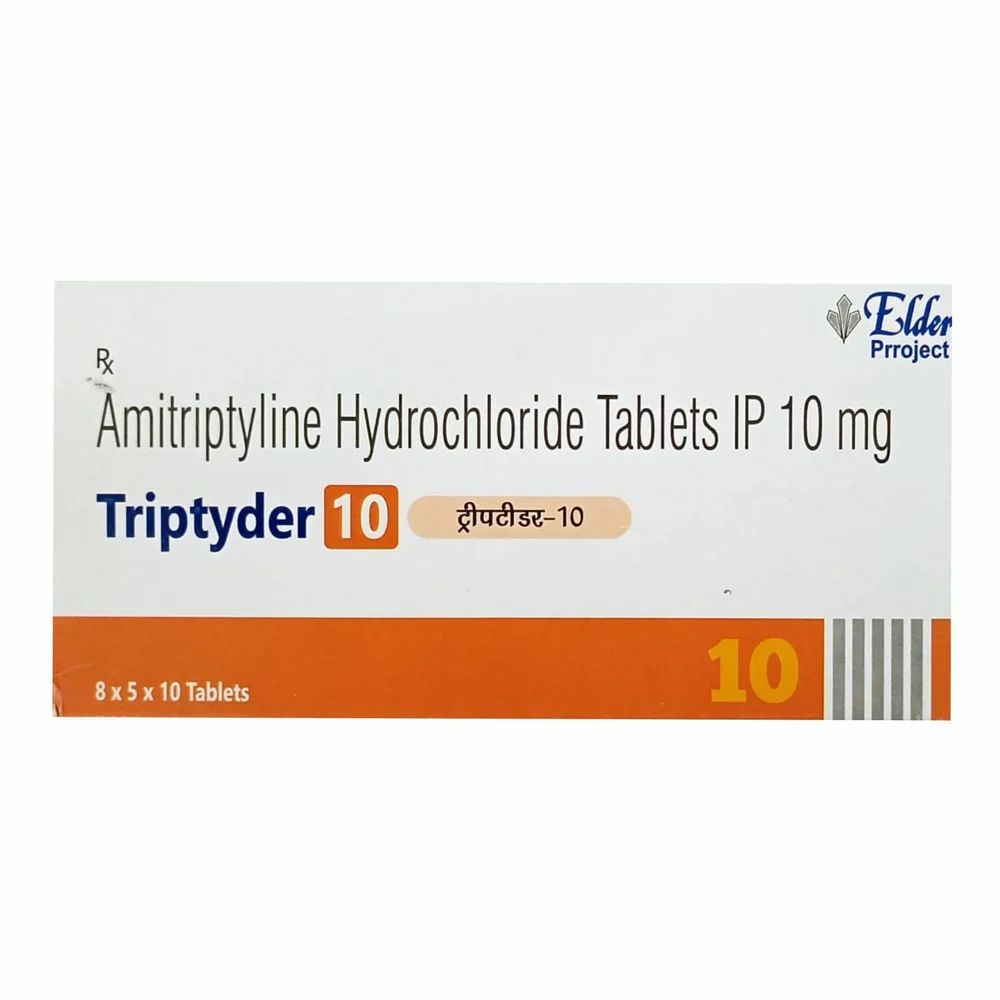
Amitriptyline: A Comprehensive Medical SEO Guide
Amitriptyline is a well-established tricyclic antidepressant (TCA) that has been a cornerstone in both psychiatric and pain management for decades. While initially developed to treat major depressive disorder, its unique pharmacological profile has made it invaluable in managing a wide array of conditions, particularly chronic neuropathic pain, migraine prophylaxis, and certain sleep disturbances. This exhaustive guide aims to provide a deep dive into Amitriptyline, covering its technical aspects, clinical applications, safety profile, and practical considerations for both patients and healthcare providers.
What is Amitriptyline?
Amitriptyline belongs to the class of tricyclic antidepressants. It works by affecting certain neurotransmitters in the brain, primarily serotonin and norepinephrine, which play crucial roles in mood regulation, pain perception, and sleep cycles. Its broad spectrum of action, while contributing to its efficacy, also necessitates a thorough understanding of its potential side effects and interactions.
Deep-Dive into Technical Specifications & Mechanisms
Understanding how Amitriptyline works at a cellular level is key to appreciating its diverse therapeutic applications and potential side effects.
Mechanism of Action
Amitriptyline exerts its therapeutic effects through a complex interplay with several neurotransmitter systems:
- Norepinephrine (NE) and Serotonin (5-HT) Reuptake Inhibition: This is the primary mechanism underlying its antidepressant and analgesic effects. Amitriptyline blocks the reuptake of both NE and 5-HT into presynaptic neurons, thereby increasing their concentrations in the synaptic cleft.
- Increased NE and 5-HT in the brain are associated with improved mood and a reduction in depressive symptoms.
- Inhibition of reuptake also modulates descending pain pathways in the spinal cord, leading to its efficacy in neuropathic pain conditions.
- Anticholinergic Effects (Muscarinic Receptor Blockade): Amitriptyline strongly blocks muscarinic acetylcholine receptors. This contributes to common side effects such as dry mouth, blurred vision, constipation, urinary retention, and cognitive impairment, particularly in the elderly.
- Antihistaminic Effects (H1 Receptor Blockade): Amitriptyline is a potent antagonist of histamine H1 receptors. This action is responsible for its prominent sedative properties, making it useful for insomnia, but also contributing to drowsiness as a side effect. It may also contribute to weight gain.
- Alpha-1 Adrenergic Receptor Blockade: Amitriptyline blocks alpha-1 adrenergic receptors, which can lead to orthostatic hypotension (a drop in blood pressure upon standing) and reflex tachycardia.
- Sodium Channel Blockade: While less prominent than its reuptake inhibition, Amitriptyline also exhibits some sodium channel blocking activity. This contributes to its analgesic effects, particularly in neuropathic pain, and can also be implicated in cardiac toxicity in overdose.
Pharmacokinetics
The journey of Amitriptyline through the body is crucial for understanding its dosing and potential for interactions.
- Absorption: Amitriptyline is well absorbed from the gastrointestinal tract after oral administration.
- Distribution: It is highly lipophilic, meaning it readily crosses the blood-brain barrier and distributes widely into body tissues. It is extensively bound to plasma proteins (approximately 95%).
- Metabolism: Amitriptyline undergoes extensive first-pass metabolism in the liver. The primary metabolic pathway involves demethylation by cytochrome P450 enzymes (CYP2D6, CYP2C19, CYP3A4) to its active metabolite, Nortriptyline. Nortriptyline is also a potent antidepressant and pain modulator, but with a different pharmacological profile (more selective for NE reuptake). Both Amitriptyline and Nortriptyline are then hydroxylated and conjugated.
- Elimination: The metabolites are primarily excreted in the urine, with a smaller amount eliminated in feces.
- Half-life: The elimination half-life of Amitriptyline is variable, ranging from approximately 10 to 28 hours, and for Nortriptyline, it is even longer (18-44 hours). This long half-life supports once-daily dosing, often at bedtime due to sedation.
Extensive Clinical Indications & Usage
Amitriptyline's versatility makes it a valuable tool in various medical specialties.
Approved Indications
- Major Depressive Disorder (MDD): Amitriptyline is indicated for the relief of symptoms of depression. It is often reserved for patients who have not responded adequately to newer antidepressants due to its more challenging side effect profile.
Off-Label Indications (Highly Relevant for Orthopedic & Pain Management)
Amitriptyline's role extends significantly beyond depression, particularly in chronic pain conditions, making it a frequent prescription in orthopedic and pain clinics.
- Neuropathic Pain: This is one of the most common off-label uses. Amitriptyline is highly effective for various types of neuropathic pain due to its modulation of descending pain pathways and sodium channel blockade.
- Diabetic Neuropathy: Pain, burning, tingling in the extremities.
- Postherpetic Neuralgia (PHN): Persistent pain after shingles.
- Fibromyalgia: Widespread musculoskeletal pain, fatigue, and tenderness.
- Chronic Low Back Pain: Especially with a neuropathic component.
- Complex Regional Pain Syndrome (CRPS): A chronic pain condition often affecting an arm or leg.
- Trigeminal Neuralgia: Facial pain.
- Migraine Prophylaxis: Used to reduce the frequency and severity of migraine headaches. Its mechanism here is thought to involve modulation of serotonin and norepinephrine pathways and direct effects on vascular tone.
- Tension-Type Headache Prophylaxis: Similar to migraines, it can help prevent chronic tension headaches.
- Insomnia: Low doses of Amitriptyline are frequently used to improve sleep onset and duration, primarily due to its potent antihistaminic and anticholinergic effects. It's often chosen when insomnia coexists with pain or depression.
- Irritable Bowel Syndrome (IBS): Can help manage abdominal pain and altered bowel habits, particularly in IBS with diarrhea (IBS-D) due to its anticholinergic effects and visceral pain modulation.
- Interstitial Cystitis/Painful Bladder Syndrome: Reduces bladder pain and urgency, likely through local anesthetic effects and central pain modulation.
Dosage Guidelines
Dosing of Amitriptyline is highly individualized, starting low and titrating slowly to minimize side effects and find the optimal therapeutic dose. Doses for pain and sleep are typically much lower than those for depression.
- General Principles:
- Start Low, Go Slow: Begin with a low dose and gradually increase it based on patient response and tolerability.
- Bedtime Dosing: Due to its sedative effects, Amitriptyline is often taken once daily at bedtime.
- Therapeutic Monitoring: Plasma levels can be monitored, especially in cases of non-response, suspected toxicity, or drug interactions.
- Typical Dosage Ranges:
- Major Depressive Disorder:
- Initial: 25-50 mg daily, usually at bedtime, in divided doses or as a single dose.
- Maintenance: 50-150 mg daily, occasionally up to 300 mg for severe cases (inpatient).
- Neuropathic Pain/Migraine Prophylaxis/Chronic Pain:
- Initial: 10-25 mg daily at bedtime.
- Maintenance: 25-75 mg daily. Some patients may require up to 150 mg, but higher doses increase side effect risk.
- Insomnia:
- Initial: 10-25 mg daily at bedtime.
- Maintenance: Usually 10-50 mg daily.
- Major Depressive Disorder:
- Special Populations:
- Geriatric Patients: Elderly patients are more sensitive to anticholinergic and hypotensive effects. Initial doses should be lower (e.g., 10 mg at bedtime) and titrated very slowly. Max dose generally 100 mg/day.
- Pediatric Patients: Use in children for depression is generally not recommended due to safety concerns (Black Box Warning). For certain pain conditions (e.g., migraine prophylaxis), lower doses may be used under specialist supervision.
- Renal/Hepatic Impairment: Dosage adjustments may be necessary, especially in severe hepatic impairment, due to reduced metabolism.
Risks, Side Effects, & Contraindications
While effective, Amitriptyline carries a significant risk profile that necessitates careful patient selection and monitoring.
Common Side Effects
Many side effects are dose-dependent and relate to its anticholinergic, antihistaminic, and alpha-1 adrenergic blocking properties.
- Anticholinergic:
- Dry mouth (xerostomia)
- Blurred vision (due to accommodation paralysis)
- Constipation
- Urinary retention
- Tachycardia
- Cognitive impairment (confusion, memory issues), especially in the elderly
- Antihistaminic:
- Sedation, drowsiness
- Weight gain
- Increased appetite
- Alpha-1 Adrenergic Blockade:
- Orthostatic hypotension (dizziness upon standing)
- Reflex tachycardia
- Other:
- Dizziness
- Tremor
- Headache
- Sexual dysfunction
- Nausea
Serious Side Effects
- Cardiovascular:
- Arrhythmias (e.g., ventricular tachycardia, fibrillation)
- QTc prolongation (risk increases with higher doses or in overdose)
- Myocardial infarction, stroke (rare but reported)
- Orthostatic hypotension leading to falls, especially in the elderly.
- Neurological:
- Seizures (lowered seizure threshold)
- Extrapyramidal symptoms (rare)
- Serotonin Syndrome (when combined with other serotonergic drugs). Symptoms include agitation, hallucinations, rapid heart rate, fever, muscle rigidity, and nausea/vomiting.
- Psychiatric:
- Worsening depression, anxiety, agitation.
- Black Box Warning: Increased risk of suicidal thoughts and behavior in children, adolescents, and young adults (under 25) with major depressive disorder and other psychiatric disorders. Close monitoring is essential.
- Mania/Hypomania in patients with undiagnosed bipolar disorder.
- Hematologic:
- Bone marrow depression (agranulocytosis, thrombocytopenia, leukopenia) - rare but serious.
- Hepatic:
- Elevated liver enzymes, jaundice (rare).
Black Box Warning
The FDA mandates a Black Box Warning for Amitriptyline and other antidepressants regarding the increased risk of suicidal ideation and behavior in children, adolescents, and young adults (ages 18-24) during initial treatment or dose changes. Families and caregivers should be vigilant for changes in behavior and mood.
Contraindications
Amitriptyline should not be used in patients with:
- Hypersensitivity: Known allergy to Amitriptyline or other TCAs.
- Recent Myocardial Infarction (MI): The acute recovery phase after an MI increases the risk of cardiac arrhythmias.
- Concomitant use with Monoamine Oxidase Inhibitors (MAOIs): Absolute contraindication due to the severe risk of Serotonin Syndrome. A washout period of at least 14 days is required between stopping an MAOI and starting Amitriptyline, and vice-versa.
- Uncontrolled Narrow-Angle Glaucoma: Exacerbates glaucoma due to anticholinergic effects.
- Urinary Retention: Can worsen urinary retention due to anticholinergic effects.
Drug Interactions
Amitriptyline interacts with numerous medications, some of which can be life-threatening.
| Drug Class | Interaction Mechanism | Clinical Effect
MAOIs (e.g., Phenelzine, Selegiline): Absolute contraindication. Risk of severe Serotonin Syndrome (hyperthermia, rigidity, autonomic instability, mental status changes).
* SSRIs/SNRIs (e.g., Fluoxetine, Paroxetine, Duloxetine): Increase Amitriptyline plasma levels by inhibiting CYP2D6/2C19. Increased risk of TCA side effects and Serotonin Syndrome.
* CNS Depressants (e.g., Alcohol, Benzodiazepines, Opioids, Sedative Hypnotics): Additive CNS depression (drowsiness, respiratory depression). Avoid or use with extreme caution.
* Anticholinergic Drugs (e.g., Antihistamines, Antispasmodics, certain antipsychotics): Additive anticholinergic effects (severe constipation, urinary retention, delirium, increased heart rate).
* Antihypertensives (e.g., Guanethidine, Clonidine): Amitriptyline can block the antihypertensive effect of some drugs and exacerbate orthostatic hypotension.
* CYP450 Inhibitors (e.g., Cimetidine, Fluconazole, Quinidine): Can increase Amitriptyline levels, leading to toxicity.
* CYP450 Inducers (e.g., Carbamazepine, Phenobarbital, Rifampin): Can decrease Amitriptyline levels, reducing efficacy.
* Thyroid Hormones: Increased risk of cardiac arrhythmias and toxicity.
* QTc-Prolonging Drugs (e.g., Antiarrhythmics, some antipsychotics, fluoroquinolones): Additive risk of QTc prolongation and Torsades de Pointes.
* Adrenergic Agonists (e.g., Epinephrine, Norepinephrine):* Potentiates pressor effects, leading to hypertension and arrhythmias.
Pregnancy and Lactation Warnings
- Pregnancy (Category C/D): Amitriptyline has been shown to cause adverse effects in animal studies, and limited human data suggest potential risks.
- First Trimester: Potential for congenital malformations (though data are conflicting).
- Third Trimester: Neonatal withdrawal syndrome (irritability, tremors, poor feeding, respiratory distress) if used close to delivery.
- Recommendation: Use only if the potential benefit justifies the potential risk to the fetus. Discuss with a specialist.
- Lactation: Amitriptyline and its active metabolite, Nortriptyline, are excreted into breast milk.
- Recommendation: Monitor breastfed infants for sedation, poor feeding, and weight gain. Consider alternatives or close monitoring by a physician.
Overdose Management
Amitriptyline overdose is a medical emergency and can be life-threatening, primarily due to its cardiac and neurological toxicity.
- Symptoms of Overdose:
- Cardiovascular: Tachycardia, arrhythmias (ventricular fibrillation, Torsades de Pointes), QRS widening on ECG, hypotension, heart block, cardiac arrest.
- Neurological: CNS depression (drowsiness, coma), seizures, agitation, hyperreflexia, muscle rigidity.
- Anticholinergic: Dry mouth, blurred vision, dilated pupils, urinary retention, absent bowel sounds, hyperthermia, delirium.
- Respiratory: Respiratory depression, apnea.
- Treatment:
- Immediate Medical Attention: Call emergency services immediately.
- Airway, Breathing, Circulation (ABC) Support: Maintain a patent airway, assist ventilation if necessary, and support circulation with IV fluids and vasopressors for hypotension.
- Gastric Decontamination: Activated charcoal can be administered if the patient presents within 1-2 hours of ingestion and is conscious and cooperative. Gastric lavage may be considered in massive ingestions.
- Cardiac Monitoring: Continuous ECG monitoring is crucial for at least 6 hours, or longer if there are signs of toxicity.
- Sodium Bicarbonate: Intravenous sodium bicarbonate is the cornerstone of treatment for QRS widening, ventricular arrhythmias, and metabolic acidosis. It helps to overcome sodium channel blockade.
- Anticonvulsants: Benzodiazepines (e.g., lorazepam, diazepam) for seizures.
- Physostigmine: Generally not recommended due to risk of asystole and seizures, but may be considered very cautiously by specialists for severe, life-threatening anticholinergic delirium unresponsive to other measures.
- Supportive Care: Manage hyperthermia, correct electrolyte imbalances.
Massive FAQ Section
Q1: What is Amitriptyline primarily used for?
A1: Amitriptyline is primarily used for the treatment of major depressive disorder. However, it's very commonly prescribed off-label for chronic neuropathic pain (e.g., diabetic neuropathy, postherpetic neuralgia, fibromyalgia), migraine prevention, and insomnia, often at lower doses than for depression.
Q2: How long does it take for Amitriptyline to work for pain or depression?
A2: For pain conditions, some patients may notice an improvement in symptoms within 1-2 weeks, but full therapeutic effects can take 4-6 weeks. For depression, it typically takes 2-4 weeks