Vertebral Body Replacement (VBR) Cage: A Comprehensive Patient Guide
1. Introduction & Overview of VBR Cages
The human spine is a marvel of biomechanical engineering, providing support, flexibility, and protection for the delicate spinal cord. However, various conditions such as severe trauma, tumors, or infections can compromise the integrity of one or more vertebral bodies, leading to instability, pain, and potentially neurological deficits. In such complex scenarios, a Vertebral Body Replacement (VBR) cage often becomes a critical component in restoring spinal health.
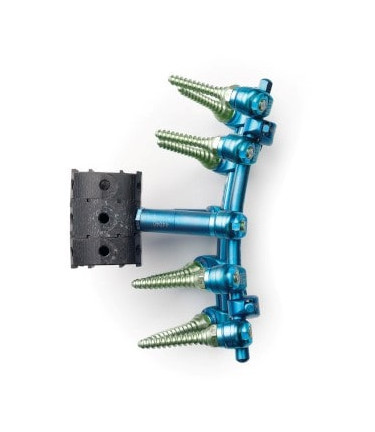
A VBR cage, also known as a corpectomy cage or interbody cage, is an advanced orthopedic implant designed to replace a damaged or diseased vertebral body (or bodies) after it has been surgically removed (a procedure called a corpectomy). Its primary purpose is to restore the structural integrity of the spinal column, decompress neural elements, and facilitate spinal fusion. By providing robust anterior column support, VBR cages help to maintain proper spinal alignment, prevent collapse, and create an optimal environment for bone growth and long-term stability. This guide will delve into the intricate details of VBR cages, from their sophisticated design to their profound impact on patient outcomes, offering a comprehensive understanding for those considering or undergoing this advanced spinal procedure.
2. Deep-Dive into Technical Specifications & Mechanisms
2.1. Design and Materials
VBR cages are engineered with precision, utilizing materials that offer superior biocompatibility, strength, and durability. The choice of material and design is crucial for successful integration and long-term function.
2.1.1. Materials:
- Titanium and Titanium Alloys:
- Properties: Highly biocompatible, excellent strength-to-weight ratio, non-corrosive, radiopaque (visible on X-rays). Titanium allows for good bone-to-implant contact and osteointegration.
- Advantages: Proven track record in orthopedic implants, strong support for vertebral loads.
- Disadvantages: Can create imaging artifacts in MRI scans, though newer sequences mitigate this.
- PEEK (Polyetheretherketone):
- Properties: Biocompatible thermoplastic polymer, radiolucent (allows clear visualization of bone growth through the cage on X-rays), similar modulus of elasticity to bone (reducing stress shielding).
- Advantages: Excellent imaging characteristics, promotes load sharing with bone graft, less prone to subsidence.
- Disadvantages: Less inherently stiff than titanium, though still very strong.
- Cobalt-Chrome Alloys: Less common for VBR cages but used in some spinal implants, offering high strength and wear resistance.
2.1.2. Designs:
- Expandable Cages:
- Mechanism: These cages are inserted in a collapsed state and then expanded in situ (within the body) to achieve the desired height and lordotic/kyphotic angle.
- Advantages: Minimizes insertion force, allows for precise height adjustment and restoration of spinal curvature, maximizes endplate contact.
- Usage: Common for restoring sagittal balance and maximizing decompression.
- Modular / Fixed Height Cages:
- Mechanism: Available in various predetermined heights and footprints. Surgeons select the appropriate size based on pre-operative measurements.
- Advantages: Simpler insertion, robust and stable.
- Usage: Often used when precise intraoperative height adjustment is less critical or when space for expansion is limited.
- Fenestrated Designs:
- Mechanism: All VBR cages have internal hollow spaces (fenestrations) that are packed with bone graft material (autograft, allograft, or synthetic bone substitutes). These openings allow for vascularization and bone growth through and around the cage, facilitating solid fusion.
- Advantages: Promotes robust fusion, provides a large surface area for osteointegration.
- Surface Features: Many cages feature textured or porous surfaces to enhance initial grip on the vertebral endplates and encourage bone ingrowth, further stabilizing the construct.
2.2. Biomechanics and Mechanisms of Action
The biomechanical principles underlying VBR cage function are critical for successful spinal reconstruction:
- Anterior Column Support: The VBR cage directly replaces the resected vertebral body, providing immediate and robust support to the anterior column of the spine. This is crucial as the anterior column bears a significant portion of axial compressive loads.
- Load Sharing: Materials like PEEK, with an elastic modulus closer to bone, promote better load sharing between the implant and the surrounding bone, reducing stress shielding and the risk of adjacent segment stress. Titanium cages are also designed to effectively transfer loads.
- Spinal Alignment Restoration: By selecting the correct height and lordotic/kyphotic angle, the VBR cage helps restore the natural curvature of the spine (sagittal balance), which is vital for pain reduction and functional improvement.
- Decompression: The restoration of vertebral height effectively decompresses neural structures (spinal cord and nerve roots) that may have been compressed by the damaged vertebra or disc material.
- Fusion Promotion: The fenestrated design allows for bone graft placement. The cage holds the space open, provides stability, and acts as a scaffold for new bone growth, ultimately leading to a solid bony fusion across the vertebral segments.
- Prevention of Subsidence: Proper cage design, material selection, and surgical technique (e.g., adequate endplate preparation) aim to minimize the risk of the cage sinking into the adjacent vertebral bodies (subsidence), which can lead to loss of correction and recurrent neurological compression.
2.3. Maintenance/Sterilization Protocols (Pre-Implantation)
VBR cages are sterile implants. Before surgery:
* Manufacturer Sterilization: Cages are sterilized by the manufacturer using validated methods (e.g., gamma irradiation, ethylene oxide) and provided in sterile, sealed packaging.
* Operating Room Protocols: Surgical teams strictly adhere to aseptic techniques. The sterile packaging is only opened within the sterile field of the operating room.
* Handling: Implants are handled with sterile instruments and gloves to maintain sterility until implantation.
* Trial Sizing: Trial implants (non-sterile or separately sterilized) are often used to determine the correct size and fit before the final sterile implant is introduced.
3. Extensive Clinical Indications & Usage
VBR cages are indicated for conditions where a vertebral body has been severely compromised, requiring its removal to alleviate symptoms and restore stability.
3.1. Primary Clinical Indications:
- Spinal Tumors:
- Primary Spinal Tumors: Malignant or benign tumors originating in the vertebra (e.g., chordoma, osteosarcoma, giant cell tumor) that necessitate total or subtotal vertebral resection.
- Metastatic Spinal Tumors: Cancers that have spread to the spine (e.g., from breast, lung, prostate, kidney) causing significant pain, instability, or spinal cord compression. Corpectomy and VBR are performed to decompress neural elements, stabilize the spine, and improve quality of life.
- Severe Spinal Trauma (Burst Fractures):
- Fractures where the vertebral body is severely comminuted (shattered) and fragments retropulse into the spinal canal, compressing the spinal cord or nerve roots. VBR provides robust anterior support after removal of the damaged body and fragments.
- Spinal Infections (Osteomyelitis, Discitis):
- Severe infections of the vertebral body and/or adjacent discs that have not responded to conservative treatment, leading to bone destruction, instability, and potential neurological compromise. Corpectomy and VBR allow for complete debridement of infected tissue and reconstruction.
- Spinal Deformity Correction:
- In specific, complex cases of severe kyphosis (excessive forward curvature) or scoliosis where vertebral body resection is required to achieve adequate correction and restore sagittal balance.
- Failed Previous Fusion (Pseudoarthrosis):
- When a prior spinal fusion has failed to achieve solid bony union (pseudoarthrosis) and results in persistent instability or pain, a VBR cage may be used as part of a revision surgery to enhance fusion and stability.
3.2. Detailed Surgical Application Steps (Simplified for Patient Understanding):
- Pre-operative Planning: Comprehensive imaging (X-rays, MRI, CT scans) is performed to precisely identify the extent of the damage, plan the surgical approach, and determine the optimal cage size and type.
- Surgical Approach: The surgeon accesses the spine, typically via an anterior (front) or anterolateral (front-side) approach, depending on the spinal level and pathology. This may involve navigating around vital organs such as the lungs, aorta, or esophagus.
- Corpectomy: The diseased or damaged vertebral body (and sometimes adjacent discs) is carefully removed. This step involves meticulous dissection to decompress the spinal cord and nerve roots.
- Endplate Preparation: The endplates of the adjacent healthy vertebrae are prepared to create flat, parallel surfaces for optimal contact with the VBR cage. This is crucial for stability and fusion.
- Trial Sizing and Cage Insertion: Trial cages are used to determine the exact height and footprint required. Once confirmed, the sterile VBR cage is carefully inserted into the created space. If an expandable cage is used, it is expanded to achieve the desired height and lordosis/kyphosis.
- Bone Grafting: The hollow interior of the VBR cage is packed with bone graft material (autograft, allograft, or synthetic bone substitute) to promote spinal fusion.
- Adjunctive Fixation: In most cases, the VBR cage is supplemented with additional spinal instrumentation (e.g., anterior plates and screws, or posterior rods and screws) to provide immediate stability and further enhance the chances of solid fusion. This "belt and suspenders" approach is critical for long-term success.
- Wound Closure: After confirming stability and hemostasis, the surgical site is meticulously closed layer by layer.
4. Risks, Side Effects, or Contraindications
While VBR surgery offers significant benefits, it is a major procedure with potential risks and considerations.
4.1. General Surgical Risks (Common to most surgeries):
- Anesthesia Risks: Reactions to anesthesia, respiratory issues.
- Infection: At the surgical site or systemically.
- Bleeding: Intraoperative or post-operative hematoma.
- Nerve Damage: Injury to spinal cord or nerve roots, potentially leading to weakness, numbness, or paralysis.
- DVT/PE: Deep vein thrombosis (blood clots) and pulmonary embolism.
4.2. VBR-Specific Risks and Side Effects:
- Cage Migration/Dislodgement: The cage can shift from its intended position, potentially requiring revision surgery.
- Subsidence: The cage may sink into the adjacent vertebral bodies, leading to loss of height and potential neurological compression.
- Non-Union/Pseudoarthrosis: Failure of the bone graft to fuse, resulting in persistent instability and pain. This may require further surgery.
- Hardware Failure: Fracture of the cage itself or associated screws/rods, though rare with modern implants.
- Adjacent Segment Disease (ASD): Increased stress on the vertebral segments above and below the fused level can accelerate degeneration, potentially requiring future surgery.
- Vascular or Visceral Injury: During an anterior approach, there is a risk of injury to major blood vessels (aorta, vena cava) or organs (esophagus, lung, bowel).
- Chronic Pain: Despite successful surgery, some patients may experience persistent pain.
- Dysphagia (Difficulty Swallowing): Temporary or, rarely, persistent difficulty swallowing, especially after anterior cervical spine surgery.
- Hoarseness: Temporary or, rarely, persistent hoarseness due to nerve irritation.
4.3. Contraindications:
- Active Systemic Infection: Unless the VBR is performed specifically to treat the spinal infection, an active systemic infection is a contraindication.
- Severe Osteoporosis: Extremely poor bone quality may preclude successful fusion and increase the risk of subsidence or hardware failure, making the procedure less viable without significant supplemental fixation or bone augmentation.
- Uncontrolled Coagulopathy: Bleeding disorders that cannot be adequately managed.
- Medical Instability: Patients with severe cardiac, pulmonary, or other systemic conditions that make them unfit for major surgery and anesthesia.
- Limited Life Expectancy: In some cases, especially with aggressive metastatic disease, the risks of surgery may outweigh the potential benefits for patients with very limited life expectancy.
5. Expert Tips from Dr. Mohammed Hutaif
"As a spine specialist, I've seen firsthand the transformative impact a Vertebral Body Replacement can have on a patient's life, restoring function and alleviating debilitating pain. My approach to VBR surgery is rooted in meticulous planning, advanced surgical techniques, and a patient-centered philosophy. Here are some key insights I emphasize with my patients:
- Personalized Approach is Paramount: Every spine is unique, and every patient's condition is distinct. I dedicate significant time to thoroughly review your imaging, medical history, and lifestyle to tailor a surgical plan that best suits your specific needs and goals. There's no 'one-size-fits-all' solution in complex spinal surgery.
- The Power of Pre-operative Planning: Success begins long before the operating room. Advanced imaging (high-resolution CT, MRI) and careful measurements are critical. We meticulously map out the approach, cage size, and supplementary fixation required to ensure optimal spinal alignment and stability.
- Multidisciplinary Team Collaboration: Complex spinal cases benefit immensely from a team approach. I work closely with neurophysiologists, anesthesiologists, rehabilitation specialists, and sometimes oncologists to ensure comprehensive care from diagnosis through recovery.
- Realistic Expectations are Key: While VBR surgery can yield excellent outcomes, it's important to have a clear understanding of the recovery process and potential limitations. We will discuss what you can realistically expect in terms of pain relief, functional improvement, and activity levels post-surgery.
- Commitment to Rehabilitation: Surgery is just one step. Your active participation in post-operative rehabilitation, including physical therapy, is crucial for regaining strength, flexibility, and optimizing your long-term results. Follow all instructions regarding activity restrictions and exercises diligently.
- Long-term Follow-up: Regular follow-up appointments are essential to monitor your recovery, assess fusion progress, and address any concerns. This ensures the best possible long-term outcome and allows us to proactively manage any potential issues."
6. Massive FAQ Section
Q1: What exactly is a Vertebral Body Replacement (VBR) cage?
A1: A VBR cage is a specialized orthopedic implant designed to replace one or more vertebral bodies (the main bony blocks of the spine) that have been removed due to severe damage, disease, or tumor. It's essentially a strong, hollow scaffold inserted into the space where the vertebra used to be, providing structural support, restoring spinal height, and creating a space for bone graft to grow through, ultimately leading to a solid spinal fusion.
Q2: Why would I need a VBR cage? When is it typically used?
A2: You might need a VBR cage if a vertebral body is severely compromised and cannot adequately support the spine. Common reasons include:
* Spinal Tumors: Removal of cancerous or aggressive benign tumors affecting the vertebra.
* Severe Trauma: Such as burst fractures where the vertebra shatters and fragments compress the spinal cord.
* Severe Infections: Like osteomyelitis, where the bone is destroyed by infection.
* Complex Deformities: In some cases of severe kyphosis or scoliosis requiring vertebral resection for correction.
The goal is always to relieve pain, decompress nerves, and stabilize the spine.
Q3: What materials are VBR cages made from?
A3: VBR cages are most commonly made from:
* Titanium or Titanium Alloys: Known for their excellent strength, biocompatibility, and ability to integrate with bone. They are visible on X-rays.
* PEEK (Polyetheretherketone): A high-performance polymer that is also biocompatible. PEEK is radiolucent, meaning it allows doctors to see bone growth through the cage more clearly on X-rays, and its elasticity is closer to natural bone.
The choice of material depends on the specific surgical needs and surgeon's preference.
Q4: How long does the VBR cage surgery typically take?
A4: The duration of VBR cage surgery can vary significantly depending on the complexity of the case, the number of vertebrae involved, the surgical approach (anterior, posterior, or combined), and whether additional spinal instrumentation (e.g., rods and screws) is required. Generally, these are complex procedures that can range from 4 to 8 hours or more. Your surgeon will provide a more precise estimate based on your individual situation.
Q5: What is the typical recovery process like after VBR cage surgery?
A5: Recovery is a gradual process.
* Hospital Stay: Typically 5-10 days, depending on the extent of surgery and your overall health.
* Initial Recovery (Weeks 1-6): You'll experience pain and discomfort, managed with medication. Activity will be restricted, and you may need a brace. Early mobilization and light walking are encouraged.
* Rehabilitation (Months 2-6): Physical therapy usually begins to help regain strength, flexibility, and mobility. You'll gradually increase activity levels.
* Full Fusion & Long-term: Bony fusion can take 6-12 months or longer. Full recovery and return to most activities can take up to a year or more. Adherence to post-operative instructions and physical therapy is crucial.
Q6: Will the VBR cage set off metal detectors?
A6: If your VBR cage is made of titanium or other metal alloys, it may set off sensitive metal detectors, such as those at airports. PEEK cages, being plastic, typically do not. It's advisable to carry a card from your surgeon confirming you have an implanted medical device, although this is not always necessary or requested.
Q7: How long does the VBR cage stay in my body? Can it be removed?
A7: The VBR cage is designed to be a permanent implant. Its primary role is to provide immediate stability and act as a scaffold for new bone to grow through, eventually forming a solid fusion between the adjacent vertebrae. Once fusion occurs, the cage remains in place. Removal is generally not necessary unless there are complications such as infection, persistent pain directly attributable to the hardware, or mechanical failure, which are rare.
Q8: What are the potential complications associated with VBR cage surgery?
A8: As with any major surgery, there are risks. Specific to VBR cages, potential complications include:
* Non-union (pseudoarthrosis): The bone graft failing to fuse.
* Cage migration or subsidence: The cage moving out of place or sinking into the adjacent bone.
* Hardware failure: The cage or associated screws/rods breaking.
* Infection: At the surgical site.
* Nerve damage: Leading to weakness, numbness, or paralysis.
* Bleeding.
* Adjacent segment disease: Accelerated degeneration of discs above or below the fused segment.
Your surgeon will discuss these risks thoroughly before the procedure.
Q9: How does a VBR cage differ from a typical spinal fusion with just a disc replacement or interbody fusion device?
A9: The key difference lies in the extent of replacement:
* Interbody Fusion Device (e.g., PLIF, TLIF, ALIF cage): These replace only the disc between two vertebrae, while the vertebral bodies above and below remain intact.
* Vertebral Body Replacement (VBR) Cage: This replaces the entire vertebral body itself, along with the adjacent discs. It's used when the vertebral body is too damaged or diseased to be preserved.
VBR surgery is generally a more extensive and complex procedure.
Q10: What is the role of bone graft in VBR surgery?
A10: Bone graft is crucial for achieving a solid spinal fusion. The VBR cage creates a stable space, but the bone graft is the material that biologically bridges the gap between the adjacent vertebrae. The cage is packed with this graft material (which can be your own bone, donor bone, or synthetic materials). Over time, new bone cells grow into and through the graft within the cage, eventually forming a solid column of bone that permanently stabilizes the segment.
Q11: What is the success rate of VBR cage surgery?
A11: The success rate for VBR cage surgery, particularly in achieving solid fusion and improving patient outcomes, is generally high, often reported between 80-95% depending on the specific indication, patient health, and surgical technique. Success is typically measured by radiographic evidence of fusion, reduction in pain, improvement in neurological function, and restoration of spinal stability. Your surgeon can provide more specific statistics relevant to your condition.
Q12: What should I avoid after VBR cage surgery?
A12: Immediately after surgery, you'll need to avoid:
* Bending, lifting, and twisting (BLT) motions: These can put stress on the healing spine.
* Heavy lifting: Typically, nothing heavier than a gallon of milk for several months.
* High-impact activities: Running, jumping, contact sports, or anything that jars the spine.
* Prolonged sitting or standing: Take frequent breaks and change positions.
* Smoking: This significantly hinders bone healing and fusion.
* Non-steroidal anti-inflammatory drugs (NSAIDs): Some surgeons advise against these initially as they can interfere with bone fusion. Always follow your surgeon's specific instructions.