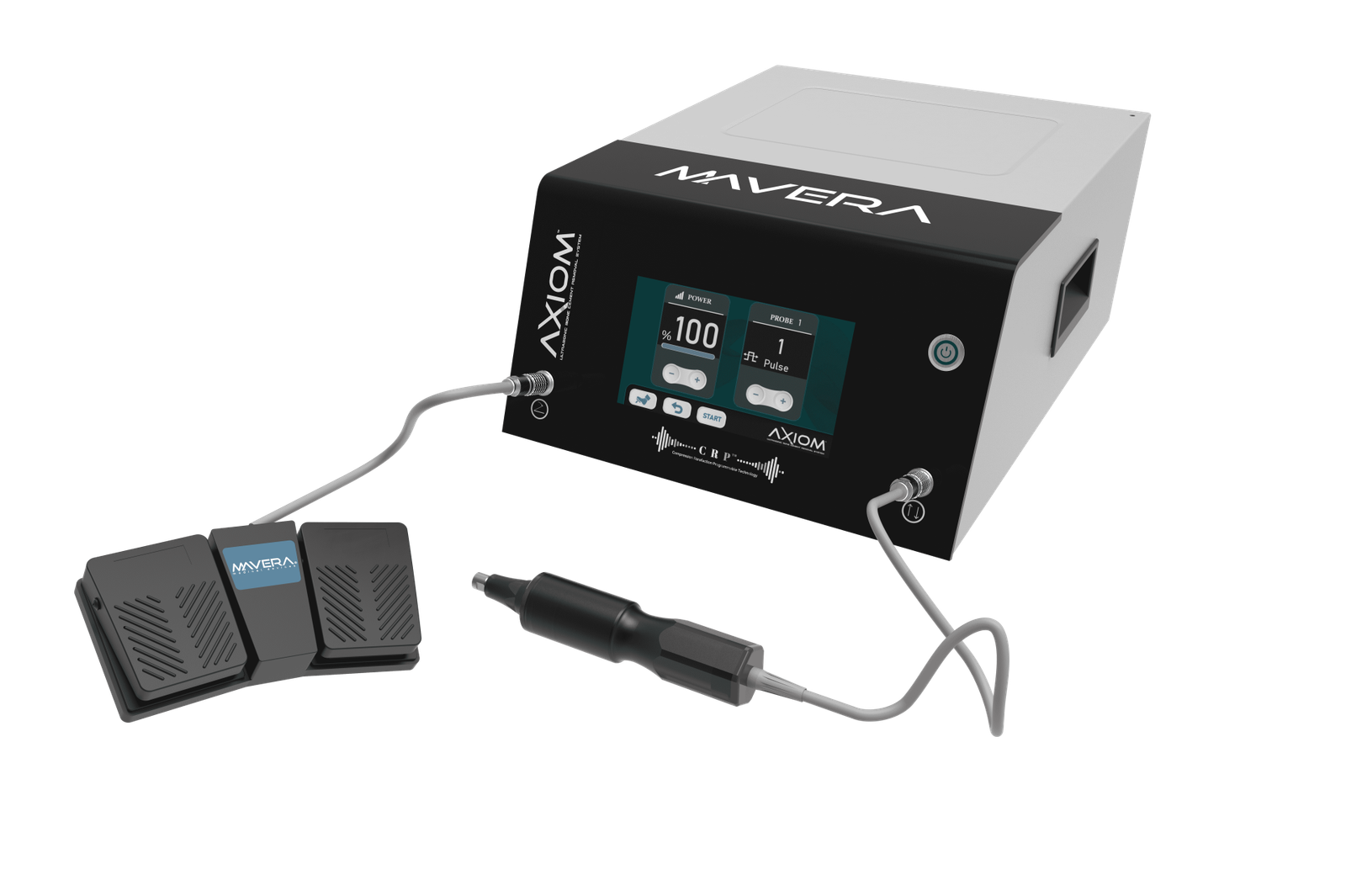
The OSCAR Ultrasonic Cement Removal System: A Comprehensive Orthopedic Guide
1. Comprehensive Introduction & Overview
Revision arthroplasty, the surgical procedure to replace a failed joint implant, presents unique challenges, particularly when dealing with cemented prostheses. The meticulous and complete removal of the existing cement mantle is paramount for successful re-implantation, ensuring proper seating, fixation, and longevity of the new prosthesis. Traditional methods of cement removal, often involving burrs, osteotomes, and chisels, carry inherent risks such including significant bone loss, iatrogenic fractures, and prolonged operative times.
The Ultrasonic Cement Removal System (OSCAR) represents a revolutionary leap in revision arthroplasty technology. Developed to address the limitations of conventional techniques, OSCAR harnesses the power of ultrasonic energy to selectively fragment and remove orthopedic bone cement. This sophisticated system offers orthopedic surgeons a safer, more efficient, and more precise tool for preparing the bone bed during revision procedures, ultimately leading to improved patient outcomes.
OSCAR's core principle lies in its ability to generate high-frequency vibrations that selectively target and emulsify bone cement, leaving surrounding bone tissue largely unaffected. This selective action minimizes bone trauma, preserves critical bone stock, and reduces the risk of complications associated with aggressive mechanical removal. As an expert medical SEO copywriter and orthopedic specialist, this guide will delve deep into the OSCAR system, exploring its design, applications, maintenance, biomechanical advantages, and the transformative impact it has on modern revision joint surgery.
2. Deep-dive into Technical Specifications & Mechanisms
2.1. Design and Materials
The OSCAR system is an integrated platform comprising a generator unit, a handpiece, and a range of specialized ultrasonic tips, all meticulously engineered for precision and durability.
2.1.1. Generator Unit
- Power Output: Delivers controlled ultrasonic energy, typically ranging from 25 kHz to 40 kHz, optimized for orthopedic cement.
- User Interface: Intuitive touchscreen or button-based interface for precise control over power settings, irrigation flow, and operating modes.
- Safety Features: Integrated monitoring systems for tip temperature, power output, and impedance, ensuring consistent and safe operation.
- Foot Pedal Control: Allows hands-free activation and power adjustment, enhancing surgical efficiency.
2.1.2. Handpiece
- Ergonomics: Lightweight and balanced design to reduce surgeon fatigue during long procedures.
- Material: Often constructed from high-grade, autoclavable plastics and metals (e.g., anodized aluminum) for durability and sterilization.
- Integrated Irrigation: Channels for sterile saline delivery directly to the tip, facilitating cement emulsification and debris removal.
- Cable: Flexible, high-quality cable connecting to the generator, designed for repeated sterilization cycles.
2.1.3. Ultrasonic Tips
A diverse array of tips is available, each designed for specific anatomical regions and cement configurations.
* Materials: Primarily high-strength titanium alloys (e.g., Ti-6Al-4V) or specialized stainless steel, chosen for biocompatibility, acoustic properties, and wear resistance. Some tips may feature proprietary surface treatments for enhanced performance or reduced friction.
* Shapes and Sizes:
* Straight Tips: For general cement removal in straight canals (e.g., femoral stem cement).
* Angled/Curved Tips: Designed to access difficult-to-reach areas, such as the distal femoral canal or under acetabular components.
* Ball-End Tips: For polishing and final removal of thin cement layers.
* Fluted/Ribbed Tips: May enhance mechanical fragmentation alongside ultrasonic action.
* Tip Activation: Tips are designed to resonate at the specific frequency emitted by the generator, translating electrical energy into mechanical vibrations.
2.2. Mechanism of Action
The OSCAR system operates on the principle of high-frequency ultrasonic vibration, typically in the range of 25,000 to 40,000 cycles per second (25-40 kHz). When the energized tip comes into contact with bone cement, several phenomena occur:
- Cavitation: The rapid vibration of the tip in the presence of an irrigating fluid (usually sterile saline) creates microscopic bubbles. These bubbles rapidly expand and collapse (cavitation), generating localized shockwaves that mechanically disrupt the brittle cement structure.
- Mechanical Fragmentation: The direct vibratory impact of the tip against the cement causes it to fracture and fragment into smaller particles.
- Thermal Energy (Controlled): While ultrasonic energy does generate some heat, the integrated irrigation system continuously flushes the surgical site, dissipating heat and preventing thermal necrosis of surrounding bone. This is a critical distinction from high-speed burrs that can generate significant localized heat.
- Selective Action: The key advantage of OSCAR is its ability to preferentially target bone cement. Bone, being a viscoelastic and elastic material, absorbs and dissipates ultrasonic energy differently than brittle acrylic cement. This differential response allows the ultrasonic energy to effectively shatter cement while minimally impacting the adjacent cancellous or cortical bone.
2.3. Biomechanics
The biomechanical advantages of using OSCAR in revision arthroplasty are profound and directly contribute to improved patient outcomes:
- Minimized Bone Loss: By selectively removing cement without aggressive reaming or scraping of bone, OSCAR preserves the critical bone stock. This is crucial in revision surgery where patients may already have compromised bone quality or limited bone availability for subsequent implant fixation.
- Reduced Risk of Iatrogenic Fracture: Traditional methods often involve significant force and torque, increasing the risk of intraoperative periprosthetic fractures. OSCAR's gentle, vibratory action substantially reduces this risk, especially in osteoporotic bone.
- Preservation of Endosteal Surface: The integrity of the endosteal surface is vital for biological fixation of uncemented implants and for the even distribution of stress in cemented revisions. OSCAR helps maintain this surface, promoting better integration and long-term stability.
- Reduced Thermal Necrosis: As mentioned, the continuous irrigation prevents localized heat build-up, thereby eliminating the risk of thermal necrosis to surrounding bone cells, which can impair healing and compromise bone viability.
- Improved Cement-Bone Interface Preparation: The thorough removal of old cement creates a clean, pristine bone bed, optimizing the interface for new cement or promoting direct bone ingrowth for uncemented components.
3. Extensive Clinical Indications & Usage
The OSCAR system is indicated for the removal of orthopedic bone cement during revision arthroplasty procedures across various large joints.
3.1. Clinical Indications
- Revision Total Hip Arthroplasty (rTHA):
- Removal of femoral stem cement mantle (proximal, mid-stem, and distal).
- Extraction of deeply seated cement plugs.
- Clearance of acetabular cement from cup fixation.
- Revision Total Knee Arthroplasty (rTKA):
- Removal of tibial plateau cement.
- Clearance of femoral condylar cement.
- Removal of patellar component cement.
- Revision Shoulder Arthroplasty:
- Removal of humeral stem cement.
- Clearance of glenoid component cement.
- Removal of Broken Cement Mantle: When a previous cement mantle has fractured, leaving fragments that need to be extracted.
- Periprosthetic Fractures: In cases where a fracture occurs around a cemented prosthesis and cement removal is necessary for fixation or revision.
- Infected Revisions: Facilitates thorough debridement by removing all foreign material, including cement, which can harbor bacteria.
3.2. Detailed Surgical Applications / Usage Instructions
The effective use of the OSCAR system requires careful planning and adherence to specific surgical techniques.
3.2.1. Pre-operative Planning
- Imaging Review: Thorough review of X-rays, CT scans, and sometimes MRI to assess the extent of cement, bone stock, and implant position.
- Tip Selection: Pre-select appropriate OSCAR tips based on the anatomy and expected cement distribution.
- System Check: Ensure the OSCAR generator is functioning, irrigation is connected, and tips are sterilized and ready.
3.2.2. System Set-up
- Position the OSCAR generator unit on a stable surface, accessible to the surgeon but out of the immediate sterile field.
- Connect the handpiece cable to the generator.
- Connect the irrigation tubing from a sterile saline bag to the handpiece.
- Attach the selected sterile OSCAR tip securely to the handpiece.
- Perform a system test as per manufacturer guidelines to ensure proper function and irrigation flow.
3.2.3. Surgical Technique (General Principles)
- Access: Obtain adequate surgical exposure to the cemented area.
- Initial Debulking (if necessary): Remove large, loose fragments of cement or prosthesis first.
- Controlled Power: Start with lower power settings and gradually increase as needed, observing the cement's response.
- Continuous Irrigation: Maintain a constant flow of sterile saline to cool the tip, lubricate the interface, and wash away emulsified cement debris. An aspiration system should be concurrently used to remove fluid and debris.
- Gentle Contact: Apply light, controlled pressure with the vibrating tip against the cement. Avoid aggressive force, as the ultrasonic action does the work.
- Systematic Approach: Work systematically to remove cement from one area before moving to the next. For femoral stems, this often involves working from proximal to distal, circumferentially around the stem.
- Tip Manipulation: Use a sweeping or painting motion to cover the cement surface. Utilize different tip shapes for various contours and depths.
- Visual Inspection: Regularly inspect the surgical field to assess cement removal and ensure bone preservation. Endoscopes or surgical loupes can be beneficial.
- Final Clearance: Once the bulk of the cement is removed, use finer tips or lower power settings to remove thin residual layers or polish the bone surface.
3.3. Patient Outcome Improvements
The adoption of the OSCAR system has demonstrably led to superior patient outcomes in revision arthroplasty:
- Reduced Operative Time: Efficient cement removal shortens the overall surgical duration, reducing anesthesia exposure and associated risks.
- Decreased Intraoperative Blood Loss: Less bone trauma and a more controlled procedure contribute to reduced bleeding.
- Lower Risk of Iatrogenic Fracture: The selective, gentle nature of ultrasonic removal significantly minimizes the risk of bone fracture, a common complication of traditional methods.
- Improved Bone Stock Preservation: Critical for future revisions and long-term joint function, preserving bone stock ensures a more robust foundation for the new implant.
- Potentially Faster Recovery: Less surgical trauma to bone and soft tissues can lead to reduced post-operative pain, quicker mobilization, and a faster return to function.
- Enhanced Long-Term Implant Stability: A clean, well-prepared bone bed promotes better primary and secondary fixation of the revision implant, leading to greater longevity.
- Reduced Revision Rates: By improving the quality of the revision procedure, OSCAR contributes to a lower likelihood of subsequent implant failure.
4. Risks, Side Effects, or Contraindications
While the OSCAR system offers significant advantages, like any surgical instrument, it carries potential risks and requires careful application.
4.1. Potential Risks and Side Effects
- Thermal Injury: Although the irrigation system is designed to prevent thermal necrosis, improper technique (e.g., inadequate irrigation, prolonged static contact with bone, excessively high power settings) can still lead to localized heat build-up and potential bone damage.
- Iatrogenic Fracture: While significantly reduced compared to traditional methods, aggressive or careless application, especially in extremely osteoporotic bone, can still result in periprosthetic fracture.
- Soft Tissue/Neurovascular Injury: As with any invasive procedure, inadvertent contact with surrounding nerves, blood vessels, or other soft tissues can occur if the surgical field is not adequately exposed or the tip is not carefully controlled.
- Incomplete Cement Removal: If not used meticulously, small fragments of cement may remain, potentially compromising the new implant's fixation.
- Tip Breakage: Though rare with proper use, excessive force or misuse can lead to tip fracture within the surgical site, requiring retrieval.
- System Malfunction: Electrical or mechanical failure of the generator or handpiece can occur, necessitating backup plans.
- Dissemination of Cement Debris: Inadequate aspiration of irrigation fluid can lead to the dispersal of fine cement particles within the surgical site.
4.2. Contraindications
Absolute contraindications are rare and generally relate to the patient's overall health or specific local conditions rather than the OSCAR system itself. However, relative contraindications or situations requiring extreme caution include:
- Severe Osteopenia/Osteoporosis: While OSCAR is bone-preserving, extremely fragile bone may still be susceptible to injury with any instrument.
- Compromised Bone Integrity: Conditions like severe bone cysts or tumors that significantly weaken the bone may make any instrumentation risky.
- Lack of Adequate Surgical Exposure: Insufficient visualization of the cement and surrounding bone increases the risk of iatrogenic injury.
- Uncontrolled Bleeding Diathesis: While OSCAR reduces blood loss, patients with severe bleeding disorders require extra precautions.
- Presence of Metallic Implants Adjacent to Cement: Care must be taken to avoid direct contact of the ultrasonic tip with metallic components that are not intended for removal, as this can damage the implant or the tip.
5. Massive FAQ Section
Q1: What is the OSCAR Ultrasonic Cement Removal System?
A1: The OSCAR (Ultrasonic Cement Removal System) is an advanced orthopedic instrument designed to safely and efficiently remove bone cement during revision joint replacement surgeries (arthroplasties). It uses high-frequency ultrasonic vibrations to selectively fragment and emulsify bone cement, minimizing damage to surrounding bone.
Q2: How does OSCAR work differently from traditional cement removal methods?
A2: Traditional methods often rely on mechanical force using burrs, osteotomes, and chisels, which can cause significant bone loss, thermal damage, and a higher risk of periprosthetic fractures. OSCAR uses ultrasonic energy to selectively target and break down the brittle cement through cavitation and mechanical vibration, while largely preserving the elastic bone structure. This "selective" removal is its key differentiator.
Q3: What are the main advantages of using OSCAR in revision surgery?
A3: Key advantages include:
* Minimized bone loss: Preserves critical bone stock.
* Reduced risk of iatrogenic fracture: Gentle action compared to aggressive mechanical tools.
* Decreased operative time: More efficient cement removal.
* Lower intraoperative blood loss: Less trauma to bone and soft tissues.
* Improved patient outcomes: Potentially faster recovery and enhanced long-term implant stability.
* Reduced thermal necrosis: Continuous irrigation prevents heat build-up.
Q4: Which types of revision arthroplasty procedures can benefit from OSCAR?
A4: OSCAR is primarily used in revision total hip arthroplasty (rTHA), revision total knee arthroplasty (rTKA), and revision shoulder arthroplasty. It is effective for removing cement from femoral stems, acetabular cups, tibial components, and humeral stems.
Q5: Is OSCAR safe for the patient?
A5: Yes, when used correctly by trained surgeons, OSCAR is considered very safe. Its design prioritizes selective cement removal while minimizing trauma to bone and surrounding tissues. Continuous irrigation prevents thermal damage, and the reduced need for aggressive force lowers the risk of fractures.
Q6: What kind of maintenance and sterilization protocols does the OSCAR system require?
A6: The handpiece and reusable tips are designed for repeated sterilization, typically via steam autoclave. They must be thoroughly cleaned of all biological debris post-procedure. The generator unit is a non-sterile component and is cleaned with appropriate disinfectants. Regular inspection for wear and tear, especially on the tips, is crucial to ensure optimal performance and patient safety.
Q7: Does OSCAR remove all types of orthopedic cement?
A7: OSCAR is highly effective at removing polymethyl methacrylate (PMMA) bone cement, which is the most common type of orthopedic cement. Its efficacy may vary slightly with different cement formulations or additives, but it generally performs very well across the spectrum of PMMA-based cements.
Q8: What is the learning curve for surgeons using the OSCAR system?
A8: While the basic principles are intuitive, there is a learning curve to master the nuances of OSCAR. Surgeons typically undergo specific training, often involving cadaver labs and proctored cases, to understand optimal power settings, tip selection, and handpiece manipulation for different anatomical challenges and cement configurations.
Q9: How does OSCAR contribute to improved long-term implant stability?
A9: By thoroughly and cleanly removing old cement while preserving maximal bone stock and the endosteal surface, OSCAR creates an ideal environment for the new implant. This optimized bone bed promotes better primary fixation, whether through new cement interdigitation or bone ingrowth for uncemented components, leading to enhanced long-term stability and reduced risk of aseptic loosening.
Q10: Are there any specific patient conditions where OSCAR might be less suitable?
A10: While generally safe, extreme caution is advised in patients with severe osteopenia or highly compromised bone integrity, where any instrumentation carries increased risk of fracture. Additionally, inadequate surgical exposure or the inability to safely irrigate and aspirate effectively might make its use challenging.
Q11: How does OSCAR handle deeply embedded cement or cement plugs?
A11: OSCAR's range of specialized tips, including longer and angled designs, allows surgeons to access and effectively remove deeply embedded cement and cement plugs, such as those found in the distal femoral canal. The selective nature of the ultrasonic action is particularly beneficial in these confined spaces where traditional instruments could easily perforate the cortex.
Q12: What are the latest advancements in OSCAR technology?
A12: Continuous advancements focus on enhancing ergonomics, improving tip durability and diversity for even more challenging anatomies, refining power control algorithms for greater precision, and integrating advanced feedback systems to provide real-time data to the surgeon regarding cement removal progress and bone interaction. Some systems are also exploring integration with navigation technologies.