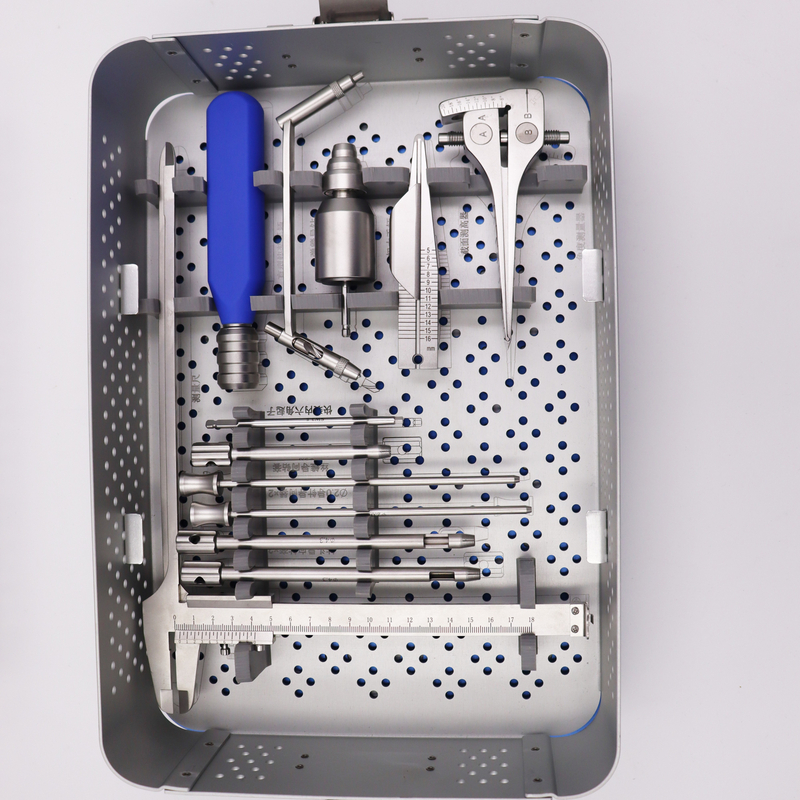
Understanding the Ulna Shortening Osteotomy Plate: A Comprehensive Patient Guide
Welcome to this comprehensive guide designed to illuminate the Ulna Shortening Osteotomy Plate, a specialized orthopedic implant used in the treatment of specific wrist conditions. As an expert medical resource, our aim is to provide you with authoritative, yet easy-to-understand information about this crucial surgical device and the procedure it facilitates. This content is for educational purposes only and should not be considered medical advice. Always consult with a qualified healthcare professional for diagnosis and treatment.
1. Comprehensive Introduction & Overview
The wrist is a complex joint, vital for countless daily activities. When an imbalance occurs, particularly involving the two forearm bones – the radius and the ulna – significant pain and dysfunction can arise. One such condition is Ulnar Impaction Syndrome, often caused by a positive ulnar variance, where the ulna bone is relatively longer than the radius, leading to excessive pressure and wear on the cartilage and ligaments in the wrist.
An Ulna Shortening Osteotomy is a surgical procedure designed to correct this length discrepancy. It involves carefully removing a small segment of the ulna bone to equalize its length with the radius, thereby alleviating pressure within the wrist joint. The Ulna Shortening Osteotomy Plate is a critical component of this surgery. It is a specialized metallic implant used to stabilize the two ends of the ulna bone after the segment has been removed, holding them securely in place while the bone heals.
This plate acts as an internal splint, providing the necessary stability for the bone fragments to fuse together, a process known as osteosynthesis. Its design and materials are meticulously engineered to promote optimal healing, reduce complications, and ultimately restore comfortable, functional wrist movement.
2. Deep-Dive into Technical Specifications & Mechanisms
Design and Materials
The Ulna Shortening Osteotomy Plate is a marvel of orthopedic engineering, crafted to meet stringent biomechanical and biocompatibility requirements.
- Materials:
- Titanium Alloy: Most commonly used due to its exceptional biocompatibility (meaning it's well-tolerated by the body and less likely to cause adverse reactions), high strength-to-weight ratio, and non-ferromagnetic properties (safe for MRI scans).
- Stainless Steel (316L): Another common material, offering good strength and corrosion resistance, though less frequently used for long-term implants due to potential MRI interference and slightly lower biocompatibility compared to titanium.
- Plate Profile:
- Low-Profile Design: Engineered to minimize irritation to surrounding soft tissues (tendons, nerves) and reduce the palpable presence of the plate under the skin, enhancing patient comfort.
- Pre-Contoured: Many plates are anatomically pre-contoured to match the natural curvature of the ulna bone, ensuring an optimal fit and reducing the need for intraoperative bending, which can compromise material strength.
- Screw Systems:
- Locking Screws: A hallmark of modern plate technology. These screws thread directly into the plate, creating a fixed-angle construct. This provides superior angular stability, particularly beneficial in osteoporotic bone or comminuted (fragmented) fractures, preventing the screw from pulling out of the bone or loosening.
- Non-Locking (Cortical) Screws: These screws compress the bone fragments against the plate, providing axial compression. They are often used in conjunction with locking screws or in specific holes designed for dynamic compression.
- Combination Holes: Many plates feature holes that can accommodate both locking and non-locking screws, offering the surgeon flexibility to achieve both compression and angular stability.
- Hole Configuration: The number and arrangement of screw holes are optimized to provide adequate fixation while minimizing plate length and invasiveness. This ensures sufficient purchase in the bone segments proximal and distal to the osteotomy site.
- Dynamic Compression Unit (DCU) Holes: Some plates incorporate oval holes that allow for dynamic compression. As a non-locking screw is tightened in a specific manner, it draws the bone fragments together, providing interfragmentary compression across the osteotomy site, which is crucial for primary bone healing.
Biomechanics
The biomechanical principles guiding the Ulna Shortening Osteotomy Plate are fundamental to its success:
- Load Sharing vs. Load Bearing: The plate is designed primarily for load sharing, meaning it helps distribute stress across the healing bone, rather than bearing the entire load itself. This encourages the bone to participate in the healing process, stimulating natural remodeling.
- Stability and Compression: The primary goal is to provide rigid internal fixation. By rigidly holding the bone ends together, the plate prevents micromotion at the osteotomy site, which can impede healing (non-union). The compression achieved through specific screw techniques further enhances stability and promotes direct bone healing.
- Prevention of Rotation and Translation: The fixed-angle construct afforded by locking screws is particularly effective in resisting rotational and translational forces, which are common in the forearm during daily activities. This maintains the precise reduction achieved by the surgeon.
- Blood Supply Preservation: Modern plate designs, especially those with limited contact (LC-DCP), are engineered to minimize contact with the bone surface. This helps preserve periosteal blood supply, which is vital for bone healing, reducing the risk of avascular necrosis.
Maintenance & Sterilization Protocols (for the device itself)
While patients don't directly handle these protocols, understanding them highlights the rigorous safety standards involved in surgical care:
- Sterilization: All orthopedic implants, including Ulna Shortening Osteotomy Plates, undergo strict sterilization processes before use. The most common method is steam sterilization (autoclaving), which uses high-pressure saturated steam to kill all microorganisms. Other methods like ethylene oxide (EtO) or radiation may be used for heat-sensitive materials.
- Packaging: Plates are typically supplied in sterile, double-barrier packaging to maintain sterility until the moment of implantation in the operating room.
- Traceability: Each implant has a unique serial number and batch information, allowing for complete traceability from manufacturing to implantation, a crucial aspect of patient safety and quality control.
- Storage: Implants are stored in controlled environments to prevent damage and maintain integrity.
- Handling in OR: Surgical staff adhere to strict aseptic techniques when handling implants to prevent contamination. The plate is only opened and prepared for implantation within the sterile field.
3. Extensive Clinical Indications & Usage
The Ulna Shortening Osteotomy Plate is specifically indicated for conditions where a positive ulnar variance contributes to wrist pain and dysfunction.
Primary Indications:
- Ulnar Impaction Syndrome (UIS): This is the most common indication. UIS occurs when the ulna is relatively longer than the radius at the wrist joint, causing the distal end of the ulna to "impact" or rub against the carpal bones (lunate and triquetrum) and the triangular fibrocartilage complex (TFCC). This leads to:
- Chronic ulnar-sided wrist pain, especially with gripping, pronation, and supination.
- Degeneration of the TFCC and articular cartilage.
- Cyst formation in the lunate or triquetrum.
- Degenerative TFCC Tears with Ulnar Positive Variance: When a tear in the TFCC (a crucial cartilage structure stabilizing the wrist) is exacerbated by an underlying ulnar positive variance, shortening the ulna can reduce stress on the TFCC, aiding healing and preventing further damage.
- Post-Traumatic Conditions: In some cases, previous fractures of the radius may heal with shortening, effectively creating a secondary ulnar positive variance requiring correction.
- Kienböck's Disease (in specific cases): While not a primary treatment, in some instances of Kienböck's disease (a condition affecting the lunate bone's blood supply), an ulnar shortening osteotomy may be performed to offload pressure from the lunate, potentially improving its vascularity and reducing symptoms.
Detailed Surgical Application & Usage
The procedure, while precise, is generally performed as follows:
- Pre-operative Planning:
- Imaging: X-rays (especially PA views with the forearm in neutral rotation and grip), MRI, and sometimes CT scans are used to accurately measure the ulnar variance and assess the extent of cartilage or TFCC damage.
- Measurement: Precise measurements of the required ulnar shortening (typically 2-4 mm) are crucial for optimal outcomes.
- Anesthesia: The surgery is usually performed under regional anesthesia (arm block) with sedation, or general anesthesia.
- Incision: A longitudinal incision is made on the ulnar side of the forearm.
- Exposure: The ulna bone is carefully exposed, protecting surrounding nerves and blood vessels.
- Osteotomy: Using specialized instruments (e.g., oscillating saw, osteotomes), a precise section of the ulna bone is removed. The length of the removed segment corresponds to the pre-operative measurement of the ulnar positive variance.
- Plate Application:
- The Ulna Shortening Osteotomy Plate is carefully positioned over the osteotomy site.
- The bone ends are meticulously brought together and compressed to achieve optimal contact.
- Screws (locking, non-locking, or a combination) are then inserted through the plate holes into the bone on both sides of the osteotomy, securing the plate and stabilizing the bone fragments. Intraoperative fluoroscopy (real-time X-ray imaging) is often used to confirm correct plate and screw placement and bone alignment.
- Closure: The wound is irrigated, and the muscle, subcutaneous tissues, and skin layers are closed. A splint or cast may be applied to provide external support during the initial healing phase.
Fitting & Usage Instructions (Intraoperative Considerations for the Surgeon)
While patients don't perform this, understanding the surgeon's meticulousness is important:
- Precision is Paramount: The exact amount of bone to be resected is critical. Over-shortening can lead to ulnar negative variance, potentially causing different problems. Under-shortening may not resolve the impaction.
- Plate Positioning: The plate must be positioned optimally to distribute forces evenly and avoid direct contact with tendons or nerves. It's typically placed on the dorsal or volar aspect of the ulna, depending on the plate design and surgeon preference.
- Screw Length and Angle: Correct screw length is vital to ensure good cortical purchase without penetrating the opposite cortex excessively or irritating soft tissues. Locking screws require precise drilling and insertion techniques.
- Achieving Compression: For primary bone healing, achieving good compression across the osteotomy site is desirable. This is often accomplished using dynamic compression holes or specific screw techniques.
- Assessment of Rotation: The surgeon must ensure that the forearm's natural rotation is preserved. Malrotation can lead to significant functional impairment.
4. Risks, Side Effects, or Contraindications
While generally safe and effective, like any surgical procedure involving implants, Ulna Shortening Osteotomy carries potential risks and possible side effects.
General Surgical Risks:
- Infection: Despite sterile techniques, infection can occur at the surgical site.
- Bleeding: Excessive bleeding during or after surgery.
- Nerve Damage: Injury to nerves in the forearm or hand, leading to numbness, weakness, or pain.
- Anesthesia Risks: Adverse reactions to anesthesia.
- Scarring: Formation of a visible or tender scar.
Specific Risks Related to the Plate/Procedure:
- Non-union or Delayed Union: The bone fragments fail to heal or heal very slowly. This may require further surgery.
- Malunion: The bone heals in an incorrect position, which can lead to continued pain or functional issues.
- Hardware Irritation/Failure:
- Plate or Screw Loosening: The implant may become loose over time.
- Plate or Screw Fracture: The implant can break, though this is rare with modern materials.
- Soft Tissue Irritation: The plate or screws may irritate surrounding tendons, nerves, or skin, causing pain or discomfort, often necessitating hardware removal.
- Persistent Ulnar Impaction: If the ulna is not adequately shortened, symptoms of impaction may persist.
- Over-shortening: Excessive shortening of the ulna can lead to ulnar negative variance, potentially causing carpal instability or other wrist problems.
- Complex Regional Pain Syndrome (CRPS): A rare but severe chronic pain condition that can develop after limb injury or surgery.
- Stiffness: Restricted range of motion in the wrist or forearm.
- Tendonitis or Tenosynovitis: Inflammation of tendons or their sheaths due to irritation from the plate.
Contraindications:
- Active Infection: Performing surgery in the presence of an active infection significantly increases the risk of implant infection.
- Severe Osteoporosis: Extremely weak bone may not provide adequate purchase for screws, increasing the risk of hardware failure or non-union.
- Poor Patient Compliance: Patients unable or unwilling to adhere to post-operative rehabilitation protocols may have suboptimal outcomes.
- Compromised Vascularity: Poor blood supply to the surgical area can impair healing.
- Certain Systemic Diseases: Conditions like uncontrolled diabetes, severe autoimmune disorders, or chronic kidney disease can affect bone healing and increase surgical risks.
- Pre-existing Nerve Damage: Care must be taken if there is pre-existing nerve compromise that could be exacerbated by the surgery.
5. Expert Tips from Dr. Mohammed Hutaif
"As an orthopedic specialist, I've seen firsthand the profound impact that conditions like ulnar impaction syndrome can have on a patient's quality of life. The Ulna Shortening Osteotomy Plate, when used appropriately, is a powerful tool in restoring comfort and function. Here are some key insights I emphasize with my patients:
- Accurate Diagnosis is Paramount: Not all ulnar-sided wrist pain is due to ulnar impaction. A thorough clinical examination, combined with precise imaging (including specific X-ray views and MRI), is essential to confirm the diagnosis and rule out other causes. Misdiagnosis can lead to ineffective treatment.
- Personalized Treatment Plans: Every patient is unique. While surgery is often the definitive treatment for significant ulnar impaction, conservative measures (rest, NSAIDs, therapy) are always considered first. The decision for surgery is a shared one, tailored to the individual's symptoms, activity level, and overall health.
- The Role of Rehabilitation Cannot Be Overstated: Surgery is only half the battle. A dedicated and consistent post-operative physical therapy program is crucial for regaining strength, flexibility, and full range of motion. Adherence to your therapist's instructions is key to maximizing your recovery.
- Realistic Expectations: While the goal is significant pain relief and improved function, complete elimination of all symptoms may not always be achievable. Understanding the realistic outcomes and potential recovery timeline is vital for patient satisfaction.
- Minimally Invasive Approaches: Where appropriate, I explore minimally invasive techniques that can reduce tissue disruption, potentially leading to faster recovery and less post-operative pain.
- Long-term Follow-up: Regular follow-up appointments are important to monitor healing, assess function, and address any concerns or potential complications early.
- Choose Your Surgeon Wisely: This is a specialized procedure. Seek out an orthopedic surgeon with extensive experience in hand and wrist surgery, particularly with ulna shortening osteotomies, to ensure the best possible outcome."
6. Massive FAQ Section
Q1: What is Ulnar Impaction Syndrome and why would I need an Ulna Shortening Osteotomy?
A1: Ulnar Impaction Syndrome occurs when your ulna bone (the smaller forearm bone) is slightly longer than your radius bone, causing it to "impact" or rub against the wrist bones and cartilage, leading to pain, swelling, and potential damage. An Ulna Shortening Osteotomy corrects this length difference by removing a small piece of the ulna, relieving the pressure and allowing the wrist to function normally.
Q2: What kind of plate is used, and will it stay in my body forever?
A2: A specialized Ulna Shortening Osteotomy Plate, typically made of biocompatible titanium alloy, is used to stabilize the ulna after the bone segment is removed. In many cases, if the plate is not causing any issues, it can remain in your body indefinitely. However, if it causes irritation, discomfort, or becomes palpable, it can be surgically removed after the bone has fully healed, usually 12-18 months post-surgery.
Q3: How long is the recovery period after Ulna Shortening Osteotomy?
A3: Recovery varies, but typically involves immobilization in a cast or splint for 6-8 weeks, followed by extensive physical therapy. Full recovery, including significant return to strength and activity, can take 4-6 months, and sometimes up to a year for complete resolution of symptoms and strength. Adherence to your rehabilitation program is crucial.
Q4: Will I need physical therapy after the surgery?
A4: Absolutely. Physical therapy is a critical component of your recovery. It will help you regain wrist and forearm range of motion, improve strength, reduce stiffness, and return to your daily activities and sports safely. Your therapist will guide you through specific exercises.
Q5: What are the alternatives to Ulna Shortening Osteotomy?
A5: For mild cases of ulnar impaction, conservative treatments like rest, anti-inflammatory medications, corticosteroid injections, and activity modification may be tried. In some specific cases, other surgical options like arthroscopic debridement of the TFCC or "wafer" procedures (shaving a small amount of bone from the ulna through arthroscopy) might be considered, but these are typically for less severe ulnar positive variance. Ulna shortening osteotomy is often the definitive treatment for significant ulnar positive variance.
Q6: What should I expect immediately after the surgery?
A6: You will likely experience some pain, swelling, and discomfort, which will be managed with pain medication. Your arm will be in a splint or cast. You'll receive instructions on wound care, pain management, and activity restrictions. Elevation of your hand will help reduce swelling.
Q7: Can I return to sports or heavy lifting after this surgery?
A7: The goal is to return you to your desired activities, including sports and heavy lifting. However, this is a gradual process. Light activities can typically resume after several months, but high-impact sports or heavy lifting will require full bone healing and rehabilitation, often taking 6 months to a year. Your surgeon and physical therapist will provide specific guidance based on your progress.
Q8: What are the signs of complications I should look out for?
A8: You should contact your doctor immediately if you experience:
* Fever or chills.
* Increased redness, swelling, or warmth around the incision.
* Pus or foul-smelling drainage from the wound.
* Severe pain not relieved by medication.
* Numbness, tingling, or weakness in your fingers or hand that worsens.
* Loss of sensation or inability to move your fingers.
Q9: Will the plate set off metal detectors at airports?
A9: Modern titanium implants are generally designed to be low-profile and may not always trigger metal detectors. However, it is possible. You can request a card from your surgeon confirming you have an orthopedic implant, which may be helpful for security screenings.
Q10: How effective is Ulna Shortening Osteotomy in relieving pain?
A10: For properly selected patients with symptomatic ulnar impaction syndrome due to positive ulnar variance, Ulna Shortening Osteotomy is highly effective in relieving pain and improving wrist function. Studies generally show good to excellent outcomes in a high percentage of patients.
Q11: What kind of anesthesia will I receive for the surgery?
A11: The surgery is typically performed under regional anesthesia (an arm block, where medication is injected around nerves to numb the arm) combined with sedation, or under general anesthesia, where you are completely asleep. Your anesthesiologist will discuss the best option for you based on your health and preferences.
Q12: How long will I be in the hospital?
A12: Ulna Shortening Osteotomy is often performed as an outpatient procedure, meaning you can go home the same day. In some cases, an overnight stay may be recommended, depending on your overall health and how you recover from anesthesia.
Disclaimer: This information is for educational purposes only and does not constitute medical advice. Always consult with a qualified healthcare professional for any health concerns or before making any decisions related to your health or treatment.