Understanding Total Elbow Arthroplasty (TEA) System (Linked, Semi-Constrained)
Comprehensive Introduction & Overview
The elbow joint, a marvel of biomechanical engineering, is crucial for countless daily activities, allowing us to bend, extend, and rotate our forearms. When this complex joint is severely damaged due to arthritis, trauma, or other debilitating conditions, simple tasks can become excruciatingly painful or impossible. For many patients experiencing chronic elbow pain, instability, and significant loss of function that hasn't responded to conservative treatments, Total Elbow Arthroplasty (TEA) offers a life-changing solution.
Total Elbow Arthroplasty, commonly known as elbow replacement surgery, involves replacing the damaged parts of the elbow joint with artificial implants, known as prostheses. Among the various designs available, the linked, semi-constrained system stands out as a sophisticated and widely utilized option. This guide will delve deep into the intricacies of this specific type of elbow replacement, exploring its design, applications, biomechanics, and the profound impact it has on patient outcomes. Our aim is to provide a comprehensive, authoritative, yet easy-to-understand resource for patients considering this important procedure.
Deep-dive into Technical Specifications / Mechanisms
The "linked, semi-constrained" Total Elbow Arthroplasty system is a testament to advanced orthopedic engineering, designed to restore stability and function while minimizing the risk of complications.
Design and Components
A typical linked, semi-constrained TEA system comprises several key components:
- Humeral Component: This part replaces the lower end of the humerus (upper arm bone). It typically features an intramedullary stem that fits into the humeral canal for secure fixation, and a condylar articulating surface.
- Ulnar Component: This part replaces the upper end of the ulna (one of the forearm bones). It also has an intramedullary stem for fixation into the ulnar canal and an articulating surface designed to interact with the humeral component.
- Polyethylene Bushing/Bearing: A crucial element, this component is typically made of Ultra-High Molecular Weight Polyethylene (UHMWPE) and acts as the articulating surface between the metallic humeral and ulnar components. It reduces friction and allows smooth motion.
- Linking Mechanism: This is the defining feature of a "linked" system. The humeral and ulnar components are physically connected by a central pin or hinge mechanism. This connection provides inherent stability, preventing dislocation of the joint.
- Semi-Constrained Nature: While linked, the design is "semi-constrained." This means the link is not entirely rigid. It allows a small degree of rotational movement (e.g., varus-valgus angulation) and axial rotation at the articulation point. This controlled flexibility is vital as it:
- Mimics Natural Kinematics: Allows for some of the natural "play" or laxity found in a healthy elbow, which is crucial for complex movements.
- Reduces Stress: Prevents excessive stress transfer to the bone-implant interface, which can occur with fully rigid (constrained) designs, thereby reducing the risk of implant loosening over time.
- Accommodates Imprecision: Tolerates slight variations in surgical alignment.
Materials
The choice of materials is critical for biocompatibility, strength, and longevity:
- Metallic Components: Typically fabricated from high-strength, corrosion-resistant alloys such as:
- Cobalt-Chromium (Co-Cr) Alloys: Excellent wear resistance and mechanical strength for articulating surfaces.
- Titanium (Ti) Alloys: Often used for stems due to their biocompatibility and ability to promote bone ingrowth (for uncemented fixation, though most TEA are cemented).
- Polyethylene: Ultra-High Molecular Weight Polyethylene (UHMWPE) is the gold standard for bearing surfaces due to its low friction coefficient and high wear resistance, ensuring smooth articulation and longevity.
- Bone Cement: Polymethylmethacrylate (PMMA) bone cement is commonly used to secure the metallic stems within the bone canals, providing immediate and stable fixation.
Biomechanics
The biomechanical principles underlying the linked, semi-constrained TEA are designed to replicate the complex functions of a healthy elbow:
- Stability: The linking mechanism provides immediate and robust primary stability, especially critical in cases where surrounding soft tissues (ligaments, capsule) are severely damaged or absent. This prevents dislocation, a common concern with unlinked designs in compromised elbows.
- Motion: The semi-constrained nature allows for a functional range of motion, primarily flexion and extension, but also accommodates the subtle rotational movements inherent to the elbow. This balance between stability and motion is key to restoring functional capacity.
- Load Distribution: The design aims to distribute forces evenly across the implant and the surrounding bone, minimizing stress concentrations that could lead to implant failure or bone resorption. The slight "give" in the semi-constrained link helps absorb shock and mitigate peak stresses.
- Muscle Function: By restoring a stable articulation, the surrounding muscles (biceps, triceps, forearm muscles) can function more effectively, translating into improved strength and control.
Maintenance/Sterilization Protocols (Implant Perspective)
While this refers more to the surgical environment, it’s important to understand that the implants themselves are manufactured to the highest standards, designed for:
- Sterilization: All components are provided in sterile packaging, typically sterilized using gamma irradiation or ethylene oxide, ensuring they are free from pathogens before implantation.
- Durability and Longevity: The materials chosen are resistant to corrosion and wear within the body, contributing to the long-term success of the arthroplasty. Regular follow-up with your surgeon helps monitor the implant's performance over time.
Extensive Clinical Indications & Usage
Total Elbow Arthroplasty with a linked, semi-constrained system is a highly effective procedure for specific patient populations. The decision to proceed with TEA is made after a thorough evaluation by an orthopedic surgeon, considering the patient's overall health, activity level, and the extent of elbow damage.
Primary Clinical Indications
- Severe Rheumatoid Arthritis: This is one of the most common indications. Rheumatoid arthritis can cause severe pain, joint destruction, instability, and loss of motion in the elbow. TEA can dramatically improve quality of life by reducing pain and restoring function.
- Post-traumatic Arthritis: Following severe fractures or dislocations of the elbow that have not healed well, degenerative arthritis can develop, leading to chronic pain and stiffness.
- Complex Distal Humerus Fractures: In older adults, especially those with osteoporotic bone, complex fractures of the distal humerus (lower part of the upper arm bone) may be too severe to reconstruct with plates and screws. TEA can provide immediate stability and allow for early mobilization.
- Osteoarthritis: While less common for elbow than for hip or knee, severe primary osteoarthritis that causes debilitating pain and functional loss can also be an indication.
- Failed Previous Elbow Surgeries: Patients who have undergone previous elbow surgeries (e.g., open reduction and internal fixation for fractures, synovectomy, or even previous arthroplasty with other designs) that have failed may benefit from revision TEA.
- Primary Bone Tumors: In rare cases, resection of bone tumors around the elbow may necessitate replacement of the joint.
- Elbow Instability: Chronic elbow instability unresponsive to soft tissue reconstruction.
Surgical Procedure (Simplified Patient Overview)
The surgery is typically performed under general anesthesia, often combined with a regional nerve block for prolonged pain relief.
- Incision: An incision is made, usually on the back of the elbow, to expose the joint.
- Joint Exposure: Muscles and nerves are carefully retracted to gain access to the damaged bone and cartilage.
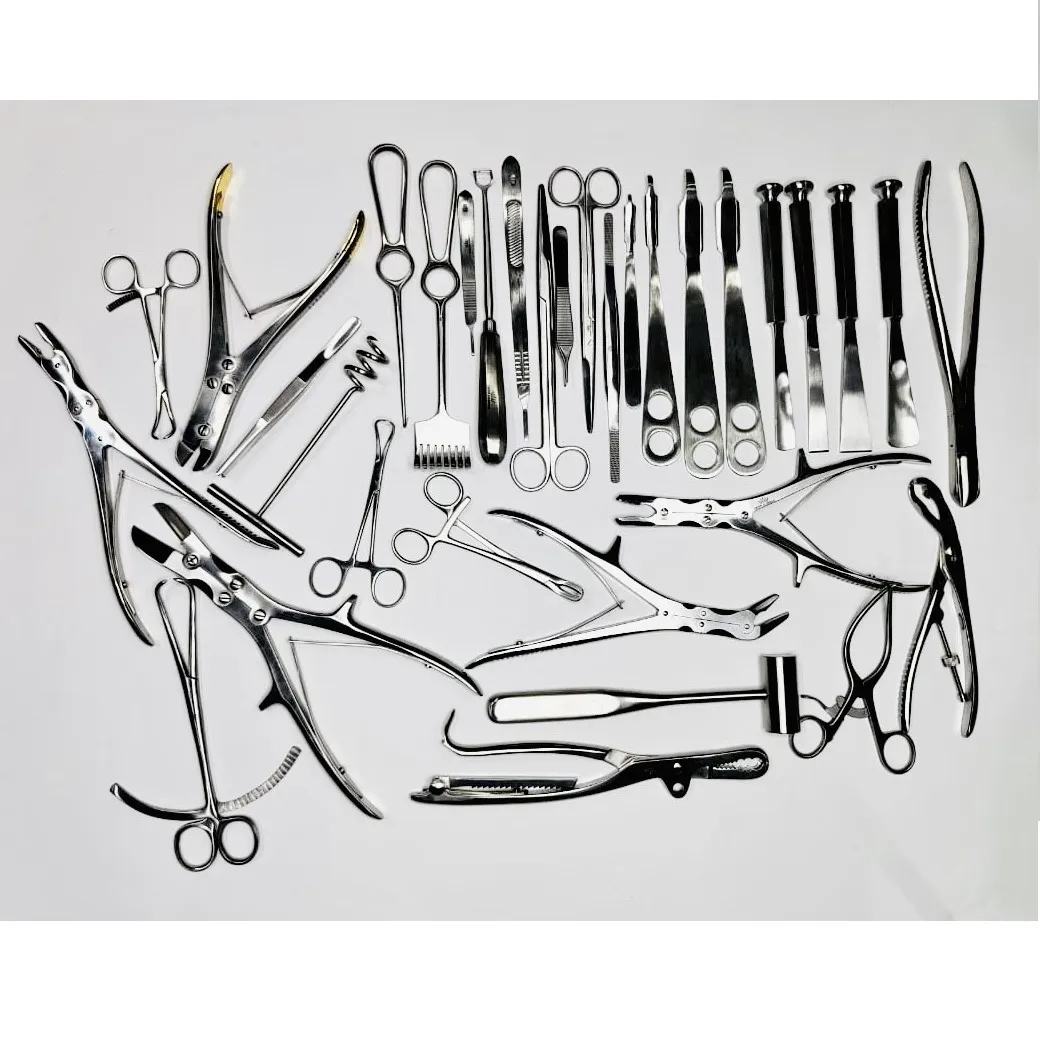
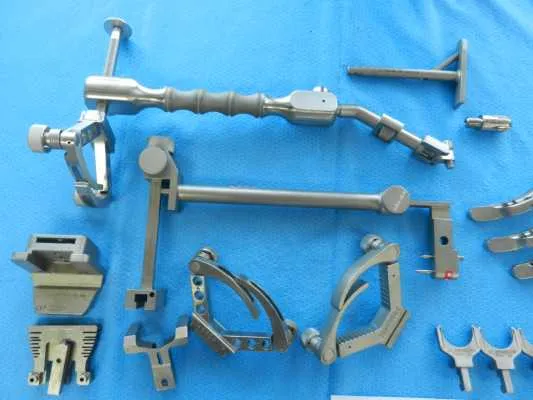
- Bone Preparation: The damaged ends of the humerus and ulna are precisely resected and prepared using specialized instruments to accommodate the prosthetic components. The intramedullary canals are reamed.
- Implant Insertion: The humeral and ulnar stems are typically cemented into their respective bone canals.
- Component Linking: The articulating components are then linked together, creating a stable, functional joint.
- Soft Tissue Repair: Surrounding tissues, including the joint capsule and muscles, are repaired to enhance stability.
- Closure: The incision is closed in layers, and a sterile dressing is applied. Often, a drain is placed temporarily to remove excess fluid, and a splint or brace may be applied to support the elbow.
Post-operative Care and Rehabilitation
Successful outcomes heavily rely on diligent post-operative care and rehabilitation:
- Pain Management: Medications are prescribed to manage post-surgical pain.
- Immobilization: The elbow is often immobilized in a splint or brace for a short period (days to weeks) to protect the healing tissues.
- Physical Therapy: This is paramount. A structured physical therapy program begins soon after surgery, focusing on:
- Gentle Range of Motion: Gradually restoring flexion and extension.
- Strengthening Exercises: Building strength in the surrounding muscles.
- Functional Training: Relearning how to perform daily activities safely.
- Activity Restrictions: Patients are advised to avoid heavy lifting (typically no more than 1-5 lbs for the first few months, with lifelong restrictions on repetitive heavy lifting or high-impact activities) and activities that put excessive stress on the new joint to prevent loosening or fracture.
- Follow-up: Regular follow-up appointments with the surgeon are essential to monitor recovery and implant health.
Patient Outcome Improvements
For appropriately selected patients, a linked, semi-constrained TEA can lead to significant improvements:
- Pain Relief: Dramatic reduction or complete elimination of chronic elbow pain.
- Restored Function: Improved range of motion, allowing for better performance of daily tasks like eating, dressing, and personal hygiene.
- Enhanced Stability: The linked design provides excellent stability, reducing apprehension and improving confidence in using the arm.
- Improved Quality of Life: Patients often report a substantial improvement in their overall quality of life, enabling them to return to many desired activities within physical limitations.
Risks, Side Effects, or Contraindications
While Total Elbow Arthroplasty is generally safe and highly effective, like any major surgery, it carries potential risks and possible side effects. It’s crucial for patients to understand these before making an informed decision.
General Surgical Risks
- Infection: Any surgery carries a risk of infection, which can be superficial or deep. Deep infections may require further surgery and prolonged antibiotic treatment.
- Bleeding: Excessive bleeding during or after surgery.
- Nerve or Vascular Injury: Nerves (e.g., ulnar nerve) or blood vessels around the elbow can be damaged during the procedure, potentially leading to numbness, weakness, or circulatory problems.
- Anesthesia Risks: Adverse reactions to anesthesia.
- Blood Clots: Deep vein thrombosis (DVT) in the arm or pulmonary embolism (PE), though less common than in lower limb surgery.
Specific TEA Risks and Side Effects
- Implant Loosening: Over time, the bond between the implant and the bone can weaken, leading to pain and requiring revision surgery. This is a primary long-term concern.
- Polyethylene Wear: The plastic bearing can wear down over many years, generating debris that can cause inflammation and lead to aseptic loosening.
- Periprosthetic Fracture: A fracture around the implant can occur during surgery or later due to trauma or implant loosening.
- Dislocation/Subluxation: Although the linked design significantly reduces this risk, it is still possible for the components to dislocate or for the linking mechanism to fail, particularly with severe trauma or improper use.
- Stiffness or Limited Range of Motion: Despite the goal of restoring motion, some patients may experience persistent stiffness or less range of motion than desired.
- Heterotopic Ossification: Abnormal bone formation in the soft tissues around the joint, which can restrict motion.
- Ulnar Nerve Neuropathy: The ulnar nerve is particularly vulnerable around the elbow. Irritation or injury can cause numbness, tingling, or weakness in the hand.
- Component Failure: Breakage of the implant components, though rare with modern materials.
- Revision Surgery: Should any of the above complications occur, or if the implant simply wears out after many years, revision surgery may be necessary.
Contraindications
Certain conditions may make a patient unsuitable for TEA:
* Active Infection: Current infection in the elbow or elsewhere in the body must be treated before TEA can be considered.
* Insufficient Bone Stock: Inadequate bone quality or quantity to support the implants.
* Paralysis of Elbow Musculature: If the muscles needed to move the elbow are paralyzed, replacing the joint may not significantly improve function.
* Unrealistic Patient Expectations: Patients must have a clear understanding of the limitations and potential outcomes of the surgery.
* Young, High-Demand Patients: While not an absolute contraindication, TEA is generally reserved for older, lower-demand patients due to concerns about long-term implant longevity and wear in highly active individuals. Alternative treatments are usually explored first.
* Neuropathic Joint: Conditions like Charcot joint where there is a loss of sensation and joint destruction.
Expert Tips from Dr. Mohammed Hutaif
"As an orthopedic specialist, I've witnessed firsthand the transformative power of Total Elbow Arthroplasty, particularly with the linked, semi-constrained systems. This advanced implant design offers a unique balance of stability and natural motion, making it an excellent choice for patients suffering from severe elbow arthritis or complex trauma.
Here are my key insights for patients considering this procedure:
- Personalized Approach is Paramount: Every patient's condition is unique. A thorough pre-operative assessment, including detailed imaging and clinical examination, is crucial to determine if a linked, semi-constrained TEA is the most appropriate solution for your specific needs and lifestyle. We carefully weigh the benefits against the risks for each individual.
- Realistic Expectations are Essential: While TEA can dramatically reduce pain and improve function, it's important to understand that it's not a return to a 'normal' elbow. There will be lifelong restrictions, particularly regarding heavy lifting and high-impact activities, to protect the longevity of your implant. We aim for a functional, pain-free elbow, not a super-human one.
- Adherence to Rehabilitation is Non-Negotiable: The success of your surgery is as much dependent on your commitment to the post-operative physical therapy program as it is on the surgical technique itself. Consistent, guided rehabilitation is vital for regaining motion, strength, and ultimately, maximizing your functional outcome.
- Long-Term Follow-up is Crucial: Even years after surgery, regular follow-up appointments are important. We monitor the implant's condition, check for any signs of loosening or wear, and address any concerns you may have, ensuring the best possible long-term results.
- Understanding the 'Linked, Semi-Constrained' Advantage: For many of my patients, especially those with significant ligamentous instability or severe bone loss, the inherent stability provided by the linked design, combined with the stress-reducing flexibility of its semi-constrained nature, offers a superior solution that unlinked designs cannot match. It provides confidence in movement and reduces the risk of dislocation, leading to a more reliable and durable outcome."
Massive FAQ Section
Q1: What exactly does "linked, semi-constrained" mean in an elbow replacement?
A1: "Linked" means the two main components of the artificial joint – the part that goes into your upper arm bone (humerus) and the part that goes into your forearm bone (ulna) – are physically connected by a hinge or pin mechanism. This connection provides inherent stability, preventing the joint from dislocating. "Semi-constrained" means that while linked, the joint isn't entirely rigid. It allows for a small degree of natural rotation and slight side-to-side movement, mimicking the natural "play" of a healthy elbow. This flexibility helps reduce stress on the implant and surrounding bone, potentially extending the life of the replacement.
Q2: How long does a Total Elbow Arthroplasty (TEA) typically last?
A2: The longevity of a TEA can vary, but modern linked, semi-constrained implants are designed to last for many years. Studies suggest that 10-year survival rates are often in the range of 80-90%, with many implants lasting 15-20 years or more. Factors influencing longevity include patient activity level, bone quality, adherence to post-operative restrictions, and the specific implant design. Regular follow-up with your surgeon is important to monitor the implant's condition.
Q3: What kind of activities can I do after a TEA?
A3: Most patients can resume daily activities such as eating, dressing, personal hygiene, and light household chores. You will be able to perform activities that require a good range of motion and light to moderate strength. However, there are lifelong restrictions. You should generally avoid heavy lifting (typically no more than 1-5 pounds repetitively, and certainly no more than 10-15 pounds occasionally), high-impact sports, and activities that put excessive stress on the elbow, such as using power tools that vibrate heavily. Your physical therapist and surgeon will provide specific guidelines.
Q4: Will I set off metal detectors with my elbow replacement?
A4: Yes, it is very likely that your total elbow replacement, being made of metallic alloys, will trigger metal detectors at airports or other security checkpoints. It's advisable to inform security personnel about your implant. Carrying a card from your surgeon or a medical alert bracelet can be helpful, though often not strictly necessary as security procedures are accustomed to orthopedic implants.
Q5: How much pain will I experience after TEA surgery?
A5: You will experience some pain and discomfort after surgery, but this is typically well-managed with prescribed pain medication. The pain is usually most intense in the first few days and gradually decreases over weeks. Your medical team will work with you to ensure your pain is controlled, allowing you to participate in rehabilitation. The goal of the surgery is to relieve the chronic, debilitating pain you had before the procedure.
Q6: What is the typical recovery time for a Total Elbow Arthroplasty?
A6: Recovery is a gradual process. You will likely start gentle physical therapy within days of surgery. Significant improvement in pain and initial range of motion can be seen within the first 6-12 weeks. However, full recovery and maximal strength often take 6 months to a year, or even longer. Adherence to your physical therapy program and activity restrictions is crucial for optimal recovery.
Q7: Is revision surgery common for TEA?
A7: While initial TEA surgeries have good long-term success rates, revision surgery (meaning another surgery to replace or repair the initial implant) is a possibility, especially over many years. Reasons for revision can include implant loosening, wear of the plastic components, infection, or fracture. The likelihood of needing revision surgery increases with the duration of time since the primary surgery and the patient's activity level.
Q8: Can I lift heavy objects with my new elbow?
A8: No, heavy lifting is generally discouraged indefinitely after a Total Elbow Arthroplasty. The new joint is designed for stability and motion for daily activities, not for heavy load bearing. Repetitive heavy lifting or lifting more than 10-15 pounds (and often much less, like 1-5 pounds) can put excessive stress on the implant, leading to premature wear or loosening. Your surgeon and therapist will provide precise weight restrictions.
Q9: What are the signs of a complication after TEA that I should look out for?
A9: You should contact your surgeon immediately if you experience any of the following:
* Increased pain that is not relieved by medication.
* Fever or chills.
* Redness, swelling, warmth, or pus drainage from the incision site.
* Sudden increase in swelling of the arm or hand.
* Numbness, tingling, or weakness in your hand or fingers that is new or worsening.
* A sudden "pop" or feeling of instability in the elbow.
* Inability to move your elbow as instructed.
Q10: How important is physical therapy after TEA?
A10: Physical therapy is critically important – it is arguably as crucial as the surgery itself for a successful outcome. It helps you regain range of motion, strengthen the muscles around the elbow, and learn how to use your new joint safely and effectively. Without consistent and proper physical therapy, you may not achieve the full benefits of the surgery, potentially leading to stiffness or reduced function.
Q11: What makes this linked, semi-constrained system different from other elbow replacements?
A11: The key difference lies in its unique balance. "Unlinked" systems rely heavily on the patient's own ligaments and soft tissues for stability, which might not be sufficient in severely damaged elbows. "Fully constrained" systems, while very stable, put more stress on the bone-implant interface, potentially leading to earlier loosening. The linked, semi-constrained system offers the best of both worlds for many patients: excellent primary stability due to the link, combined with enough flexibility (semi-constrained) to reduce stress and mimic more natural motion, leading to a more durable and functional outcome for specific indications.
Q12: Will my elbow feel "normal" again after the surgery?
A12: While a TEA aims to significantly reduce pain and improve function, it's important to have realistic expectations. Your elbow will likely feel much better than it did before surgery, with less pain and improved movement. However, it may not feel exactly "normal" in the sense of how a completely healthy, uninjured elbow feels. You'll have an artificial joint, and you'll need to be mindful of its limitations. Most patients are very satisfied with their improved quality of life and ability to perform daily tasks without debilitating pain.