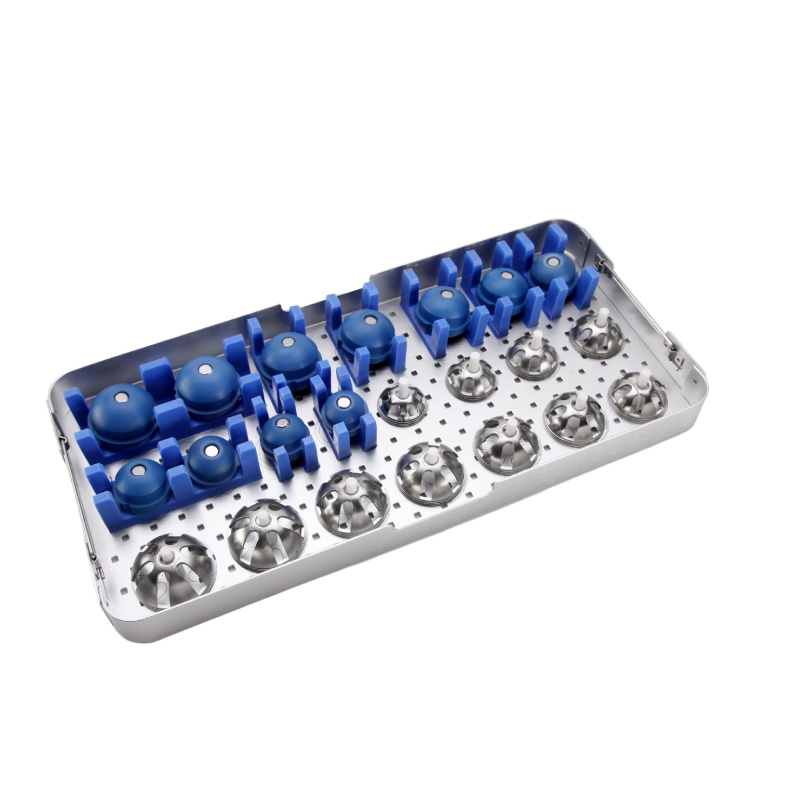
Total Ankle Replacement System: A Comprehensive Patient Guide
1. Comprehensive Introduction & Overview
The ankle joint, a complex articulation of the tibia, fibula, and talus bones, is crucial for mobility, balance, and weight-bearing. When this vital joint is severely damaged by arthritis or injury, leading to chronic pain and significant functional limitation, a total ankle replacement (TAR), also known as ankle arthroplasty, may be a life-changing solution.
Total Ankle Replacement is a sophisticated orthopedic surgical procedure designed to alleviate pain, restore motion, and improve the overall quality of life for individuals suffering from end-stage ankle arthritis. Unlike ankle fusion (arthrodesis), which permanently fuses the bones of the ankle to eliminate motion, TAR aims to preserve or restore a more natural range of motion, allowing for a more active lifestyle.
This comprehensive guide will delve into the intricacies of total ankle replacement systems, from their advanced design and materials to the detailed surgical applications, biomechanical principles, and expected patient outcomes. Our goal is to provide patients with a clear, authoritative, and easy-to-understand resource to help them make informed decisions about their ankle health.
2. Deep-dive into Technical Specifications / Mechanisms
Modern total ankle replacement systems are marvels of biomedical engineering, meticulously designed to replicate the complex mechanics of the natural ankle joint. They comprise several key components, each crafted from advanced, biocompatible materials.
Components of a Total Ankle Replacement System
A typical TAR system consists of three primary components:
- Tibial Component: This metal component is implanted into the end of the shin bone (tibia). It often features a stem or keel that extends into the bone for stable fixation, and a smooth, curved surface that articulates with the polyethylene insert.
- Talar Component: This metal component replaces the top part of the talus bone (ankle bone). It is designed to conform to the natural shape of the talus and articulates with the polyethylene insert.
- Polyethylene Bearing (Insert): Made from ultra-high molecular weight polyethylene (UHMWPE), this durable plastic insert is placed between the tibial and talar metal components. It acts as a smooth, low-friction surface, allowing the metal components to glide against each other, mimicking the natural cartilage.
Design Philosophies and Materials
The evolution of TAR systems has led to various design philosophies, primarily categorized by their bearing mechanism and fixation method.
Bearing Mechanisms:
- Fixed-Bearing Systems: In these designs, the polyethylene insert is securely attached to the tibial component, creating a fixed articulation with the talar component.
- Pros: Potentially more stable, simpler design.
- Cons: Higher stresses on the polyethylene, potentially leading to increased wear over time.
- Mobile-Bearing Systems: Here, the polyethylene insert is unconstrained and allowed to move slightly between the tibial and talar components.
- Pros: Distributes stress more evenly across the polyethylene, potentially reducing wear and extending implant life. Mimics natural ankle kinematics more closely.
- Cons: Requires precise surgical technique; potential for dislocation or "spin-out" of the insert, though rare with modern designs.
Fixation Methods:
- Cementless Fixation: Most modern TAR systems utilize cementless fixation. The metal components have porous surfaces (e.g., titanium plasma spray, hydroxyapatite coating) that encourage the patient's bone to grow into them, creating a biological bond.
- Pros: Long-term biological fixation, avoids issues associated with cement.
- Cons: Requires good bone quality, initial stability is crucial.
- Cemented Fixation: Less common for primary TAR, but sometimes used. Surgical cement is used to bond the components to the bone.
- Pros: Immediate stability, useful in compromised bone quality.
- Cons: Potential for cement loosening over time, biological reaction to cement.
Materials:
- Metal Components: Typically made from cobalt-chromium alloys or titanium alloys. These materials are chosen for their excellent biocompatibility, strength, corrosion resistance, and fatigue life.
- Polyethylene Insert: Ultra-high molecular weight polyethylene (UHMWPE) is the standard material due to its exceptional wear resistance and low friction coefficient. Advanced cross-linked polyethylenes are also being explored for even greater durability.
Biomechanics of Total Ankle Replacement
The goal of TAR biomechanics is to restore the natural kinematic function of the ankle. This involves:
* Range of Motion: Allowing for physiological dorsiflexion (lifting the foot) and plantarflexion (pointing the foot down), crucial for walking and daily activities.
* Load Distribution: Distributing weight-bearing forces evenly across the joint surfaces to prevent stress concentrations and premature wear.
* Ligament Balance: Achieving proper tension in the surrounding ligaments is critical for joint stability and smooth motion. The surgeon carefully assesses and often adjusts ligament tension during surgery.
* Joint Alignment: Correct alignment of the ankle joint and lower extremity is paramount to ensure proper function and longevity of the implant. Malalignment can lead to uneven wear and early failure.
3. Extensive Clinical Indications & Usage
Total ankle replacement is a highly specialized procedure considered for specific patient profiles.
Clinical Indications for TAR
The primary indication for total ankle replacement is end-stage ankle arthritis, which can stem from various causes:
- Osteoarthritis: Often develops after a severe ankle injury (post-traumatic arthritis), leading to cartilage breakdown.
- Rheumatoid Arthritis: An inflammatory autoimmune disease that attacks joint linings.
- Other Inflammatory Arthropathies: Psoriatic arthritis, ankylosing spondylitis.
- Avascular Necrosis of the Talus: Death of bone tissue due to interruption of blood supply.
Patients are typically considered for TAR if they experience:
* Severe, chronic ankle pain that significantly impacts daily activities and quality of life.
* Pain unresponsive to conservative treatments, including:
* Medications (NSAIDs, analgesics)
* Physical therapy
* Bracing or orthotics
* Corticosteroid injections
* Activity modification
* Significant functional impairment, such as difficulty walking, standing, or performing routine tasks.
* Good bone quality to support the implants.
* Absence of active infection or severe peripheral vascular disease.
Pre-operative Planning and Patient Selection
Meticulous pre-operative planning is crucial for a successful TAR. This involves:
- Comprehensive Medical Evaluation: Assessing the patient's overall health, medical history, and existing comorbidities to ensure they are fit for surgery.
- Detailed Imaging:
- Weight-bearing X-rays: To assess joint space narrowing, bone spurs, and alignment.
- CT Scan: Provides detailed 3D images of bone structure, crucial for templating implant size and position, and assessing bone stock.
- MRI (less common for TAR planning): May be used to assess soft tissue structures if indicated.
- Physical Examination: Assessing range of motion, stability, deformity, and neurovascular status.
- Patient Education and Counseling: Discussing realistic expectations, potential risks, and the commitment required for rehabilitation.
Surgical Procedure (General Overview)
The total ankle replacement surgery is a complex procedure performed by an orthopedic surgeon specializing in foot and ankle surgery.
- Anesthesia: General anesthesia is typically used, often combined with a regional nerve block for post-operative pain control.
- Incision: An incision is made, usually on the front (anterior) or side (lateral) of the ankle, to access the joint.
- Bone Preparation: The damaged cartilage and arthritic bone are carefully resected from the ends of the tibia and talus using specialized instruments and jigs to ensure precise cuts.
- Trial Implants: Trial components are inserted to assess fit, alignment, and ligament balance. Adjustments are made as necessary.
- Permanent Implantation: The final metal tibial and talar components are then implanted, followed by the polyethylene insert.
- Ligament Balancing: The surgeon ensures proper tension of the surrounding ligaments to achieve optimal stability and range of motion.
- Wound Closure: The incision is closed in layers, and a sterile dressing is applied, often followed by a splint or cast.
Post-operative Care and Rehabilitation
Post-operative care is as critical as the surgery itself for a successful outcome.
- Initial Immobilization: The ankle is typically immobilized in a splint or cast for several weeks to protect the healing tissues and allow bone ingrowth (for cementless implants).
- Pain Management: A multi-modal approach to pain control is used, including oral medications, nerve blocks, and sometimes patient-controlled analgesia (PCA).
- Physical Therapy: A structured rehabilitation program begins, initially focusing on gentle range-of-motion exercises, progressing to strengthening, balance training, and gait re-education.
- Weight-Bearing Progression: Weight-bearing is gradually increased over several weeks or months, as directed by the surgeon.
- Return to Activities: Patients gradually return to daily activities, with restrictions on high-impact sports. Full recovery can take 6-12 months.
4. Risks, Side Effects, or Contraindications
While total ankle replacement can significantly improve quality of life, it is a major surgical procedure with potential risks and contraindications.
General Surgical Risks
- Infection: Risk of infection at the surgical site or deep within the joint, potentially requiring further surgery or implant removal.
- Bleeding: Excessive blood loss during or after surgery.
- Nerve Damage: Injury to nerves around the ankle, leading to numbness, tingling, or weakness.
- Blood Clots (DVT/PE): Formation of blood clots in the legs (deep vein thrombosis) or lungs (pulmonary embolism).
- Anesthesia Risks: Adverse reactions to anesthesia.
TAR-Specific Risks and Side Effects
- Implant Loosening or Failure: The implants may loosen from the bone over time, or components may wear out, requiring revision surgery.
- Polyethylene Wear: The plastic insert can wear down, necessitating replacement.
- Periprosthetic Fracture: Fracture of the bone around the implant.
- Stiffness or Limited Range of Motion: Despite the goal of restoring motion, some patients may experience persistent stiffness.
- Wound Healing Issues: Delayed wound healing or skin breakdown, particularly in patients with diabetes or vascular issues.
- Nerve Irritation/Neuropathy: Persistent nerve pain or numbness.
- Continued Pain: While pain relief is the primary goal, some patients may experience residual pain.
- Revision Surgery: The need for additional surgery to address complications or implant failure.
- Heterotopic Ossification: Abnormal bone formation in soft tissues around the joint.
Contraindications for Total Ankle Replacement
Certain conditions make a patient unsuitable for T