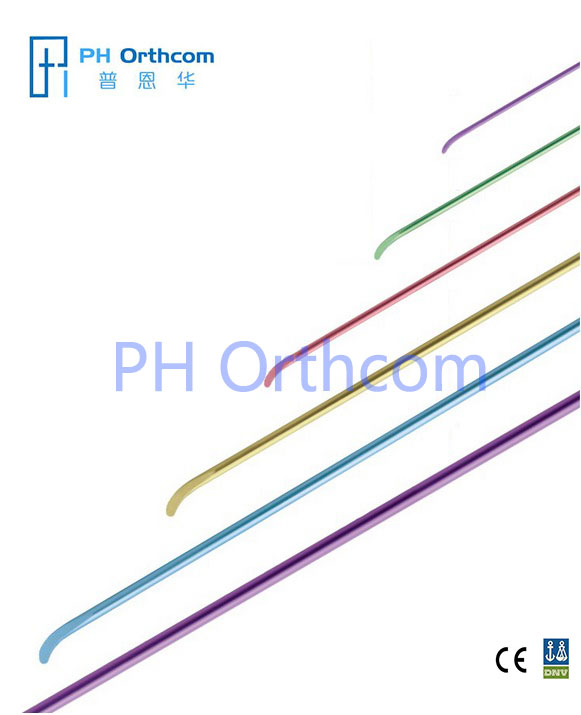
Titanium Elastic Nails (TENs / Nancy Nails): A Comprehensive Guide to Pediatric Fracture Stabilization
Welcome to this in-depth guide on Titanium Elastic Nails (TENs), also affectionately known as "Nancy Nails." As an expert in orthopedic care, Dr. Mohammed Hutaif is dedicated to providing the most advanced and patient-friendly solutions for musculoskeletal injuries, particularly in children. This guide aims to demystify TENs, offering comprehensive insights into their design, application, benefits, and what patients and their families can expect. Please remember, this information is for educational purposes only and does not constitute medical advice. Always consult with a qualified healthcare professional for diagnosis and treatment.
1. Comprehensive Introduction & Overview
Pediatric fractures are a common occurrence, and their management requires specialized approaches that consider the unique anatomy and growth potential of a child's bones. Titanium Elastic Nailing (TENs) is a revolutionary technique that has transformed the treatment of many long bone fractures in children.
What are Titanium Elastic Nails (TENs)?
TENs are thin, flexible rods made of biocompatible titanium alloy, designed to be inserted into the hollow (intramedullary) canal of a fractured long bone. They provide stable, yet flexible, internal fixation, allowing for early mobilization and promoting natural bone healing. The term "Nancy Nails" originated from Nancy, France, where the technique was pioneered in the 1980s by Drs. Métaizeau and Léger.
Why are TENs particularly suitable for children?
* Preservation of Growth Plates: Unlike some other fixation methods, TENs are inserted away from the epiphyses (growth plates), minimizing the risk of growth disturbance.
* Minimally Invasive: The surgical approach is typically small, leading to less soft tissue disruption, reduced scarring, and faster recovery.
* Elastic Stability: They provide dynamic stability, allowing controlled micromotion at the fracture site, which is beneficial for callus formation and bone healing.
* Early Mobilization: Patients can often bear weight and engage in rehabilitation much sooner than with traditional casting or rigid fixation.
This technique represents a significant advancement in pediatric orthopedics, offering excellent functional and cosmetic outcomes for young patients.
2. Deep-dive into Technical Specifications / Mechanisms
The success of TENs lies in their clever design and the biomechanical principles they leverage.
Design and Materials
- Material: TENs are exclusively manufactured from high-grade titanium alloy (Ti-6Al-4V). This material is chosen for several critical properties:
- Biocompatibility: Titanium is highly compatible with human tissues, reducing the risk of allergic reactions or rejection.
- Elasticity: It possesses a high degree of elasticity, allowing the nails to bend and conform to the bone's curvature while providing dynamic stability.
- Strength-to-Weight Ratio: Offers excellent strength despite being lightweight, crucial for supporting fractured bones.
- Corrosion Resistance: Highly resistant to corrosion within the body's environment.
- Shape and Size:
- Diameter: Available in a range of diameters, typically from 1.5 mm to 4.0 mm, to accommodate various bone sizes and patient ages. The choice depends on the intramedullary canal width, aiming for nails that fill 60-80% of the canal diameter.
- Curvature: Nails are often pre-bent or can be manually contoured by the surgeon to match the natural physiological curvature of the specific bone (e.g., femur, tibia, humerus). This pre-bending is crucial for achieving the "three-point fixation" principle.
- Tips: Nails can have different tip designs (e.g., blunt, pointed, beveled) to facilitate smooth insertion and minimize cortical damage.
- Surface: The surface of TENs is typically smooth to reduce friction during insertion and removal.
Fitting/Usage Instructions (Principles of Insertion)
The insertion of TENs is a precise surgical procedure performed under fluoroscopic (X-ray) guidance.
1. Entry Point Selection: Small incisions (typically 1-2 cm) are made, often in the metaphysis (wider end) of the bone, away from the growth plate. The exact entry point varies depending on the bone and fracture location.
2. Pilot Hole Creation: A small drill hole is made through the bone cortex at the chosen entry point.
3. Nail Preparation: Two TENs (usually) are selected, pre-bent to the appropriate curvature, and attached to an insertion handle.
4. Insertion: The nails are carefully advanced into the intramedullary canal, typically from opposing sides of the bone (e.g., one from proximal, one from distal in forearm fractures; or both from the same metaphysis in femur fractures, crossing at the fracture site).
5. Three-Point Fixation: The nails are advanced past the fracture site and into the opposing bone segment. The pre-bending of the nails causes them to press against the inner walls of the bone at three distinct points: the entry point, the fracture site, and the opposite metaphysis. This creates a stable construct.
6. Fracture Reduction: As the nails are inserted and advanced, they help to reduce (realign) the fracture fragments. The surgeon uses external manipulation and fluoroscopy to ensure optimal alignment.
7. Symmetry and Engagement: The nails are inserted symmetrically and advanced until their tips are firmly engaged in the bone cortex, but not protruding into the joint.
8. Trimming: Once optimal position and stability are achieved, the excess length of the nails is cut flush with the bone cortex or just beneath the skin.
9. Wound Closure: The small incisions are closed with sutures.
Biomechanics: How TENs Provide Stability
TENs achieve fracture stabilization through a principle of elastic intramedullary nailing.
* Dynamic Stabilization: Unlike rigid plates or external fixators, TENs allow for controlled, micro-motion at the fracture site. This "dynamic" environment is believed to stimulate periosteal and endosteal callus formation, which is crucial for biological bone healing.
* Load Sharing: The nails share the load with the bone, preventing stress shielding (where the implant takes all the load, weakening the bone). This promotes bone remodeling and strengthening.
* Three-Point Fixation: As described above, the pre-bent nails create internal pressure against the bone walls, resisting bending and rotational forces.
* Intramedullary Splinting: By occupying the medullary canal, the nails act as an internal splint, preventing excessive displacement of the fracture fragments.
* Rotational Stability: The interaction of two pre-bent nails within the canal significantly resists rotational forces, especially when placed in a "cross-over" configuration.
3. Extensive Clinical Indications & Usage
TENs are a versatile treatment option, primarily used in pediatric traumatology for various long bone fractures.
Primary Indications
TENs are most commonly indicated for:
| Bone | Fracture Type | Patient Age/Weight Considerations |
|---|---|---|
| Femur | Midshaft (diaphyseal) fractures (transverse, short oblique, spiral) | Children typically aged 5-14 years, weighing 20-50 kg. |
| Tibia | Midshaft (diaphyseal) fractures | Children with open physes (growth plates), avoiding joint involvement. |
| Forearm | Midshaft fractures of radius and/or ulna | Common in children and adolescents, especially unstable fractures. |
| Humerus | Midshaft (diaphyseal) fractures | Similar to forearm, ensuring stable fixation. |
| Clavicle | Select displaced midshaft fractures | Less common, for specific unstable patterns in older children. |
Specific Clinical Considerations
- Closed vs. Open Fractures: TENs are ideal for closed fractures. For open fractures, careful debridement and antibiotic prophylaxis are crucial.
- Fracture Pattern: Best for simple transverse, short oblique, or spiral fractures. Highly comminuted (many fragments) fractures may be less suitable.
- Associated Injuries: The presence of other injuries (e.g., head injury, polytrauma) might influence the choice of fixation, as TENs allow for early mobilization and easier nursing care.
- Patient Compliance: While less reliant on strict compliance than casts, some level of cooperation for post-operative care is beneficial.
Surgical Procedure Overview (Simplified for Patients)
- Pre-operative Planning: X-rays are carefully reviewed, and the appropriate nail diameter and length are selected. The surgeon plans the entry points and trajectory.
- Anesthesia: General anesthesia is typically administered.
- Patient Positioning: The child is positioned on the operating table to allow optimal access to the fracture site and fluoroscopy.
- Incisions and Entry: Small incisions are made, and pilot holes are drilled into the bone cortex.
- Fracture Reduction: The fracture fragments are manually realigned under X-ray guidance.
- Nail Insertion: The pre-bent TENs are carefully inserted into the bone marrow canal, crossing the fracture site and engaging both main fragments.
- Confirmation of Position: Fluoroscopy is used throughout the procedure to confirm correct nail placement, fracture reduction, and stability.
- Nail Trimming: The nails are cut to an appropriate length, usually just beneath the skin or flush with the bone.
- Wound Closure: The small incisions are closed with absorbable sutures, and a sterile dressing is applied.
- Post-operative Care: Pain management, elevation, and early mobilization protocols are initiated.
Patient Outcome Improvements
The use of TENs significantly improves patient outcomes in several ways:
* Faster Healing: The dynamic stability promotes robust callus formation.
* Reduced Pain: Compared to external fixation or prolonged casting, TENs often lead to less discomfort post-operatively.
* Earlier Mobilization & Rehabilitation: Children can often bear weight and start physical therapy much sooner, restoring function and preventing muscle atrophy.
* Excellent Functional Recovery: Most children return to their pre-injury activity levels without long-term limitations.
* Cosmetic Results: Small incisions result in minimal scarring.
* Minimization of Growth Disturbances: By avoiding the growth plates, the risk of limb length discrepancy or angular deformities is significantly reduced.
4. Risks, Side Effects, or Contraindications
While TENs are generally safe and effective, it's important for patients and parents to be aware of potential risks, side effects, and situations where TENs might not be the best option.
Potential Risks and Complications
| Category | Description |
|---|---|
| Infection | Superficial (at incision site) or deep (osteomyelitis) – rare but serious. |
| Malunion/Nonunion | Fracture heals in an unacceptable alignment (malunion) or fails to heal (nonunion) – uncommon with TENs. |
| Neurovascular Injury | Damage to nearby nerves or blood vessels during insertion – rare, minimized by careful technique. |
| Hardware Irritation | Prominent nail ends causing skin irritation or pain, often requiring early removal. |
| Nail Migration/Protrusion | Nails may shift or protrude from the bone, requiring repositioning or early removal. |
| Refracture | Risk of re-breaking the bone after nail removal, especially if activity is resumed too quickly. |
| Delayed Union | Slower than expected healing, though eventually heals. |
| Compartment Syndrome | A rare but serious condition where swelling within a muscle compartment compromises blood flow. |
| Growth Disturbance | Extremely rare if growth plates are meticulously avoided during insertion. |
Side Effects (Common & Mild)
- Pain and Swelling: Expected post-operatively, managed with medication.
- Bruising: Common around the incision sites.
- Temporary Limited Range of Motion: Due to swelling or pain, improves with rehabilitation.
Contraindications
TENs may not be suitable in the following situations:
* Severe Open Fractures: High risk of infection, often requires external fixation initially.
* Highly Comminuted Fractures: Too many fragments to achieve stable fixation with elastic nails.
* Fractures with Significant Bone Loss: Insufficient bone stock for nail engagement.
* Very Young Children (Infants): Bones may be too small or too fragile for stable fixation.
* Very Large/Obese Adolescents: Insufficient stability due to high body weight and load.
* Pathological Fractures: Fractures through diseased bone (e.g., tumors, severe osteogenesis imperfecta) may require different implants.
* Fractures extending into joints: Intra-articular fractures often require more rigid, anatomical reduction and fixation.
5. Expert Tips from Dr. Mohammed Hutaif
As an orthopedic specialist, Dr. Mohammed Hutaif offers these insights for optimal outcomes with Titanium Elastic Nailing:
- Meticulous Pre-operative Planning: "The success of TENs begins long before the incision. Careful assessment of X-rays, understanding the fracture pattern, and precise measurement for nail diameter and length are paramount. I always consider the child's age, weight, and activity level."
- Appropriate Nail Selection and Contouring: "Choosing the correct nail diameter (typically 60-80% of the narrowest medullary canal) and meticulously pre-bending the nails to achieve optimal three-point fixation is critical for stability and preventing migration."
- Minimally Invasive Technique: "While aiming for stable fixation, it's crucial to minimize soft tissue dissection. Small incisions and careful handling reduce surgical trauma, pain, and accelerate healing."
- Precise Entry Points: "Selecting the correct entry points, consistently away from the growth plates, is non-negotiable to prevent iatrogenic growth disturbances."
- Symmetrical Insertion: "Inserting two nails symmetrically and ensuring they cross the fracture site effectively provides excellent rotational stability and bending resistance."
- Post-operative Rehabilitation: "Early, supervised mobilization and physical therapy are key. While TENs allow for early weight-bearing, a structured rehabilitation program is essential to regain full strength and range of motion."
- Patient and Parent Education: "Clear communication with families about the procedure, expected recovery, activity restrictions, and signs of potential complications empowers them to be active participants in the healing process."
- Timely Nail Removal: "TENs are temporary implants. Once the fracture has healed adequately, typically between 6 to 12 months, their removal is generally recommended to prevent irritation or potential refracture around the implant."
6. Massive FAQ Section
Q1: What exactly are Titanium Elastic Nails (TENs) and how do they work?
A1: Titanium Elastic Nails (TENs), also known as Nancy Nails, are flexible rods made of titanium alloy. They are inserted into the hollow center (medullary canal) of a broken bone in children. They work by providing dynamic internal support, acting like an internal splint that allows the bone to heal naturally while providing stability. Their elasticity allows for controlled movement at the fracture site, which actually encourages faster bone healing.
Q2: Who is a good candidate for TENs?
A2: TENs are primarily used for children and adolescents with long bone fractures, such as those in the thigh bone (femur), shin bone (tibia), forearm (radius and ulna), or upper arm bone (humerus). They are particularly suitable for children aged approximately 5 to 14 years, with certain types of stable fractures (transverse, short oblique, spiral) that haven't severely damaged the skin or surrounding tissues.
Q3: How are TENs inserted during surgery?
A3: The procedure is performed under general anesthesia. Small incisions (1-2 cm) are made, typically near the ends of the bone, away from the growth plates. The surgeon then carefully drills small holes and inserts two pre-bent titanium nails into the bone's hollow canal. Using X-ray guidance (fluoroscopy), the nails are advanced across the fracture site to realign and stabilize the bone fragments. Once stable, the excess nail length is trimmed, and the incisions are closed.
Q4: How long do TENs typically stay in the bone?
A4: TENs are temporary implants. They usually remain in place until the fracture has fully healed and the bone has regained sufficient strength, which is typically between 6 to 12 months, depending on the child's age, bone, and fracture severity. Your doctor will monitor the healing process with X-rays.
Q5: Is the removal of TENs a painful procedure?
A5: The removal of TENs is a simpler procedure than their insertion and is usually performed on an outpatient basis under general anesthesia. While there might be some discomfort afterward, it is generally well-managed with pain medication. The recovery from removal is much faster than the initial fracture recovery.
Q6: What are the main benefits of using TENs compared to traditional casting or other fixation methods?
A6: TENs offer several significant advantages for children:
* Minimally Invasive: Smaller incisions mean less scarring and tissue damage.
* Faster Recovery: Allows for earlier weight-bearing and mobilization, leading to quicker return to activities.
* Preserves Growth Plates: Reduces the risk of growth disturbances because the nails avoid the growth plates.
* Dynamic Healing: The controlled flexibility promotes natural bone healing.
* Improved Comfort: Often more comfortable than a bulky cast, especially for active children.
Q7: Can my child participate in sports or strenuous activities while the TENs are in place?
A7: While TENs allow for early mobilization, high-impact sports or strenuous activities are generally restricted until the nails are removed and the bone is fully healed. Your doctor will provide specific guidelines based on the fracture type and healing progress. Low-impact activities like walking or swimming may be permitted sooner.
Q8: What are the potential complications or risks associated with TENs?
A8: While generally safe, potential complications can include infection (at the incision site), skin irritation from the nail ends, nail migration or protrusion, delayed healing, or, rarely, nerve or blood vessel damage during insertion. Refracture after nail removal is also a possibility if activity is resumed too quickly. Your doctor will discuss these risks with you thoroughly.
Q9: How should I care for the incision sites after surgery?
A9: You will receive specific instructions from your healthcare team. Generally, keep the incision sites clean and dry. Avoid submerging them in water (baths, swimming pools) until they are fully healed. Watch for signs of infection such as increased redness, swelling, warmth, pus, or fever, and contact your doctor immediately if these occur.
Q10: Will TENs affect my child's bone growth or cause a limb length discrepancy?
A10: One of the primary advantages of TENs in pediatric orthopedics is that they are designed to avoid the growth plates (epiphyses) of the bone. This significantly minimizes the risk of growth disturbance or limb length discrepancy, which is a major concern with other fixation methods that might cross or damage these critical growth areas.
Q11: What if the ends of the nails become prominent or cause discomfort?
A11: It is not uncommon for the ends of the nails, especially in thinner children, to become palpable or even slightly prominent under the skin. If they cause significant irritation, pain, or skin breakdown, your doctor might recommend an earlier removal of the nails once the fracture has achieved sufficient healing. This is a common and usually minor issue.
Q12: Can Titanium Elastic Nails be used in adults?
A12: While TENs are primarily designed and indicated for pediatric fractures due to the unique healing properties and growth considerations in children, modified elastic nailing techniques or similar flexible intramedullary nails are sometimes used in adults for specific types of fractures, particularly in smaller bones or for less demanding fixation. However, rigid intramedullary nails or plates are more commonly used for adult long bone fractures.
Disclaimer: This content is for informational purposes only and is not intended as medical advice. Always consult with a qualified healthcare professional for any health concerns or before making any decisions related to your health or treatment.