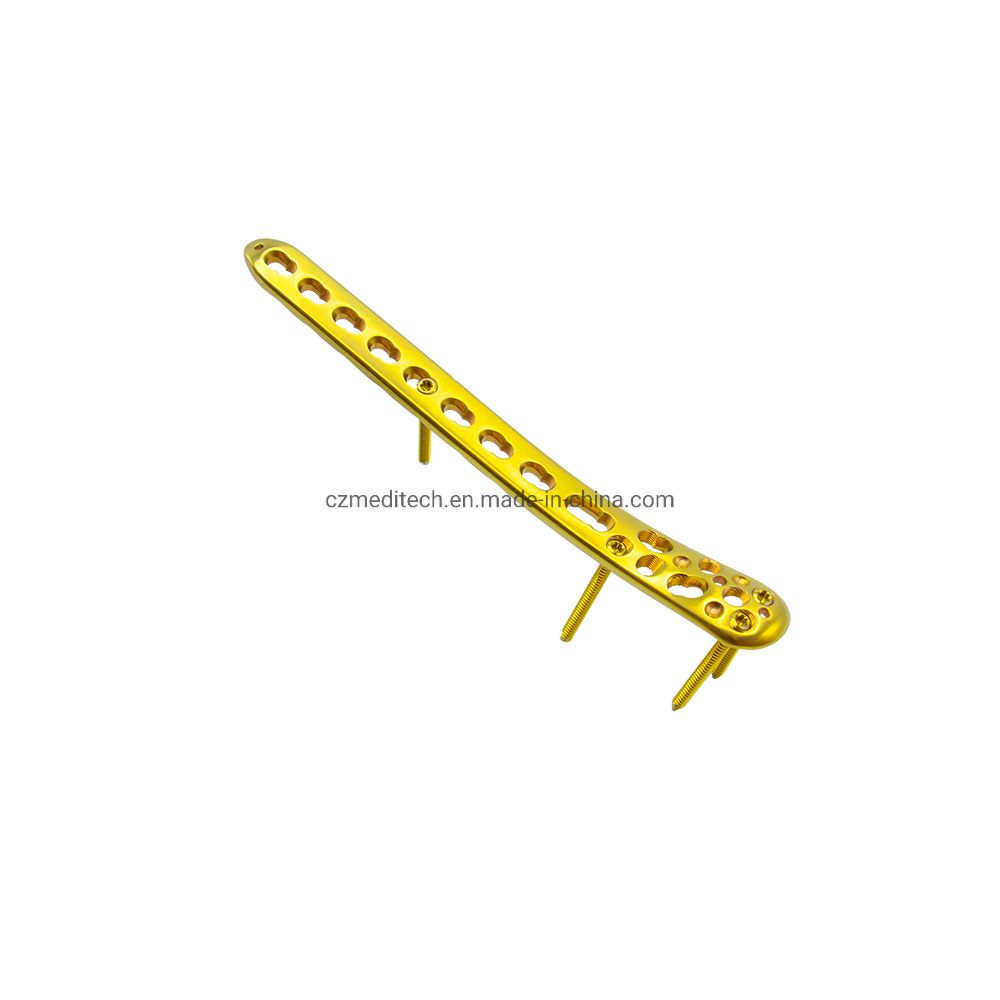
The Tibial Baseplate: A Comprehensive Guide to Cemented and Cementless Options in Total Knee Arthroplasty
1. Comprehensive Introduction & Overview
The tibial baseplate is a critical component in Total Knee Arthroplasty (TKA), serving as the foundation upon which the knee's new articular surface rests. Positioned on the resected proximal tibia, this implant is designed to restore stability, alignment, and function to a diseased or damaged knee joint. It acts as an interface between the patient's bone and the polyethylene insert that articulates with the femoral component.
The choice between a cemented and cementless tibial baseplate is a significant decision in TKA, impacting surgical technique, immediate stability, long-term fixation, and potential patient outcomes. While cemented fixation has been the gold standard for decades, leveraging polymethylmethacrylate (PMMA) bone cement for immediate mechanical interlock, cementless designs have gained increasing traction. Cementless baseplates rely on a press-fit application and the biological ingrowth of bone into a porous surface, aiming for durable, long-term biological fixation.
This comprehensive guide will delve into the intricate world of tibial baseplates, exploring their design principles, material science, biomechanical considerations, detailed clinical applications, surgical protocols, maintenance guidelines, and crucial patient outcome improvements. Understanding these facets is paramount for orthopedic surgeons, medical professionals, and patients considering TKA.
2. Deep-Dive into Technical Specifications / Mechanisms
The performance and longevity of a tibial baseplate are intrinsically linked to its design, material composition, and the mechanism by which it achieves fixation.
2.1. Design Principles
Tibial baseplates come in various configurations, each tailored to specific surgical philosophies and patient needs:
- Fixed Bearing vs. Mobile Bearing:
- Fixed Bearing: The polyethylene insert is securely locked into the metallic tibial baseplate. This design offers high stability and a consistent articulation point but can lead to increased polyethylene wear in some cases due to concentrated stress.
- Mobile Bearing: The polyethylene insert is not rigidly fixed to the baseplate; instead, it is designed to rotate and translate slightly within the baseplate. This theoretically allows for reduced contact stresses, potentially lowering polyethylene wear and mimicking more natural knee kinematics. However, it carries a slightly higher risk of dislocation of the insert.
- Cruciate-Retaining (CR) vs. Posterior-Stabilized (PS):
- Cruciate-Retaining (CR): Designed to preserve the patient's posterior cruciate ligament (PCL). The tibial tray typically has a concave surface to accommodate the femoral condyles, and the PCL helps provide posterior stability.
- Posterior-Stabilized (PS): In cases where the PCL is compromised or resected, PS designs incorporate a post on the polyethylene insert that articulates with a cam on the femoral component. This cam-post mechanism provides posterior stability and helps initiate femoral rollback during flexion.
- Anatomical vs. Non-Anatomical: Many modern designs are anatomically contoured to better fit the natural shape of the proximal tibia, aiming for improved bone coverage and load distribution.
- Stemmed vs. Non-Stemmed: While most primary baseplates are non-stemmed or have short keels/pegs, revision baseplates often feature longer stems (cemented or cementless) to provide enhanced fixation and stability in cases of significant bone loss or compromised bone stock.
2.2. Materials Science
The selection of materials is crucial for biocompatibility, strength, and durability:
- Metallic Baseplate Component:
- Cobalt-Chromium (CoCr) Alloys: Historically popular due to their high strength, wear resistance, and corrosion resistance.
- Titanium (Ti) Alloys: Increasingly favored, particularly for cementless applications, due to their excellent biocompatibility, lower elastic modulus (closer to bone, potentially reducing stress shielding), and good fatigue strength.
- Porous Coatings (for Cementless Fixation):
- Titanium Plasma Spray (TPS): A common method where a porous layer of titanium is applied to the metal substrate, creating a scaffold for bone ingrowth.
- Hydroxyapatite (HA) Coating: A bioactive ceramic coating that mimics the mineral component of natural bone, actively promoting osteointegration and potentially accelerating bone ingrowth.
- Trabecular Metal/Porous Tantalum: Highly porous structures that offer excellent initial stability and promote rapid and robust bone ingrowth due to their high porosity and interconnected pore structure.
- Polyethylene Articular Surface:
- Ultra-High Molecular Weight Polyethylene (UHMWPE): The standard material for the articulating surface. Advancements include:
- Highly Cross-linked Polyethylene (XLPE): Irradiating UHMWPE creates cross-links, significantly improving wear resistance by reducing free radicals.
- Vitamin E Stabilization: Incorporating vitamin E into XLPE further enhances oxidative stability and reduces long-term degradation, maintaining mechanical properties.
- Ultra-High Molecular Weight Polyethylene (UHMWPE): The standard material for the articulating surface. Advancements include:
2.3. Fixation Mechanisms: Cemented vs. Cementless
The primary distinction lies in how the baseplate is secured to the tibia:
- Cemented Fixation:
- Mechanism: Polymethylmethacrylate (PMMA) bone cement acts as a grout, filling the microscopic irregularities between the implant and the bone. Upon polymerization, it creates a strong, immediate mechanical interlock (interdigitation).
- Advantages: Provides immediate, robust fixation; forgiving in less-than-ideal bone quality; long track record of success.
- Disadvantages: Potential for cement mantle fracture; thermal necrosis of bone during polymerization; difficulty in revision; concerns about monomer toxicity (though rare).
- Cementless Fixation (Biological Fixation):
- Mechanism: Relies on a precise press-fit application of the implant onto the prepared bone, followed by biological ingrowth of bone tissue into the porous surface coating of the baseplate (osteointegration). This process takes weeks to months.
- Advantages: Avoids cement-related issues; potential for longer implant longevity by creating a living bone-implant interface; easier revision in some cases; reduced risk of stress shielding compared to cemented implants due to closer elastic modulus matching.
- Disadvantages: Requires good bone quality for initial press-fit stability; risk of micromotion before ingrowth, which can lead to fibrous tissue formation instead of bone; longer initial recovery for full weight-bearing in some protocols.
2.4. Biomechanics of Tibial Baseplates
The biomechanical interaction between the tibial baseplate, bone, and articulating surfaces is critical for long-term success:
- Load Transfer: The baseplate must efficiently transfer complex loads (compression, shear, torsion) from the knee joint to the underlying tibia without causing excessive stress concentrations in the bone or at the implant-bone interface. Cemented designs distribute loads over a larger area via the cement mantle, while cementless designs rely on direct bone contact and ingrowth.
- Stress Shielding: Occurs when a stiffer implant bears a disproportionate amount of load, shielding the underlying bone from normal physiological stress. This can lead to bone atrophy. Titanium alloys and cementless designs, with their closer modulus to bone, aim to minimize stress shielding compared to stiffer CoCr alloys with thick cement mantles.
- Micromotion: Excessive micromotion at the implant-bone interface (typically >150 microns) can prevent osteointegration in cementless implants, leading to fibrous tissue formation and aseptic loosening. Proper sizing and surgical technique are paramount to ensure initial stability.
- Stability and Kinematics: The baseplate's design (e.g., dish depth, post/cam mechanism) directly influences the stability of the knee and its range of motion, contributing to natural or near-natural knee kinematics.
3. Extensive Clinical Indications & Usage
The selection of a tibial baseplate and its fixation method is tailored to the individual patient and their specific clinical presentation.
3.1. Primary Total Knee Arthroplasty (TKA)
The most common application for tibial baseplates is in primary TKA for conditions such as:
- Osteoarthritis (OA): Degenerative joint disease leading to cartilage loss, pain, and functional impairment.
- Rheumatoid Arthritis (RA): Inflammatory autoimmune disease causing joint destruction.
- Post-traumatic Arthritis: Arthritis resulting from previous knee injuries or fractures.
- Other conditions: Avascular necrosis, severe deformities.
Patient Selection Criteria:
- Age: While historically cementless was preferred for younger, more active patients and cemented for older, less active ones, this distinction is blurring. Modern cementless designs are increasingly used across all age groups.
- Bone Quality: Good bone stock is crucial for cementless fixation to achieve adequate initial press-fit stability and subsequent osteointegration. Patients with severe osteoporosis or significant bone defects may be better candidates for cemented fixation or revision-style implants with stems/wedges.
- Activity Level: More active patients might theoretically benefit from the long-term biological fixation of cementless implants, though long-term data for both types show excellent outcomes.
- Comorbidities: Certain medical conditions may influence the choice (e.g., bleeding disorders, metabolic bone diseases).
- Surgeon Preference and Experience: Often plays a significant role, as surgeons tend to use systems with which they are most proficient.
3.2. Revision Total Knee Arthroplasty
When a primary TKA fails (due to aseptic loosening, infection, wear, instability, or periprosthetic fracture), revision TKA is performed. Revision tibial baseplates often incorporate:
- Longer Stems: To bypass areas of bone loss and gain fixation in healthier diaphyseal bone. These stems can be cemented or cementless.
- Augments/Wedges: To address significant bone defects in the metaphysis, restoring bone stock and providing a stable platform for the baseplate.
- Hinged or Constrained Designs: For cases of severe instability or ligamentous deficiency.
3.3. Detailed Surgical Technique Considerations (Overview)
The implantation of a tibial baseplate requires meticulous surgical planning and execution:
- Preoperative Planning:
- Imaging: X-rays, CT scans, or MRI to assess bone quality, deformity, and templating for implant sizing.
- Templating: Digital or physical templates help determine the optimal size and position of the tibial component.
- Bone Preparation:
- Tibial Resection: Precise bone cuts are made to remove damaged articular cartilage and subchondral bone, creating a flat surface perpendicular to the mechanical axis of the tibia.
- Sizing: Trial components are used to determine the optimal baseplate size that provides maximum cortical coverage without overhang.
- Keel/Peg Preparation: For cemented implants, holes are drilled or a keel cut is made to create space for the cement and keels/pegs. For cementless, precise reaming/broaching creates the exact cavity for a press-fit.
- Component Selection: The surgeon selects the appropriate baseplate design (CR/PS, fixed/mobile) and fixation type (cemented/cementless) based on preoperative planning and intraoperative findings.
- Implantation:
- Cemented: Bone surfaces are prepared (pulsatile lavage, drying), cement is mixed and applied to the bone and/or implant, and the baseplate is impacted into place. Excess cement is removed.
- Cementless: The baseplate is firmly impacted into the precisely prepared tibial bone bed to achieve a stable press-fit.
- Alignment and Balance: Crucial steps involving assessing ligament tension and overall limb alignment to ensure optimal knee function and longevity of the implant.
4. Risks, Side Effects, or Contraindications
While TKA is a highly successful procedure, potential risks and complications are associated with any surgical intervention and specifically with implant use.
4.1. General TKA Risks
- Infection: Periprosthetic joint infection (PJI) is a devastating complication, requiring further surgery.
- Deep Vein Thrombosis (DVT) / Pulmonary Embolism (PE): Blood clots are a serious concern, mitigated by prophylactic measures.
- Nerve or Vascular Injury: Rare but serious complications during surgery.
- Anesthesia Risks: Standard risks associated with general or regional anesthesia.
4.2. Implant-Specific Risks
- Aseptic Loosening: The most common long-term complication, where the implant loses its fixation to the bone without infection. This can occur with both cemented (cement-bone interface failure) and cementless (failure of osteointegration or late interface failure) designs.
- Polyethylene Wear and Osteolysis: Over time, the polyethylene insert can wear down, releasing microscopic particles that trigger an inflammatory response (osteolysis), leading to bone resorption and loosening. Modern XLPE has significantly reduced this risk.
- Periprosthetic Fracture: A fracture occurring around the implant, often due to trauma or stress concentrations.
- Instability / Dislocation: The knee may feel unstable, or the polyethylene insert (in mobile bearing designs) or the entire joint may dislocate.
- Stiffness / Arthrofibrosis: Scar tissue formation can limit range of motion.
- Allergic Reactions: Rare reactions to implant materials (e.g., nickel, cobalt) can occur.
- Subsidence: The implant sinks into the bone, more common with cementless implants if initial fixation is inadequate or bone quality is poor.
4.3. Contraindications
Absolute contraindications for TKA include:
- Active Infection: In the knee or elsewhere in the body (must be treated prior to TKA).
- Neuropathic Arthropathy (Charcot Joint): Due to severe bone destruction and instability.
- Severe Vascular Disease: Compromising healing.
- Poor Skin Condition: Overlying the knee, increasing infection risk.
- Uncontrolled Medical Comorbidities: Making surgery too risky.
Relative contraindications for cementless tibial baseplates specifically include:
- Severe Osteoporosis / Poor Bone Quality: May not allow for adequate initial press-fit stability for osteointegration.
- Significant Bone Defects: Which may preclude stable cementless fixation without extensive grafting or specialized revision implants.
- Certain Inflammatory Arthropathies: Where bone quality might be compromised.
5. Maintenance/Sterilization Protocols (Pre-Implantation)
Ensuring the sterility and integrity of tibial baseplates before implantation is paramount to prevent surgical site infections and implant failure. These protocols are primarily handled by manufacturers and hospital sterilization departments.
5.1. Sterilization
- Manufacturer Sterilization: Tibial baseplates are typically supplied sterile from the manufacturer. Common sterilization methods include:
- Gamma Irradiation: Uses gamma rays to kill microorganisms. Effective for heat-sensitive materials like polyethylene.
- Ethylene Oxide (EtO): A gas sterilization method, often used for heat-sensitive or moisture-sensitive devices.
- Electron Beam (E-beam): Uses accelerated electrons for sterilization.
- Sterility Assurance Level (SAL): Implants are sterilized to achieve a SAL of 10^-6, meaning there is less than a 1 in a million chance of a single viable microorganism being present.
- Packaging: Implants are double or triple packaged in sterile barriers to maintain sterility until the point of use.
5.2. Handling and Storage
- Aseptic Technique: During surgery, strict aseptic technique must be maintained when opening and handling the sterile implant. Only authorized personnel in a sterile field should handle the implant.
- Inspection: Before implantation, the surgeon or scrub nurse must visually inspect the implant for any signs of damage, deformation, or packaging integrity compromise. Any compromised implant must be discarded.
- Storage: Implants should be stored in their original, unopened packaging in a clean, dry, and temperature-controlled environment as per manufacturer guidelines. This ensures sterility and prevents material degradation.
- Shelf Life: Manufacturers specify a shelf life, after which the implant should not be used, even if the packaging appears intact.
5.3. Traceability
- Unique Device Identification (UDI): Most orthopedic implants, including tibial baseplates, carry a UDI system for traceability. This allows for tracking the implant from manufacture to patient, crucial for recall management or adverse event reporting.
6. Patient Outcome Improvements
The evolution of tibial baseplate design and fixation has significantly contributed to the overall success and patient satisfaction with TKA.
- Pain Reduction: TKA is highly effective in alleviating chronic knee pain caused by arthritis, leading to a dramatic improvement in quality of life.
- Functional Recovery: Patients typically experience significant improvements in daily activities, walking ability, and stair climbing.
- Range of Motion (ROM): Modern implant designs and surgical techniques aim to restore a functional range of motion, often allowing for deep flexion, especially with mobile-bearing or PS designs.
- Longevity and Durability: Both cemented and cementless tibial baseplates demonstrate excellent long-term survival rates, with studies showing 10-year survival rates exceeding 90-95% and 20-year rates often above 80%. Cementless designs, by eliminating the cement interface, aim for even greater long-term durability by creating a living bone-implant construct.
- Reduced Complication Rates: Advances in surgical techniques, implant materials (e.g., XLPE), and prophylactic measures have continually reduced the incidence of complications like infection, wear, and loosening.
- Faster Rehabilitation (in some cases): Cementless fixation can sometimes allow for earlier weight-bearing and potentially faster initial rehabilitation, though this varies by surgeon protocol and patient factors.
- Improved Kinematics: Designs that better mimic natural knee movement (e.g., mobile-bearing, anatomically contoured) can lead to a more "natural" feeling knee.
7. Massive FAQ Section
Q1: What is a tibial baseplate in knee replacement surgery?
A1: A tibial baseplate is a metallic component implanted onto the top of the resected tibia (shin bone) during Total Knee Arthroplasty (TKA). It serves as the foundation for the polyethylene (plastic) insert, which articulates with the femoral component, restoring the knee joint's surface.
Q2: What's the main difference between a cemented and a cementless tibial baseplate?
A2: The main difference lies in how they are fixed to the bone. A cemented baseplate uses polymethylmethacrylate (PMMA) bone cement to create an immediate mechanical bond. A cementless baseplate relies on a precise press-fit and a porous surface coating that encourages the patient's bone to grow directly into the implant (osteointegration) over time, creating a biological bond.
Q3: Which type of tibial baseplate (cemented or cementless) is better for me?
A3: The "better" choice depends on several factors, including your age, bone quality, activity level, and the surgeon's preference and experience. Younger, more active patients with good bone quality are often candidates for cementless implants due to the potential for long-term biological fixation. Older patients or those with poorer bone quality may benefit from the immediate stability of cemented implants. Your surgeon will discuss the best option for your specific situation.
Q4: How long does a tibial baseplate typically last?
A4: Both cemented and cementless tibial baseplates have excellent long-term survival rates. Most studies report 10-year survival rates exceeding 90-95%, and many implants last 15-20 years or even longer. Factors like patient activity, weight, and surgical technique can influence longevity.
Q5: What materials are used to make a tibial baseplate?
A5: The metallic component is typically made from cobalt-chromium (CoCr) or titanium (Ti) alloys due to their strength and biocompatibility. Cementless baseplates often have porous coatings of titanium plasma spray or hydroxyapatite to promote bone ingrowth. The articulating surface is made from ultra-high molecular weight polyethylene (UHMWPE), often highly cross-linked and vitamin E stabilized for improved wear resistance.
Q6: Can I be allergic to the materials in a tibial baseplate?
A6: While rare, allergic reactions to implant materials (most commonly nickel, cobalt, or chromium) can occur. If you have known metal allergies, it's crucial to inform your surgeon, who can select implants made from alternative materials (e.g., titanium-only or oxidized zirconium) to minimize the risk.
Q7: What is osteointegration, and why is it important for cementless implants?
A7: Osteointegration is the process where living bone grows directly onto and into the surface of an implanted material, creating a strong, direct structural and functional connection. For cementless tibial baseplates, osteointegration is crucial for long-term biological fixation, providing a durable and stable bone-implant interface that can theoretically last longer than a purely mechanical cement bond.
Q8: How is the correct size of the tibial baseplate determined during surgery?
A8: Surgeons use preoperative imaging (X-rays, CT scans) for templating and intraoperative trial components. During surgery, various sizes of trial baseplates are placed on the resected tibia to ensure optimal coverage of the bone without overhang, which could cause soft tissue irritation, or undersizing, which could lead to subsidence or loosening.
Q9: What are the main risks associated with a tibial baseplate?
A9: Risks specific to the tibial baseplate itself include aseptic loosening (the implant detaches from the bone without infection), polyethylene wear and subsequent bone loss (osteolysis), and periprosthetic fracture (a fracture around the implant). General TKA risks like infection, blood clots, and nerve damage also apply.
Q10: What is the difference between a fixed-bearing and a mobile-bearing tibial baseplate?
A10: In a fixed-bearing design, the polyethylene insert is securely locked into the metallic tibial baseplate. In a mobile-bearing design, the polyethylene insert can rotate and translate slightly within the baseplate, aiming to reduce stress and wear on the plastic, and potentially mimic more natural knee motion. Mobile-bearing designs carry a slightly higher risk of insert dislocation.
Q11: How long is the recovery period after a Total Knee Arthroplasty involving a tibial baseplate?
A11: Recovery varies, but typically, patients begin physical therapy within days of surgery. Initial recovery for walking and daily activities can take 6-12 weeks. Full recovery and return to most activities can take 6 months to a year, with ongoing strength and flexibility improvements.
Q12: Can I return to sports or high-impact activities after getting a tibial baseplate?
A12: Most surgeons advise against high-impact sports like running, jumping, or contact sports after TKA, regardless of the tibial baseplate type, as these activities can accelerate implant wear and increase the risk of loosening or fracture. Low-impact activities like walking, swimming, cycling, and golf are generally encouraged. Your surgeon will provide specific recommendations based on your individual recovery and implant type.