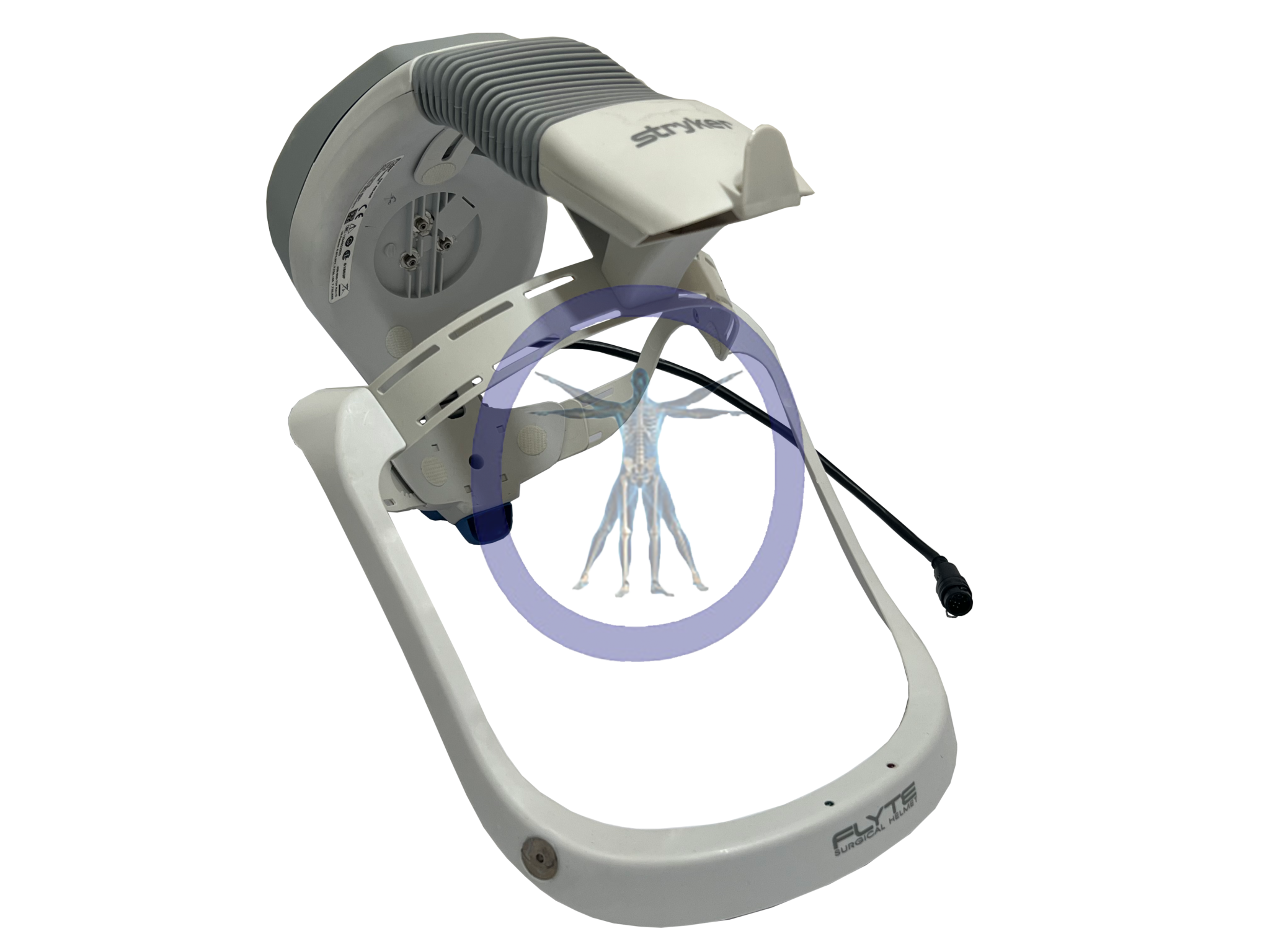
The Stryker T5 / Flyte Surgical Helmet System: Elevating Surgeon Safety and Aseptic Standards in the OR
In the demanding environment of the operating room (OR), the safety of both the surgical team and the patient is paramount. Surgeons are routinely exposed to potential hazards including bloodborne pathogens, bone fragments, aerosols, and splash contamination. The evolution of personal protective equipment (PPE) has seen remarkable advancements, with the Surgical Helmet System standing out as a cornerstone of modern surgical safety protocols. Among these, the Stryker T5 and Flyte Surgical Helmet Systems represent the pinnacle of integrated protection, comfort, and sophisticated design, specifically engineered to meet the rigorous demands of orthopedic and other high-risk surgical specialties.
This comprehensive guide delves into the intricate details of the Stryker T5 / Flyte Surgical Helmet System, exploring its design philosophy, technical prowess, clinical applications, maintenance protocols, and the profound impact it has on surgeon well-being and patient outcomes.
Comprehensive Introduction & Overview: The Imperative of Advanced Surgical PPE
The Stryker T5 / Flyte Surgical Helmet System is a state-of-the-art powered air-purifying respirator (PAPR) designed to provide comprehensive head, face, and respiratory protection for surgeons and surgical staff. It integrates a lightweight helmet with a high-efficiency particulate air (HEPA) filtration system, a clear visor, and often, an integrated light source, ensuring an unobstructed view while maintaining a sterile barrier.
The primary objective of this system is multi-faceted:
* Surgeon Protection: Shielding against splashes, sprays, airborne particulates (e.g., bone dust, cautery smoke), and the transmission of infectious agents.
* Patient Protection: Minimizing the risk of contamination from the surgical team (e.g., hair, skin particles, exhaled breath) into the sterile field, thereby reducing the potential for surgical site infections (SSIs).
* Enhanced Comfort and Focus: Providing a controlled, comfortable environment for the surgeon, reducing fatigue during long procedures, and ensuring clear vision.
The Stryker T5 and Flyte systems, while sharing core protective principles, represent advancements in ergonomics, battery life, and overall user experience, continuously pushing the boundaries of what integrated surgical PPE can achieve.
Deep-Dive into Technical Specifications & Mechanisms
The efficacy of the Stryker Surgical Helmet System lies in its meticulously engineered components and sophisticated operational mechanisms.
Design and Materials
The construction of the Stryker T5 / Flyte system prioritizes durability, lightness, and biological compatibility.
- Helmet Shell: Typically constructed from high-impact resistant medical-grade polymers, such as polycarbonate or ABS plastic. This shell provides robust protection against blunt force trauma (e.g., accidental bumps) and impact from bone fragments.
- Visor: Made from clear, anti-fog, anti-scratch polycarbonate, offering a wide field of vision. Many visors are disposable or easily replaceable to maintain optical clarity and sterility.
- Integrated Fan Unit: Houses a miniature motor and fan assembly designed for quiet operation and efficient airflow.
- HEPA Filter: The cornerstone of respiratory protection. These filters are designed to capture 99.97% of airborne particles 0.3 micrometers in size, including bacteria, viruses, and cellular debris.
- Battery Pack: Rechargeable lithium-ion batteries provide extended operational time, ensuring power throughout lengthy surgical procedures. They are often externally mounted for easy replacement and weight distribution.
- Comfort Liners & Headbands: Hypoallergenic, moisture-wicking foam padding and adjustable headbands ensure a snug, comfortable fit, reducing pressure points and accommodating various head sizes.
- Sterile Shrouds/Hoods: Disposable, fluid-resistant hoods that integrate with the helmet, providing a sterile barrier around the surgeon's head, neck, and shoulders, further preventing contamination of the sterile field.
Operational Mechanisms
The system operates on a principle of positive pressure and continuous airflow.
- Positive Pressure Airflow: Air from the surrounding environment is drawn into the helmet system through the fan unit. This air is then passed through the HEPA filter, removing contaminants. The filtered air is delivered into the helmet, creating a slight positive pressure within the helmet. This positive pressure prevents unfiltered ambient air from entering the helmet, even if there are minor gaps around the visor or shroud.
- Laminar Flow: The filtered air is often directed in a laminar flow pattern across the visor, which actively prevents fogging and maintains clear visibility.
- Battery Management: Advanced battery management systems provide real-time status indicators (e.g., LED lights, audible alerts) for battery life, ensuring surgeons are aware of remaining power and can replace batteries proactively.
- Noise Reduction: Engineered to minimize operational noise, preventing distraction and facilitating communication within the OR.
Key Technical Specifications (Illustrative)
| Feature | Stryker T5 / Flyte (Typical) |
|---|---|
| Filtration Efficiency | 99.97% at 0.3 microns (HEPA standard) |
| Battery Life | 6-10+ hours (depending on model and fan speed) |
| Airflow Rate | ~170-200 liters/minute (adjustable settings) |
| Weight | ~1.0 - 1.5 kg (including battery and filter) |
| Noise Level | < 65 dB (designed for quiet operation) |
| Visor Material | Anti-fog, anti-scratch polycarbonate |
| Power Source | Rechargeable Lithium-Ion Battery Pack |
| Standards Compliance | OSHA, NIOSH, EN 12941 (PAPR standards) |
Extensive Clinical Indications & Usage
The Stryker Surgical Helmet System is indispensable across a broad spectrum of surgical disciplines, particularly those involving significant aerosol generation, fluid splash, or the use of power tools that create bone dust and debris.
Primary Clinical Applications
- Orthopedic Surgery: This is arguably the most common application. Procedures like total joint arthroplasty (hip, knee, shoulder replacement), spinal fusion, trauma surgery (e.g., fracture repair), and arthroscopic procedures generate substantial bone dust, tissue debris, and often involve high-pressure irrigation, leading to significant splash. The helmet system protects against:
- Bone cement fumes.
- Bone dust and fragments from reaming, sawing, and drilling.
- Blood and body fluid splashes.
- Potential airborne pathogens (e.g., MRSA, C. difficile).
- Neurosurgery: Procedures involving bone removal (craniotomy, laminectomy) and irrigation.
- Cardiothoracic Surgery: Sternotomy, lung resections, and procedures with significant blood exposure.
- Oral and Maxillofacial Surgery: High-speed drilling, bone grafting, and extensive irrigation.
- Infectious Disease Cases: Any surgery on patients with known or suspected airborne or droplet-borne infections (e.g., tuberculosis, COVID-19) to provide enhanced respiratory protection.
- Extended Procedures: For surgeries lasting several hours, the continuous, filtered airflow helps maintain surgeon comfort and reduces fatigue compared to traditional masks and eyewear.
Fitting and Usage Instructions
Proper fitting and usage are critical for maximizing the protective benefits and comfort of the Stryker Surgical Helmet System.
- Pre-use Inspection:
- Check battery charge level. Ensure a fully charged battery is installed or readily available.
- Verify the HEPA filter is correctly seated and not expired or damaged.
- Inspect the helmet shell, visor, and shroud for any signs of damage or wear.
- Battery Installation: Insert the charged lithium-ion battery pack into its designated slot, ensuring it clicks securely into place.
- Donning the Helmet:
- Adjust the internal headband for a snug, comfortable fit on your head. The helmet should feel balanced, not front- or back-heavy.
- Place the helmet on your head.
- Secure the chinstrap, if present, ensuring it's comfortable but secure.
- Attaching the Sterile Shroud:
- Carefully attach the sterile disposable shroud to the helmet, following manufacturer instructions. This typically involves snapping or fastening it around the helmet's base, ensuring a complete seal that will integrate with the sterile surgical gown.
- Ensure the shroud covers the head, neck, and shoulders adequately.
- Powering On: Activate the fan unit. Listen for the fan operation and check for any indicator lights confirming proper function.
- Visor Check: Ensure the visor is clean and free of fogging. The positive pressure airflow should immediately begin to clear any condensation.
- Communication: Practice communicating with the helmet on to ensure team members can hear you clearly. Some systems may offer integrated communication solutions.
- Doffing:
- At the end of the procedure, power off the fan.
- Carefully remove the helmet system, avoiding contact with the outer contaminated surfaces.
- Dispose of the sterile shroud and visor (if disposable) according to facility protocols.
- Place the helmet in its designated area for cleaning and recharging.
Maintenance & Sterilization Protocols
Rigorous maintenance and sterilization are paramount to the longevity, efficacy, and safety of the Stryker Surgical Helmet System.
Daily / Post-Procedure Maintenance
- Exterior Cleaning: After each use, the non-sterile exterior surfaces of the helmet (shell, fan unit, battery pack) should be wiped down with a hospital-grade disinfectant solution, following the manufacturer's guidelines and facility infection control policies. Avoid harsh abrasives or solvents that could damage materials.
- Battery Charging: Place the battery pack on its charger immediately after use to ensure it's ready for the next procedure.
- Visor Replacement: If using disposable visors, dispose of them. If reusable, clean and disinfect them as per manufacturer instructions.
- Shroud Disposal: Dispose of the contaminated sterile shroud.
Regular / Scheduled Maintenance
- HEPA Filter Replacement: Filters have a finite lifespan, often specified in hours of use or a maximum time frame (e.g., every 6 months). Adhere strictly to manufacturer recommendations for filter replacement. A clogged filter reduces airflow and filtration efficiency.
- Internal Component Checks: Periodically inspect internal padding, headbands, and straps for wear and tear. Replace as needed to maintain comfort and proper fit.
- Fan Unit Inspection: Check the fan unit for any unusual noise or reduced airflow, which could indicate a need for servicing or replacement.
- Battery Cycle Management: Monitor battery performance. Over time, lithium-ion batteries degrade. Replace battery packs when they no longer hold a charge for the required duration.
- Manufacturer Servicing: Adhere to any recommended annual or periodic servicing by Stryker-authorized technicians to ensure optimal performance and safety.
Important Note: Always refer to the specific Stryker T5 or Flyte user manual for detailed, model-specific cleaning, maintenance, and sterilization instructions, as protocols can vary slightly between models and generations.
Biomechanics and Ergonomics: Enhancing Surgeon Comfort and Performance
While "biomechanics" often refers to the mechanics of the human body, in the context of the surgical helmet, it pertains to the engineering principles applied to optimize the interaction between the device and the surgeon's body, focusing on ergonomics and comfort.
- Weight Distribution: The Stryker T5 / Flyte systems are designed to distribute their weight evenly across the head and neck, minimizing strain. Many systems strategically place the battery pack at the back of the head or on a belt to counterbalance the front-heavy visor and fan unit. This reduces neck fatigue, especially during long procedures.
- Adjustable Fit: Multi-point adjustable headbands and padding allow surgeons to customize the fit, preventing pressure points and ensuring stability during head movements. A stable helmet prevents distraction and maintains clear vision.
- Airflow & Temperature Regulation: The continuous flow of filtered air not only provides respiratory protection but also helps regulate temperature inside the helmet, preventing excessive heat buildup and sweating, which are major contributors to surgeon discomfort and fatigue.
- Unobstructed Vision: The wide, anti-fog visor ensures a broad, clear field of view, crucial for precision surgery. The design aims to minimize peripheral vision obstruction.
- Noise Reduction: Low-noise fan systems prevent auditory fatigue and allow for clear communication within the sterile field, reducing cognitive load.
By meticulously addressing these ergonomic factors, the Stryker Surgical Helmet System allows surgeons to maintain focus, reduce physical strain, and perform at their peak for extended periods, directly contributing to surgical precision and efficiency.
Patient Outcome Improvements: A Ripple Effect of Protection
While the primary beneficiary of the surgical helmet is the surgeon, the enhanced safety and efficiency it provides have a significant, albeit indirect, positive impact on patient outcomes.
- Reduced Surgical Site Infections (SSIs):
- Aseptic Barrier: The sterile shroud and positive pressure airflow create an effective barrier, preventing skin flakes, hair, and exhaled breath droplets from the surgeon from contaminating the sterile field. This directly reduces the bacterial load in the immediate surgical environment.
- Reduced Contamination from Surgeon: By protecting the surgeon from patient fluids and pathogens, the system also inadvertently protects the patient from potential cross-contamination if the surgeon were to touch their face or adjust traditional PPE that might then come near the sterile field.
- Enhanced Surgical Focus and Precision: A comfortable, well-protected surgeon is a less fatigued and more focused surgeon. Clear vision, regulated temperature, and reduced physical strain allow for sustained concentration, which is critical for minimizing errors and optimizing surgical technique. This translates to:
- Shorter surgical times (when applicable).
- Improved precision in complex maneuvers.
- Better overall surgical results.
- Consistency in Care: By standardizing advanced PPE, healthcare facilities ensure a consistent level of protection for their surgical teams, which contributes to a more reliable and safe surgical environment for all patients.
- Reduced Risk of Exposure-Related Complications: For procedures involving infectious agents, the helmet system minimizes the risk of surgeon exposure, thereby ensuring a healthy and available surgical workforce, which is vital for continuous, high-quality patient care.
Risks, Side Effects, or Contraindications
While highly beneficial, the Stryker Surgical Helmet System is not without potential considerations.
Potential Risks and Side Effects
- Discomfort/Pressure Points: Despite ergonomic design, prolonged use can still lead to discomfort, especially if not fitted correctly.
- Heat Buildup: While the fan mitigates it, in very warm OR environments or during highly strenuous activity, some users may still experience residual heat.
- Communication Challenges: Although modern systems are quieter, the presence of a helmet and fan noise can still slightly impede verbal communication.
- Limited Peripheral Vision: Compared to an unobstructed view, the helmet's design can slightly restrict peripheral vision for some users.
- Battery Failure: A dead or malfunctioning battery can compromise protection and require immediate replacement or removal from the sterile field.
- Allergic Reactions: Rare, but possible reactions to materials used in padding or straps.
- Weight Strain: While designed for even distribution, some individuals may still experience neck or shoulder strain, particularly initially.
- Fogging: Although anti-fog features are standard, extreme conditions or system malfunction could lead to temporary visor fogging.
Contraindications
- Claustrophobia: Individuals with severe claustrophobia may find the enclosed nature of the helmet distressing.
- Pre-existing Head/Neck Injuries: Patients with recent or unstable head or neck injuries might find the weight or pressure of the helmet intolerable or detrimental. Consultation with a physician is advised.
- Allergies to System Components: Known severe allergies to the materials used in the helmet.
- Inability to Maintain Aseptic Technique: If the user cannot properly don, doff, or maintain the system without compromising the sterile field, its use may be contraindicated in certain situations.
Massive FAQ Section: Your Questions Answered
Q1: What is the primary purpose of the Stryker T5 / Flyte Surgical Helmet System?
A1: The primary purpose is to provide advanced personal protective equipment (PPE) for surgeons and surgical staff, offering comprehensive head, face, and respiratory protection against bloodborne pathogens, bone fragments, aerosols, and splash contamination, while also contributing to maintaining a sterile surgical field.
Q2: How does the helmet protect against airborne contaminants?
A2: The system uses a powered fan to draw ambient air through a high-efficiency particulate air (HEPA) filter. This filter captures 99.97% of particles 0.3 micrometers in size. The filtered air is then delivered into the helmet, creating a positive pressure environment that prevents unfiltered air from entering.
Q3: Is the Stryker Surgical Helmet System comfortable for long procedures?
A3: Yes, comfort is a key design priority. The systems feature adjustable headbands, moisture-wicking padding, and balanced weight distribution to minimize neck strain. The continuous flow of filtered air also helps regulate temperature inside the helmet, reducing heat buildup and sweating, which enhances comfort during extended surgeries.
Q4: How long does the battery typically last, and what happens if it runs out during surgery?
A4: Battery life typically ranges from 6 to 10+ hours, depending on the model and fan speed settings. Systems are usually equipped with battery indicators (e.g., LED lights, audible alerts) to warn of low power. Surgical teams are trained to have charged spare batteries readily available for quick replacement if needed during a procedure.
Q5: Can I wear my prescription glasses or loupes with the helmet on?
A5: Yes, the Stryker Surgical Helmet Systems are designed to accommodate most prescription glasses and surgical loupes comfortably underneath the visor. The wide field of vision and anti-fog features ensure clarity even with additional eyewear.
Q6: How often do I need to change the HEPA filter?
A6: The frequency of HEPA filter replacement depends on the manufacturer's specifications, often based on hours of use or a maximum time frame (e.g., every 6 months). Always refer to the specific Stryker T5 or Flyte user manual for precise recommendations to ensure optimal filtration efficiency.
Q7: How is the helmet system cleaned and sterilized?
A7: The non-sterile exterior surfaces of the helmet, fan unit, and battery pack are cleaned and disinfected with hospital-grade solutions after each use. Disposable components like sterile shrouds and sometimes visors are discarded. Reusable components follow specific cleaning and disinfection protocols outlined by the manufacturer. The main helmet shell itself is typically not sterilized in an autoclave but disinfected.
Q8: What surgical specialties most commonly use these helmet systems?
A8: The Stryker Surgical Helmet System is most commonly used in orthopedic surgery (e.g., total joint replacements, spinal fusions, trauma), neurosurgery, cardiothoracic surgery, and oral & maxillofacial surgery due to the high risk of bone dust, fluid splash, and aerosol generation in these procedures. It's also utilized in any surgery involving infectious patients.
Q9: Does the helmet system protect the patient from the surgeon?
A9: Yes, indirectly but significantly. The sterile disposable shroud creates a physical barrier, and the positive pressure airflow within the helmet helps contain the surgeon's exhaled breath, skin flakes, and hair, preventing them from contaminating the sterile surgical field. This reduces the risk of surgical site infections (SSIs) for the patient.
Q10: What is the difference between Stryker T5 and Flyte systems?
A10: Both are advanced surgical helmet systems from Stryker, offering similar core protective features. The Flyte system is generally considered a newer generation, often featuring advancements in ergonomics, lighter weight, improved battery technology (e.g., hot-swappable batteries), enhanced airflow efficiency, and potentially more streamlined design for increased comfort and ease of use compared to earlier T5 models. Specific features and improvements can vary between different versions within each line.
Q11: Can the helmet be used by anyone on the surgical team, or just the primary surgeon?
A11: While most commonly associated with the primary surgeon, the Stryker Surgical Helmet System can be used by any member of the surgical team (e.g., first assistants, scrub nurses) who requires enhanced head, face, and respiratory protection due to their proximity to the surgical field and exposure to potential hazards.
Q12: Are there any specific training requirements for using the Stryker Surgical Helmet System?
A12: Yes, proper training is essential. Healthcare facilities typically provide comprehensive training on the correct donning and doffing procedures, battery management, filter replacement, cleaning protocols, and emergency procedures. This ensures optimal protection and aseptic technique.