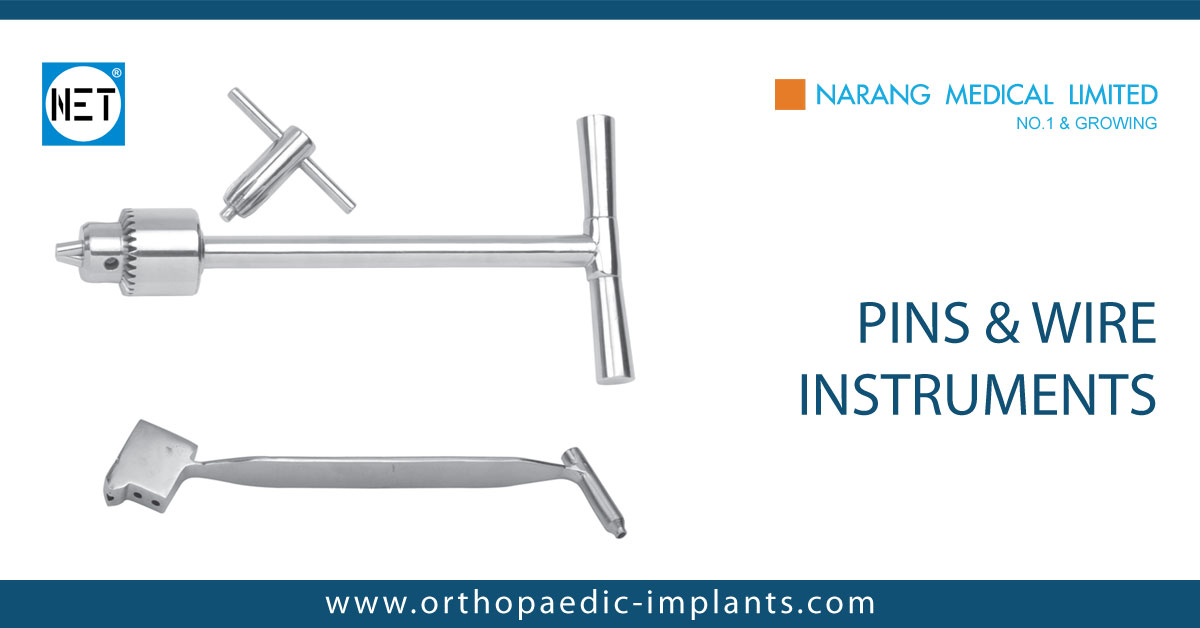
Steinmann Pins: An Expert Orthopedic Guide for Patients
Welcome to this comprehensive guide on Steinmann Pins, a fundamental instrument in orthopedic surgery. As an expert medical SEO copywriter and orthopedic specialist, our goal is to provide you with authoritative, yet easy-to-understand information about this crucial tool. This content is for patient information only and is not medical advice. Always consult with your healthcare provider for specific medical concerns.
1. Comprehensive Introduction & Overview: Understanding Steinmann Pins in Orthopedics
Steinmann Pins are specialized, rigid metal pins used extensively in orthopedic surgery for a variety of purposes, primarily related to fracture management and skeletal stabilization. Named after Dr. Fritz Steinmann, a Swiss surgeon who pioneered their use in the early 20th century, these pins have become an indispensable part of orthopedic practice.
What are Steinmann Pins?
Essentially, a Steinmann Pin is a stout, smooth, stainless steel rod, typically with a sharp, pointed tip designed for easy insertion into bone. Unlike thinner Kirschner wires (K-wires), Steinmann Pins are larger in diameter, providing greater strength and rigidity, making them suitable for heavier loads and larger bone fragments.
Why are they used?
The primary applications of Steinmann Pins include:
* Skeletal Traction: Applying continuous pulling force to a fractured limb by inserting a pin directly into the bone, bypassing soft tissues. This helps to reduce the fracture, maintain alignment, and alleviate pain before definitive surgery.
* External Fixation: Serving as anchors for external fixator frames, which are devices placed outside the body to stabilize complex fractures, often in cases of open fractures, severe trauma, or when internal fixation is not immediately possible.
* Temporary Fixation: Providing temporary stability during complex reconstructive surgeries or as a guide for other implants.
Their ability to provide direct skeletal anchorage makes them invaluable in managing various orthopedic conditions, ensuring better patient outcomes by facilitating proper healing and stability.
2. Deep Dive into Technical Specifications & Biomechanics
Understanding the technical aspects and biomechanics of Steinmann Pins is crucial for appreciating their role in orthopedic treatment.
Design & Materials
Steinmann Pins are engineered for strength, biocompatibility, and ease of use.
- Material: The vast majority of Steinmann Pins are manufactured from high-grade 316L stainless steel. This material is chosen for its excellent strength, corrosion resistance, and biocompatibility, meaning it is well-tolerated by the human body. While titanium alloys are also biocompatible, they are less commonly used for Steinmann Pins themselves, though they are prevalent in other orthopedic implants.
- Diameter: Steinmann Pins come in a range of diameters, typically from 2.0 mm to 6.0 mm (or larger). The selection of diameter is critical and depends on:
- The size and density of the bone.
- The anticipated load the pin needs to withstand.
- The specific clinical application (e.g., larger pins for femoral traction, smaller for metacarpal fixation).
- Tip Design: The tip of a Steinmann Pin is designed for efficient bone penetration. Common tip geometries include:
- Trocar Tip: A three-sided pyramidal point, excellent for initial penetration.
- Chisel Tip: A two-sided wedge-shaped point.
- Diamond Tip: Offers good cutting ability and precise entry.
The chosen tip depends on surgeon preference and bone density.
- Shank: Steinmann Pins typically have a smooth shank. This differentiates them from threaded K-wires, which are designed for better purchase in bone but are smaller in diameter. The smooth surface allows for easier insertion and removal, though it provides less rotational stability than threaded pins.
- Length: Pins are available in various lengths, from short (e.g., 100mm) to very long (e.g., 300mm), to accommodate different anatomical sites and surgical requirements.
- Sterilization: All Steinmann Pins are supplied in sterile packaging, ensuring they are ready for immediate surgical use.
Biomechanics of Steinmann Pins
The mechanical principles governing the use of Steinmann Pins are central to their effectiveness.
- Role in Skeletal Traction:
- Distraction: By applying weight to the pin, a continuous pulling force is exerted on the bone, helping to overcome muscle spasm and distract (separate) overlapping fracture fragments. This restores limb length and alignment.
- Maintenance of Alignment: The pin, being firmly anchored in the bone, provides a stable point for traction, preventing rotational or angular deformities while the patient awaits definitive treatment.
- Load Bearing: The larger diameter of Steinmann Pins allows them to withstand significant traction weights (up to 20-30 lbs or more for femoral traction), making them suitable for long bone fractures.
- Role in External Fixation:
- Anchoring: Pins are inserted into bone fragments on either side of a fracture and then connected to an external frame. This frame provides rigid stabilization, holding the fragments in place.
- Rigidity and Stability: The stiffness of the Steinmann Pin, combined with the rigidity of the external frame, creates a stable construct that resists bending, rotation, and shear forces, allowing the fracture to heal without excessive movement.
- Minimally Invasive: External fixation with Steinmann Pins allows for fracture stabilization without extensive soft tissue dissection, which is particularly advantageous in open fractures or injuries with significant soft tissue damage.
- Intramedullary Fixation (Limited Role): While not primary intramedullary implants, Steinmann Pins can be used as temporary guides or to assist in the reduction of certain fractures during intramedullary nailing procedures. Their smooth surface allows for easy passage and removal.
- Stress Shielding: As with any implant, Steinmann Pins can cause a degree of stress shielding in the surrounding bone. However, given their temporary nature, this effect is generally minimal and reversible once the pins are removed.
3. Extensive Clinical Indications & Usage
Steinmann Pins are versatile and find application across numerous orthopedic scenarios.
Skeletal Traction
Skeletal traction using Steinmann Pins is a critical temporary measure for many severe fractures.
- Femoral Traction:
- Supracondylar Femur Fractures: Pins are often inserted just above the knee joint.
- Proximal Tibial Traction: Pins inserted through the proximal tibia, below the knee.
- Applications: Primarily used for comminuted (multiple fragments) femur fractures, acetabular fractures (hip socket), and complex pelvic ring injuries. It helps reduce pain, prevent further soft tissue injury, and maintain length and alignment until definitive surgery.
- Tibial Traction: Pins inserted through the distal tibia, above the ankle. Used for specific tibial shaft fractures or ankle injuries.
- Calcaneal Traction: Pins inserted through the heel bone (calcaneus). Less common, but used for certain ankle or foot fractures where other traction methods are difficult.
- Procedure Highlights (Patient-Friendly):
- Preparation: The skin around the insertion site is meticulously cleaned and sterilized.
- Anesthesia: Local anesthetic is injected to numb the area, ensuring patient comfort during insertion.
- Insertion: The surgeon carefully inserts the Steinmann Pin through the skin and into the bone, often using a hand drill or power drill. Fluoroscopy (real-time X-ray imaging) may be used to ensure precise placement, avoiding nerves and blood vessels.
- Securing: The pin is secured to a traction bow, and weights are attached via a pulley system, applying the desired continuous pull.
- Pin Site Care: Post-insertion, the pin sites are dressed to prevent infection. Regular cleaning and dressing changes are crucial.
External Fixation
Steinmann Pins are integral components of external fixator frames, offering rigid stabilization.
- Complex Fractures: Essential for stabilizing open fractures (where bone breaks through the skin), highly comminuted fractures, or fractures with significant soft tissue damage, where internal fixation might be risky or difficult.
- Pelvic External Fixation: Pins are inserted into the iliac crest (pelvic bone) and connected to an external frame to stabilize severe pelvic ring disruptions.
- Limb Lengthening Procedures: As part of specialized external fixators (e.g., Ilizarov frames), pins are used to anchor bone segments that are gradually distracted to achieve limb lengthening.
- Temporary Joint Spanning: Pins can be placed above and below a severely injured joint (e.g., knee, ankle) and connected by an external frame to immobilize the joint and protect surrounding soft tissues and ligaments.
Other Orthopedic Applications
- Temporary Intraoperative Fixation: During complex surgeries, Steinmann Pins can be used to temporarily hold bone fragments in place while definitive plates, screws, or rods are applied.
- Guide Wires (Limited): While K-wires are more common as guide wires for cannulated screws or reaming, larger Steinmann Pins can occasionally serve this purpose in specific situations.
- Joint Distraction: Used to distract joint surfaces during arthroscopy or reconstructive procedures, providing better visualization and access.
Fitting/Usage Instructions (General Principles for Patients)
As a patient, understanding the general process can reduce anxiety.
- Pre-operative Planning: Your surgeon will thoroughly evaluate your injury using X-rays, CT scans, or other imaging. The appropriate pin size, number, and insertion sites will be meticulously planned.
- Surgical Technique (Overview):
- The procedure is performed under strict sterile conditions in an operating room.
- Local anesthesia, sometimes combined with sedation or general anesthesia, will be administered.
- Small skin incisions might be made at the pin insertion sites.
- The surgeon will carefully insert the pins into the bone, often using a drill or by hand, guided by anatomical landmarks and fluoroscopy.
- Once in place, the pins are connected to a traction bow or an external fixator frame.
- Post-operative Care at Home:
- Pin Site Care: This is paramount. You will receive detailed instructions on how to clean the pin sites daily with antiseptic solutions (e.g., chlorhexidine or saline) and apply sterile dressings. This prevents infection.
- Monitoring: Watch for signs of infection (redness, swelling, pus, increased pain, fever).
- Pain Management: Pain medication will be prescribed. Report any uncontrolled pain.
- Movement Restrictions: You will be advised on limitations regarding movement and weight-bearing. Strict adherence is vital for proper healing.
- Follow-ups: Regular appointments with your orthopedic surgeon are essential to monitor healing, adjust traction, or manage the external fixator.
4. Risks, Side Effects, & Contraindications
While Steinmann Pins are generally safe and effective, like any medical intervention, they carry potential risks and side effects.
Common Risks
- Pin Site Infection: This is the most frequent complication. Bacteria can enter the bone along the pin track, leading to localized infection (cellulitis) or, more seriously, osteomyelitis (bone infection). Meticulous pin site care is crucial for prevention.
- Nerve or Vessel Damage: Although rare with careful surgical technique and fluoroscopic guidance, there is a risk of damaging nearby nerves or blood vessels during pin insertion, especially in anatomically complex areas.
- Loosening or Migration of Pins: Over time, especially with prolonged use or excessive movement, pins can become loose or migrate slightly. This reduces stability and can cause pain.
- Pin Breakage: Extremely rare due to the strength of the pins, but possible in cases of severe stress or repeated trauma to the pin.
- Pain at Pin Site: Discomfort or localized pain around the pin insertion sites is common, especially initially.
- Soft Tissue Impingement: The pin or external frame components can irritate or impinge on surrounding soft tissues, causing discomfort or skin breakdown.
Less Common but Serious Risks
- Compartment Syndrome: While not directly caused by the pin itself, severe fractures requiring traction can be associated with compartment syndrome, a dangerous condition where swelling within a muscle compartment compresses nerves and blood vessels.
- Fat Embolism: A very rare but serious complication associated with long bone fractures, where fat particles enter the bloodstream. Steinmann Pins themselves do not cause this, but their use is often in contexts where this risk exists.
Contraindications
There are specific situations where the use of Steinmann Pins may be contraindicated:
- Active Infection at the Insertion Site: Inserting a pin through an already infected area can spread the infection deeper into the bone.
- Extremely Poor Bone Quality: In severe osteoporosis or very fragile bone, pins may not achieve adequate purchase or may cause further bone damage. However, in some cases, modified techniques or smaller pins might still be considered.
- Allergy to Pin Material: While extremely rare for surgical stainless steel, a documented allergy to the pin's material would be a contraindication.
- Uncooperative Patient: If skeletal traction is required, a patient who cannot or will not cooperate with maintaining the traction setup or following movement restrictions may not be a suitable candidate.
5. Expert Tips from Dr. Mohammed Hutaif
"As an orthopedic specialist, I've seen firsthand the critical role Steinmann Pins play in effective fracture management. Here are my key recommendations and insights for patients undergoing treatment with these pins:
- Meticulous Pin Site Care is Non-Negotiable: The single most important thing you can do to prevent complications, particularly infection, is to follow your pin site care instructions to the letter. Cleanliness is paramount. Report any redness, swelling, or discharge immediately.
- Understand Your Limitations: Adhering strictly to weight-bearing restrictions and movement limitations prescribed by your surgeon is crucial. These pins are providing stability, but excessive stress or movement can lead to loosening or re-injury.
- Communication is Key: Don't hesitate to report any unusual pain, changes in sensation, fever, or issues with your pins or traction setup. Early detection of problems allows for timely intervention.
- Nutrition and Hydration Support Healing: Your body needs adequate nutrients and hydration to heal bone and soft tissues. Focus on a balanced diet rich in protein, vitamins, and minerals.
- Psychological Support: Being immobilized or having pins externally can be challenging. Seek support from family, friends, or even a professional if you're struggling emotionally. A positive mindset can aid recovery.
- Regular Follow-ups are Essential: Your scheduled appointments are vital for monitoring the healing process, adjusting traction weights or fixator settings, and addressing any potential complications. Don't miss them!"
6. Massive FAQ Section
Here are some frequently asked questions about Steinmann Pins:
Q1: What exactly is a Steinmann Pin?
A1: A Steinmann Pin is a sturdy, smooth metal rod, usually made of stainless steel, inserted directly into a bone. It's larger than a K-wire and is primarily used in orthopedics for skeletal traction or as an anchor for external fixation devices to stabilize fractures.
Q2: Why do I need Steinmann Pins?
A2: You might need Steinmann Pins for several reasons, most commonly:
* Skeletal Traction: To apply a continuous pull on a broken bone to help align it, reduce muscle spasms, and maintain length before surgery.
* External Fixation: To stabilize complex fractures, especially open fractures or those with significant soft tissue damage, by connecting the pins to an external frame.
* Temporary Stabilization: To hold bone fragments in place during complex surgical procedures.
Q3: How are Steinmann Pins inserted?
A3: The insertion is a surgical procedure performed under sterile conditions. After numbing the area with local anesthesia (and possibly sedation or general anesthesia), the surgeon makes a small incision and carefully drills the pin through the bone, often using real-time X-ray (fluoroscopy) to ensure precise placement and avoid critical structures.
Q4: Does it hurt to have Steinmann Pins?
A4: You won't feel pain during the insertion due to anesthesia. Afterward, it's normal to experience some discomfort or pain around the pin sites, which can be managed with prescribed pain medication. If pain becomes severe or worsens significantly, you should inform your doctor.
Q5: How long do Steinmann Pins stay in?
A5: Steinmann Pins are typically temporary. For skeletal traction, they might stay in for a few days to a few weeks, until definitive surgery can be performed. When used with external fixators, they can remain for several weeks to months, depending on the fracture healing progress. Your surgeon will determine the exact duration.
Q6: How do I care for my pin sites at home?
A6: Meticulous pin site care is crucial to prevent infection. You will be given specific instructions, which usually involve daily cleaning of the pin sites with an antiseptic solution (like chlorhexidine or saline) and applying fresh sterile dressings. Always wash your hands thoroughly before and after caring for the pins.
Q7: Can I shower with Steinmann Pins?
A7: This depends on your surgeon's specific instructions. Some surgeons allow carefully protected showers after a few days, while others recommend sponge baths or covering the pins with waterproof dressings. Always clarify this with your medical team.
Q8: What are the signs of infection around the pins?
A8: Watch for these signs of infection:
* Increased redness or warmth around the pin sites.
* Swelling that worsens.
* Pus or cloudy discharge from the pin sites.
* Fever or chills.
* Increased pain at the pin sites that doesn't respond to medication.
* Unpleasant odor.
Report any of these signs to your doctor immediately.
Q9: Will I have scars from the pins?
A9: Yes, you will likely have small scars at each pin insertion site. These are usually small, circular marks that fade over time, but their appearance can vary depending on individual healing and skin type.
Q10: What happens after the pins are removed?
A10: Pin removal is usually a quick, outpatient procedure, often done in the clinic with local anesthesia. Once removed, the small holes in the bone will heal naturally. You'll continue with your rehabilitation program, which may include physical therapy, to regain strength and range of motion.
Q11: Are Steinmann Pins the same as K-wires?
A11: No, while both are orthopedic wires/pins, they differ in size and primary use. Steinmann Pins are generally larger in diameter (2.0mm-6.0mm+) and more rigid, used for heavier traction and external fixation. K-wires (Kirschner wires) are thinner (0.8mm-2.0mm), more flexible, and primarily used for temporary fixation of smaller bone fragments, guiding screws, or in pediatric fractures.
Q12: Can Steinmann Pins be used for permanent fixation?
A12: No, Steinmann Pins are designed for temporary use. They are not intended for long-term or permanent internal fixation. Their smooth design means they don't provide the same rotational stability or bone purchase as threaded screws or plates, and prolonged presence increases the risk of infection.
This guide provides a thorough understanding of Steinmann Pins. Remember, specific treatment plans are always tailored to individual patient needs by a qualified orthopedic surgeon.