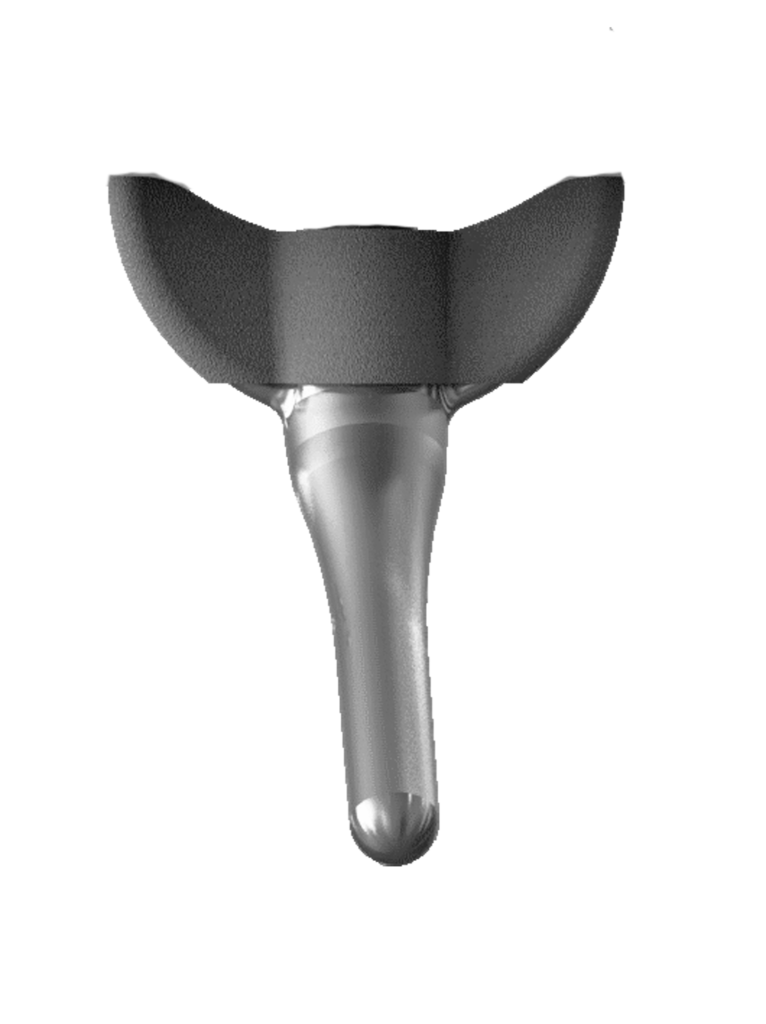
Understanding the Shoulder Hemiarthroplasty Humeral Stem: A Comprehensive Patient Guide
As an expert in orthopedic care, Dr. Mohammed Hutaif is dedicated to providing clear, authoritative, and comprehensive information to help patients understand complex medical procedures. This guide focuses on the "Shoulder Hemiarthroplasty Humeral Stem," a crucial component in restoring function and alleviating pain in specific shoulder conditions.
1. Comprehensive Introduction & Overview: Understanding the Shoulder Hemiarthroplasty Humeral Stem
Shoulder hemiarthroplasty is a surgical procedure designed to replace only the damaged ball (humeral head) of the shoulder joint, leaving the socket (glenoid) intact. The "humeral stem" is the vital component that anchors the new artificial humeral head into the upper arm bone (humerus). This procedure is often recommended when the humeral head is severely damaged, but the glenoid cartilage remains relatively healthy.
The primary goal of a shoulder hemiarthroplasty is to relieve pain, restore a functional range of motion, and improve the overall quality of life for patients suffering from specific types of shoulder arthritis or severe fractures. Unlike a total shoulder arthroplasty, which replaces both the ball and socket, hemiarthroplasty is a more targeted approach, aiming to preserve as much of the natural anatomy as possible. This surgical advancement represents decades of orthopedic innovation, moving from rudimentary joint replacements to highly sophisticated, biomechanically optimized implants.
Why is Shoulder Hemiarthroplasty Performed?
- Pain Relief: Alleviating chronic, debilitating shoulder pain.
- Function Restoration: Improving the ability to perform daily activities.
- Mobility Enhancement: Increasing the range of motion in the shoulder joint.
2. Deep-Dive into Technical Specifications & Mechanisms
The success of a shoulder hemiarthroplasty largely depends on the advanced design, materials, and biomechanical principles integrated into the humeral stem and its articulating head.
Design and Materials
Modern humeral stems are engineered with precision to mimic the natural anatomy and provide durable, stable fixation.
- Materials:
- Titanium Alloys: Known for their excellent biocompatibility, strength-to-weight ratio, and ability to promote bone ingrowth. Often used for the stem itself.
- Cobalt-Chrome (CoCr): A robust, wear-resistant alloy commonly used for the articulating humeral head component due to its smooth surface properties.
- Polyethylene: While not part of the humeral stem, it's worth noting that in total shoulder replacements, the glenoid component is often polyethylene. In hemiarthroplasty, the natural glenoid articulates directly with the CoCr head.
- Design Features:
- Modular Systems: Most modern systems are modular, meaning the stem and the humeral head are separate components. This allows the surgeon to choose the optimal stem size, head size, and neck offset independently, tailoring the implant precisely to the patient's anatomy.
- Stem Geometry:
- Tapered Stems: Often used for cementless fixation, relying on a press-fit and bone ingrowth.
- Straight Stems: Can be used with or without cement.
- Short Stems / Stemless: Emerging designs that preserve more bone in the metaphysis, potentially simplifying revision surgery if needed in the future.
- Proximal Body: The upper part of the stem designed to accept and securely fix the humeral head component. This interface is critical for stability.
- Fixation Methods:
- Cemented Fixation: The stem is secured into the humerus using bone cement (polymethyl methacrylate). Provides immediate stability, often preferred in patients with poorer bone quality.
- Cementless (Press-Fit) Fixation: The stem is designed to fit snugly into the bone, with a textured or porous surface (e.g., plasma spray, hydroxyapatite coating) that encourages the patient's bone to grow onto and into the implant over time, providing biological fixation. This is often preferred in younger, more active patients with good bone quality.
Biomechanics
The biomechanics of the humeral stem are crucial for restoring natural shoulder function and longevity of the implant.
- Restoring Joint Kinematics: The goal is to replicate the natural center of rotation of the humeral head relative to the glenoid, allowing for smooth, pain-free movement.
- Load Distribution and Stress Shielding: The stem must distribute forces evenly to the surrounding bone. Poor load distribution can lead to "stress shielding," where the bone around the implant doesn't experience enough stress and can weaken over time. Modern designs aim to minimize this.
- Anatomic Reconstruction: Surgeons strive to restore:
- Version: The rotational alignment of the humeral head relative to the shaft.
- Inclination: The angle of the humeral head relative to the shaft.
- Offset: The distance from the center of the humeral head to the center of the humeral shaft.
- Accurate restoration of these parameters is vital for rotator cuff function, stability, and range of motion.
Humeral Head Component (Articulating with the Stem)
While the stem is the focus, its function is inextricably linked to the humeral head.
* Materials: Typically highly polished Cobalt-Chrome, designed for smooth articulation with the natural glenoid cartilage. Some ceramic heads are also used.
* Size and Offset Options: A wide range of head sizes and neck offsets are available to match the patient's unique anatomy and optimize soft tissue tension.
3. Extensive Clinical Indications & Usage
Shoulder hemiarthroplasty is a highly effective treatment for specific conditions where the humeral head is severely compromised, but the glenoid socket remains relatively healthy.
Primary Indications for Hemiarthroplasty
- Severe Humeral Head Fractures: Especially complex 3-part or 4-part proximal humeral fractures in older patients where internal fixation (plates and screws) is unlikely to succeed or has failed. This is a common indication, particularly in cases of displaced, comminuted fractures with compromise to the blood supply of the humeral head.
- Avascular Necrosis (AVN) of the Humeral Head: A condition where the blood supply to the humeral head is disrupted, leading to bone death and collapse. If the glenoid is spared, hemiarthroplasty can relieve pain and restore function.
- Osteoarthritis Primarily Affecting the Humeral Head: In some cases of osteoarthritis, the damage is predominantly on the humeral head, with minimal to no significant erosion of the glenoid cartilage. Hemiarthroplasty can be a good option here.
- Rheumatoid Arthritis: In selected cases where the humeral head is severely damaged, but the glenoid is relatively well-preserved or has only mild erosion.
- Failed Previous Shoulder Surgeries: For example, failed internal fixation of a proximal humeral fracture that has resulted in pain and dysfunction, particularly if the glenoid is intact.
Surgical Application: The Procedure
The surgical procedure for shoulder hemiarthroplasty is meticulous and requires significant surgical expertise.
- Pre-operative Planning:
- Imaging: X-rays, CT scans, and sometimes MRI are used to assess the bone quality, fracture pattern (if applicable), and glenoid condition.
- Templating: Digital or physical templates are used to estimate the correct size and position of the stem and head components.
- Anesthesia: General anesthesia is typically administered, often combined with a regional nerve block (e.g., interscalene block) for post-operative pain control.
- Surgical Approach:
- The most common approach is the deltopectoral approach, which involves an incision at the front of the shoulder, separating the deltoid and pectoralis major muscles. This approach allows good visualization while preserving the deltoid muscle.
- Other approaches, such as the superior approach, may be used depending on the specific case.
- Humeral Preparation:
- The damaged humeral head is resected (removed).
- The humeral canal (marrow cavity of the upper arm bone) is then prepared using specialized instruments called reamers and broaches. These instruments progressively enlarge and shape the canal to precisely match the chosen humeral stem's size and geometry.
- Stem Insertion:
- The humeral stem is carefully inserted into the prepared canal.
- If using cemented fixation, bone cement is mixed and introduced into the canal before the stem is inserted and allowed to cure.
- If using cementless fixation, the stem is press-fit into the canal, relying on its precise fit and surface coatings for long-term stability.
- Humeral Head Component Selection and Impaction:
- A trial humeral head is placed on the stem to assess joint stability, range of motion, and soft tissue tension.
- Once the optimal head size and offset are determined, the final prosthetic humeral head is securely impacted onto the stem.
- Soft Tissue Balancing and Tensioning: The surgeon carefully assesses the tension of the rotator cuff and other surrounding soft tissues to ensure stability and proper function throughout the range of motion.
- Wound Closure: The surgical site is irrigated, and the incision is closed in layers.
Fitting & Usage Instructions (Intra-operative for Surgeon)
- Templating is Crucial: Accurate pre-operative templating guides the surgeon in selecting the correct implant sizes and planning the depth and version of the stem.
- Sequential Reaming/Broaching: The humeral canal is prepared incrementally. This ensures minimal bone removal while achieving a precise fit for the stem.
- Ensuring Proper Alignment, Version, and Depth: The stem must be inserted with the correct anteversion/retroversion and depth to optimize joint mechanics and prevent impingement or instability. Poor positioning can lead to complications.
- Trial Reduction: This step is paramount. A trial implant is used to evaluate the range of motion, stability, and soft tissue tension. Adjustments to head size or neck offset can be made at this stage.
- Secure Final Implantation: Whether cemented or cementless, ensuring secure and stable fixation of the stem and head is fundamental to the long-term success of the hemiarthroplasty.
4. Maintenance & Sterilization Protocols (For Surgical Teams)
While patients don't directly perform maintenance or sterilization, understanding these protocols highlights the rigorous standards of orthopedic surgery.
Pre-operative Sterilization (For Implants and Instruments)
- Standardized Protocols: All implants and surgical instruments undergo stringent sterilization processes, typically using steam autoclaving for reusable instruments or gamma irradiation for pre-packaged, single-use implants.
- Sterile Packaging: Implants are provided in sterile, tamper-evident packaging to maintain sterility until the moment of use in the operating room.
- Handling Instructions: Strict sterile technique is followed by the surgical team when handling implants and instruments to prevent contamination.
Post-operative Care & Implant Longevity (Patient-focused)
While the implant itself requires no "maintenance" once inside the body, patient adherence to post-operative guidelines is critical for its longevity and successful outcome.
- Activity Modifications: Patients are typically advised to avoid heavy lifting, repetitive overhead activities, and impact sports for an extended period. Gradual return to activities is guided by the surgeon and physical therapist.
- Regular Follow-ups: Periodic clinical and radiographic evaluations monitor the implant's position, bone ingrowth (for cementless), and overall joint health.
- Infection Prevention: Prophylactic antibiotics may be given before dental procedures or other surgeries in the future to prevent bacteria from spreading to the implant. Good personal hygiene is also important.
- Implant Longevity Factors: The lifespan of a humeral stem implant can vary, but many last 15-20 years or more. Factors influencing longevity include:
- Patient age and activity level.
- Bone quality.
- Surgical technique.
- Adherence to post-operative rehabilitation.
- Development of glenoid erosion (a potential long-term issue with hemiarthroplasty).
5. Risks, Side Effects, or Contraindications
As with any major surgery, shoulder hemiarthroplasty carries potential risks and contraindications. Dr. Mohammed Hutaif ensures patients are fully informed before making decisions.
Potential Risks and Side Effects
- Infection: A serious complication, though rare, that may require further surgery and antibiotics.
- Neurovascular Injury: Damage to nerves or blood vessels around the shoulder during surgery.
- Intra-operative or Post-operative Fracture: The humerus can fracture during stem insertion or in the period following surgery.
- Dislocation: The humeral head can dislocate from the glenoid, though less common in hemiarthroplasty than in total shoulder replacement.
- Stiffness or Limited Range of Motion: Despite surgery, some patients may not regain full mobility.
- Glenoid Erosion: A unique risk of hemiarthroplasty. Over time, the artificial humeral head can wear down the natural glenoid cartilage, leading to pain and potentially requiring conversion to a total shoulder replacement.
- Loosening of the Implant: The stem or head component can become loose over time, causing pain and requiring revision surgery.
- Persistent Pain: While pain relief is a primary goal, some patients may experience ongoing discomfort.
- Heterotopic Ossification: Abnormal bone growth in the soft tissues around the joint, which can limit motion.
Contraindications
Conditions that generally preclude a patient from undergoing shoulder hemiarthroplasty include:
- Active Infection: Any active infection in the shoulder or elsewhere in the body must be treated before surgery.
- Significant Glenoid Pathology: If the glenoid socket is severely eroded or damaged, a total shoulder arthroplasty (or reverse total shoulder arthroplasty) is usually a more appropriate option. Hemiarthroplasty in such cases would likely lead to poor outcomes and persistent pain.
- Poor Bone Quality: Extremely osteoporotic bone may not provide sufficient support for stable implant fixation, especially for cementless stems.
- Unrealistic Patient Expectations: Patients must have a clear understanding of the potential outcomes, limitations, and recovery process.
- Severe Rotator Cuff Deficiency: If the rotator cuff muscles are severely torn and irreparable, a reverse total shoulder arthroplasty might be a better choice as it relies less on the rotator cuff for function.
6. Expert Tips from Dr. Mohammed Hutaif
Dr. Mohammed Hutaif emphasizes a patient-centered approach, combining surgical excellence with comprehensive pre- and post-operative care.
- Patient Selection is Paramount: "The key to a successful hemiarthroplasty begins with careful patient selection. Understanding the patient's specific pathology, bone quality, age, activity level, and expectations is crucial to determining if this procedure is the right fit. Not every shoulder problem warrants a hemiarthroplasty."
- Precision in Surgical Technique: "The accurate placement of the humeral stem, ensuring correct version, inclination, and offset, is critical. This precision directly impacts the biomechanics of the shoulder, influencing stability, range of motion, and the long-term health of the remaining glenoid cartilage."
- Rehabilitation is Non-Negotiable: "Surgery is only half the battle. A dedicated and consistent rehabilitation program, guided by an experienced physical therapist, is absolutely essential for regaining strength, mobility, and function. Patients who commit fully to their PT program consistently achieve better outcomes."
- Managing Patient Expectations: "It's important for patients to understand that while hemiarthroplasty significantly improves pain and function, it may not restore the shoulder to its pre-injury state, especially in cases of severe trauma. We aim for a functional, pain-reduced shoulder that allows for daily activities."
- Long-Term Follow-up: "Regular follow-up appointments are important to monitor the implant's integrity, assess glenoid health, and address any concerns that may arise over time. This proactive approach helps ensure the longevity of the surgical outcome."
7. Massive FAQ Section
Q1: What is the main difference between hemiarthroplasty and total shoulder arthroplasty?
A1: In hemiarthroplasty, only the ball (humeral head) of the shoulder joint is replaced with a prosthetic implant, while the socket (glenoid) is left untouched. In total shoulder arthroplasty, both the humeral head and the glenoid socket are replaced with artificial components. Hemiarthroplasty is typically chosen when the glenoid cartilage is healthy.
Q2: How long does the shoulder hemiarthroplasty surgery take?
A2: The surgery typically takes between 1.5 to 2.5 hours, depending on the complexity of the case, such as the presence of a fracture. This does not include pre-operative preparation and post-operative recovery in the operating suite.
Q3: What is the typical recovery time after a shoulder hemiarthroplasty?
A3: Initial recovery involves wearing an arm sling for 4-6 weeks to protect the healing tissues. Physical therapy usually begins shortly after surgery. Significant improvement in pain and motion can be expected within 3-6 months, but full recovery and strength gains can take 9-12 months or even longer, depending on individual factors and commitment to rehabilitation.
Q4: Will I regain full range of motion after the surgery?
A4: While the goal is to significantly improve your range of motion and reduce pain, achieving a full pre-injury range of motion is not always guaranteed, especially in cases of severe pre-existing stiffness or trauma. Most patients achieve a functional range of motion that allows them to perform daily activities comfortably.
Q5: How long does a humeral stem implant last?
A5: The longevity of a humeral stem implant varies by individual. Many studies report excellent outcomes and implant survival rates of 15-20 years or more. Factors like patient age, activity level, bone quality, surgical technique, and the progression of glenoid erosion can influence its lifespan.
Q6: Can I play sports after shoulder hemiarthroplasty?
A6: Low-impact activities like swimming, cycling, and walking are generally encouraged once cleared by your surgeon. High-impact sports, contact sports, or activities involving heavy lifting or repetitive overhead motions (e.g., tennis, golf, weightlifting) may need to be modified or avoided to protect the implant and prevent glenoid wear. Discuss your specific activity goals with Dr. Hutaif.
Q7: What kind of pain can I expect after surgery?
A7: It's normal to experience moderate to severe pain immediately after surgery, which will be managed with medication. Pain typically decreases significantly within the first few weeks. Mild discomfort, especially during physical therapy or new activities, can persist for several months.
Q8: What are the signs of infection after shoulder surgery?
A8: Signs of infection include persistent fever, increasing redness or swelling around the incision site, pus or drainage from the wound, severe pain that doesn't improve with medication, and chills. If you experience any of these symptoms, contact Dr. Hutaif's office immediately.
Q9: Is physical therapy mandatory after shoulder hemiarthroplasty?
A9: Yes, physical therapy is absolutely mandatory and a critical component of your recovery. A structured rehabilitation program is essential to restore strength, flexibility, and proper shoulder mechanics, significantly impacting your long-term outcome.
Q10: When can I drive again after the surgery?
A10: You typically cannot drive while wearing a sling or while taking narcotic pain medication. Most patients are cleared to drive 6-12 weeks after surgery, once they have sufficient pain control, range of motion, and strength to safely operate a vehicle and react quickly. This will be determined by Dr. Hutaif.
Q11: What materials are used to make the humeral stem and head?
A11: The humeral stem is commonly made from biocompatible titanium alloys, often with porous coatings (like hydroxyapatite) to encourage bone growth. The articulating humeral head component is usually made from highly polished cobalt-chrome, designed for smooth movement against the natural glenoid cartilage.
Q12: How do I know if hemiarthroplasty is the right choice for me?
A12: The decision for hemiarthroplasty is made after a thorough evaluation by Dr. Hutaif, which includes a physical examination, detailed imaging (X-rays, CT, MRI), and a discussion of your symptoms, activity level, and goals. It is generally recommended when the humeral head is severely damaged, but the glenoid socket is still healthy.
Disclaimer: This information is for educational purposes only and is not medical advice. Always consult with a qualified healthcare professional for diagnosis and treatment.