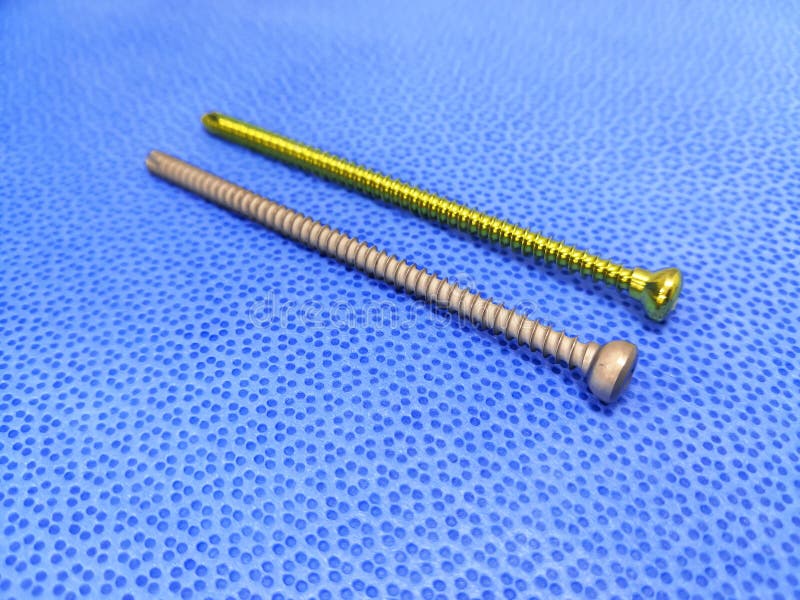
Schanz Screws (5mm, 6mm): An In-Depth Orthopedic Guide for Patients
Welcome to this comprehensive guide on Schanz screws, specifically focusing on the 5mm and 6mm variants. As an essential component in modern orthopedic surgery, Schanz screws play a pivotal role in stabilizing complex fractures and correcting deformities. This guide aims to provide patients with a clear, authoritative, and easy-to-understand overview of these critical orthopedic instruments, their applications, and what to expect during treatment.
1. Comprehensive Introduction & Overview
Schanz screws are specialized threaded pins used primarily in external fixation systems. These systems provide a robust framework outside the body to stabilize bone fractures, allowing them to heal without the need for internal implants directly at the fracture site. The name "Schanz screw" is often used interchangeably with "bone pin" or "fixator pin," referring to their function in anchoring an external fixator to the bone.
The 5mm and 6mm diameter Schanz screws are among the most commonly used sizes due to their optimal balance of strength, bone purchase, and reduced risk of complications. These larger diameters are particularly suited for major long bones (like the femur and tibia) and pelvic structures, where significant mechanical stability is required to support the body's weight and muscle forces.
Key Advantages of Schanz Screws in External Fixation:
* Minimally Invasive: Screws are inserted through small skin incisions, preserving surrounding soft tissues.
* Versatile: Applicable to a wide range of fractures and orthopedic conditions.
* Adjustable: The external frame can be adjusted post-operatively to fine-tune alignment or facilitate limb lengthening.
* Infection Control: Allows for direct wound care in open fractures or infected sites, unlike internal fixation.
* Rapid Stabilization: Provides immediate stability, crucial in trauma settings.
2. Deep-Dive into Technical Specifications / Mechanisms
Understanding the technical aspects of Schanz screws helps appreciate their role in bone healing.
Design and Materials
Schanz screws are engineered for optimal performance and biocompatibility.
- Materials: Most Schanz screws are manufactured from high-grade stainless steel (e.g., 316L stainless steel) or titanium alloys. These materials are chosen for their:
- Biocompatibility: Minimal adverse reaction with body tissues.
- Strength: Ability to withstand significant loads without breaking.
- Corrosion Resistance: Prevents degradation within the body's environment.
- Thread Design: The threaded portion is crucial for gripping the bone.
- Self-Tapping/Self-Drilling: Many modern Schanz screws feature a self-tapping tip, which means they can create their own thread as they are inserted, reducing the need for extensive pre-drilling. Some are also self-drilling.
- Thread Geometry: The thread typically has a large pitch and deep profile, maximizing bone purchase. The design often includes a tapered core or a conical shape to enhance stability.
- Fluted Tip: The tip often has flutes (grooves) to collect bone debris during insertion, preventing blockage and ensuring efficient engagement with the bone.
- Shaft: The unthreaded portion (shaft) connects the threaded tip to the external connection mechanism. It's designed for strength and resistance to bending.
- External Connection: The end of the screw outside the skin typically has a universal coupling or a specific connection type (e.g., hexagonal, square) designed to securely attach to the clamps and rods of the external fixator frame.
- Sizes (5mm, 6mm):
- Diameter: Refers to the outer diameter of the threaded portion.
- Length: Varies significantly based on the anatomical site and bone depth.
- Core Diameter: The diameter of the screw shaft beneath the threads. A larger core diameter for a given outer diameter means a stronger screw. 5mm and 6mm screws have substantial core diameters, providing excellent resistance to bending and shear forces, making them ideal for weight-bearing bones.
Biomechanics
The biomechanical principles behind Schanz screw application are critical for successful treatment.
- Bone Purchase: The primary function of the screw's threads is to achieve stable purchase (grip) within the bone. The larger diameter (5mm, 6mm) screws are designed to engage both cortical (dense outer layer) and cancellous (spongy inner layer) bone effectively, especially in areas with robust cortical bone.
- Stability: Once inserted, the screws provide anchors for the external fixator. The number, placement, and configuration of the screws directly influence the stability of the entire system. Multiple screws, widely spaced, create a more rigid construct.
- Load Bearing: For weight-bearing limbs, 5mm and 6mm screws are chosen for their ability to withstand significant axial (compression/tension), bending, and torsional (twisting) loads. This prevents micromotion at the fracture site, which can impede healing.
- Resistance to Loosening & Pull-out: The deep threads and large diameter enhance resistance to pull-out forces. Proper surgical technique, including avoiding excessive pre-drilling and precise torque application, minimizes bone damage and maximizes initial stability, reducing the risk of screw loosening.
- Stress Shielding vs. Load Sharing: External fixators, anchored by Schanz screws, can be configured for varying degrees of load sharing or stress shielding. Some designs allow for controlled micromotion (dynamization) at the fracture site, which can stimulate bone healing, while others provide rigid fixation.
Fitting/Usage Instructions (Surgical Principles)
While patients don't perform the insertion, understanding the principles helps contextualize the procedure.
- Pre-operative Planning: Detailed imaging (X-rays, CT scans) to identify fracture patterns, bone quality, and safe corridors for screw insertion (avoiding nerves, vessels, and joints).
- Skin Incision: Small stab incisions are made at the planned entry points.
- Soft Tissue Protection: A soft tissue protector or sleeve is often used to guide the drill/screw and protect surrounding muscles and nerves.
- Drilling: A drill bit matching the screw's core diameter is used to create a pilot hole. This is crucial to prevent thermal necrosis (bone burning) and ensure accurate screw trajectory. For self-drilling screws, this step may be modified.
- Schanz Screw Insertion: The screw is carefully inserted, usually with a T-handle or power drill, ensuring it engages both cortices of the bone where appropriate. Proper torque is applied to achieve secure fixation without stripping the bone threads.
- Connection to Frame: Once all screws are placed, they are connected to the external frame components (rods, clamps) to create the desired stable construct.
- Post-Insertion Checks: X-rays are taken to confirm screw position and fracture alignment.
Maintenance/Sterilization Protocols (General Overview)
While patients primarily focus on post-operative care, it's important to know that all surgical instruments, including Schanz screws, undergo rigorous sterilization.
- Pre-Surgical Sterilization: All instruments, including Schanz screws, are meticulously cleaned, disinfected, and sterilized using validated methods (e.g., steam sterilization/autoclaving) before surgical use to prevent surgical site infections.
- Single-Use vs. Reusable: Schanz screws are typically single-use implants to ensure optimal material integrity and sterility for each patient.
- Post-Operative Pin Site Care: This is crucial for patients. It involves regular cleaning of the skin around the screw insertion sites to prevent infection (see FAQ).
3. Extensive Clinical Indications & Usage
Schanz screws (5mm, 6mm) are indispensable in a variety of orthopedic scenarios, particularly where strong, stable external fixation is required.
Trauma Applications
- Complex Open Fractures: When bone is exposed, external fixation allows for direct wound care and prevents further contamination, while stabilizing the fracture.
- Comminuted Fractures: Fractures with multiple bone fragments, especially around joints (e.g., tibial plateau, distal femur), where internal plates/screws might be difficult to apply or compromise blood supply.
- Pelvic and Acetabular Fractures: High-energy injuries often requiring immediate, rigid stabilization to control bleeding and allow for patient resuscitation before definitive fixation. 5mm and 6mm screws are vital here for strong purchase in the dense pelvic bone.
- Periarticular Fractures: Fractures near joints where maintaining joint motion and allowing for soft tissue healing is paramount. The external frame can bridge the joint, providing stability while allowing for early range of motion in some cases.
- Polytrauma Patients: In patients with multiple severe injuries, external fixation provides quick, life-saving stabilization ("damage control orthopedics") before the patient is stable enough for definitive surgery.
- Temporary Stabilization: Often used as a temporary measure to stabilize a limb or pelvis, reducing pain and preventing further injury, until definitive internal fixation can be performed days or weeks later.
Deformity Correction
- Limb Lengthening: Techniques like the Ilizarov method or monolateral fixators use Schanz screws to anchor the external frame, which is gradually adjusted to stretch new bone and soft tissues, increasing limb length. The robust nature of 5mm and 6mm screws is critical for long-term stability during this process.
- Angular Deformity Correction: Correcting bowed limbs (e.g., genu varum/valgum) or rotational deformities by gradual adjustment of the external frame.
- Non-union and Mal-union: Stabilizing bones that have failed to heal (non-union) or have healed in an incorrect position (mal-union), often in conjunction with bone grafting.
Infection Management
- Infected Non-unions/Osteomyelitis: When a bone infection is present, internal implants are often contraindicated. External fixation with Schanz screws provides stability while allowing for surgical debridement and antibiotic treatment of the infection. The ability to remove the fixator once the infection is controlled is a major advantage.
Specific Anatomical Applications (Examples)
- Tibia and Fibula: Common for open tibial fractures, pilon fractures (distal tibia), and limb lengthening.
- Femur: Distal femur fractures, large segmental defects, and femoral lengthening.
- Humerus: Complex humerus fractures, especially in polytrauma.
- Pelvis: Anterior-posterior compression injuries, lateral compression injuries, vertical shear injuries, where strong multi-planar fixation is needed.
4. Risks, Side Effects, or Contraindications
While Schanz screws and external fixation are highly effective, like any medical intervention, they carry potential risks and considerations.
Risks and Side Effects
- Pin Tract Infection: This is the most common complication. Bacteria can enter the skin around the screw, leading to redness, swelling, pain, and discharge. Severe infections may require antibiotic treatment or even screw removal. Meticulous pin care is crucial for prevention.
- Schanz Screw Loosening or Breakage: Over time, especially with prolonged use or excessive loading, a screw may loosen its grip in the bone or, rarely, break. This can compromise stability and may require replacement.
- Neurovascular Injury: During insertion, there's a small risk of damaging nearby nerves or blood vessels, leading to pain, numbness, weakness, or bleeding. Surgeons use anatomical landmarks and imaging to minimize this risk.
- Pain: Patients often experience discomfort or pain around the pin sites, especially initially or with activity. Pain medication is usually prescribed.
- Delayed Union or Non-union: Despite stabilization, some fractures may still take longer to heal or fail to heal completely.
- Mal-union: The fracture may heal in an incorrect position if the frame is not perfectly aligned or if adjustments are not made correctly.
- Soft Tissue Impingement: The external frame or screws can sometimes rub against soft tissues, causing irritation or pressure sores.
- Scarring: Small scars will remain at each pin insertion site.
- Muscle Stiffness/Joint Contracture: Prolonged immobilization can lead to joint stiffness, requiring physical therapy.
- Compartment Syndrome: Although rare, swelling within the limb can lead to increased pressure, potentially compromising blood flow.
Contraindications
- Severe Osteoporosis: Extremely poor bone quality may prevent adequate screw purchase, making external fixation less effective or prone to loosening.
- Active Local Infection at Insertion Site: While external fixation is used for infected fractures, inserting screws through active, uncontrolled skin infection can spread the infection.
- Extremely Scarred or Compromised Soft Tissues: Areas with very poor skin quality or extensive scarring may not tolerate pin insertion well, increasing infection risk.
- Patient Non-compliance: Patients must be able and willing to follow strict pin care instructions and activity restrictions. Non-compliance significantly increases complication rates.
- Lack of Surgical Expertise/Resources: Proper application and management of external fixators require specialized orthopedic knowledge and equipment.
5. Expert Tips from Dr. Mohammed Hutaif
As an orthopedic specialist, I emphasize the importance of patient education and diligent post-operative care when dealing with Schanz screws and external fixation. My advice to patients undergoing this treatment focuses on empowering them to be active participants in their recovery.
- Prioritize Pin Site Care: This is paramount. Follow your care team's instructions meticulously for cleaning the pin sites. This typically involves using sterile saline or an antiseptic solution and sterile gauze daily. Look for signs of infection (redness, swelling, pus, increased pain) and report them immediately.
- Maintain Excellent Hygiene: Keep the external frame clean. Showering may be permitted under specific guidelines, but always ensure pin sites are dried thoroughly afterward.
- Manage Pain Effectively: Don't hesitate to communicate your pain levels. We have various options to manage discomfort, ensuring you can participate in necessary movements and sleep comfortably.
- Follow Weight-Bearing Restrictions: Adhere strictly to my instructions regarding weight-bearing. Early or excessive weight-bearing against medical advice can lead to screw loosening, fracture displacement, or fixation failure.
- Engage in Physical Therapy: If prescribed, physical therapy is vital for maintaining joint mobility, muscle strength, and preventing stiffness. It plays a crucial role in long-term functional recovery.
- Nutrition and Hydration: A healthy diet rich in protein, vitamins (especially Vitamin C and D), and minerals (calcium) supports bone healing. Stay well-hydrated.
- Avoid Smoking: Smoking significantly impairs bone healing and increases the risk of complications, including non-union and infection. If you smoke, this is an excellent time to consider quitting.
- Report Any Concerns Promptly: If you notice any changes in the pins, frame, skin around the pins, or experience unusual pain, numbness, or swelling, contact our office immediately. Early intervention is key to managing potential issues effectively.
- Understand the "Why": Ask questions! Understanding why we use Schanz screws and external fixation, and the goals of your treatment, will help you comply with the care plan and reduce anxiety.
6. Massive FAQ Section
Q1: What exactly are Schanz screws and how do they work?
A1: Schanz screws are special threaded pins that are inserted into your bone through small incisions in the skin. They act as anchors for an external frame (an "external fixator") that sits outside your body. This frame connects to the screws, creating a rigid structure that holds your broken bone pieces together or helps correct a deformity, allowing the bone to heal without needing an implant directly inside the fracture. The 5mm and 6mm sizes are chosen for their strength and stability, especially in larger bones.
Q2: Why are 5mm and 6mm Schanz screws specifically used?
A2: These larger diameters (5mm and 6mm) are preferred for situations requiring significant strength and stability. They provide excellent grip (purchase) in denser bones like the femur (thigh bone), tibia (shin bone), and pelvis. This robust fixation is crucial for supporting body weight, resisting strong muscle forces, and ensuring the external frame remains stable, especially in complex fractures or during limb lengthening procedures.
Q3: How are Schanz screws inserted during surgery?
A3: The insertion process is performed under sterile conditions in an operating room, usually with general anesthesia. Small incisions are made in the skin. A guide is used to ensure the screw is placed safely, avoiding nerves and blood vessels. A small pilot hole is often drilled, and then the Schanz screw is carefully inserted into the bone, typically engaging both sides of the bone for maximum stability. X-rays are used during the procedure to confirm correct placement.
Q4: How long will I have the Schanz screws and external fixator on?
A4: The duration varies greatly depending on the specific injury, type of bone, and individual healing rate. For simple fractures, it might be a few weeks. For complex fractures, non-unions, or limb lengthening, it could be several months. Your doctor will regularly assess your healing progress with X-rays and clinical examinations to determine when the fixator can be safely removed.
Q5: What is a "pin tract infection" and how can I prevent it?
A5: A pin tract infection is an infection that occurs at the skin site where the Schanz screw enters the body. It's the most common complication. Prevention is key:
* Daily Cleaning: Meticulously clean the pin sites daily (or as instructed) using sterile saline or an antiseptic solution and sterile gauze.
* Hand Hygiene: Always wash your hands thoroughly before and after touching the pin sites or frame.
* Monitor: Watch for signs of infection: redness, swelling, warmth, increased pain, or pus around the pin sites. Report any concerns to your doctor immediately.
* Keep Dry: Keep the pin sites as dry as possible, especially after showering (if permitted).
Q6: Can I move my limb or put weight on it with Schanz screws?
A6: Your ability to move or bear weight will depend entirely on your specific injury and your doctor's instructions. In some cases, early, controlled movement of adjacent joints might be encouraged to prevent stiffness. For weight-bearing, some external fixators allow for partial weight-bearing, while others require strict non-weight-bearing. It is crucial to follow your doctor's advice precisely to ensure proper healing and prevent complications.
Q7: What are the main benefits of using Schanz screws and external fixation?
A7: The benefits include:
* Excellent Stability: Provides strong, rigid support for complex fractures.
* Minimally Invasive: Less disruption to soft tissues compared to large internal plate surgeries.
* Adjustability: The frame can be adjusted post-surgery for alignment or limb lengthening.
* Wound Access: Allows for direct access to open wounds or infected areas for cleaning and dressing changes.
* Damage Control: Essential for stabilizing severely injured patients in emergencies.
Q8: Will I have noticeable scars after the screws are removed?
A8: Yes, you will have small scars at each site where a Schanz screw was inserted. These are typically small, circular scars that fade over time but usually remain visible. The extent of scarring can vary based on individual healing characteristics and the duration the screws were in place.
Q9: What should I do if a Schanz screw feels loose or if the frame seems unstable?
A9: If you suspect a screw is loose, or if the entire external frame feels unstable, it is critical to contact your orthopedic team immediately. Do not attempt to tighten or adjust anything yourself. A loose screw can compromise the stability of your fracture and increase the risk of infection or delayed healing. Your doctor will assess the situation and determine the appropriate course of action.
Q10: Are there alternatives to Schanz screws and external fixation?
A10: Yes, depending on the type and severity of the fracture, alternatives might include:
* Casting or Splinting: For stable fractures that don't require surgical stabilization.
* Internal Fixation: Involving plates, screws, rods (intramedullary nails) placed directly inside the bone.
* Traction: Using weights to pull on the limb and align the fracture.
However, for many complex, open, or infected fractures, or for specific deformity corrections, external fixation with Schanz screws remains the preferred or only viable option due to its unique advantages. Your surgeon will discuss the best treatment plan for your specific condition.
Q11: How do I manage the pain associated with Schanz screws?
A11: Pain management is an important part of your recovery. Your doctor will prescribe appropriate pain medication, which may include over-the-counter pain relievers or stronger prescription medications, especially in the initial post-operative period. It's important to take your medication as directed and communicate openly with your care team about your pain levels so they can adjust your regimen if needed. Elevating the limb and applying ice (if advised) can also help reduce swelling and discomfort.
Q12: Can I shower or bathe with the external fixator and Schanz screws?
A12: This depends on your doctor's specific instructions. In many cases, showering may be permitted after a certain period, but strict precautions are usually necessary. This often involves covering the frame and pin sites with waterproof dressings or bags, and thoroughly drying the pin sites immediately afterward. Bathing (submerging the limb in water) is generally discouraged due to the higher risk of infection. Always clarify specific guidelines with your orthopedic team.
This guide is intended for informational purposes only and does not constitute medical advice. Always consult with your healthcare provider for any health concerns or before making any decisions related to your health or treatment.