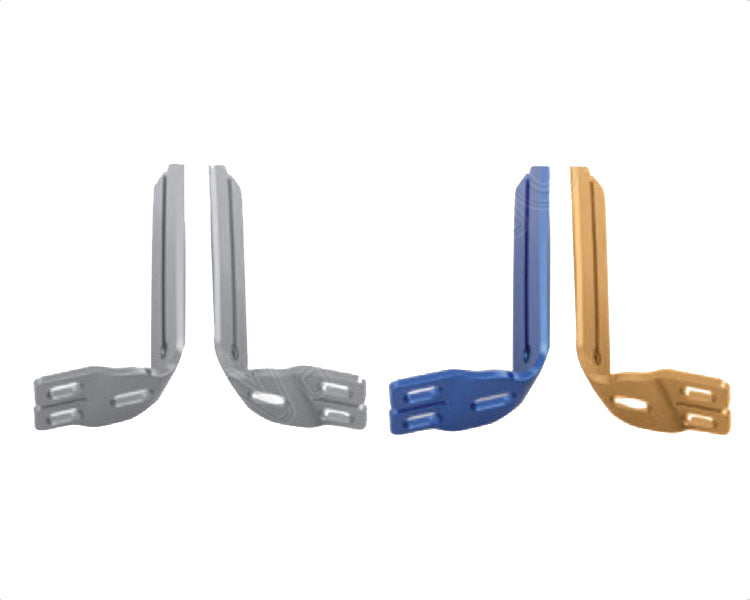
The Quadrilateral Surface Plate: An Advanced Solution in Orthopedic Surgery
Comprehensive Introduction & Overview
In the intricate world of orthopedic surgery, innovation continually strives to provide better solutions for complex bone injuries. Among these advancements, the Quadrilateral Surface Plate stands out as a highly specialized and critical implant designed to address some of the most challenging fractures, particularly those affecting the hip socket (acetabulum) and surrounding pelvic structures.
The acetabulum is a vital part of the hip joint, forming the socket into which the head of the femur (thigh bone) fits. Fractures in this area are often the result of high-energy trauma, such as car accidents or falls from significant heights. These injuries are complex due to the anatomical intricacies of the pelvis, the weight-bearing function of the hip, and the proximity of crucial nerves and blood vessels.
The Quadrilateral Surface Plate is not just any bone plate; it is a meticulously engineered device crafted to provide stable internal fixation for these intricate fractures. Its primary role is to accurately reduce (realign) the fractured bone fragments and hold them securely in place, thereby promoting optimal healing and restoring the structural integrity and function of the hip joint. By providing robust support, this plate helps to minimize long-term complications such as arthritis and chronic pain, significantly improving patient outcomes and facilitating a return to mobility.
Deep-Dive into Technical Specifications & Mechanisms
The effectiveness of the Quadrilateral Surface Plate lies in its sophisticated design, choice of materials, and biomechanical principles.
Design and Materials
- Anatomical Contouring: The most distinctive feature of the Quadrilateral Surface Plate is its pre-contoured shape. It is specifically designed to conform precisely to the complex anatomy of the quadrilateral surface of the pelvis and acetabulum. This pre-contouring minimizes the need for extensive intraoperative bending, which can weaken the plate and prolong surgery.
- Low-Profile Design: The plate features a slim, low-profile design. This is crucial for minimizing soft tissue irritation once implanted, reducing the risk of discomfort and the potential need for hardware removal in the future.
- Hole Patterns and Screw Configurations: The plate incorporates strategically placed holes that accommodate a variety of screw types. These often include:
- Locking Screws: These screws thread into the plate, creating a fixed-angle construct. This provides enhanced angular stability, especially beneficial in osteoporotic bone or comminuted fractures where traditional screws might pull out.
- Non-Locking (Cortical) Screws: These screws provide compression across fracture fragments, helping to pull them together for primary bone healing.
- Multi-directional Screws: Some designs allow screws to be inserted at varying angles, providing greater flexibility in capturing small fragments or optimizing screw purchase in challenging bone anatomy.
- Material Composition: Quadrilateral Surface Plates are typically manufactured from:
- Titanium or Titanium Alloys: These are the gold standard for orthopedic implants due to their excellent biocompatibility (meaning the body tolerates them well), high strength-to-weight ratio, and resistance to corrosion. Titanium is also non-ferromagnetic, making it generally safe for MRI scans.
- Stainless Steel (less common for new designs): Historically used, medical-grade stainless steel offers good strength but is less biocompatible than titanium and can interfere more significantly with MRI imaging.
Biomechanics and Mechanism of Action
The biomechanical principles behind the Quadrilateral Surface Plate are critical for its success:
- Internal Fixation: The plate acts as an internal splint, holding the fractured bone fragments in their correct anatomical position. This rigid fixation minimizes movement at the fracture site, which is essential for bone cells to bridge the gap and form new bone (primary bone healing).
- Load Sharing and Bearing: While the plate provides stability, it is also designed to share the mechanical load with the healing bone. This controlled load transfer encourages bone remodeling and strengthening. In some cases, it can bear a significant portion of the load, protecting the healing fracture.
- Fixed-Angle Construct (with locking screws): When locking screws are used, they create a "fixed-angle" construct, essentially acting as an internal fixator. This provides superior stability, particularly important in areas subjected to high biomechanical stress like the hip. It prevents screw loosening and loss of reduction, even under load.
- Compression (with non-locking screws): Non-locking screws can be used to apply compression across fracture lines, which is highly beneficial for promoting direct bone healing.
Extensive Clinical Indications & Usage
The Quadrilateral Surface Plate is primarily indicated for complex fractures and specific reconstructive procedures involving the acetabulum and pelvis.
Primary Indications: Acetabular Fractures
Fractures of the acetabulum are often classified by their anatomical location and pattern. The Quadrilateral Surface Plate is particularly effective for:
- Posterior Wall Fractures: Though often managed with smaller plates, complex posterior wall fractures extending to the quadrilateral surface may benefit.
- Posterior Column Fractures: These involve the posterior aspect of the acetabulum and often extend into the ischium.
- Transverse Fractures: Fractures that cross the acetabulum horizontally.
- T-Type Fractures: A combination of transverse and vertical fractures, creating a "T" shape.
- Associated Fracture Patterns: Such as posterior column and posterior wall, or both column fractures, where significant displacement of the quadrilateral surface is present.
- Medial Impaction: When the femoral head pushes the quadrilateral surface inwards, leading to significant displacement and potential articular damage. The plate provides strong buttressing to restore the medial wall.
Pelvic Fractures
While acetabular fractures are a subset of pelvic fractures, the Quadrilateral Surface Plate can also be used in broader pelvic ring instability, often in conjunction with other plates and screws. For instance, in cases involving fractures of the pubic rami or iliac wing where stability is compromised and the quadrilateral surface needs reinforcement.
Other Potential Applications
- Periacetabular Osteotomies (PAO): In corrective surgeries for hip dysplasia, where parts of the pelvis are cut and repositioned to improve hip mechanics, plates (including those similar in design to quadrilateral surface plates) may be used for fixation.
- Revision Hip Arthroplasty: In very rare and specific cases, where significant bone loss or defects around the acetabulum require reinforcement during revision total hip replacement.
Overview of Surgical Procedure (Patient Perspective)
Patients undergoing surgery with a Quadrilateral Surface Plate can expect:
- Pre-operative Planning: This involves detailed imaging (X-rays, CT scans, often with 3D reconstruction) to precisely map the fracture pattern and plan the surgical approach and plate placement.
- Anesthesia: General anesthesia is typically used.
- Surgical Incision and Exposure: The surgeon makes an incision to access the fractured area. The approach chosen depends on the fracture type and location (e.g., ilioinguinal, Kocher-Langenbeck, extended iliofemoral).
- Fracture Reduction: The bone fragments are carefully manipulated and realigned to their anatomical position. This is a critical step for restoring joint congruence.
- Plate Placement and Screw Insertion: The pre-contoured Quadrilateral Surface Plate is carefully positioned, and screws are inserted to secure it to the bone, holding the fragments in reduction.
- Intra-operative Imaging: Fluoroscopy (real-time X-ray) is used throughout the procedure to confirm accurate reduction and optimal plate and screw placement.
- Wound Closure: The surgical site is closed layer by layer.
Risks, Side Effects, or Contraindications
While the Quadrilateral Surface Plate offers significant benefits, like any surgical procedure involving implants, there are potential risks and considerations.
General Surgical Risks
- Infection: Risk of infection at the surgical site, potentially requiring antibiotics or further surgery.
- Bleeding: Intraoperative or postoperative bleeding.
- Nerve or Vessel Damage: Proximity to major nerves (e.g., sciatic nerve, femoral nerve) and blood vessels in the pelvis makes them susceptible to injury.
- Anesthesia Risks: General risks associated with anesthesia.
- Deep Vein Thrombosis (DVT) / Pulmonary Embolism (PE): Blood clot formation.
Plate-Specific Risks & Side Effects
- Non-union or Mal-union: The fracture fails to heal (non-union) or heals in an incorrect position (mal-union), potentially requiring further surgery.
- Hardware Failure: The plate or screws may loosen, break, or pull out, especially if proper weight-bearing restrictions are not followed or if bone quality is poor.
- Hardware Prominence/Irritation: The plate or screws may become palpable or cause discomfort, necessitating removal after bone healing.
- Heterotopic Ossification (HO): Abnormal bone formation in soft tissues around the hip, which can restrict motion. Prophylactic measures may be taken.
- Post-traumatic Osteoarthritis: Despite successful fixation, damage to the articular cartilage at the time of injury can lead to premature arthritis in the hip joint.
- Sciatic Nerve Impingement: Particularly relevant in posterior acetabular fractures, where nerve irritation or damage can occur during reduction or screw placement.
Contraindications
- Active Infection: Surgery should not proceed in the presence of an active infection.
- Severe Comminution: If the bone fragments are too small or numerous to achieve stable fixation.
- Poor Bone Quality: Severe osteoporosis or other conditions that compromise bone strength may prevent adequate screw purchase.
- Patient Comorbidities: Uncontrolled medical conditions that make surgery excessively risky.
- Severe Soft Tissue Damage: Compromised soft tissue envelope around the fracture site.
Expert Tips from Dr. Mohammed Hutaif
"The Quadrilateral Surface Plate represents a pinnacle of orthopedic innovation, providing unparalleled stability for some of the most challenging hip and pelvic fractures. However, its success is a multifaceted endeavor, extending far beyond the operating room. As your orthopedic specialist, I emphasize several key aspects for optimal recovery:
- Precision is Paramount: The intricate anatomy of the acetabulum demands meticulous surgical technique. Achieving precise anatomical reduction and stable fixation with this plate is crucial for restoring joint function and preventing long-term complications like post-traumatic arthritis.
- Early Diagnosis and Specialized Care: Due to the complexity of these fractures, seeking immediate evaluation from an orthopedic trauma specialist is vital. Early and accurate diagnosis, coupled with specialized surgical expertise, significantly impacts the outcome.
- Rehabilitation is Your Ally: Surgery is only the first step. A dedicated and consistent physical therapy program is indispensable. It's designed to gradually restore range of motion, strengthen surrounding muscles, and facilitate safe weight-bearing progression. Your commitment to this phase directly correlates with your functional recovery.
- Adherence to Post-Operative Instructions: Strict adherence to weight-bearing restrictions, wound care, and medication schedules is non-negotiable. These guidelines are tailored to protect the healing fracture and implant, preventing complications.
- Realistic Expectations and Patience: Recovery from such significant injuries is a marathon, not a sprint. It requires patience, perseverance, and a positive outlook. Understand that regaining full strength and mobility takes time, often many months, but with diligent effort, excellent results are achievable."
Massive FAQ Section
Q1: What is the Quadrilateral Surface Plate primarily used for?
A1: The Quadrilateral Surface Plate is primarily used for the internal fixation of complex fractures of the acetabulum (hip socket) and specific pelvic fractures. These are typically high-energy injuries where the hip joint's stability and alignment need to be meticulously restored.
Q2: Is the Quadrilateral Surface Plate a permanent implant?
A2: In most cases, yes, the Quadrilateral Surface Plate is designed to be a permanent implant. It remains in place after the bone has healed, providing long-term structural support. However, if it causes symptoms such as pain, irritation, or infection, it can be surgically removed once the fracture is fully consolidated, typically 12-18 months after the initial surgery.
Q3: What materials are Quadrilateral Surface Plates made from?
A3: Most modern Quadrilateral Surface Plates are made from high-grade titanium or titanium alloys. These materials are chosen for their excellent biocompatibility (meaning the body accepts them well), high strength-to-weight ratio, and resistance to corrosion. Titanium is also MRI-compatible. Some older designs might use medical-grade stainless steel.
Q4: How long is the recovery period after surgery with a Quadrilateral Surface Plate?
A4: The recovery period varies significantly based on the severity of the fracture, the individual's overall health, and adherence to rehabilitation protocols. Typically, patients are advised non-weight-bearing or touch-down weight-bearing for 6-12 weeks. Gradual progression to full weight-bearing follows, often taking 3-6 months. Full functional recovery, including return to activities, can take 6-12 months or even longer.
Q5: Will I need physical therapy after this surgery?
A5: Absolutely. Physical therapy is a critical and indispensable component of recovery after surgery with a Quadrilateral Surface Plate. It helps restore range of motion, strengthen the muscles around the hip and core, improve gait, and facilitate a safe return to daily activities. A tailored rehabilitation program is essential for optimal outcomes.
Q6: Can I walk normally after the surgery?
A6: Eventually, yes, the goal of the surgery and subsequent rehabilitation is to enable you to walk normally and regain full mobility. However, this process is gradual. You will likely use crutches or a walker for an extended period, adhering to strict weight-bearing restrictions. Your physical therapist will guide you through progressive weight-bearing exercises until you can walk independently.
Q7: What are the most common potential complications associated with this surgery?
A7: Potential complications include general surgical risks like infection, bleeding, and nerve/vessel damage. Plate-specific complications can include non-union (fracture not healing), mal-union (healing in an incorrect position), hardware failure (plate/screws breaking or loosening), hardware prominence causing discomfort, heterotopic ossification (abnormal bone growth), and the development of post-traumatic osteoarthritis.
Q8: Can the Quadrilateral Surface Plate be detected by airport scanners?
A8: Yes, metallic implants like the Quadrilateral Surface Plate can often be detected by airport security scanners (metal detectors and full-body scanners). It is advisable to carry medical documentation, such as a letter from your doctor or an implant card, to explain your situation to security personnel, although it typically won't set off alarms in many modern scanners.
Q9: What is the difference between locking and non-locking screws used with these plates?
A9: Locking screws thread into both the plate and the bone, creating a fixed-angle construct that provides enhanced angular stability, especially beneficial in weakened bone. Non-locking (cortical) screws primarily compress the bone fragments against the plate, drawing them together to promote direct bone healing. Often, a combination of both screw types is used depending on the fracture pattern and bone quality.
Q10: How does this plate improve patient outcomes?
A10: The Quadrilateral Surface Plate improves patient outcomes by:
* Restoring Anatomical Alignment: Precisely realigning fractured bone fragments, crucial for joint function.
* Providing Stable Fixation: Holding fragments securely, promoting robust bone healing.
* Facilitating Early Mobilization: Stable fixation allows for earlier, controlled movement, preventing stiffness and muscle atrophy.
* Reducing Long-term Pain and Disability: By restoring joint congruity and stability, it minimizes the risk of chronic pain and the development of severe post-traumatic arthritis.
Q11: Is this surgery suitable for every patient with an acetabular fracture?
A11: No, surgery with a Quadrilateral Surface Plate is not suitable for every patient. The decision depends on various factors, including the specific type and severity of the acetabular fracture, the patient's overall health, bone quality, presence of other injuries, and the surgeon's assessment. Non-surgical management or other surgical techniques might be more appropriate in certain situations.
Q12: What does Dr. Hutaif mean by "meticulous surgical technique"?
A12: Dr. Hutaif emphasizes that "meticulous surgical technique" refers to the highly precise and careful execution of every step of the surgery. This includes accurate reduction (realigning the bone fragments perfectly), careful contouring and positioning of the plate to match the complex anatomy, precise placement of screws to maximize stability and avoid vital structures, and meticulous handling of soft tissues. This precision is vital for optimizing healing, minimizing complications, and achieving the best possible functional outcome.