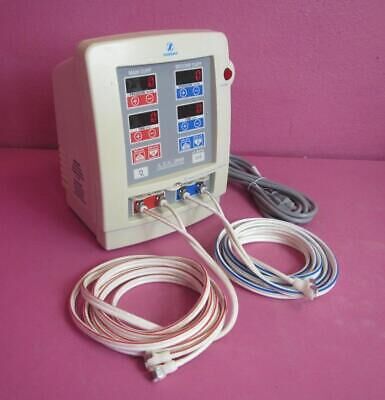
Comprehensive Introduction & Overview: The Precision of Pneumatic Tourniquet Systems
Pneumatic tourniquet systems are indispensable tools in modern orthopedic and reconstructive surgery, providing a controlled, bloodless surgical field critical for precision and safety. These sophisticated devices temporarily occlude arterial blood flow to a limb, enhancing visibility, reducing blood loss, and facilitating intricate surgical procedures. From routine fracture repair to complex joint arthroplasty, the ability to operate in a clear field significantly improves surgical efficiency and patient outcomes.
This comprehensive guide delves into the intricacies of pneumatic tourniquet systems, specifically focusing on both single and dual cuff configurations. We will explore their advanced design, biomechanical principles, diverse clinical applications, meticulous maintenance protocols, and profound impact on patient safety and recovery. As experts in orthopedic instrumentation, we aim to provide an authoritative resource for surgeons, nurses, and medical professionals seeking to deepen their understanding of this vital technology.
Deep-dive into Technical Specifications & Mechanisms
Modern pneumatic tourniquet systems are a testament to precision engineering, integrating advanced technology to ensure patient safety and surgical efficacy.
Components of a Pneumatic Tourniquet System
A typical system comprises several key components:
- Control Unit: The brain of the system, featuring a microprocessor, pressure sensors, timers, and alarm systems.
- Microprocessor-controlled: Ensures accurate pressure delivery and maintenance.
- Pressure Sensors: Provide real-time feedback, automatically adjusting inflation to maintain target pressure.
- Alarms: Audible and visual alerts for pressure deviations, time limits, and system malfunctions.
- Timers: Track tourniquet inflation time, crucial for preventing ischemia-related complications.
- Battery Backup: Ensures continuous operation during power interruptions.
- Cuffs: The direct interface with the patient's limb.
- Design: Available in various shapes (straight, contoured, conical) and widths to conform to different limb anatomies.
- Materials: Typically made from durable, non-absorbent, easy-to-clean materials like silicone, nylon, or polyurethane, often latex-free to prevent allergic reactions.
- Single Cuff: Used for occluding blood flow to a single limb segment, common in most orthopedic procedures.
- Dual Cuff: Consists of two independent cuffs integrated into one system. This configuration is particularly useful for:
- Intravenous Regional Anesthesia (IVRA) / Bier's Block: The distal cuff is inflated first for anesthesia, then the proximal cuff is inflated, and the distal deflated to maintain a bloodless field while the anesthetic is contained.
- Sequential Deflation: Allows for controlled reperfusion or to maintain proximal occlusion if the distal cuff's pressure becomes insufficient.
- Hoses: Durable, flexible tubing connecting the cuffs to the control unit, designed to withstand repeated use and sterilization.
Mechanism of Action
The core mechanism involves precisely controlled pneumatic inflation:
- Pneumatic Inflation: Compressed air, regulated by the control unit, inflates the cuff circumferentially around the limb.
- Vascular Occlusion: The increasing pressure within the cuff compresses the underlying tissues, including arteries and veins. When the cuff pressure exceeds the patient's systolic arterial pressure, blood flow to the distal limb is completely occluded.
- Pressure Monitoring & Regulation: The control unit continuously monitors cuff pressure, making minute adjustments to maintain the set pressure, compensating for physiological changes or minor leaks.
- Gradient Control (Dual Cuff): In a dual cuff system, each cuff can be independently inflated and deflated to different pressures, allowing for localized anesthesia (IVRA) or staged occlusion.
Biomechanics of Tourniquet Application
Understanding the biomechanical impact is crucial for safe and effective tourniquet use.
- Pressure and Tissue Ischemia:
- Effective Occlusive Pressure (EOP): The minimum pressure required to completely stop arterial flow. EOP varies based on limb circumference, tissue composition (muscle, fat, bone), and cuff width. Wider cuffs generally require lower pressures.
- Physiological Effects: Ischemia leads to a cascade of cellular changes, including nerve conduction block, muscle cell damage (myonecrosis), and endothelial injury. The duration and magnitude of pressure directly correlate with the severity of these effects.
- Nerve Compression:
- Nerves are highly susceptible to compression and ischemia. Large myelinated motor fibers are generally more sensitive than small unmyelinated sensory fibers.
- Mechanisms of injury include direct mechanical compression, ischemia, and stretching. Proper padding and appropriate pressure minimize this risk.
- Muscle Ischemia:
- Skeletal muscle has a limited tolerance to ischemia. Prolonged ischemia can lead to muscle necrosis, rhabdomyolysis, and post-reperfusion injury.
- Vascular Effects:
- Endothelial cells are sensitive to pressure and ischemia. Prolonged occlusion can lead to endothelial dysfunction, increased capillary permeability, and a theoretical risk of thrombosis, though rare.
Design & Material Innovations
Advancements continue to enhance tourniquet safety and performance:
- Smart Tourniquet Systems: Incorporate algorithms to calculate personalized EOP based on patient's limb and blood pressure, reducing the risk of using excessively high pressures.
- Optimized Cuff Materials: Development of more conformable, durable, and easily cleanable materials that are also radiolucent (allowing X-ray imaging without removal).
- Ergonomics: User-friendly interfaces, intuitive controls, and portable designs improve clinical workflow.
Extensive Clinical Indications & Usage
Pneumatic tourniquets are cornerstones in various surgical disciplines.
Surgical Applications
- Orthopedic Surgery:
- Fracture Fixation: Essential for clear visualization during open reduction and internal fixation of limb fractures (e.g., forearm, ankle, tibia, femur).
- Arthroscopy: Improves visualization for knee, shoulder, ankle, and wrist arthroscopic procedures, allowing for precise repair of ligaments, menisci, and cartilage.
- Joint Replacement: Routinely used in total knee arthroplasty to minimize blood loss, enhance cement-bone interface, and improve component positioning.
- Soft Tissue Procedures: Tendon repairs, ligament reconstructions, nerve decompressions, and carpal tunnel release benefit from a bloodless field.
- Tumor Excisions: Facilitates precise resection of bone and soft tissue tumors in extremities.
- Plastic & Reconstructive Surgery:
- Flap Procedures: Crucial for microvascular anastomoses and precision during free flap transfers.
- Replantations: Enables meticulous reattachment of severed limbs or digits.
- Vascular Surgery:
- Occasionally used for temporary proximal control in specific, non-arterial procedures or when direct clamping is not feasible.
- Intravenous Regional Anesthesia (IVRA) / Bier's Block:
- A dual cuff system is essential here. Anesthetic is injected into a cannulated vein distal to a proximally inflated cuff, providing rapid and effective regional anesthesia while maintaining a bloodless field. The dual cuff allows for a safety mechanism or extended anesthetic time by sequential cuff deflation and inflation.
Fitting & Usage Instructions
Proper application is paramount for safety and efficacy.
- Pre-operative Assessment:
- Patient History: Review for conditions like peripheral vascular disease, diabetes, neuropathy, sickle cell disease, or coagulopathies.
- Limb Measurement: Measure the circumference of the limb at the intended cuff application site.
- Cuff Selection: Choose the narrowest cuff that fully occludes blood flow with the lowest possible pressure, ensuring at least 3-6 inches of overlap. Wider cuffs allow for lower pressures but cover more limb area.
- Cuff Application:
- Padding: Apply a single layer of stockinette or specialized tourniquet padding (e.g., cotton wool, synthetic cast padding) smoothly and without wrinkles, extending beyond the cuff edges. This protects skin and nerves from direct pressure and shearing forces.
- Placement: Position the cuff as proximally on the limb as possible, avoiding bony prominences, joints, or areas where nerves are superficial.
- Snugness: Apply the cuff snugly but not overtight, ensuring even pressure distribution.
- Limb Exsanguination: Elevate the limb for 2-5 minutes or use an Esmarch bandage to exsanguinate the limb, forcing venous blood back into the systemic circulation. This reduces venous congestion and improves the bloodless field.
- Inflation Pressure Determination:
- Individualized Approach: Pressure should be individualized based on the patient's systolic blood pressure (SBP), limb circumference, and cuff width.
- General Guidelines:
- Upper Limb: SBP + 50-100 mmHg.
- Lower Limb: SBP + 75-150 mmHg.
- Automated EOP Systems: Modern systems can calculate the lowest effective occlusive pressure automatically.
- Verification: Visually confirm the absence of distal pulses (e.g., radial, dorsalis pedis) after inflation.
- Inflation & Monitoring:
- Rapid Inflation: Inflate the cuff rapidly to the target pressure to minimize venous engorgement.
- Continuous Monitoring: Continuously monitor cuff pressure and inflation time.
- Time Limits: Adhere strictly to maximum recommended inflation times (e.g., 90-120 minutes for upper limb, 120-150 minutes for lower limb) to minimize ischemic injury. If longer periods are needed, intermittent deflation (after 60-90 mins, for 10-15 mins) may be considered, though its benefit is debated.
- Deflation:
- Gradual or Rapid: Deflate the cuff after the surgical procedure. Rapid deflation is generally preferred to minimize reperfusion injury.
- Reperfusion Management: Be prepared for potential reperfusion phenomena, including a transient drop in blood pressure (tourniquet release syndrome) and metabolic changes.
- Documentation: Meticulously record cuff size, location, inflation pressure, total inflation time, and patient response in the surgical notes.
Maintenance & Sterilization Protocols
Rigorous maintenance and appropriate sterilization are essential for device longevity and, critically, patient safety.
Control Unit Maintenance
- Regular Calibration: Calibrate the control unit annually or as per the manufacturer's recommendations to ensure pressure accuracy.
- Battery Check: Periodically check the battery backup to ensure it is fully charged and functional.
- Cleaning: Wipe down the exterior of the control unit with approved hospital-grade disinfectants after each use. Avoid harsh chemicals or immersion.
- Inspection: Regularly inspect hoses for cracks, kinks, leaks, or signs of damage. Replace damaged hoses immediately.
Cuff Maintenance
- Cleaning:
- After Each Use: Wipe down reusable cuffs with alcohol-based solutions or approved disinfectants.
- Manufacturer Instructions: Always follow the manufacturer's specific cleaning instructions, as materials vary. Some cuffs may be machine washable, while others require specific hand-cleaning protocols.
- Inspection:
- Pre and Post-Use: Visually inspect cuffs for any punctures, tears, fraying, signs of wear, or damage to the inflation bladder.
- Hoses: Check cuff hoses for blockages or damage.
- Storage: Store cuffs flat, clean, and dry, away from sharp objects, direct sunlight, and extreme temperatures to prevent material degradation.
Sterilization
- Autoclavable Cuffs: Some specialized cuffs are designed to withstand steam sterilization (autoclaving). These will be clearly marked by the manufacturer. Follow specific temperature, pressure, and cycle time guidelines.
- Non-Autoclavable Cuffs: Most standard reusable cuffs are not autoclavable. They are typically cleaned and disinfected, not sterilized, as they do not penetrate sterile tissue.
- Single-Use Cuffs: These are sterile or clean and intended for disposal after a single patient use. Do not attempt to reprocess or sterilize single-use cuffs.
- Strict Adherence: Adhering strictly to the manufacturer's guidelines for cleaning, disinfection, and sterilization is crucial to prevent infection and maintain device integrity.
Patient Outcome Improvements
The judicious use of pneumatic tourniquet systems offers significant advantages, translating into improved patient outcomes.
- Improved Surgical Field Visualization: The primary benefit is a bloodless field, allowing surgeons to clearly identify anatomical structures, critical for precision in complex procedures like microvascular repair or nerve dissection.
- Reduced Blood Loss: Minimizing intraoperative blood loss reduces the need for blood transfusions, thereby lowering the associated risks of transfusion reactions, infections, and immune modulation.
- Enhanced Surgical Precision: A clear field allows for more accurate dissection, meticulous hemostasis, and precise placement of implants or sutures, potentially leading to better functional results and reduced reoperation rates.
- Reduced Post-operative Swelling & Hematoma: Less intraoperative bleeding typically results in reduced post-operative swelling, bruising, and hematoma formation, contributing to patient comfort and faster healing.
- Potentially Faster Recovery: By optimizing surgical conditions and minimizing blood loss, tourniquet use can contribute to quicker patient recovery, shorter hospital stays, and earlier return to function.
- Effective Regional Anesthesia: For procedures utilizing IVRA, dual cuff systems provide excellent localized anesthesia, reducing systemic drug exposure and offering a rapid onset of action.
Risks, Side Effects, or Contraindications
While highly beneficial, tourniquet use is not without potential risks and must be carefully considered for each patient.
Risks & Side Effects
- Neurological Complications:
- Tourniquet Paralysis: Transient or, rarely, permanent motor or sensory nerve palsy due to compression or ischemia. This is the most common serious complication.
- Paresthesia/Dysesthesia: Numbness, tingling, or burning sensations, usually resolving after deflation.
- Muscular Complications:
- Muscle Weakness: Temporary weakness or soreness in the affected limb.
- Rhabdomyolysis: Rarely, severe muscle breakdown, especially with prolonged ischemia or in susceptible individuals.
- Compartment Syndrome: Extremely rare, but possible if post-tourniquet swelling leads to excessive pressure within muscle compartments.
- Vascular Complications:
- Post-tourniquet Hyperemia: A transient increase in blood flow and redness in the limb after deflation.
- Venous Thrombosis: A theoretical risk, particularly with prolonged stasis, though clinical incidence is low.
- Arterial Injury: Very rare, but possible with excessive pressure or improper cuff application.
- Skin & Tissue Damage:
- Blistering, Ecchymosis, Necrosis: Can occur due to excessive pressure, shearing forces, or prolonged application, particularly in elderly patients or those with fragile skin.
- Pressure Sores: From direct cuff pressure.
- Systemic Effects:
- Tourniquet Pain: Deep, aching pain that can develop after 30-60 minutes of inflation, often requiring additional analgesia.
- Systemic Hypertension: A transient rise in blood pressure upon inflation, especially in hypertensive patients.
- Metabolic Acidosis: Accumulation of metabolic byproducts during ischemia, released upon reperfusion.
- Tourniquet Release Syndrome: A transient drop in blood pressure, potentially accompanied by metabolic acidosis and arrhythmias, upon deflation.
Contraindications
- Absolute Contraindications:
- Severe Peripheral Vascular Disease: Atherosclerosis, severe peripheral artery disease, or compromised collateral circulation, where further ischemia could lead to irreversible tissue damage.
- Sickle Cell Disease or Trait: Risk of sickling crisis and vaso-occlusion under hypoxic conditions.
- Extensive Soft Tissue Infection/Cellulitis: Risk of spreading infection systemically or exacerbating local tissue damage.
- Recent Revascularization Procedures: To avoid compromising newly reconstructed vessels.
- Trauma with Crush Injury or Significant Soft Tissue Damage: Where reperfusion is critical for tissue viability.
- Relative Contraindications:
- Peripheral Neuropathy: Increased risk of nerve injury.
- Uncontrolled Hypertension: Exacerbation of hypertension during inflation.
- Diabetes Mellitus: Increased susceptibility to nerve and vascular damage.
- Elderly Patients: Fragile skin, reduced vascular reserve, increased risk of pressure injuries.
- Obesity: Difficulty achieving adequate occlusion, requiring higher pressures, and increased risk of complications.
- Coagulopathies or Anticoagulant Therapy: While the bloodless field is beneficial, careful consideration is needed due to potential bleeding risks upon deflation.
Massive FAQ Section
1. What is a pneumatic tourniquet system used for?
A pneumatic tourniquet system is primarily used in orthopedic and reconstructive surgery to create a temporary bloodless surgical field in a limb. This enhances visibility for the surgeon, reduces blood loss, and improves the precision of the procedure.
2. What's the difference between a single cuff and a dual cuff system?
A single cuff system uses one cuff to occlude blood flow to the entire distal limb. A dual cuff system employs two independent cuffs, typically applied proximally. The dual cuff is particularly useful for procedures like Intravenous Regional Anesthesia (Bier's block), allowing for sequential inflation/deflation to maintain anesthesia and a bloodless field, or for extended surgical times by staggering cuff inflation.
3. How is the correct tourniquet pressure determined?
The correct tourniquet pressure, or Effective Occlusive Pressure (EOP), is individualized. It depends on the patient's systolic blood pressure (SBP), limb circumference, and cuff width. Generally, it's set at SBP + 50-100 mmHg for the upper limb and SBP + 75-150 mmHg for the lower limb. Modern systems often have automated EOP calculation features to optimize pressure.
4. How long can a tourniquet safely stay on?
The maximum safe inflation time varies but generally ranges from 90 to 120 minutes for upper limbs and 120 to 150 minutes for lower limbs. Prolonged inflation increases the risk of nerve damage, muscle injury, and other complications. If a longer duration is anticipated, a brief deflation period (10-15 minutes) after 60-90 minutes may be considered, though its benefits are debated.
5. What are the common complications of tourniquet use?
Common complications include tourniquet pain, temporary nerve dysfunction (paresthesia, weakness), post-tourniquet hyperemia (redness and increased blood flow), and skin irritation or blistering. More serious, though rarer, complications include prolonged nerve palsy, muscle damage (rhabdomyolysis), and compartment syndrome.
6. Can pneumatic tourniquets be used for all patients?
No, there are several contraindications. Absolute contraindications include severe peripheral vascular disease, sickle cell disease, active limb infection, and recent revascularization. Relative contraindications include peripheral neuropathy, uncontrolled hypertension, diabetes, and extreme obesity. A thorough patient assessment is crucial.
7. How do I clean and maintain my tourniquet system?
The control unit should be wiped down with hospital-grade disinfectants and calibrated annually. Reusable cuffs should be cleaned with approved disinfectants after each use and inspected for damage. Store cuffs flat and dry. Always follow the manufacturer's specific instructions for cleaning, disinfection, and sterilization, as protocols vary by device and material.
8. Is padding necessary under the tourniquet cuff? Why?
Yes, padding is essential. A single layer of smooth, wrinkle-free padding (e.g., stockinette or specialized tourniquet padding) protects the skin and nerves from direct pressure, shearing forces, and friction. It helps distribute pressure evenly and reduces the risk of skin breakdown, blistering, and nerve injury.
9. What is "tourniquet release syndrome"?
Tourniquet release syndrome refers to the transient physiological changes that can occur immediately after a prolonged tourniquet is deflated. These include a temporary drop in systemic blood pressure, an increase in heart rate, and potential metabolic disturbances (e.g., acidosis) as ischemic byproducts are released into the systemic circulation.
10. Are there alternatives to pneumatic tourniquets?
In some cases, alternatives or adjunctive techniques are used. These include elevation of the limb, local infiltration with vasoconstrictors (e.g., epinephrine), specific hemostatic agents, and careful electrocautery. However, for many orthopedic procedures requiring a truly bloodless field, pneumatic tourniquets remain the gold standard.
11. What is the role of an Esmarch bandage in tourniquet application?
An Esmarch bandage is a rubberized, elastic bandage used to exsanguinate a limb before tourniquet inflation. It is wrapped tightly from the distal to the proximal end of the limb, forcing venous blood out of the limb and back into the systemic circulation. This improves the quality of the bloodless field and reduces venous congestion.
12. Why is precise timing important with tourniquet use?
Precise timing is critical because prolonged ischemia can lead to irreversible tissue damage, particularly to nerves and muscles. Monitoring inflation time allows the surgical team to adhere to established safety guidelines and minimize the risk of complications associated with prolonged tissue hypoxia.