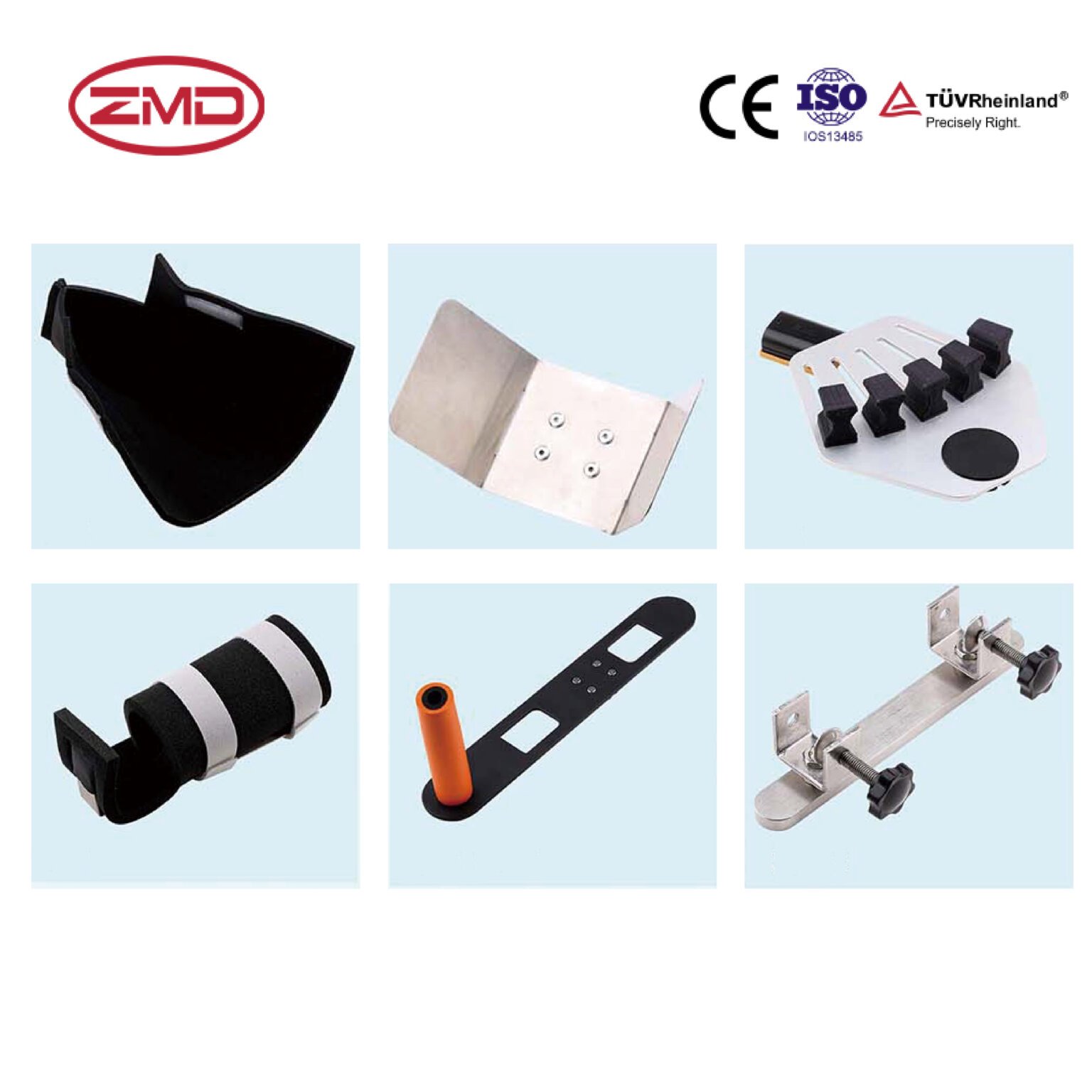
The Pneumatic Limb Positioner (Spider Arm): An Orthopedic Game-Changer
In the dynamic world of orthopedic surgery, precision, stability, and patient safety are paramount. The Pneumatic Limb Positioner, often colloquially known as the "Spider Arm," represents a pinnacle of surgical technology designed to meet these critical demands. This comprehensive guide delves into every facet of this indispensable orthopedic instrument, from its intricate design and biomechanical principles to its extensive clinical applications, maintenance protocols, and profound impact on patient outcomes.
1. Comprehensive Introduction & Overview
The Pneumatic Limb Positioner is an advanced surgical adjunct used primarily in orthopedic procedures to securely and precisely hold a patient's limb in a desired position, often under traction, without requiring continuous manual assistance. Its unique multi-jointed, adjustable design, reminiscent of a spider's limb, allows for unparalleled flexibility and stability, providing surgeons with an unobstructed operative field and consistent limb positioning.
Traditionally, limb positioning during surgery relied heavily on surgical assistants or complex pulley systems. While effective to a degree, these methods often introduced variability, fatigue, and potential for human error. The advent of the Spider Arm revolutionized this aspect of surgery, offering:
- Unwavering Stability: Maintains precise limb position throughout lengthy procedures.
- Enhanced Surgical Access: Frees up surgical staff and provides optimal visualization.
- Reduced Staff Fatigue: Eliminates the physical strain of manual limb holding.
- Improved Patient Safety: Minimizes the risk of inadvertent limb movement or pressure points.
This guide will serve as an authoritative resource for orthopedic surgeons, surgical technicians, nurses, and medical device professionals seeking to understand the full capabilities and operational nuances of this vital instrument.
2. Deep-Dive into Technical Specifications & Mechanisms
2.1. Design & Materials
The construction of a Pneumatic Limb Positioner is a testament to engineering excellence, combining robust materials with ergonomic design to withstand the rigors of the operating room while ensuring patient safety.
Key Design Components:
- Mounting Clamp: Securely attaches the unit to the operating room (OR) table side rail.
- Articulating Arms: Multiple segments connected by robust joints, allowing for multi-directional movement.
- Pneumatic Control System: The core mechanism, typically consisting of an air cylinder, pressure regulator, and foot pedal or hand control for inflation/deflation.
- Locking Mechanisms: Independent or integrated locking systems for each joint, ensuring rigid fixation once the desired position is achieved.
- Sterile Interface: Components designed for easy draping to maintain a sterile field, often with disposable covers or single-use components that contact the patient.
- Limb Attachment Devices: Various straps, clamps, or traction boots designed to securely hold the patient's limb without causing undue pressure.
Material Selection:
- Frame/Structure: High-grade aluminum alloys or carbon fiber composites are common. These materials offer an excellent strength-to-weight ratio, are corrosion-resistant, and are often radiolucent (carbon fiber), which is crucial for intraoperative imaging.
- Joints/Bushings: Stainless steel, high-performance plastics (e.g., PEEK), or durable alloys to ensure smooth articulation and longevity.
- Pneumatic Components: Medical-grade plastics, rubber seals, and precision-machined metals for reliable air pressure control.
- Limb Straps/Pads: Latex-free, hypoallergenic, and non-slip materials, often disposable, to prevent skin irritation and ensure secure grip.
2.2. Mechanism of Action
The "pneumatic" aspect refers to the use of compressed air to power the device. When activated (usually via a foot pedal), compressed air inflates a cylinder within the positioner, extending or retracting a piston that then locks the articulating arms into a rigid position.
How it Works:
- Initial Setup: The device is attached to the OR table, and the patient's limb is secured to the limb attachment device.
- Manual Positioning: The surgeon or assistant manually manipulates the limb and the Spider Arm to achieve the desired anatomical position.
- Pneumatic Locking: Once the limb is in the correct position, the pneumatic system is activated. Air pressure drives a locking mechanism, which rigidly fixes the articulated joints. This effectively "freezes" the limb in place, maintaining that position with unwavering stability.
- Adjustability: If adjustments are needed during surgery, the pneumatic pressure can be temporarily released (unlocked), the limb repositioned, and then re-locked. This allows for dynamic adjustments without compromising sterility or requiring additional personnel.
2.3. Biomechanics
The biomechanical principles underlying the Spider Arm's efficacy are crucial for understanding its impact on surgical precision and patient safety.
- Mimicking Physiological Movement: The multi-jointed design allows the Spider Arm to replicate the complex range of motion of a human limb, enabling anatomical positioning that would be difficult or impossible with static supports.
- Stable Traction & Counter-Traction: In procedures requiring traction (e.g., shoulder or knee arthroscopy), the Spider Arm provides consistent, measurable traction. This stability ensures that joint spaces are maintained, facilitating visualization and instrument access without the risk of inconsistent force application inherent in manual traction.
- Even Pressure Distribution: With appropriate padding and limb attachment techniques, the device distributes pressure evenly across the secured limb segment, minimizing the risk of localized pressure points, nerve compression, or skin shear injuries.
- Ergonomic Advantage: By eliminating the need for manual holding, the Spider Arm reduces musculoskeletal strain on surgical staff, promoting better posture and reducing the risk of work-related injuries. This also allows the surgical team to focus entirely on the surgical task at hand.
- Reduced Micro-Movements: Even the most skilled human hand can exhibit micro-tremors or fatigue over time. The rigidly locked Spider Arm eliminates these subtle movements, providing a rock-solid foundation for delicate surgical maneuvers, contributing to enhanced precision and reduced operative time.
3. Extensive Clinical Indications & Usage
The Pneumatic Limb Positioner is a versatile instrument with a broad range of applications across orthopedic surgery. Its ability to provide stable, adjustable, and hands-free limb positioning makes it invaluable for various procedures.
3.1. Detailed Surgical Applications
| Surgical Area | Specific Procedures | Shoulder Arthroscopy | Rotator Cuff Repair, Rotator Cuff Repair Revision, Labral Repair, Bankart Repair, Rotrum Repair, SLAP Repair, Distal Clavicle Excision (DCE), Subacromial Decompression (SAD), Subacromial Decompression with Acromioplasty, Biceps Tenodesis, Subacromial Decompression with Biceps Tenodesis, AC Joint Reconstruction. |
| Knee Arthroscopy | ACL Reconstruction, PCL Reconstruction, Meniscectomy, Meniscus Repair, Microfracture, Loose Body Removal, Plica Excision.