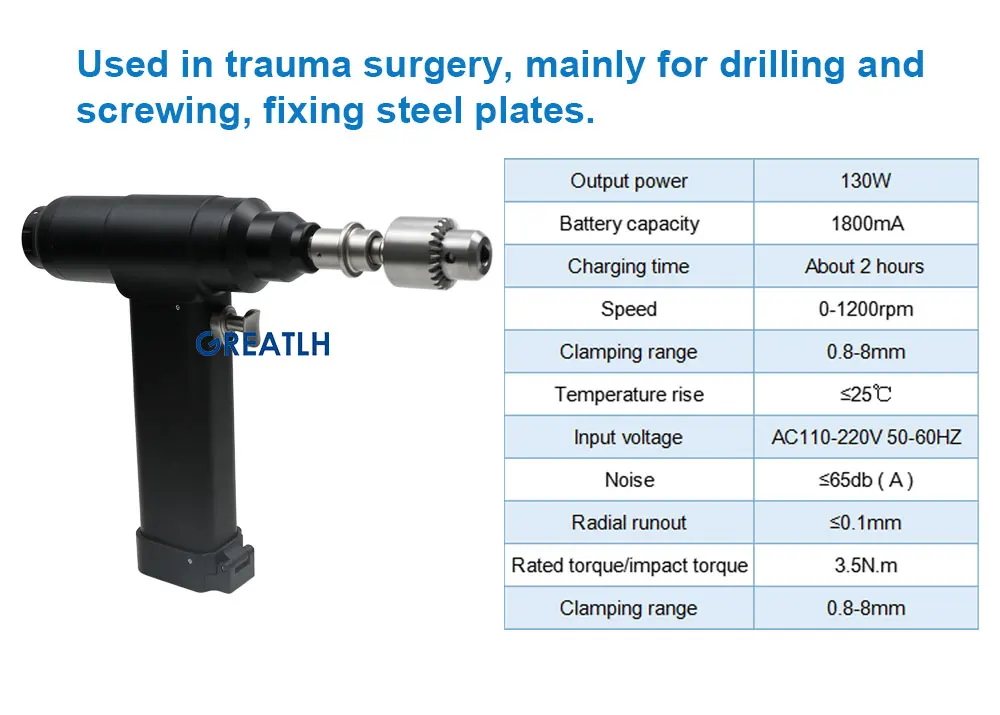
The Pneumatic High-Speed Drill (100,000 RPM): A Pillar of Precision in Orthopedic Surgery
Welcome to an in-depth exploration of one of the most remarkable tools in modern orthopedic and neurosurgical practices: the Pneumatic High-Speed Drill, capable of astounding speeds up to 100,000 revolutions per minute (RPM). This advanced instrument represents a significant leap in surgical precision, safety, and efficiency, directly contributing to improved patient outcomes. As an expert in orthopedic care, Dr. Mohammed Hutaif utilizes such cutting-edge technology to ensure the highest standard of treatment.
Please note: This information is for educational purposes only and is not medical advice. Always consult with a qualified healthcare professional for any medical concerns.
1. Comprehensive Introduction & Overview
Modern orthopedic surgery demands unparalleled precision, especially when operating on delicate structures like the spine, skull, or intricate joint components. The pneumatic high-speed drill is an indispensable tool that meets this demand, allowing surgeons to perform highly intricate tasks with microscopic accuracy. Unlike conventional drills, its extraordinary speed and specialized attachments enable controlled bone removal, shaping, and cutting with minimal trauma to surrounding tissues.
The "pneumatic" aspect refers to its power source: compressed air. This design choice offers several advantages, including a lightweight handpiece, high power-to-weight ratio, and the ability to operate without generating electrical interference, crucial in a sterile operating environment. The staggering 100,000 RPM allows for incredibly smooth and efficient bone work, reducing the risk of thermal necrosis (bone tissue death due to heat) and enhancing the overall surgical experience for both the surgeon and, most importantly, the patient.
2. Deep-Dive into Technical Specifications & Mechanisms
Design and Materials
The construction of a high-speed pneumatic drill is a testament to advanced engineering and material science.
* Handpiece: Typically crafted from lightweight yet durable materials like aerospace-grade titanium or high-grade stainless steel. This ensures ergonomic handling, reduces surgeon fatigue during long procedures, and allows for superior sterilization.
* Turbine Mechanism: At the heart of the drill is a miniature turbine powered by precisely controlled compressed air. This turbine translates the air pressure into rotary motion at incredibly high speeds.
* Attachments (Burrs and Blades): The drill utilizes a wide array of interchangeable attachments, each designed for specific tasks.
* Burrs: Small, abrasive, rotating tools made from materials like tungsten carbide, diamond dust, or high-speed steel. They come in various shapes (round, oval, tapered, fluted) and sizes, allowing for precise bone sculpting, debulking, and removal.
* Saws: Oscillating or reciprocating blades used for controlled bone cuts, such as osteotomies.
* Reamers: Used for preparing bone cavities, especially in joint replacement surgeries.
* Irrigation System: A crucial integrated component, delivering a sterile saline solution directly to the surgical site. This serves multiple purposes:
* Cooling: Dissipates heat generated by friction, preventing thermal injury to bone and soft tissues.
* Clearing Debris: Washes away bone dust and tissue fragments, maintaining a clear surgical field.
* Lubrication: Enhances the smooth operation of the burr.
* Foot Pedal Control: Allows the surgeon precise, hands-free control over the drill's speed and activation, ensuring optimal focus on the surgical field.
Biomechanics and High-Speed Operation
The biomechanical advantages of a 100,000 RPM drill are profound:
* Reduced Thermal Necrosis: At extremely high speeds, the burr essentially "vaporizes" microscopic layers of bone rather than grinding it. This generates significantly less heat per unit of bone removed compared to slower drills, drastically minimizing the risk of thermal damage to surrounding bone cells, which is vital for proper healing and integration.
* Cleaner, Smoother Cuts: The high RPM results in exceptionally smooth and precise cutting surfaces, reducing micro-fractures in the bone and promoting faster healing.
* Minimized Vibrations: High-speed rotation, when balanced correctly, can reduce macroscopic vibrations, leading to greater control and precision for the surgeon.
* Efficient Tissue Removal: The rapid rotation allows for quick and efficient removal of bone, soft tissue, or pathological lesions (e.g., tumors), reducing operative time.
* Access to Confined Spaces: The small diameter of many burrs, combined with the power of the drill, allows surgeons to operate in tight anatomical spaces with minimal invasiveness.
3. Extensive Clinical Indications & Usage
The pneumatic high-speed drill is a cornerstone in numerous complex orthopedic and neurosurgical procedures. Its precision and efficiency make it indispensable for:
Spinal Surgery
- Laminectomy/Laminotomy: Precisely removing a portion of the vertebral bone (lamina) to decompress nerve roots or the spinal cord, often in cases of spinal stenosis or herniated discs.
- Foraminotomy: Enlarging the neural foramen (opening where nerve roots exit the spine) to relieve pressure on nerves.
- Spinal Fusion Preparation: Preparing bony surfaces for fusion by decorticating (removing the outer layer of bone) to promote bone growth and successful fusion.
- Tumor Resection: Carefully removing bone tumors from the spine while preserving critical neural structures.
Neurosurgery (Cranial Procedures)
- Craniotomy: Creating precise openings in the skull to access the brain for tumor removal, aneurysm repair, or treatment of neurological conditions.
- Skull Base Surgery: Navigating complex anatomical regions at the base of the skull with minimal collateral damage.
Joint Reconstruction and Arthroscopy
- Arthroscopic Debridement: Precisely removing bone spurs or damaged cartilage within joints (e.g., knee, shoulder, hip) through small incisions.
- Joint Preparation for Arthroplasty: Shaping and preparing bone surfaces for the implantation of prosthetic components in total joint replacement surgeries.
Trauma Surgery
- Fracture Fixation: Precisely shaping bone fragments or creating pathways for screws and plates in complex fracture repairs, especially in articular fractures.
- Debridement of Contaminated Wounds: Removing devitalized bone and tissue from open fractures to prevent infection.
Hand and Foot Surgery
- Osteotomies: Performing precise bone cuts to correct deformities or improve joint alignment (e.g., bunion correction, correction of hammertoes).
- Fusion Procedures: Preparing small bones for fusion in the hand or foot.
Musculoskeletal Tumor Surgery
- Bone Tumor Resection: Excising benign or malignant bone tumors with clear margins while minimizing damage to healthy bone and surrounding tissues.
Usage Instructions (Surgeon's Perspective, simplified for patients)
The surgeon's use of the pneumatic high-speed drill involves a highly skilled and systematic approach:
1. Attachment Selection: Choosing the appropriate burr or blade based on the specific surgical task, bone density, and anatomical location.
2. Connection & Testing: Securely attaching the chosen instrument to the handpiece and testing its function and rotation.
3. Sterile Field Setup: Ensuring the drill and all components are fully sterilized and integrated into the sterile surgical field.
4. Speed Control: Adjusting the RPM via a foot pedal to match the required precision and bone type.
5. Continuous Irrigation: Activating the irrigation system to ensure constant cooling and debris removal.
6. Controlled Application: Applying the burr with light, controlled pressure, allowing the high speed to do the work, rather than brute force.
7. Microscopic Guidance: Often used in conjunction with surgical microscopes or endoscopes for enhanced visualization in intricate procedures.
4. Risks, Side Effects, or Contraindications
While the pneumatic high-speed drill significantly enhances surgical safety and precision, like any surgical instrument, its use carries inherent risks. Dr. Mohammed Hutaif and his team take every precaution to minimize these:
- Thermal Injury: Although minimized by high RPM and continuous irrigation, insufficient cooling can still lead to localized thermal damage to bone or soft tissue. This is a primary reason for meticulous irrigation protocols.
- Unintended Tissue Damage: Despite the drill's precision, there's always a risk of inadvertent damage to adjacent nerves, blood vessels, or other critical structures if not handled with utmost care and skill. This risk is mitigated by the surgeon's expertise, clear visualization, and careful planning.
- Air Embolism (Rare): In extremely rare cases, if a blood vessel is opened and the compressed air enters the bloodstream, it could lead to an air embolism. Modern drills and techniques are designed to prevent this, and surgeons are trained to recognize and manage such an unlikely event.
- Infection: As with any invasive procedure, there's a risk of surgical site infection, despite strict sterilization protocols.
- Equipment Malfunction: While rare, mechanical failure of the drill or its attachments could occur. Hospitals maintain rigorous maintenance and inspection schedules to prevent this.
Contraindications: There are no absolute contraindications to the use of the pneumatic high-speed drill itself, but its application is determined by the patient's overall health, the specific pathology, and the surgeon's clinical judgment regarding the safest and most effective surgical approach.
5. Expert Tips from Dr. Mohammed Hutaif
"In my practice, the pneumatic high-speed drill is not just a tool; it's an extension of my commitment to precision and patient safety. Here are some principles that guide its use:
- Precision is Paramount: Every movement with this drill must be deliberate and controlled. Its high speed demands absolute focus to achieve the desired outcome without compromising surrounding healthy tissue.
- Continuous Irrigation is Non-Negotiable: The importance of constant, adequate irrigation cannot be overstated. It's our primary defense against thermal injury to bone, ensuring optimal healing and reducing complications.
- Right Tool for the Right Job: Selecting the correct burr or blade for the specific anatomical region and bone density is crucial. This ensures efficiency, minimizes trauma, and optimizes the surgical outcome.
- Ergonomics and Control: A lightweight, well-balanced handpiece, combined with precise foot pedal control, allows for sustained accuracy during long and complex procedures, minimizing surgeon fatigue.
- Team Communication: Effective communication with the surgical team, particularly the scrub nurse managing irrigation and instrument changes, is vital for seamless and safe operation.
- Patient-Centered Approach: Ultimately, every decision regarding the use of this advanced technology is made with the patient's best interest at heart. The goal is to achieve the most effective surgical correction with the least possible invasiveness, leading to faster recovery and better long-term results."
6. Massive FAQ Section
Q1: What is a Pneumatic High-Speed Drill and how does it work?
A1: It's an advanced surgical instrument powered by compressed air, designed for extremely precise bone removal, cutting, and shaping. It works by using a miniature turbine to spin specialized burrs or blades at speeds up to 100,000 RPM, allowing for very clean and controlled bone work.
Q2: Why is 100,000 RPM so important?
A2: The high RPM is crucial because it allows the drill to remove bone very efficiently with minimal friction and heat generation. This significantly reduces the risk of thermal necrosis (damage to bone cells from heat), promoting better healing and reducing complications. It also creates smoother bone surfaces.
Q3: Is the Pneumatic High-Speed Drill safe?
A3: Yes, in the hands of a highly trained and experienced surgeon like Dr. Mohammed Hutaif, it is extremely safe. Its precision helps minimize damage to surrounding tissues, and integrated irrigation systems prevent heat buildup. Surgical teams follow strict protocols to ensure patient safety.
Q4: What types of procedures commonly use this drill?
A4: It's widely used in complex orthopedic and neurosurgical procedures. This includes spinal surgeries (e.g., laminectomy, fusion prep), neurosurgery (e.g., craniotomy), joint reconstruction, trauma surgery, hand/foot surgery, and the removal of bone tumors, where precision is paramount.
Q5: Does using this drill cause more pain or a longer recovery?
A5: Quite the opposite. The precision of the high-speed drill often leads to less tissue trauma, smaller incisions (in some cases), and a more controlled surgical site. This can translate to less post-operative pain, reduced blood loss, and potentially faster recovery times for patients compared to older techniques.
Q6: How is the drill sterilized to prevent infection?
A6: After each use, the drill and its attachments undergo a rigorous, multi-step sterilization process. This typically involves thorough cleaning, disinfection, lubrication, and then high-temperature and high-pressure steam sterilization (autoclaving), following strict hospital and regulatory guidelines to eliminate all pathogens.
Q7: Can the high speed damage surrounding soft tissues or nerves?
A7: The risk is minimal with a skilled surgeon. The drill's design allows for extreme precision. Surgeons use it under direct visualization, often with magnification (microscopes or endoscopes), and with meticulous technique to protect adjacent nerves, blood vessels, and soft tissues.
Q8: What are the alternatives to a high-speed pneumatic drill?
A8: Older or less precise surgical techniques might involve manual chisels, osteotomes, or lower-speed electric drills. However, these often lack the precision, efficiency, and heat management capabilities of a high-speed pneumatic drill, potentially leading to increased tissue trauma or longer operative times in delicate procedures.
Q9: Does the drill leave any residue in the body?
A9: No. The drill's burrs are made of biocompatible materials, and any bone dust generated is continuously irrigated and suctioned away from the surgical site. The goal is to leave a clean surgical field free of debris.
Q10: How does this technology improve patient outcomes?
A10: By enabling greater surgical precision, minimizing tissue trauma, reducing thermal injury to bone, and potentially shortening operative times, the pneumatic high-speed drill contributes to:
* More accurate surgical corrections.
* Reduced post-operative pain and complications.
* Faster healing and recovery.
* Improved functional results and long-term success of the surgery.
Q11: How does Dr. Mohammed Hutaif ensure the safe and effective use of this advanced tool?
A11: Dr. Hutaif combines his extensive surgical expertise with continuous training on the latest technologies. He emphasizes meticulous surgical planning, precise technique, constant vigilance, effective team communication, and strict adherence to all safety protocols, including continuous irrigation and appropriate burr selection, to ensure the safest and most effective outcome for every patient.