The Indispensable Role of Orthopedic Wire and Pin Cutters: A Comprehensive Guide for Medical Professionals
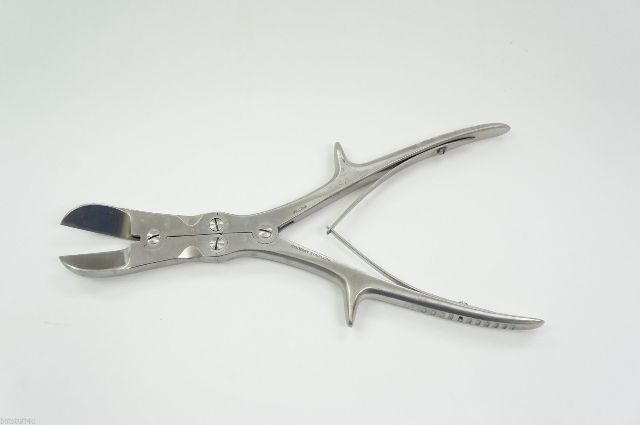
In the intricate world of orthopedic surgery, precision, reliability, and patient safety are paramount. Among the myriad of specialized instruments, the orthopedic wire cutter and pin cutter stands out as a deceptively simple yet critically important tool. Far from being a mere pair of pliers, this instrument is engineered with meticulous detail to perform a specific, vital function: the accurate and safe trimming of orthopedic wires and pins used in fracture fixation, joint stabilization, and reconstructive procedures.
This exhaustive guide delves into every facet of orthopedic wire and pin cutters, providing a authoritative resource for surgeons, surgical technicians, biomedical engineers, and healthcare administrators. We will explore their sophisticated design, varied applications, rigorous maintenance protocols, underlying biomechanics, and their profound impact on improving patient outcomes.
Deep-Dive into Technical Specifications and Mechanisms
The efficacy of an orthopedic wire and pin cutter lies in its design, the materials it's forged from, and the biomechanical principles it leverages. These instruments are not generic tools; they are precision-engineered devices crafted for specific surgical demands.
Design Principles and Biomechanics
The fundamental design of an orthopedic wire and pin cutter revolves around creating a high mechanical advantage to shear through various metallic wires and pins with minimal effort and maximum control.
- Leverage System: Most cutters employ a compound leverage system. This design incorporates multiple pivots, multiplying the force applied by the surgeon's hand onto the cutting jaws. This mechanical advantage is crucial for cutting hard materials like stainless steel or titanium wires without excessive strain on the user.
- Jaw Configuration: The cutting jaws are the business end of the instrument. They are meticulously ground to create sharp, precisely aligned edges that meet perfectly to create a clean, burr-free cut.
- End Cutters: Designed to cut wires flush with the bone surface or skin, minimizing protrusion.
- Side Cutters: Useful for cutting wires in open fields or when a flush cut isn't critical.
- Flush Cutters: A specialized type of end cutter designed to leave virtually no protruding wire, crucial for preventing soft tissue irritation.
- Heavy-Duty Cutters: Feature robust jaws and a stronger leverage system for thicker K-wires, Steinmann pins, or external fixator pins.
- Ergonomics: Modern orthopedic cutters are designed with ergonomic handles, often featuring textured grips or finger loops, to ensure comfort, reduce hand fatigue during prolonged procedures, and provide a secure hold, even when wet.
- Hinge Mechanism: The quality of the hinge is vital for smooth operation and precise jaw alignment over countless cycles. High-quality hinges are designed for durability and minimal play.
Materials Engineering
The choice of materials is critical for instrument performance, longevity, and patient safety.
- Medical-Grade Stainless Steel: The primary material for most orthopedic instruments, including wire cutters, is high-grade stainless steel.
- Martensitic Stainless Steels (e.g., 420, 440A/C): These are heat-treatable, allowing for exceptional hardness and edge retention, making them ideal for cutting jaws. They offer good corrosion resistance.
- Austenitic Stainless Steels (e.g., 316L): While less hard, they offer superior corrosion resistance and are often used for handles or bodies where cutting edge properties are not paramount.
- Tungsten Carbide (TC) Inserts: For superior cutting performance and extended lifespan, many high-quality cutters feature tungsten carbide inserts brazed into the cutting jaws. TC is significantly harder than stainless steel, providing:
- Enhanced Sharpness: Stays sharper for longer.
- Increased Durability: Resists wear and tear, especially when cutting harder wires (e.g., titanium, certain stainless steel alloys).
- Improved Cutting Efficiency: Allows for cleaner cuts with less force.
- Surface Coatings: Some instruments may feature specialized coatings (e.g., titanium nitride, black oxide) for enhanced durability, reduced glare, or improved corrosion resistance, though less common for the cutting jaws themselves.
- Biocompatibility: All materials used must be biocompatible to prevent adverse reactions in the surgical field.
Comparison Table of Common Orthopedic Wire Cutter Types
| Feature | End Cutter | Side Cutter | Flush Cutter | Heavy-Duty Pin Cutter |
|---|---|---|---|---|
| Jaw Orientation | Perpendicular to handle | Parallel to handle | Angled/offset jaws | Robust, often angled |
| Cut Type | Clean cut, minimal protrusion | Standard cut, leaves small protrusion | Extremely flush cut, no protrusion | High-force cut for thick pins |
| Primary Use | K-wires, cerclage wires near bone/skin | General wire cutting, open field | Subcutaneous K-wires, delicate areas | Steinmann pins, external fixator pins |
| Wire Diameter | Small to medium (0.8mm - 2.0mm) | Small to medium (0.8mm - 2.5mm) | Small to medium (0.8mm - 1.6mm) | Medium to large (2.0mm - 4.0mm+) |
| Key Advantage | Minimizes soft tissue irritation | Versatile, good visibility | Optimal patient comfort, reduces removal issues | Power for robust fixation hardware |
Extensive Clinical Indications & Usage
Orthopedic wire and pin cutters are indispensable across a broad spectrum of surgical procedures. Their precise application ensures effective fixation, reduces complications, and ultimately contributes to superior patient outcomes.
Detailed Surgical and Clinical Applications
-
Kirschner Wires (K-wires) Fixation:
- Distal Radius Fractures: Stabilizing fragments after reduction.
- Hand and Foot Fractures: Metacarpal, phalangeal, metatarsal, and tarsal bone fractures.
- Olecranon Fractures: Often used in tension band wiring.
- Patella Fractures: Also commonly involves tension band wiring.
- Acromioclavicular (AC) Joint Separations: Temporary stabilization.
- Growth Plate Injuries: Temporary fixation in pediatric orthopedics.
- Usage: K-wires are typically inserted percutaneously or through small incisions. Once the desired length and position are achieved, the wire cutter is used to trim the external portion, either flush with the skin or leaving a small bendable tab for later removal. Flush cutters are particularly valuable here to reduce skin irritation and infection risk.
-
Cerclage Wiring:
- Long Bone Fractures (e.g., Femur, Tibia): Used to enhance stability of comminuted fractures around a plate or intramedullary nail.
- Patella and Olecranon Fractures: As part of tension band wiring techniques.
- Usage: Cerclage wires are often thicker and require a robust cutter. After tightening, the excess wire is cut, and the twist is often bent flat to minimize soft tissue impingement.
-
Tension Band Wiring:
- A common technique for avulsion fractures (e.g., patella, olecranon, medial malleolus). It converts tensile forces into compressive forces across the fracture site.
- Usage: Involves K-wires and a cerclage wire. The K-wires are placed, the cerclage wire is looped around them and tightened, and then both the K-wires and cerclage wire are trimmed to appropriate lengths.
-
External Fixation:
- Used for temporary or definitive stabilization of complex fractures, open fractures, or limb lengthening.
- Usage: While most external fixator pins have specific cutting guides or are left at a certain length, sometimes redundant portions need trimming, especially during frame adjustments or removal, using heavy-duty pin cutters.
-
Suture Wires:
- Though less common for heavy-duty orthopedic cutters, fine wire cutters may be used for specific metallic suture materials in certain reconstructive procedures.
-
Removal of Implants:
- In revision surgeries, if a wire has broken or needs to be cut for extraction, the appropriate cutter is selected.
Fitting and Usage Instructions for Optimal Performance
Proper technique is paramount to ensure a clean cut, preserve the instrument, and prevent complications.
-
Instrument Selection:
- Match the Cutter to the Wire: Always select a cutter designed for the specific diameter and material of the wire/pin. Using a small cutter on a large or hard wire can damage the instrument.
- Consider the Location: Use end or flush cutters for wires near skin/bone, side cutters for wires in open fields.
-
Pre-use Inspection:
- Sterility: Ensure the instrument is sterile and properly packaged.
- Integrity: Visually inspect for any signs of damage, dullness, nicks, or misalignment of the jaws. A damaged instrument must not be used.
- Functionality: Test the hinge for smooth, unimpeded movement.
-
Proper Grip and Positioning:
- Hold the cutter firmly with a comfortable, secure grip, ensuring good leverage.
- Position the jaws perpendicular to the wire whenever possible to achieve a clean shear cut. Angled cuts can deform the wire or dull the jaws.
-
Controlled Cutting Action:
- Apply steady, increasing pressure to the handles. Avoid sudden, jerky movements, which can cause the wire to slip, burr, or even fracture the instrument.
- Ensure the wire is fully seated within the cutting jaws before applying pressure.
-
Wire Fragment Management:
- Prevent Migration: Secure the distal end of the wire being cut to prevent it from flying off into the surgical field, potentially injuring staff or contaminating the wound. A gauze sponge, a hemostat, or a dedicated wire catcher can be used.
- Collection: Ensure all wire fragments are accounted for and collected for proper disposal.
-
Post-Cut Inspection:
- Examine the cut end of the remaining wire for any burrs or sharp edges that could irritate soft tissues. If present, use a bone rongeur or fine file to smooth them.
- Ensure the desired length and flushness have been achieved.
Maintenance and Sterilization Protocols
The longevity, performance, and safety of orthopedic wire and pin cutters are directly dependent on meticulous maintenance and stringent sterilization protocols.
Immediate Post-Use Care
- Gross Decontamination: Immediately after use, remove gross contaminants (blood, tissue, bone fragments) using a damp sponge or specialized cleaning wipes. This prevents organic material from drying onto the instrument, which makes subsequent cleaning more difficult and can interfere with sterilization.
- Disassembly (if applicable): Some instruments may have components that can be disassembled for thorough cleaning.
Cleaning
- Manual Cleaning:
- Use a medical-grade enzymatic detergent solution and a soft brush.
- Thoroughly scrub all surfaces, paying close attention to the hinge, jaw articulation, and serrations.
- Rinse thoroughly with demineralized or distilled water to remove all detergent residue.
- Automated Cleaning (Ultrasonic Cleaners/Washer-Disinfectors):
- Follow manufacturer's instructions for loading and cycle parameters.
- Ensure instruments are fully submerged and not overcrowded.
- Ultrasonic cleaning helps remove microscopic debris from crevices.
- Washer-disinfectors automate the cleaning and thermal disinfection process.
Inspection
After cleaning and before sterilization, each instrument must be meticulously inspected.
- Visual Inspection: Check for:
- Sharpness and Alignment of Jaws: Jaws should meet perfectly with no gaps or overlaps. The cutting edges should be sharp and free of nicks, burrs, or dull spots.
- Corrosion: Rust or pitting indicates compromised material and the instrument should be removed from service.
- Hinge Integrity: Smooth, free movement without excessive play or stiffness.
- Cracks or Damage: Any structural damage warrants immediate removal from service.
- Functionality Check: Open and close the instrument to ensure smooth operation and proper jaw closure.
Lubrication
- Water-Soluble Lubricants: Apply a medical-grade, water-soluble lubricant to the hinge and joint areas. This prevents friction, ensures smooth operation, and protects against corrosion during sterilization. Do NOT use oil-based lubricants, as they can interfere with steam penetration.
Sterilization
Steam sterilization (autoclaving) is the most common and effective method for orthopedic wire and pin cutters.
- Packaging: Instruments should be individually wrapped or placed in appropriate sterilization trays/containers, ensuring steam can penetrate all surfaces. Use sterilization pouches or wraps that meet regulatory standards.
- Autoclave Parameters: Follow validated parameters for steam sterilization:
- Gravity Displacement: 121°C (250°F) for 30 minutes, or 132°C (270°F) for 15 minutes.
- Pre-vacuum: 132°C (270°F) for 4 minutes.
- Note: Always refer to the instrument manufacturer's specific reprocessing instructions and institutional policies.
- Drying: Ensure instruments are completely dry after sterilization to prevent water spotting and corrosion.
Storage
- Store sterilized instruments in a clean, dry, and protected environment to maintain their sterility until use.
- Prevent physical damage during storage by using appropriate shelving and protective trays.
Sharpening and Repair
- Professional Servicing: Wire cutters, especially those with tungsten carbide inserts, can become dull over time. They should be sent to qualified instrument repair specialists for sharpening and refurbishment. Attempting to sharpen them in-house can damage the precise geometry of the jaws.
- Replacement: Severely damaged, corroded, or irreparable instruments must be tagged and replaced.
Patient Outcome Improvements
The meticulous design, proper use, and rigorous maintenance of orthopedic wire and pin cutters directly translate into tangible improvements in patient outcomes.
-
Enhanced Precision and Safety:
- Reduced Soft Tissue Trauma: Clean, flush cuts minimize sharp wire ends protruding into surrounding soft tissues, reducing irritation, inflammation, and potential neurovascular injury.
- Prevention of Wire Fragment Migration: A precise cut ensures the wire is severed completely, preventing small fragments from breaking off and migrating within the body, which can lead to infection, foreign body reaction, or damage to vital structures.
- Minimized Infection Risk: Flush cuts reduce the surface area for bacterial colonization around percutaneous wires, lowering the risk of pin tract infections.
-
Improved Fixation Stability:
- Optimal Wire Tension: A well-cut wire, particularly in tension band wiring, allows for proper tensioning and secure fixation, which is critical for fracture healing and stability.
- Reduced Implant-Related Complications: Smooth, well-trimmed wires are less likely to snag on surgical gloves during closure or irritate adjacent structures during the healing phase.
-
Reduced Operative Time and Efficiency:
- Quick, Clean Cuts: A sharp, well-maintained cutter allows the surgeon to perform the necessary trimming quickly and efficiently, contributing to shorter operative times and reduced patient exposure to anesthesia.
- Fewer Re-cuts: Precise instruments reduce the need for multiple attempts at cutting, saving time and reducing potential tissue disruption.
-
Enhanced Post-operative Comfort and Recovery:
- Less Pain and Irritation: Patients experience less discomfort from well-trimmed, non-protruding wires.
- Easier Removal: Smooth wire ends are easier to grasp and remove in subsequent procedures, leading to less patient anxiety and discomfort during removal.
-
Cost-Effectiveness and Longevity:
- High-quality instruments, when properly maintained, last longer, reducing the need for frequent replacements and associated costs, while consistently delivering superior performance.
Risks, Side Effects, or Contraindications
While essential, the use of orthopedic wire and pin cutters is not without potential risks if not handled correctly. Awareness of these risks and adherence to best practices are crucial for patient safety.
Risks and Potential Side Effects
- Wire Fragment Migration: The most significant risk. If the wire is not secured during cutting, a small fragment can be propelled into the surgical field, potentially entering the wound, body cavities, or even penetrating the drapes or injuring operating room personnel. This can lead to:
- Foreign body reaction
- Infection
- Damage to nerves, vessels, or organs
- Need for further surgical intervention to retrieve the fragment.
- Incomplete or Burred Cut: A dull or improperly used cutter can leave a jagged, sharp, or incomplete cut. This can:
- Irritate surrounding soft tissues.
- Increase the risk of infection at the pin tract site.
- Make wire removal difficult.
- Compromise the integrity of the remaining wire.
- Damage to Surrounding Tissues: Incorrect positioning or uncontrolled cutting can lead to inadvertent damage to nerves, blood vessels, tendons, or other soft tissues adjacent to the wire.
- Instrument Damage/Breakage: Applying excessive force, using the wrong cutter for the wire material/diameter, or using a faulty instrument can cause the jaws to chip, break, or misalign. Fragments of the instrument itself could then become foreign bodies.
- Infection: Improper sterilization of the instrument is a direct pathway for introducing pathogens into the surgical site, leading to surgical site infections (SSIs).
- Allergic Reaction: While rare with medical-grade stainless steel, some patients may have sensitivities to specific metal alloys.
Contraindications
- Damaged or Dull Instruments: Never use a wire cutter with damaged, dull, misaligned, or corroded jaws. This increases the risk of incomplete cuts, wire deformation, instrument breakage, and tissue damage.
- Non-Sterile Instruments: Any instrument intended for use in a sterile field must be properly sterilized.
- Inappropriate Wire/Pin Material or Diameter: Using a cutter on a wire or pin that exceeds its intended capacity (either in diameter or material hardness) is contraindicated. This can damage the instrument and result in a poor cut.
- Lack of Proper Training: Only trained and authorized personnel should handle and use orthopedic wire and pin cutters.
Massive FAQ Section
Q1: What is the primary function of an orthopedic wire cutter/pin cutter?
A1: Its primary function is to precisely and cleanly cut or trim orthopedic wires (like K-wires, cerclage wires) and pins (like Steinmann pins, external fixator pins) that are used in fracture fixation, joint stabilization, and other orthopedic surgical procedures.
Q2: What materials are orthopedic wire cutters typically made from?
A2: They are predominantly made from high-grade medical stainless steel (e.g., 420, 440A). Many premium cutters also feature tungsten carbide (TC) inserts on their cutting jaws for enhanced sharpness, durability, and cutting efficiency.
Q3: How do I choose the right wire cutter for a specific surgical procedure?
A3: The choice depends on the wire's diameter, material, and the desired cut (e.g., flush with skin/bone, or a standard cut). Larger, harder pins require heavy-duty cutters, while K-wires often use standard or flush end cutters. Always refer to the instrument's specifications and the wire's requirements.
Q4: Can these cutters cut all types of metallic wires or pins?
A4: No. While versatile, each cutter has limitations. Using a cutter on a wire that is too thick or made of a harder material than the cutter is designed for (e.g., titanium with a standard stainless steel cutter) can damage the instrument and result in a poor cut. Always match the cutter to the wire's specifications.
Q5: What is the proper method for sterilizing orthopedic wire cutters?
A5: The most common and effective method is steam sterilization (autoclaving). Instruments must be thoroughly cleaned, inspected, lubricated (with water-soluble lubricant), and then packaged appropriately before being subjected to validated steam sterilization cycles. Always follow manufacturer's instructions.
Q6: What are K-wires, and why are wire cutters essential for them?
A6: K-wires (Kirschner wires) are thin, sharp, stainless steel pins used for temporary or definitive fixation of small bone fractures. Wire cutters are essential for trimming the K-wire once it's inserted to the desired depth, either flush with the skin to prevent irritation and infection or leaving a small bendable tab for later removal.
Q7: Why is precision important when cutting orthopedic wires?
A7: Precision is crucial to prevent complications. A clean, burr-free cut minimizes soft tissue irritation, reduces the risk of infection at pin sites, prevents wire fragment migration, and ensures optimal fixation stability. It also aids in easier and less painful wire removal.
Q8: How often should orthopedic wire cutters be replaced or serviced?
A8: This depends on usage frequency, care, and the quality of the instrument. They should be regularly inspected for sharpness and damage. If jaws become dull, nicked, or misaligned, the instrument should be sent for professional sharpening/repair or replaced if irreparable. Tungsten carbide inserts generally extend the lifespan between servicing.
Q9: Are there different sizes of orthopedic wire cutters?
A9: Yes, they come in various sizes and jaw configurations to accommodate different wire diameters and surgical needs, ranging from fine wire cutters for delicate work to heavy-duty pin cutters for robust fixation pins.
Q10: What safety precautions should be taken when using an orthopedic wire cutter?
A10: Always secure the distal end of the wire being cut to prevent fragments from flying off. Use proper technique, applying steady pressure. Ensure the instrument is sterile and in good working condition. Protect surrounding tissues, nerves, and vessels during the cutting process.
Q11: Can orthopedic wire cutters be used for non-orthopedic applications?
A11: While primarily designed for orthopedic use, similar wire cutters might be found in other surgical specialties (e.g., dental/orthodontic, neurosurgery for specific wiring) or even veterinary medicine. However, orthopedic cutters are specifically engineered for the robust and sterile demands of bone surgery.
Q12: What's the difference between an "Orthopedic Wire Cutter" and a "Pin Cutter"?
A12: Often, the terms are used interchangeably, but "pin cutter" usually implies a heavier-duty instrument designed for thicker, stronger pins (like Steinmann pins or external fixator pins), which require more cutting force. "Wire cutter" can refer to a broader range, including those for finer K-wires and cerclage wires. Many manufacturers offer instruments specifically labeled for "wire and pin" to denote their versatility across both.