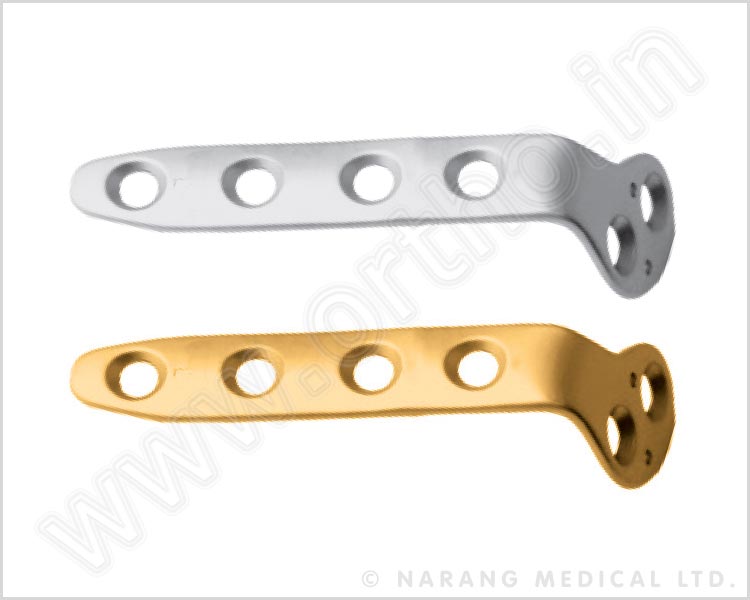
Comprehensive Guide to the Precontoured Olecranon Plate: Restoring Elbow Function
Welcome to this in-depth guide from Dr. Mohammed Hutaif's clinic, dedicated to providing clear, authoritative information on advanced orthopedic treatments. Here, we delve into the specifics of the Precontoured Olecranon Plate – a vital tool in modern elbow fracture management. This information is intended for patient education and understanding, and should not be considered medical advice. Always consult with a qualified healthcare professional for any medical concerns.
1. Introduction & Overview: Understanding Your Elbow and Olecranon Fractures
The elbow joint is a marvel of biomechanical engineering, allowing for complex movements essential to daily life. It's formed by the humerus (upper arm bone), radius, and ulna (forearm bones). A crucial part of the ulna is the olecranon, the bony prominence at the tip of your elbow. It forms the "point" of the elbow and serves as the attachment site for the triceps muscle, which is responsible for straightening the arm.
An olecranon fracture occurs when this part of the ulna breaks. These fractures are common, often resulting from:
* Direct impact, such as falling directly onto the elbow.
* Indirect forces, like falling onto an outstretched hand, where the triceps muscle pulls forcefully on the olecranon, causing it to avulse (pull off).
Olecranon fractures can significantly impair elbow function, causing pain, swelling, and an inability to extend the arm. While some stable, non-displaced fractures might be managed non-surgically, many require surgical intervention to restore anatomical alignment and function. This is where the Precontoured Olecranon Plate plays a pivotal role.
What is a Precontoured Olecranon Plate?
A precontoured olecranon plate is a specially designed orthopedic implant used to stabilize fractures of the olecranon. Unlike traditional plates that require significant bending and shaping by the surgeon during the operation, a precontoured plate is manufactured with an anatomical curve that closely matches the natural contours of the olecranon bone. This pre-shaping offers significant advantages, improving surgical efficiency and potentially enhancing patient outcomes.
2. Deep-Dive into Technical Specifications & Mechanisms
The effectiveness of the precontoured olecranon plate lies in its sophisticated design and material properties.
2.1 Design and Geometry
- Anatomical Precontouring: This is the defining feature. The plate is designed based on extensive anatomical studies, mimicking the natural curvature of the proximal ulna. This minimizes the need for intraoperative bending, which can weaken the plate and prolong surgery.
- Low-Profile Design: The plate is designed to be thin and smooth, reducing the likelihood of soft tissue irritation once implanted. This is particularly important around the elbow, where soft tissue coverage can be sparse.
- Variable Screw Placement: The plate features a combination of locking and non-locking screw holes.
- Locking Screws: These screws thread into the plate itself, creating a fixed-angle construct that provides angular stability. This is crucial in osteoporotic bone or comminuted fractures where screws might not get a strong purchase in the bone alone.
- Non-Locking (Cortical) Screws: These screws compress the plate to the bone, providing interfragmentary compression and aiding in fracture reduction.
- Strategic Screw Hole Patterns: The holes are strategically placed to capture multiple fracture fragments, provide strong fixation, and avoid vital neurovascular structures around the elbow.
- Plate Length Variations: Available in various lengths to accommodate different fracture patterns and patient anatomies.
2.2 Materials
Precontoured olecranon plates are typically made from advanced, biocompatible materials:
* Medical-Grade Titanium (Pure Titanium or Titanium Alloys):
* Biocompatibility: Excellent compatibility with human tissue, minimizing adverse reactions.
* Strength-to-Weight Ratio: High strength combined with relatively low weight.
* Corrosion Resistance: Highly resistant to corrosion within the body.
* Radiolucency (relative): Less dense than stainless steel, causing less artifact on X-rays and MRI scans, which can be beneficial for post-operative imaging.
* Medical-Grade Stainless Steel:
* Strength: Very strong and durable.
* Cost-Effectiveness: Often more economical than titanium.
* Corrosion Resistance: Good, but generally considered less inert than titanium in the long term.
2.3 Mechanism of Action and Biomechanics
The precontoured olecranon plate provides stable internal fixation through several biomechanical principles:
* Stable Fixation: By rigidly connecting fracture fragments, the plate creates a stable environment conducive to bone healing.
* Load Sharing: The plate helps distribute the mechanical stresses across the fracture site, preventing excessive strain on the healing bone.
* Compression: Cortical screws can be used to compress fracture fragments together, promoting primary bone healing.
* Neutralization: The plate neutralizes forces that would otherwise displace the fracture (e.g., tension from the triceps muscle).
* Tension Band Principle: For certain olecranon fracture patterns, the plate can act as a tension band, converting tensile forces on the posterior aspect of the ulna into compressive forces at the fracture site, further enhancing stability. This is particularly effective given the pull of the triceps tendon.
* Angular Stability (with Locking Screws): The fixed-angle construct created by locking screws prevents screw toggling and loss of reduction, especially important in comminuted fractures or osteoporotic bone.
3. Extensive Clinical Indications & Usage
The precontoured olecranon plate is a versatile implant used for a range of elbow pathologies.
3.1 Clinical Indications
- Displaced Olecranon Fractures: Fractures where bone fragments have moved significantly out of alignment.
- Comminuted Olecranon Fractures: Fractures where the bone has broken into multiple pieces. The plate helps bridge these fragments and provide stability.
- Olecranon Fracture-Dislocations: Fractures of the olecranon combined with dislocation of the elbow joint.
- Transverse or Oblique Fractures: Common fracture patterns of the olecranon.
- Non-unions or Malunions: Cases where previous olecranon fractures have failed to heal (non-union) or healed in a misaligned position (malunion), requiring revision surgery.
- Osteoporotic Bone: The locking screw technology is particularly beneficial in patients with weakened bone quality.
3.2 Detailed Surgical Procedure Overview
The surgical application of a precontoured olecranon plate is a precise procedure performed by an orthopedic surgeon.
- Pre-operative Planning:
- Thorough clinical examination and detailed imaging (X-rays, CT scan) to assess the fracture pattern and determine the appropriate plate size and length.
- Discussion of the procedure, risks, and benefits with the patient.
- Anesthesia and Positioning:
- General anesthesia is typically used.
- The patient is positioned to allow optimal access to the posterior aspect of the elbow, usually prone or lateral decubitus.
- Incision and Exposure:
- A posterior incision is made over the olecranon.
- Careful dissection is performed to expose the fracture site, protecting surrounding nerves and blood vessels (especially the ulnar nerve).
- Fracture Reduction:
- The surgeon carefully manipulates the bone fragments to restore the anatomical alignment of the olecranon and articular surface. This is a critical step for optimal functional outcomes.
- Temporary fixation (e.g., K-wires) may be used to hold the reduction.
- Plate Application:
- The precontoured olecranon plate is placed directly onto the posterior surface of the olecranon. Its anatomical shape should fit snugly.
- The plate is secured with a combination of locking and cortical screws, chosen based on the fracture pattern and bone quality. Screws are inserted bicortically (through both cortices of the bone) for maximum purchase.
- Intraoperative Imaging:
- Fluoroscopy (live X-ray imaging) is used throughout the procedure to confirm accurate fracture reduction and proper plate and screw placement.
- Wound Closure:
- Once stable fixation is achieved, the wound is irrigated, and the layers are closed meticulously. A drain may be placed temporarily.
- A sterile dressing and often a splint or brace are applied to protect the elbow.
3.3 Fitting/Usage Instructions (Surgeon's Perspective)
While this is primarily for the surgeon, understanding these principles can help patients appreciate the precision involved:
- Accurate Anatomical Reduction: The primary goal is to restore the smooth articular surface of the elbow. The precontoured plate helps maintain this reduction.
- Plate Placement: The plate must be positioned centrally on the olecranon, ensuring adequate bone coverage for all screw holes and avoiding impingement.
- Screw Selection and Technique:
- Locking Screws: Used for angular stability, especially in comminuted or osteoporotic bone. They should be inserted perpendicular to the plate.
- Cortical Screws: Used for compression of fragments. Over-tightening must be avoided.
- Screw Length: Critical to ensure bicortical purchase without violating the anterior cortex or joint space.
- Assessment of Stability: After plate application, the elbow's range of motion is gently assessed to confirm stability and ensure no hardware impingement.
4. Maintenance/Sterilization Protocols (for the implant prior to use)
For patient safety, strict protocols govern the handling and preparation of orthopedic implants:
- Manufacturing and Packaging: Precontoured olecranon plates are manufactured in highly controlled environments, cleaned, and then individually packaged in sterile barriers (e.g., double-pouches).
- Sterilization: The plates are typically supplied sterile from the manufacturer. Common sterilization methods include:
- Gamma Irradiation: Uses gamma rays to kill microorganisms.
- Ethylene Oxide (EO) Gas: A chemical sterilization process for heat-sensitive materials.
- Storage: Implants are stored in a cool, dry place, away from direct sunlight, in their original sterile packaging until needed for surgery.
- Pre-Surgical Handling: In the operating room, the sterile packaging is opened only immediately before implantation, following strict aseptic techniques to maintain sterility. Any breach in packaging or expiration date renders the implant unusable.
5. Risks, Side Effects, or Contraindications
While highly effective, surgery with an olecranon plate, like any medical procedure, carries potential risks.
5.1 General Surgical Risks
- Infection: Though rare, any surgery carries a risk of infection at the surgical site.
- Bleeding: Intraoperative or post-operative bleeding.
- Nerve or Vascular Injury: Damage to surrounding nerves (especially the ulnar nerve) or blood vessels.
- Anesthesia Risks: Adverse reactions to anesthesia.
- Scarring: Formation of a visible surgical scar.
5.2 Implant-Specific Risks & Side Effects
- Hardware Prominence/Irritation: The olecranon is a subcutaneous bone, meaning it's close to the skin. The plate and screws can sometimes be felt or cause irritation, necessitating removal after bone healing (typically 12-18 months post-surgery).
- Non-union or Delayed Union: The fracture fails to heal or heals slowly, despite stable fixation.
- Malunion: The fracture heals in an imperfect anatomical position.
- Screw Loosening or Breakage: Though rare with modern locking plates, screws can loosen or break, especially under excessive stress or in poor bone quality.
- Stiffness and Loss of Range of Motion: Despite successful fixation, some patients may experience residual elbow stiffness.
- Post-traumatic Arthritis: Long-term complication, especially if the articular surface was severely damaged or perfectly anatomical reduction was not achieved.
- Complex Regional Pain Syndrome (CRPS): A rare but severe chronic pain condition.
5.3 Contraindications
- Active Infection: Surgery is generally contraindicated in the presence of an active infection in the surgical area.
- Severe Osteoporosis: While locking plates help, extremely poor bone quality might limit the ability to achieve stable fixation.
- Compromised Soft Tissue Envelope: Inadequate healthy skin and muscle to cover the implant.
- Patient Unwillingness or Inability to Comply with Post-operative Care: Essential for successful outcomes.
6. Patient Outcome Improvements
The precontoured olecranon plate significantly contributes to positive patient outcomes, facilitating a return to normal life.
- Restoration of Anatomical Alignment: Precisely aligns the fracture fragments, which is crucial for joint function.
- Stable Fixation: Allows for earlier and safer mobilization of the elbow, preventing stiffness.
- Reduced Pain: Stable fixation minimizes movement at the fracture site, leading to less pain during recovery.
- Improved Range of Motion: Early physical therapy, enabled by stable fixation, helps restore the full arc of elbow motion.
- Faster Return to Function: Patients can typically resume light activities sooner compared to less stable fixation methods.
- Reduced Risk of Complications: Lower incidence of non-union and malunion compared to non-surgical treatments for displaced fractures.
- Enhanced Quality of Life: Ultimately, improved elbow function translates to a better quality of life and independence in daily activities.
7. Expert Tips from Dr. Mohammed Hutaif
As an orthopedic specialist, Dr. Mohammed Hutaif emphasizes several key points for patients undergoing olecranon fracture treatment:
- Early Diagnosis and Intervention: "Prompt and accurate diagnosis is critical. The sooner we can assess the fracture and plan intervention, the better the chances for optimal healing and recovery."
- Choosing the Right Approach: "While the precontoured plate is excellent for many olecranon fractures, every patient and every fracture is unique. We carefully evaluate all factors to determine the most appropriate surgical technique and implant for your specific needs."
- Adherence to Post-operative Instructions: "Your role in recovery is paramount. Strictly follow all post-operative instructions, including wound care, medication, and movement restrictions. This is not just advice; it's a vital part of your healing process."
- The Importance of Physical Therapy: "Physical therapy is non-negotiable. It's the bridge between a successfully fixed bone and a fully functional elbow. Engage diligently with your physical therapist to regain strength, flexibility, and range of motion."
- Realistic Expectations: "Recovery takes time and dedication. While we aim for excellent outcomes, it's important to have realistic expectations about the timeline and potential limitations. Open communication with your surgical team about your progress and concerns is key."
- Long-term Follow-up: "Continue your scheduled follow-up appointments. This allows us to monitor your healing, assess your functional recovery, and address any potential issues early."
8. Massive FAQ Section: Your Questions Answered
Q1: What exactly is an olecranon plate, and why is it used?
A: An olecranon plate is a medical implant, typically made of titanium or stainless steel, designed to stabilize fractures of the olecranon (the bony tip of your elbow). It's used to hold broken bone fragments in proper alignment, allowing them to heal correctly, especially when the fracture is displaced, comminuted, or involves the joint surface.
Q2: Why is the plate described as "precontoured"? What's the benefit?
A: "Precontoured" means the plate is manufactured with a specific anatomical shape that closely matches the natural curve of the olecranon bone. The main benefit is that it reduces the need for the surgeon to bend and shape the plate during surgery, saving time, reducing potential plate weakening, and ensuring a more precise fit to your bone. This can lead to a smoother surgical procedure and potentially better outcomes.
Q3: What materials are these plates made from, and are they safe in the body?
A: Precontoured olecranon plates are usually made from medical-grade titanium or stainless steel. Both materials are highly biocompatible, meaning they are well-tolerated by the human body and designed to resist corrosion, ensuring their safety and durability within your arm.
Q4: How long does the recovery process typically take after olecranon plate surgery?
A: Recovery time varies depending on the individual, fracture severity, and adherence to rehabilitation protocols. Generally, the initial healing phase can take 6-12 weeks. Full recovery, including regaining strength and range of motion through physical therapy, can extend from 3 to 6 months, or even longer for more complex cases.
Q5: Will the olecranon plate need to be removed in the future?
A: Not always, but it's a common consideration. Due to the olecranon's subcutaneous location (close to the skin), the plate can sometimes be felt or cause irritation, pain, or discomfort. If this occurs, or if there are other complications, the plate may be surgically removed after the bone has fully healed, typically 12-18 months post-surgery. Many patients live comfortably with the plate indefinitely.
Q6: What are the main risks associated with this surgery?
A: Like any surgery, risks include infection, bleeding, nerve or blood vessel injury, and complications from anesthesia. Specific to olecranon plating, risks include hardware prominence/irritation, non-union (failure of the bone to heal), malunion (healing in an incorrect position), stiffness, and post-traumatic arthritis. Your surgeon will discuss these thoroughly with you.
Q7: Can I regain full elbow function after an olecranon fracture fixed with a plate?
A: The goal of the surgery is to restore as much function as possible. Many patients achieve excellent results, regaining a significant range of motion and strength. However, the extent of recovery depends on the initial injury severity, adherence to physical therapy, and individual healing capacity. Some residual stiffness or minor limitations are possible in very severe cases.
Q8: What is the role of physical therapy in my recovery?
A: Physical therapy is absolutely crucial. After surgery, your elbow will likely be stiff. A physical therapist will guide you through exercises to gradually restore your elbow's range of motion, strengthen the surrounding muscles, and improve overall function. Starting therapy at the appropriate time and diligently following the program are key to a successful outcome.
Q9: When can I return to daily activities, work, or sports?
A: Return to activities is gradual. Light daily activities can often begin within weeks, but strenuous activities, heavy lifting, or sports will require more time. Your surgeon and physical therapist will provide a personalized timeline based on your healing progress. It’s essential not to rush the process to prevent re-injury.
Q10: How common are olecranon fractures, and who is most susceptible?
A: Olecranon fractures are relatively common, particularly among adults. They frequently occur due to falls onto the elbow or an outstretched hand. While they can happen to anyone, older adults with osteoporosis and athletes involved in contact sports or activities with a high risk of falls may be more susceptible.
Q11: Is the procedure painful? What about post-operative pain management?
A: The surgery itself is performed under anesthesia, so you won't feel pain during the procedure. After surgery, pain is managed with medication, which your doctor will prescribe. Pain levels typically decrease significantly within a few days to weeks. Following your pain management plan is important for comfort and to facilitate early physical therapy.
Q12: What does "bicortical purchase" mean regarding screw insertion?
A: Bicortical purchase means that the screw passes through both the near and far cortical (outer) layers of the bone. This provides a much stronger and more stable fixation than if the screw only went through one cortex, which is crucial for secure plate attachment and fracture stability.
Q13: How long do I need to wear a splint or brace after surgery?
A: The duration varies, but typically a splint or brace is worn for a few weeks to protect the healing fracture and surgical site. Your surgeon will determine the exact period based on the stability of the fixation and your individual healing progress. Early, controlled motion is often encouraged once stability allows.
Q14: Can the plate interfere with airport security or metal detectors?
A: Yes, plates made of titanium or stainless steel can sometimes be detected by airport metal detectors. It's advisable to carry a letter from your doctor or a medical implant card (if provided) explaining that you have an orthopedic implant.
Q15: What signs should prompt me to contact Dr. Hutaif's office after surgery?
A: You should contact the office immediately if you experience:
* Increased pain that is not relieved by medication.
* Signs of infection: fever, chills, redness, warmth, swelling, or pus around the incision.
* Numbness, tingling, or weakness in your hand or fingers.
* Severe swelling or discoloration of your hand or fingers.
* Your splint or cast feels too tight or too loose.
* Any concerns about your incision or overall recovery.
This comprehensive guide aims to empower you with knowledge about the precontoured olecranon plate and its role in treating elbow fractures. At Dr. Mohammed Hutaif's clinic, we are committed to providing advanced orthopedic care with a focus on patient education and optimal recovery.