The LCP - Narrow 3.5mm: Revolutionizing Orthopedic Fracture Fixation
In the dynamic field of orthopedic surgery, advancements in implant technology continuously strive to enhance patient outcomes, accelerate recovery, and provide superior stability for complex fractures. Among these innovations, the Locking Compression Plate (LCP) system stands as a cornerstone, and the "LCP - Narrow 3.5mm" variant represents a specialized solution engineered for precision and efficacy in specific anatomical regions and fracture patterns. This comprehensive guide delves into every facet of this critical orthopedic implant, from its intricate design and biomechanical prowess to its extensive clinical applications and impact on patient recovery.
Introduction to Locking Compression Plates (LCP) Technology
The LCP system represents a paradigm shift from traditional plating techniques. Conventional plates rely on friction between the plate and bone for stability, achieved by compressing the plate onto the bone surface with screws. While effective for many fractures, this method can compromise periosteal blood supply, and screw pull-out can be an issue, especially in osteoporotic bone. LCP technology, conversely, incorporates screws that lock into the plate at a fixed angle, creating a stable, fixed-angle construct that acts as an "internal fixator." This minimizes plate-to-bone contact, preserves periosteal vascularity, and offers superior stability independent of bone quality.
The Distinct Advantage of the Narrow 3.5mm Profile
The "Narrow 3.5mm" designation is crucial. The '3.5mm' refers to the diameter of the locking and cortical screws used with the plate, indicating its application in medium to small bone fragments and regions. The 'Narrow' profile signifies a reduced width and thickness of the plate itself. This design choice is not arbitrary; it's meticulously crafted to address specific surgical challenges:
- Anatomical Fit: Ideal for bones with a smaller diameter or complex contours, such as the distal radius, ulna, clavicle, fibula, and certain foot/ankle bones.
- Soft Tissue Preservation: The narrower and lower-profile design minimizes soft tissue irritation and facilitates less extensive surgical dissection, potentially reducing wound complications and improving aesthetic outcomes.
- Reduced Palpability: In superficial anatomical locations, a narrower, lower-profile plate is less likely to be palpable under the skin, enhancing patient comfort.
Unpacking the Design and Material Science of the LCP - Narrow 3.5mm
The effectiveness of the LCP - Narrow 3.5mm stems directly from its sophisticated design and choice of biomaterials.
Advanced Material Composition
LCP - Narrow 3.5mm plates are typically manufactured from high-grade biocompatible materials, primarily:
- Titanium (Ti-6Al-4V): This is the most common material. Titanium alloys offer an excellent combination of strength-to-weight ratio, corrosion resistance, and biocompatibility. Its modulus of elasticity is closer to that of bone compared to stainless steel, potentially leading to more favorable load sharing and reduced stress shielding.
- Stainless Steel (316L): While titanium is preferred for many applications, surgical-grade stainless steel is also used. It offers high strength and good corrosion resistance, though its higher modulus of elasticity can lead to greater stress shielding.
Both materials are meticulously processed to ensure smooth surfaces, fatigue resistance, and long-term performance within the harsh biological environment.
Innovative Combi-Hole Design
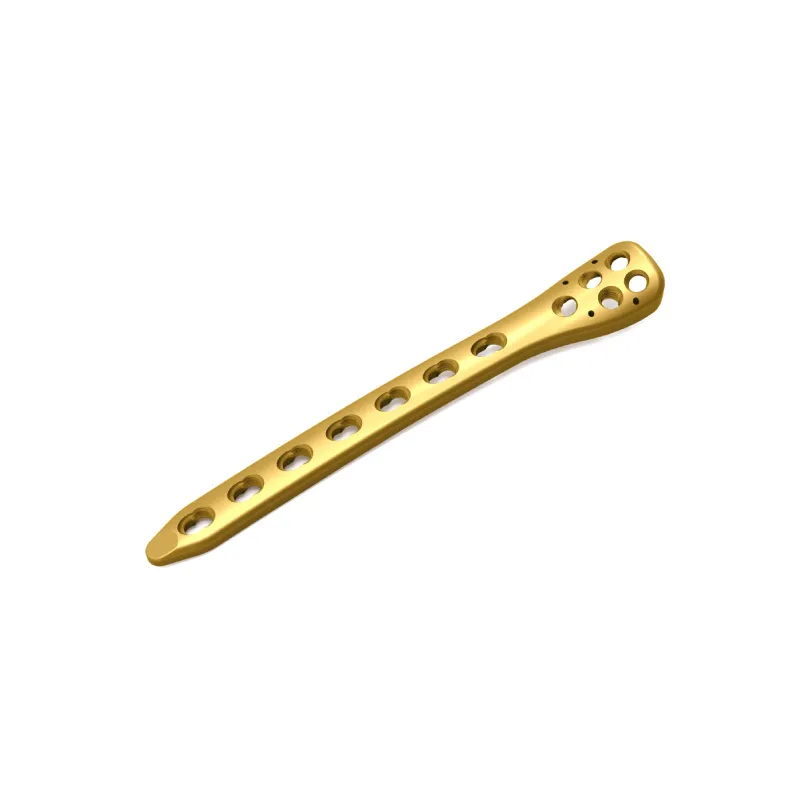
A hallmark of LCP technology is the "combi-hole." Each hole in the LCP - Narrow 3.5mm plate is a hybrid design, incorporating two distinct segments:
- Dynamic Compression Unit (DCU) Segment: This oval-shaped segment allows for axial compression of fracture fragments. Standard cortical screws can be inserted eccentrically to draw the bone fragment towards the plate, creating interfragmentary compression.
- Locking Screw Segment: This threaded, circular segment accepts locking screws. The head of a locking screw is threaded to mate precisely with the plate hole, creating a fixed-angle construct.
This combi-hole design offers unparalleled surgical flexibility, allowing the surgeon to choose between compression, locking, or a combination of both, depending on the fracture pattern, bone quality, and desired biomechanical environment.
Low-Profile and Anatomical Contouring
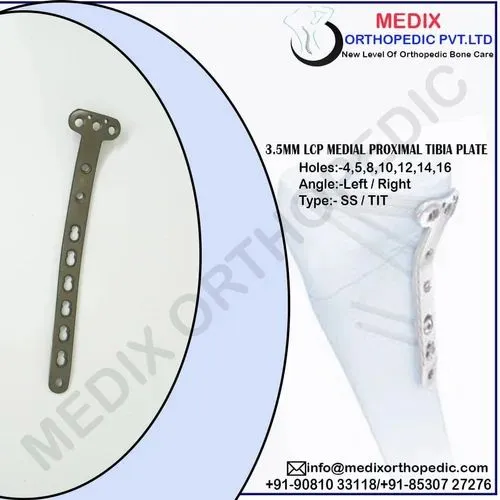
The "Narrow" aspect of the plate directly translates to a reduced cross-sectional area. This, coupled with a typically low-profile design, means the plate lies flatter against the bone surface. Many LCP - Narrow 3.5mm plates are also pre-contoured to match common anatomical curves (e.g., specific distal radius or clavicle shapes), reducing the need for extensive intraoperative bending and thus preserving the plate's structural integrity and locking mechanism.
Table: Key Design Features of LCP - Narrow 3.5mm
| Feature | Description | Benefit |
|---|---|---|
| Material | Titanium alloy (Ti-6Al-4V) or 316L Stainless Steel | Biocompatibility, high strength, corrosion resistance, reduced stress shielding (Titanium) |
| Screw Diameter | 3.5mm cortical and locking screws | Optimized for medium to small bone fragments, metaphyseal and diaphyseal regions |
| Plate Profile | Narrow and low-profile | Minimizes soft tissue irritation, reduced palpability, better anatomical fit in confined spaces |
| Combi-Holes | Combination of threaded locking segment and dynamic compression unit (DCU) segment | Surgical flexibility: allows for compression, locking, or both in a single plate |
| Pre-Contouring | Many variants are anatomically pre-bent | Reduces intraoperative bending, preserves plate strength, speeds up surgery |
| Surface Finish | Smooth, polished surfaces | Minimizes tissue adherence, reduces potential for infection, improves biocompatibility |
Biomechanical Principles: How the LCP - Narrow 3.5mm Delivers Superior Stability
The biomechanical advantages of the LCP - Narrow 3.5mm are fundamental to its clinical success.
Fixed-Angle Construct and Internal Fixator Concept
The core principle is the creation of a fixed-angle construct. When locking screws are inserted, they thread directly into the plate, creating a rigid angle between the screw and the plate. This transforms the plate-screw complex into a single, cohesive unit, effectively acting as an "internal fixator."
- Load Sharing: Unlike conventional plates that rely on friction and compression, LCPs distribute forces across the entire construct, rather than solely at the bone-screw interface. This enhances stability, particularly in comminuted fractures where bone fragments cannot provide adequate purchase.
- Angular Stability: The fixed-angle design prevents screw toggle or pull-out, even in osteoporotic bone or when multiple screws are placed in a small fragment. This is critical for maintaining reduction and allowing early mobilization.
Preservation of Periosteal Blood Supply
Traditional plating requires firm compression of the plate against the bone, which can disrupt the periosteum – the vital outer membrane that supplies blood to the bone. LCPs, by acting as internal fixators, do not require direct compression to achieve stability. This "bridge plating" technique allows for a small gap between the plate and the bone surface, preserving the periosteal blood supply. This is paramount for biological healing and reducing the risk of non-union.
Enhanced Stability in Challenging Bone
The fixed-angle stability is particularly advantageous in:
- Osteoporotic Bone: Where conventional screws may lose purchase, locking screws provide a stable anchor, resisting pull-out.
- Comminuted Fractures: Where there are multiple small fragments, locking screws can stabilize them without needing to compress them, preserving their vascularity.
- Periarticular Fractures: Where metaphyseal bone is often weaker and joint congruence is critical, LCPs provide robust support.
Extensive Clinical Indications and Surgical Applications
The LCP - Narrow 3.5mm is a versatile implant with a broad spectrum of indications in orthopedic trauma and reconstructive surgery.
Forearm Fractures (Radius and Ulna)
- Distal Radius Fractures: A very common application, especially for dorsally displaced or comminuted fractures. The narrow profile and pre-contoured designs are ideal for the complex anatomy of the distal radius.
- Diaphyseal Radius and Ulna Fractures: For both simple and comminuted fractures of the forearm shafts.
- Olecranon Fractures: While less common for the 3.5mm narrow, specific small olecranon plates exist using similar technology.
Clavicle Fractures
- Midshaft and Distal Clavicle Fractures: Especially in displaced, comminuted, or shortened fractures where stable fixation is paramount for shoulder function. The narrow profile is beneficial for soft tissue coverage and cosmesis.
Fibula Fractures
- Ankle Fractures (Lateral Malleolus): Displaced fibular fractures, particularly in complex ankle injuries requiring rigid fixation. The narrow plate can conform well to the fibula's contour.
Small Bone and Periarticular Fractures
- Metacarpal and Metatarsal Fractures: For complex or unstable fractures where precise reduction and stable fixation are required.
- Foot and Ankle Fractures: Specific plates are designed for calcaneal, talar, and midfoot fractures, leveraging the narrow 3.5mm LCP technology.
- Proximal Humerus Fractures: While often requiring larger plates, the 3.5mm system can be used for specific fragment fixation or in smaller patients.
Minimally Invasive Plate Osteosynthesis (MIPO)
The LCP - Narrow 3.5mm is well-suited for MIPO techniques. Its narrow profile allows for smaller incisions and subcutaneous tunneling to slide the plate into position, minimizing soft tissue stripping and preserving periosteal blood supply, further enhancing biological healing.
Surgical Technique Overview
While detailed surgical steps vary by anatomical location and fracture type, the general principles for applying the LCP - Narrow 3.5mm include:
- Patient Positioning and Incision: Optimal positioning and an appropriate surgical approach to expose the fracture site.
- Fracture Reduction: Anatomical reduction of the fracture fragments is paramount. This can be achieved directly or indirectly.
- Plate Selection and Pre-Contouring: Choosing the correct length and pre-contoured plate. Minor adjustments may be made with specialized bending instruments, avoiding sharp bends that could compromise the locking mechanism.
- Plate Placement: Positioning the plate over the fracture site, ensuring adequate coverage of proximal and distal fragments.
- Screw Insertion Principles:
- Compression Screws (Cortical Screws): Used first in the DCU segment to achieve interfragmentary compression where appropriate, or to temporarily fix the plate to the bone.
- Locking Screws: Inserted after compression (if desired) or directly to create the fixed-angle construct. These screws are self-tapping and threaded into the plate, providing angular stability. They are typically inserted with a torque-limiting device to prevent overtightening.
- Intraoperative Assessment: Fluoroscopy or X-rays are used to confirm reduction, plate position, and screw lengths.
- Wound Closure: Standard layered closure.
Maintenance, Sterilization, and Implant Handling Protocols
For the LCP - Narrow 3.5mm implant itself, and the associated surgical instruments, strict protocols are in place to ensure patient safety and implant efficacy.
Pre-Sterilized Implants
The LCP - Narrow 3.5mm plates are supplied in sterile packaging, typically sterilized by gamma irradiation or ethylene oxide. Each implant is single-use. Surgeons must verify the integrity of the sterile packaging before opening and implantation. Contaminated implants must never be used.
Instrument Sterilization (Associated Tools)
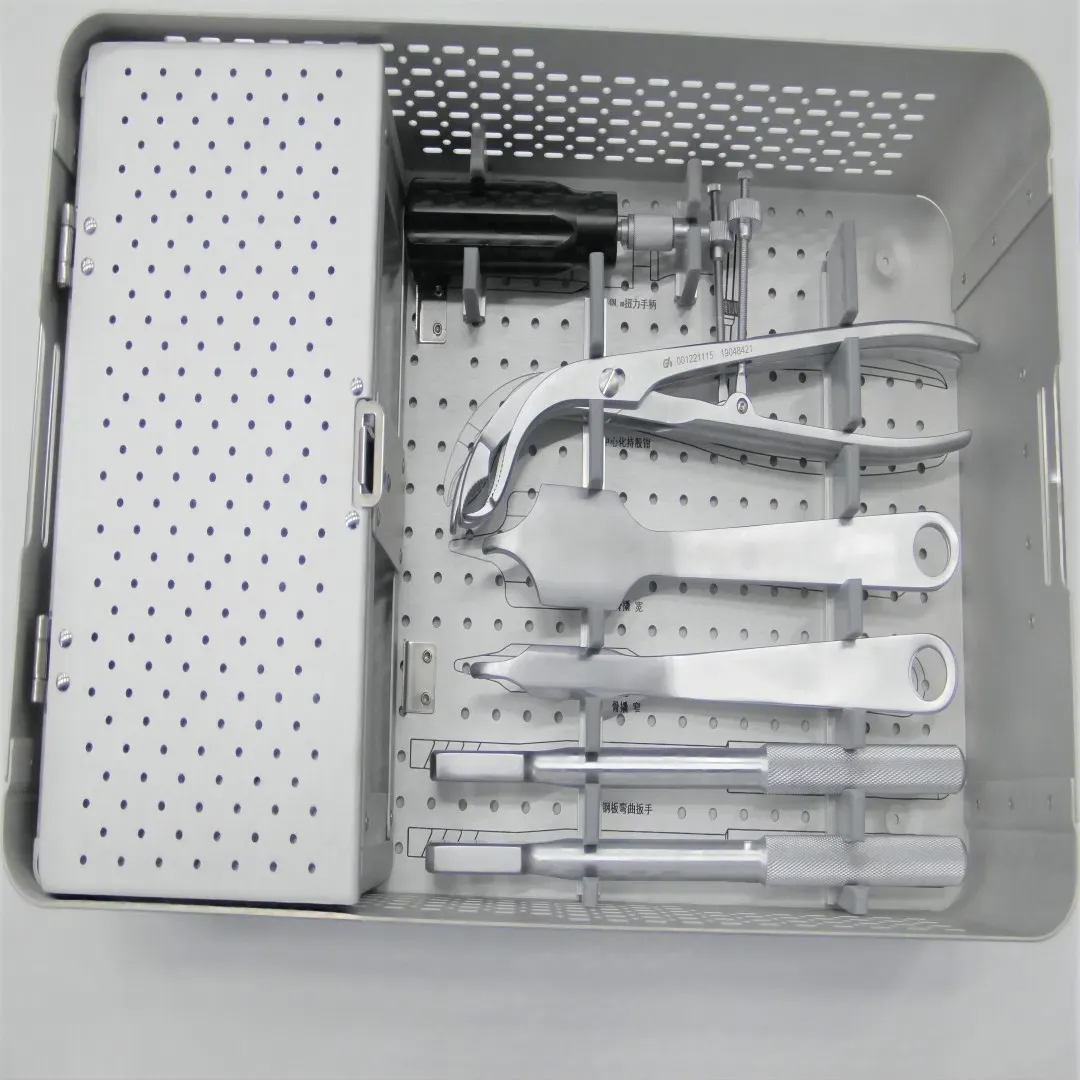
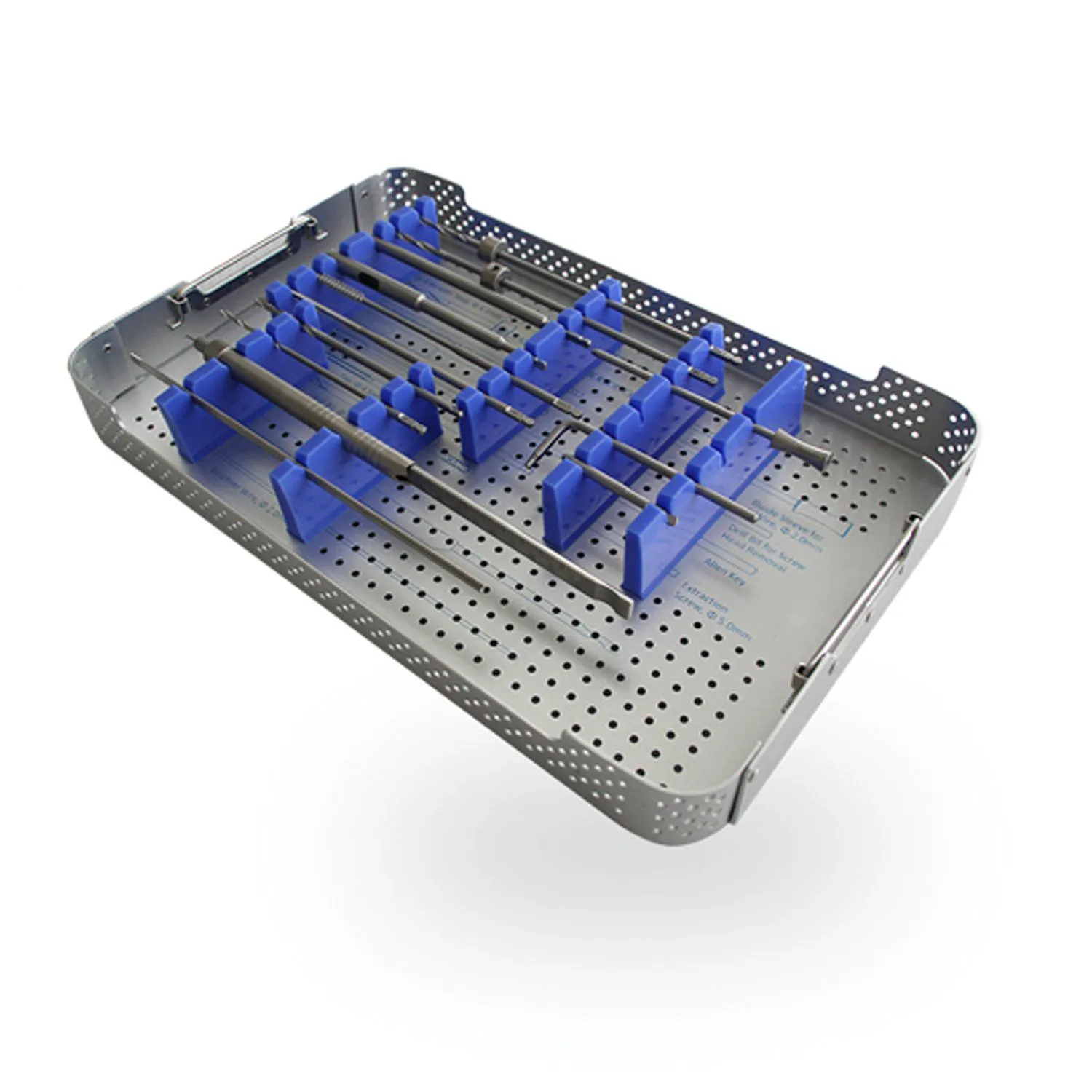
The specialized instruments used for LCP - Narrow 3.5mm implantation (e.g., drill guides, torque limiters, plate holders, bending irons, screw drivers, depth gauges) are reusable. They must undergo rigorous sterilization protocols between uses, typically involving:
- Decontamination: Immediate cleaning after surgery to remove gross contaminants.
- Washing: Manual or automated washing (e.g., ultrasonic cleaners, washer-disinfectors) to remove microscopic debris.
- Inspection: Thorough inspection for damage, wear, or residual debris.
- Packaging: Instruments are carefully organized and packaged in sterile wraps or containers.
- Sterilization: Autoclaving (steam sterilization) is the most common method for heat-stable surgical instruments, following manufacturer's validated cycles (e.g., specific temperatures, pressures, and exposure times).
- Storage: Sterilized instruments are stored in a dry, clean, and dust-free environment until needed.
Handling and Storage
- Implants: Store in original packaging in a controlled environment, away from extreme temperatures or humidity. Always check expiration dates.
- Instruments: Handle with care to prevent damage to precision components. Follow manufacturer's guidelines for assembly and disassembly.
Patient Outcome Improvements and Long-Term Benefits
The adoption of LCP - Narrow 3.5mm technology has significantly contributed to improved patient outcomes.
Accelerated Healing and Functional Recovery
- Stable Fixation: The rigid, fixed-angle construct provides an optimal mechanical environment for bone healing, reducing micromotion at the fracture site.
- Preserved Biology: Minimal disruption of periosteal blood supply fosters biological healing.
- Early Mobilization: The robust stability often allows for earlier weight-bearing or range of motion exercises, reducing joint stiffness, muscle atrophy, and the risk of deep vein thrombosis.
- Reduced Pain: Stable fixation can lead to less pain post-operatively compared to unstable fractures.
Reduced Complication Rates
- Lower Non-Union/Malunion Rates: The enhanced stability and biological environment reduce the incidence of fractures failing to heal or healing in a deformed position.
- Reduced Infection Risk: MIPO techniques, facilitated by the narrow plate, mean smaller incisions and less tissue damage, potentially lowering infection rates.
- Less Implant Failure: The fixed-angle construct resists screw pull-out and plate breakage, especially in compromised bone.
Improved Quality of Life
Ultimately, the LCP - Narrow 3.5mm aims to restore anatomical function and allow patients to return to their pre-injury activities faster and with fewer long-term sequelae. This translates directly to an improved quality of life, reduced disability, and a quicker return to work or daily routines.
Potential Risks, Side Effects, and Contraindications
While the LCP - Narrow 3.5mm offers significant advantages, like all surgical procedures and implants, there are potential risks and considerations.
General Surgical Risks
- Infection: Despite sterile techniques, infection remains a possibility.
- Bleeding/Hematoma: Blood accumulation at the surgical site.
- Nerve or Vascular Injury: Damage to adjacent neurovascular structures during dissection or screw placement.
- Anesthesia Risks: Allergic reactions, respiratory complications.
- Pain: Post-operative pain, requiring management.
- Scarring: Formation of surgical scars.
Implant-Specific Considerations
- Implant Palpability/Irritation: Despite the narrow, low-profile design, some patients may still feel the plate, especially in superficial locations, leading to discomfort or requiring removal.
- Screw Breakage/Loosening: Although rare with locking screws, it can occur, particularly if proper surgical technique is not followed or if excessive loads are applied too early.
- Plate Breakage: Extremely rare, usually associated with severe trauma, non-union, or improper plate selection.
- Allergic Reaction: Very rare reactions to implant materials (titanium or stainless steel).
- Non-Union/Delayed Union: Despite best efforts, some fractures may still fail to heal or heal slowly.
- Hardware Removal: While not always necessary, removal may be indicated due to infection, irritation, or if the plate is no longer needed after healing.
Contraindications
Absolute contraindications are rare but may include:
- Active Infection: Infection at the fracture site or systemic infection.
- Severe Comorbidity: Patients whose general medical condition precludes surgery or significantly increases surgical risk.
- Inadequate Bone Stock: Insufficient bone to provide secure fixation for screws.
- Lack of Patient Compliance: Inability or unwillingness of the patient to follow post-operative instructions (e.g., weight-bearing restrictions).
- Allergy to Implant Material: Documented allergy to titanium or stainless steel.
Relative contraindications may include severe soft tissue compromise, open fractures with extensive contamination, or specific fracture patterns better managed by other fixation methods.
Frequently Asked Questions (FAQ) about the LCP - Narrow 3.5mm
1. What does "LCP" stand for?
LCP stands for "Locking Compression Plate." It refers to a type of orthopedic plate that combines features of conventional compression plating with fixed-angle locking screw technology.
2. What makes the "Narrow 3.5mm" different from other LCPs?
The "Narrow 3.5mm" specifically denotes the plate's reduced width and thickness (narrow profile) and that it uses 3.5mm diameter screws. This design is optimized for smaller bones, periarticular regions, and areas where soft tissue coverage is a concern, such as the distal radius, clavicle, and fibula.
3. What materials are LCP - Narrow 3.5mm plates made from?
These plates are typically made from high-grade biocompatible materials, primarily titanium alloy (Ti-6Al-4V) or surgical-grade stainless steel (316L). Titanium is often preferred due to its excellent biocompatibility and modulus of elasticity closer to that of bone.
4. How does the LCP system improve fracture healing?
The LCP system improves healing by providing angular stability through its fixed-angle construct, minimizing micromotion at the fracture site. It also preserves periosteal blood supply by not requiring direct compression of the plate onto the bone, which is vital for biological bone healing.
5. Can the LCP - Narrow 3.5mm be used in osteoporotic bone?
Yes, LCPs are particularly advantageous in osteoporotic bone. The fixed-angle locking screws provide superior pull-out resistance compared to conventional screws, offering stable fixation even in compromised bone quality.
6. Is the plate designed for temporary or permanent implantation?
The LCP - Narrow 3.5mm is designed for permanent implantation, intended to remain in the body long-term. However, it may be removed if complications arise, such as infection, significant irritation, or if deemed no longer necessary after complete fracture healing.
7. What are the common surgical approaches for using this plate?
Common surgical approaches depend on the fracture location. For distal radius fractures, dorsal or volar approaches are used. For clavicle fractures, a superior approach is common. For fibula fractures, a lateral approach. The narrow profile often facilitates minimally invasive plate osteosynthesis (MIPO) techniques.
8. What are the potential risks associated with LCP - Narrow 3.5mm implantation?
Risks include general surgical risks like infection, bleeding, nerve/vascular injury, and anesthesia complications. Implant-specific risks include plate palpability/irritation, screw loosening or breakage, non-union, or allergic reactions to the material.
9. How soon can a patient bear weight or mobilize after surgery?
The timeline for weight-bearing or mobilization varies greatly depending on the fracture location, severity, and the surgeon's protocol. However, the inherent stability of the LCP system often allows for earlier, controlled mobilization or weight-bearing compared to traditional methods, under the guidance of the orthopedic surgeon and physical therapist.
10. Is plate removal always necessary?
No, plate removal is not always necessary. If the fracture heals well and the patient experiences no symptoms from the implant, it can remain in place indefinitely. Removal is typically considered only if there are complications like infection, persistent pain, soft tissue irritation, or if the patient requests it.
11. How are the associated surgical instruments sterilized?
Associated surgical instruments are reusable and undergo rigorous sterilization protocols, typically involving decontamination, washing (manual or automated), thorough inspection, packaging, and high-temperature steam sterilization (autoclaving) according to manufacturer guidelines.
12. What are the advantages of using locking screws?
Locking screws thread into the plate, creating a fixed-angle construct that provides angular stability. This prevents screw pull-out, maintains reduction, and allows the plate to act as an internal fixator, preserving periosteal blood supply and offering superior stability, especially in comminuted or osteoporotic bone.