The Lambotte Osteotome: A Foundation of Precision in Orthopedic Surgery
Welcome to a comprehensive guide dedicated to the Lambotte Osteotome, a fundamental instrument in the orthopedic surgeon's toolkit. At Dr. Mohammed Hutaif's practice, we believe in empowering our patients with knowledge. Understanding the tools and techniques involved in your care is a crucial step towards informed decision-making and a smoother recovery journey. This guide will delve deep into the world of the Lambotte Osteotome, explaining its design, applications, and the profound impact it has on achieving successful patient outcomes.
1. Comprehensive Introduction & Overview
The human skeletal system is a marvel of engineering, providing structure, protection, and mobility. However, injuries, degenerative conditions, or congenital deformities can compromise its integrity and function. Orthopedic surgery often involves reshaping, cutting, or removing bone to restore alignment, relieve pain, and improve mobility. This is where instruments like the osteotome become indispensable.
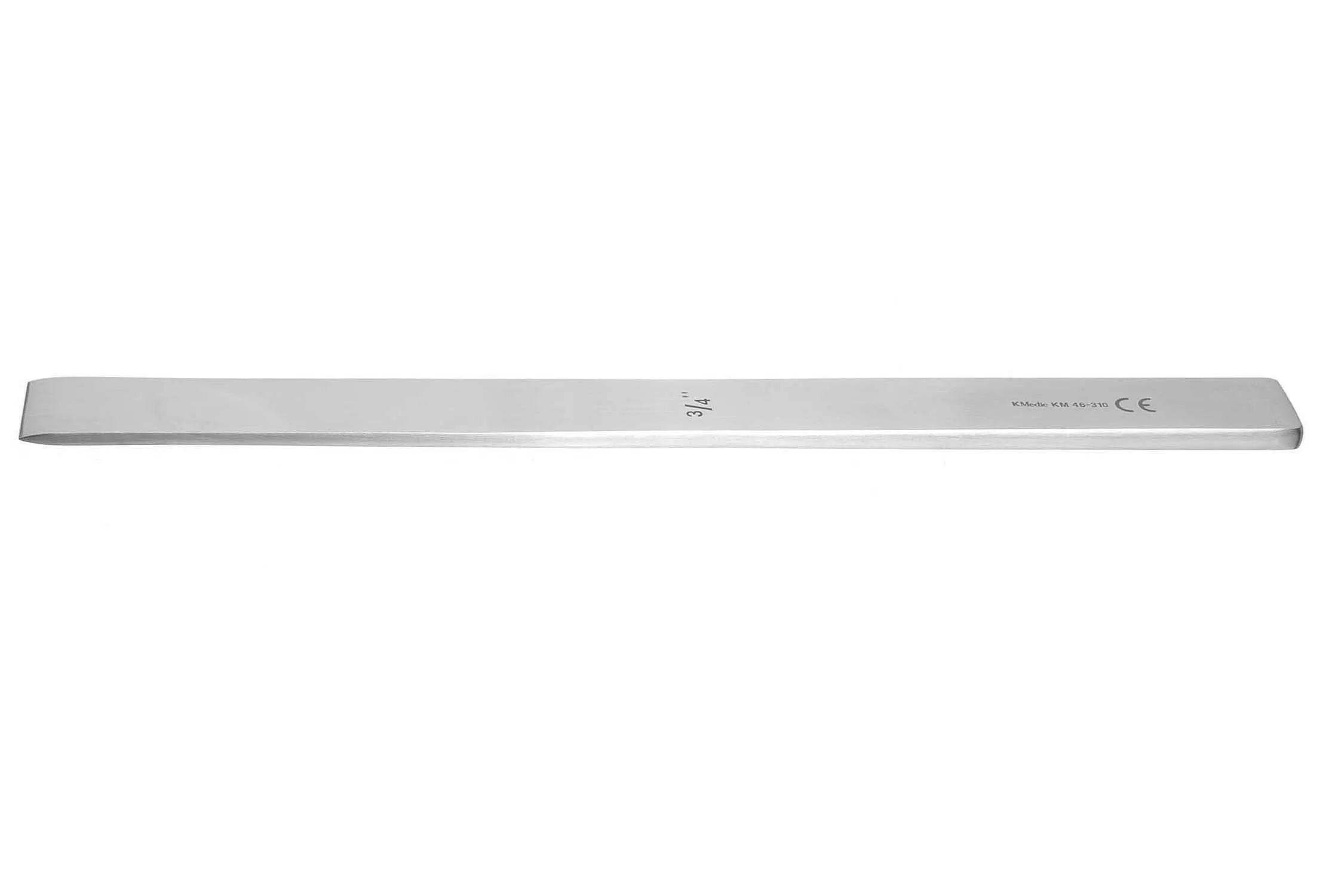
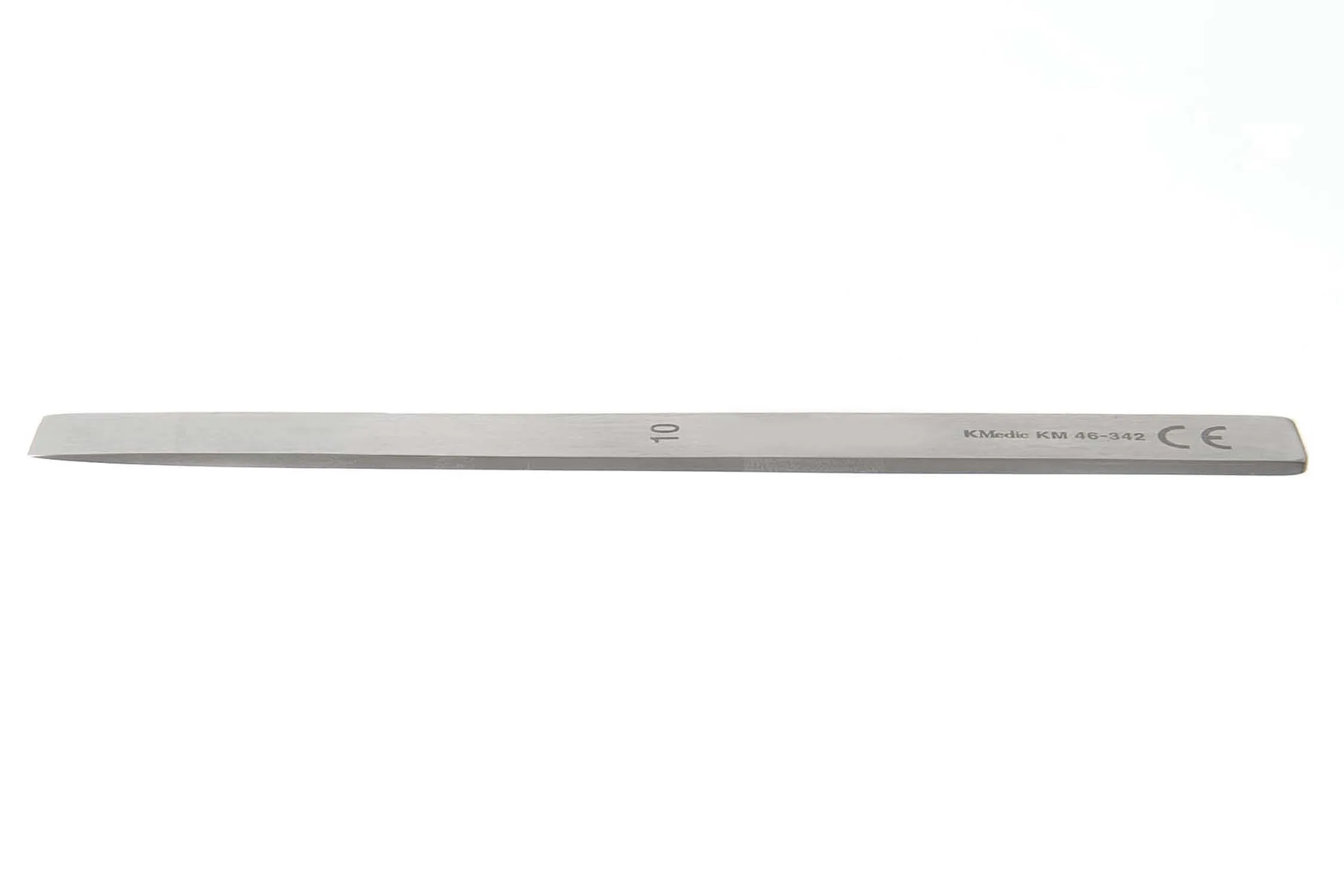
An osteotome is a specialized surgical instrument designed for cutting or shaping bone. Unlike a chisel, which typically has a single bevel, an osteotome usually features a double-beveled edge, allowing for more controlled bone splitting and cutting. Among the various types of osteotomes, the Lambotte Osteotome stands out for its robust design and versatility. Named after the pioneering Belgian surgeon Albin Lambotte, who made significant contributions to orthopedic surgery, this instrument embodies precision and reliability.
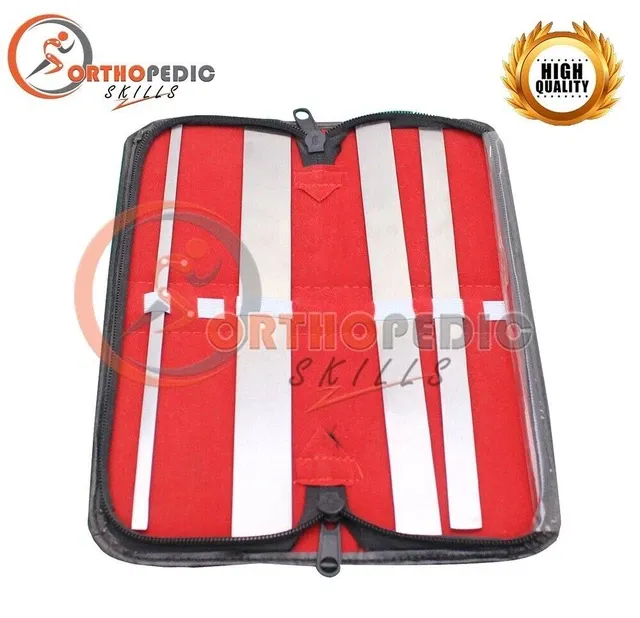
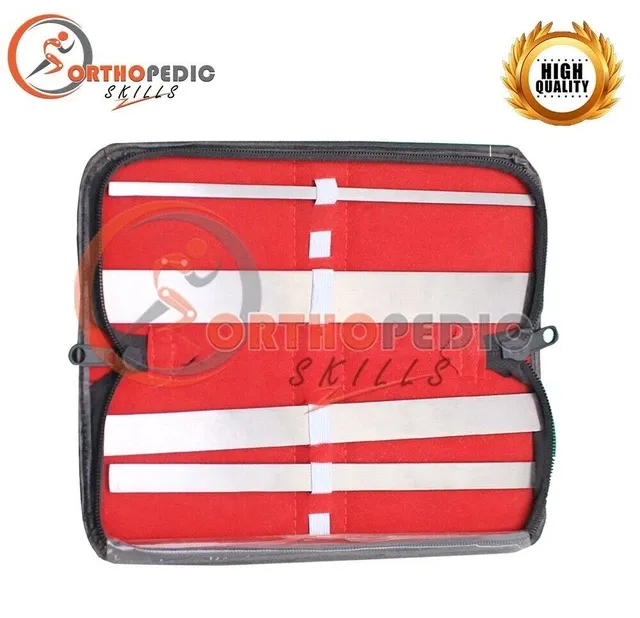
Available in both straight and curved configurations and a range of widths from 6mm to 25mm, the Lambotte Osteotome allows surgeons to perform highly precise bone work across various anatomical sites. Its core function is to facilitate controlled osteotomies—the surgical cutting of bone—which are critical for correcting deformities, preparing bone surfaces for implants, or harvesting bone grafts. The choice between a straight or curved blade, and the appropriate width, is paramount for the surgeon to execute the procedure with optimal accuracy and minimal tissue trauma, ultimately leading to improved patient outcomes.
2. Deep-Dive into Technical Specifications & Mechanisms
The efficacy of the Lambotte Osteotome lies in its meticulous design and the superior materials used in its construction. Understanding these aspects helps appreciate its role in complex orthopedic procedures.
Design and Materials
- Handle: Typically ergonomic, often featuring a fluted or textured grip. This design ensures a secure hold, preventing slippage even when gloves are wet, and allows for precise control during mallet strikes. The handle is robust enough to absorb the impact force from a surgical mallet.
- Shaft: Connects the handle to the blade. It's designed to transmit the force efficiently and withstand repetitive impacts without deforming. The length and tapering of the shaft can vary based on the intended surgical access.
- Blade: The crucial working end of the instrument.
- Cutting Edge: Features a sharp, usually double-beveled edge. This geometry allows the blade to penetrate bone efficiently with less force and create a clean, controlled cut, minimizing splintering or uncontrolled fractures.
- Profile: Available as straight or curved.
- Straight Blades: Ideal for making linear cuts on flat bone surfaces, preparing implant beds, or performing precise resections where direct access is possible.
- Curved Blades: Essential for contouring bone, reaching around anatomical structures, or performing osteotomies on curved bone surfaces (e.g., around joints or in spinal surgery). The curvature allows for precise bone removal in areas that are not easily accessible with a straight blade.
- Widths (6mm-25mm): The range of widths is critical for surgical adaptability.
- Narrower widths (e.g., 6mm, 8mm): Used for fine, intricate bone work, such as in hand and foot surgery, or for initial pilot cuts.
- Wider widths (e.g., 20mm, 25mm): Employed for larger bone resections, such as in major joint arthroplasty or large bone graft harvesting, where a broader cut is required. The selection of width directly impacts the precision and extent of the bone modification.
- Material: Primarily crafted from high-grade medical stainless steel, such as AISI 420 or 440A. These alloys are chosen for their exceptional properties:
- Hardness: Essential for maintaining a sharp cutting edge and resisting deformation under impact.
- Corrosion Resistance: Crucial for repeated sterilization cycles and preventing rust in the sterile surgical environment.
- Biocompatibility: Ensures the material is safe for use within the human body and does not cause adverse reactions.
- Some specialized osteotomes may incorporate titanium for reduced weight or specific imaging compatibility.
Mechanism of Action & Biomechanics
The Lambotte Osteotome functions on the principle of controlled force application to achieve precise bone cutting or splitting.
- Force Transmission: The surgeon applies a controlled striking force to the handle of the osteotome using a surgical mallet. This force is efficiently transmitted along the shaft to the cutting edge.
- Stress Concentration: The sharp, beveled edge of the blade concentrates this force into a very small area of the bone. This high localized stress exceeds the bone's compressive or shear strength, causing it to cleave or cut along the intended line.
- Controlled Resection: Unlike power saws that generate heat and bone dust, an osteotome provides a cleaner, more controlled cut, minimizing the immediate thermal necrosis (tissue death due to heat) to the bone edges. This promotes better bone healing.
- Biomechanics of Bone Interaction: The design of the Lambotte osteotome, particularly its sharp edge and specific bevel angles, is optimized to interact with the anisotropic (direction-dependent) and heterogeneous (variable composition) nature of bone. It leverages the bone's inherent structural weaknesses to achieve a clean fracture or cut, rather than crushing it. This controlled interaction is vital for preserving bone viability and promoting faster integration with implants or healing after osteotomy.
Manufacturing Process
The creation of a high-quality Lambotte Osteotome involves several intricate steps:
* Forging: Shaping the raw metal into the basic instrument form.
* Grinding: Precision shaping of the blade and handle.
* Heat Treatment: Hardening the steel to achieve optimal strength and edge retention.
* Polishing: Creating a smooth, easy-to-clean surface.
* Sharpening: Meticulously honing the cutting edge to surgical sharpness.
* Quality Control: Rigorous testing for sharpness, hardness, corrosion resistance, and overall structural integrity.
3. Extensive Clinical Indications & Usage
The versatility of the Lambotte Osteotome makes it invaluable across a broad spectrum of orthopedic procedures. Its ability to create precise, controlled bone cuts is paramount for successful surgical outcomes.
General Principle: Osteotomy
At its core, the Lambotte Osteotome is used for osteotomy, the surgical cutting of bone. This can be for:
* Resection: Removing a section of bone.
* Shaping: Contouring bone surfaces.
* Splitting: Dividing bone along a specific plane.
* Creating Wedges: For open or closed wedge osteotomies to correct alignment.
Specific Orthopedic Procedures Where Lambotte Osteotomes are Used:
-
Joint Arthroplasty (Joint Replacement Surgery):
- Knee Replacement: Used to precisely resect portions of the femoral condyles and tibial plateau, preparing the bone surfaces for the prosthetic components. The straight osteotome is often used for flat cuts, while curved ones might refine contours.
- Hip Replacement: Employed in preparing the acetabulum (hip socket) or the femoral head/neck for prosthetic implantation.
- Shoulder Replacement: For shaping the glenoid or humeral head.
-
Correction of Deformities:
- High Tibial Osteotomy (HTO): A common procedure for knee osteoarthritis, where a wedge of bone is either removed or added to realign the tibia, shifting weight away from damaged cartilage. Lambotte osteotomes are critical for creating the precise cuts for these wedges.
- Angular Limb Deformities: Correcting bowed legs (genu varum) or knock-knees (genu valgum) in children and adults.
- Malunion/Nonunion Correction: Reshaping bones that have healed incorrectly or failed to heal.
-
Trauma Surgery:
- Fracture Reduction: In complex fractures, an osteotome might be used to precisely reshape bone fragments to achieve optimal alignment for fixation.
- Osteotomy for Bone Grafting: Preparing recipient sites or harvesting bone blocks for grafting procedures.
-
Spinal Surgery:
- Vertebral Osteotomies: Used in complex spinal deformity correction, such as for severe kyphosis (hunchback), where precise cuts in vertebrae are needed to realign the spine.
- Decompression Procedures: Carefully removing small bone fragments that might be impinging on spinal nerves.
-
Foot & Ankle Surgery:
- Bunionectomies (Hallux Valgus Correction): Reshaping the metatarsal bone to correct the deformity of a bunion. Narrower osteotomes are frequently used here.
- Midfoot/Hindfoot Fusions or Corrections: Precise bone cuts for arthrodesis (fusion) or corrective osteotomies to address flatfoot or other deformities.
-
Hand & Wrist Surgery:
- Carpal Bone Reshaping: For conditions like Kienböck's disease or certain degenerative changes.
- Corrective Osteotomies: Addressing malunion of small bones in the hand or wrist.
-
Bone Graft Harvesting:
- Precisely cutting blocks of bone, often from the iliac crest (hip bone), for use as autografts in other surgical sites. The range of widths allows for harvesting grafts of appropriate size.
Surgical Application & Technique (for patient understanding)
While patients do not use these instruments, understanding the general principles of their application provides insight into the precision involved:
- Pre-operative Planning: Surgeons meticulously plan the osteotomy using imaging (X-rays, CT scans) to determine the exact location, angle, and depth of the bone cut.
- Instrument Selection: The surgeon selects the appropriate Lambotte Osteotome (straight or curved, specific width) based on the surgical plan and the anatomy of the bone being operated on.
- Controlled Force: The surgeon holds the osteotome firmly and applies gentle, controlled taps with a surgical mallet. The goal is to achieve a clean, progressive cut rather than a forceful, uncontrolled fracture.
- Visualization and Guidance: The procedure is often guided by direct visualization, fluoroscopy (real-time X-ray imaging), or navigation systems to ensure extreme accuracy.
- Irrigation: During bone cutting, constant irrigation with sterile saline is used to cool the bone, preventing thermal injury and washing away bone debris.
4. Risks, Side Effects, or Contraindications
While the Lambotte Osteotome itself is a sterile instrument, any surgical procedure involving bone cutting carries inherent risks. It's important for patients to understand these potential complications, which are generally associated with the osteotomy procedure rather than the instrument itself.
General Surgical Risks (Common to most surgeries):
- Infection: Any surgical incision carries a risk of bacterial infection, which can be superficial or deep (involving the bone or joint).
- Bleeding/Hematoma: Excessive bleeding during or after surgery, potentially leading to a collection of blood (hematoma) requiring drainage.
- Nerve or Vascular Injury: Nerves or blood vessels near the surgical site can be inadvertently damaged, leading to numbness, weakness, pain, or compromised blood supply.
- Damage to Surrounding Soft Tissues: Muscles, tendons, or ligaments adjacent to the bone cut can be injured.
- Anesthesia Risks: Complications related to general or regional anesthesia (e.g., allergic reactions, respiratory issues).
Specific Risks Related to Osteotomy Procedures:
- Inaccurate Bone Cut: Despite careful planning and precise instrumentation, an osteotomy may not achieve the desired alignment or shape, potentially leading to:
- Malalignment: The bone heals in an incorrect position.
- Persistent Deformity: The original problem is not fully corrected.
- Unintended Bone Fracture: The bone may fracture in an uncontrolled manner, extending beyond the planned osteotomy line.
- Delayed Union or Nonunion: The bone may take longer than expected to heal (delayed union) or may fail to heal altogether (nonunion), requiring further intervention.
- Avascular Necrosis (AVN): If the blood supply to the bone fragment is compromised during the osteotomy, the bone tissue can die, leading to collapse and pain. This is a rare but serious complication.
- Hardware Complications: If fixation devices (plates, screws) are used to stabilize the osteotomy, they can break, loosen, or cause irritation, sometimes requiring removal.
- Pain, Stiffness, Limited Range of Motion: Post-operative pain and stiffness are common, and in some cases, the full range of motion may not be regained.
- Complex Regional Pain Syndrome (CRPS): A rare, chronic pain condition that can develop after trauma or surgery.
Contraindications (for the procedure involving an osteotome):
- Severe Osteoporosis: Bone that is severely osteoporotic may be too fragile to withstand an osteotomy, increasing the risk of uncontrolled fracture or fragmentation.
- Active Infection: Performing an osteotomy in the presence of an active infection at the surgical site is generally contraindicated, as it can spread the infection.
- Poor General Health: Patients with significant comorbidities (e.g., severe heart disease, uncontrolled diabetes) may not be suitable candidates for elective osteotomy due to increased surgical risks.
- Insufficient Bone Stock: In some cases, there may not be enough healthy bone to perform the planned osteotomy and achieve stable fixation.
- Compromised Vascularity: If the blood supply to the limb or bone segment is already severely compromised, an osteotomy could further jeopardize tissue viability.
5. Expert Tips from Dr. Mohammed Hutaif
As an orthopedic specialist, I emphasize that while the Lambotte Osteotome is a simple instrument in its appearance, its effective and safe use requires immense skill, experience, and a deep understanding of bone anatomy and biomechanics. Here are some key principles that guide its application in my practice:
- Meticulous Pre-operative Planning is Paramount: Every successful osteotomy begins long before the incision. Detailed imaging studies (X-rays, CT scans, 3D reconstructions) are crucial to precisely map out the bone cuts, angles, and expected alignment changes. This planning dictates the choice of osteotome—its curvature, width, and the sequence of cuts.
- Select the Right Instrument for the Job: The range of Lambotte Osteotomes (straight/curved, 6mm-25mm) is not arbitrary. Selecting the correct width ensures that the bone cut is neither too wide (causing unnecessary bone removal) nor too narrow (leading to an unstable or incomplete cut). The straight blade is for direct, linear cuts, while the curved blade is indispensable for intricate contours and accessing difficult angles. An inappropriate choice can compromise precision and increase operative time.
- Controlled Force, Not Brute Force: The art of using an osteotome lies in applying controlled, incremental force with a surgical mallet. It's about coaxing the bone to separate along a precise line, not smashing it. Excessive force can lead to uncontrolled fractures, splintering, and damage to surrounding soft tissues. Gentle, rhythmic taps allow for progressive penetration and better control over the osteotomy plane.
- Protect Surrounding Soft Tissues and Neurovascular Structures: A primary concern is always the protection of adjacent nerves, blood vessels, and soft tissues. This requires careful retraction, constant vigilance, and sometimes the use of protective shields or guides. The osteotome is a powerful tool, and its sharp edge must be managed with utmost respect for surrounding anatomy.
- Maintain a Clear Surgical Field and Utilize Imaging: A well-irrigated field free of blood and debris is essential for clear visualization of the bone and the osteotomy line. Furthermore, intraoperative fluoroscopy or navigation systems are frequently employed to confirm the accuracy of cuts in real-time, ensuring optimal alignment and preventing errors.
- Understand Bone Biomechanics: Each bone has unique characteristics and density. Understanding how different bones respond to cutting forces is critical. For instance, cortical bone (dense outer layer) requires more precise and sustained force than cancellous bone (spongy inner layer). This understanding informs the technique used.
- Patient Education on Post-operative Recovery: While the instrument itself is used during surgery, the patient's recovery journey is directly impacted by the precision achieved. I always emphasize to my patients that a well-executed osteotomy, facilitated by instruments like the Lambotte Osteotome, sets the stage for optimal healing. Adherence to post-operative instructions—weight-bearing restrictions, physical therapy, and wound care—is vital to capitalize on the surgical precision.
The Lambotte Osteotome, in skilled hands, is an extension of the surgeon's intent, transforming complex bone pathology into a pathway for restored function and improved quality of life for the patient.
6. Massive FAQ Section
Here are some frequently asked questions about the Lambotte Osteotome and its role in orthopedic surgery:
Q1: What exactly is an osteotome, and how is the Lambotte Osteotome different?
A1: An osteotome is a surgical instrument used to cut or shape bone. It typically has a double-beveled cutting edge, similar to a chisel but designed for more controlled bone splitting. The Lambotte Osteotome is a specific type, renowned for its robust construction, ergonomic handle, and the availability of various straight and curved blade profiles in different widths (6mm-25mm). This range allows surgeons exceptional versatility and precision for a wide array of orthopedic procedures, making it a staple in modern bone surgery.
Q2: Why are there different widths (6mm-25mm) and shapes (straight/curved) of the Lambotte Osteotome?
A2: The varying widths and shapes are crucial for surgical adaptability and precision.
* Widths (6mm-25mm): Narrower blades (e.g., 6mm) are used for delicate, intricate cuts, such as in hand or foot surgery, or for initial pilot cuts. Wider blades (e.g., 25mm) are employed for larger bone resections, like in major joint replacements or for harvesting larger bone grafts, where a broader, more substantial cut is required.
* Shapes (Straight/Curved): Straight blades are ideal for making linear cuts on flat bone surfaces or for preparing implant beds. Curved blades are essential for contouring bone, navigating around anatomical structures, or performing osteotomies on curved bone surfaces, providing access and precision in complex anatomical regions.
Q3: Is the surgery involving an osteotome painful?
A3: During the surgery itself, you will be under anesthesia (general or regional), so you will not feel any pain. Post-operatively, it is normal to experience pain, as bone surgery involves significant tissue manipulation. However, pain management protocols, including medication and nerve blocks, are typically put in place to keep you as comfortable as possible during your recovery. The precision of the osteotome helps minimize unnecessary tissue trauma, which can contribute to a smoother recovery.
Q4: What materials are Lambotte Osteotomes made from, and why is this important?
A4: Lambotte Osteotomes are predominantly made from high-grade medical stainless steel (e.g., AISI 420 or 440A). This material choice is critical because it offers:
* Exceptional Hardness: To maintain a sharp cutting edge and withstand repeated impacts without dulling or deforming.
* Corrosion Resistance: Essential for enduring numerous sterilization cycles and preventing rust in the sterile surgical environment.
* Biocompatibility: Ensures the instrument is safe for contact with human tissues and does not cause adverse reactions.
These properties guarantee the instrument's longevity, reliability, and safety in surgical applications.
Q5: How long is the recovery after a procedure involving an osteotome?
A5: Recovery time varies significantly depending on the specific procedure performed, the bone involved, your overall health, and adherence to post-operative instructions. For minor procedures (e.g., bunion correction), recovery might be a few weeks to months. For major osteotomies (e.g., high tibial osteotomy), full recovery and return to normal activities can take several months to a year. Your surgeon will provide a detailed recovery plan tailored to your specific surgery.
Q6: Are there alternatives to using an osteotome for bone cutting?
A6: Yes, there are other bone cutting tools, each with specific applications:
* Power Saws: Oscillating or reciprocating saws are used for larger, faster bone resections, often in joint replacement surgery. They can generate heat, which needs to be managed with irrigation.
* Bone Chisels: Similar to osteotomes but typically with a single bevel, often used for smaller bone removals or shaping.
* Drills: Used to create holes or for precise bone removal in conjunction with other tools.
* Burrs: High-speed rotating instruments used for fine bone shaping and removal.
The Lambotte Osteotome offers a unique balance of precision, control, and minimal thermal injury, making it indispensable for specific controlled osteotomies where accuracy is paramount.
Q7: How is the Lambotte Osteotome kept sterile for surgery?
A7: Maintaining sterility is paramount. After each use, the instrument undergoes a rigorous multi-step sterilization protocol:
1. Cleaning: Thorough removal of all biological debris, either manually or using automated ultrasonic cleaners.
2. Disinfection: High-level disinfection may precede sterilization.
3. Sterilization: Typically achieved through autoclaving (steam sterilization) at high temperatures and pressure. This process kills all microorganisms, including spores.
4. Packaging: The sterile instrument is then carefully packaged to maintain its sterility until it is opened in the operating room just before use.
Regular inspection for damage or dullness is also part of the maintenance protocol.
Q8: Can a Lambotte Osteotome be used in minimally invasive surgery?
A8: While traditional Lambotte Osteotomes are often used in open surgical fields, specialized versions or adaptations can be used in conjunction with minimally invasive techniques. For instance, smaller osteotomes might be introduced through small incisions or cannulas. The principles of precision and controlled bone cutting remain the same, but access is more restricted, often requiring enhanced imaging guidance.
Q9: What improvements in patient outcomes can be attributed to precise osteotomy using a Lambotte Osteotome?
A9: Precise osteotomy with a Lambotte Osteotome significantly contributes to improved patient outcomes by:
* Optimized Alignment: Correcting deformities accurately leads to better joint mechanics and reduced stress.
* Enhanced Stability: Clean, well-aligned bone cuts provide a stable foundation for healing or implant integration.
* Reduced Pain: Proper alignment and joint function can alleviate chronic pain.
* Improved Function and Mobility: Patients often experience a greater range of motion and ability to perform daily activities.
* Faster Healing: Clean bone cuts promote quicker and more robust bone healing compared to ragged or crushed bone.
* Longevity of Results: Better surgical precision can lead to more durable and long-lasting results, potentially delaying or preventing further surgeries.
Q10: How does the surgeon ensure accuracy when using a Lambotte Osteotome?
A10: Surgeons employ several strategies to ensure accuracy:
* Pre-operative Planning: Detailed imaging and surgical templates.
* Anatomical Knowledge: Deep understanding of the bone and surrounding structures.
* Intraoperative Imaging: Use of fluoroscopy (real-time X-ray) or navigation systems to guide and verify cuts.
* Controlled Technique: Applying gentle, rhythmic taps rather than forceful blows.
* Visual Confirmation: Directly observing the osteotomy line and bone separation.
* Experience: The surgeon's skill and experience are paramount in achieving consistent precision.
Q11: Is an osteotome a reusable instrument?
A11: Yes, Lambotte Osteotomes are designed as reusable surgical instruments. They are made from durable medical-grade materials that can withstand repeated cycles of use, cleaning, and sterilization. However, they undergo strict reprocessing protocols (as described in Q7) and are regularly inspected for sharpness, damage, or corrosion. A dull or damaged osteotome is immediately removed from service to ensure patient safety and surgical efficacy.
Q12: How does the biomechanics of the Lambotte Osteotome contribute to a better surgical outcome?
A12: The biomechanical design of the Lambotte Osteotome is optimized for efficient and controlled bone interaction. Its sharp, double-beveled edge concentrates force effectively, allowing for a clean bone cut with minimal collateral damage to surrounding bone cells. This "clean cut" reduces the risk of thermal necrosis (cell death from heat) and promotes better vascularity, which are crucial factors for robust bone healing and successful fusion or integration with implants. By facilitating a precise and less traumatic osteotomy, it directly supports the body's natural healing processes, leading to improved long-term patient outcomes.
This comprehensive guide aims to provide patients with a clear understanding of the Lambotte Osteotome's role in orthopedic surgery. While it is a powerful tool, it is the expertise and careful application by a skilled surgeon, like Dr. Mohammed Hutaif, that ultimately transforms its potential into successful patient care.