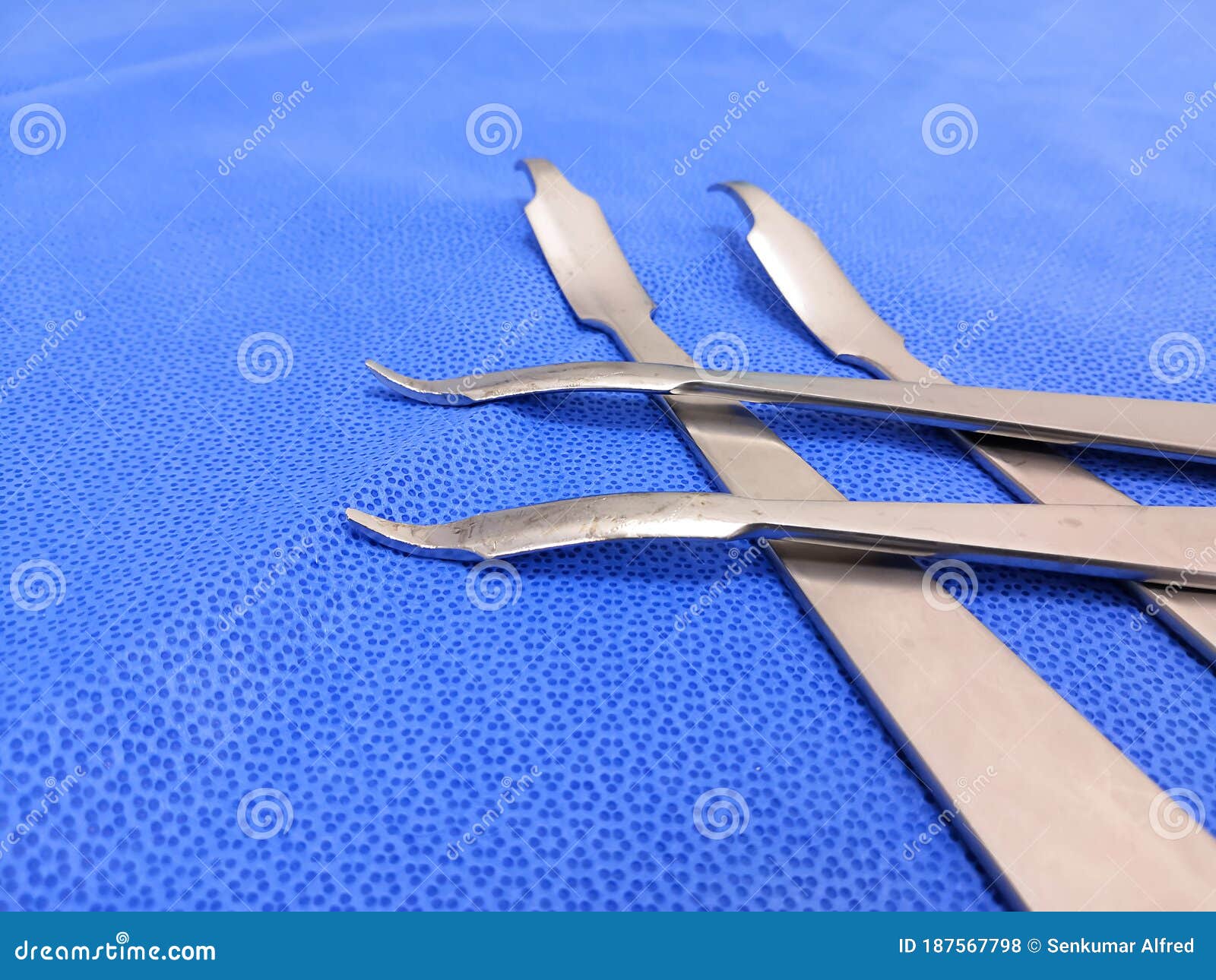
The Hohmann Bone Retractor: An Indispensable Tool in Orthopedic Surgery
Comprehensive Introduction & Overview
In the intricate world of orthopedic surgery, precision and clear visualization are paramount. Every instrument plays a critical role in achieving successful patient outcomes. Among these, the Hohmann bone retractor stands out as a fundamental and highly versatile tool. Designed to provide surgeons with optimal access to bone structures while safely protecting surrounding soft tissues, the Hohmann retractor is an indispensable component of countless orthopedic procedures.
Named after the German orthopedic surgeon Dr. Georg Hohmann, this instrument has evolved to meet the diverse demands of modern surgery. It is characterized by its unique L-shaped or angled blade and is available in a range of sizes – Small, Medium, Large, and Extra-Large. This variety ensures that surgeons can select the perfect tool for different anatomical locations, varying depths of surgical fields, and the specific needs of each patient.
At its core, the Hohmann retractor's purpose is to gently move and hold back muscles, tendons, nerves, and blood vessels, thereby exposing the underlying bone structure clearly. This controlled retraction minimizes the risk of inadvertent damage to delicate tissues, enhances the surgeon's visibility, and ultimately contributes to safer, more efficient, and more precise surgical interventions. For patients, understanding the role of such instruments helps demystify the surgical process and highlights the meticulous care taken by orthopedic specialists.
Deep-dive into Technical Specifications / Mechanisms
The efficacy of the Hohmann retractor lies in its sophisticated yet straightforward design and the high-quality materials used in its construction.
Design Features
- Ergonomic Handle: The handle is typically designed for comfort and a secure grip, often featuring a ribbed or textured surface. This allows the surgeon to maintain firm control and apply consistent, controlled pressure without fatigue, even during lengthy procedures.
- Shaft: The shaft connects the handle to the blade. Its length and curvature can vary depending on the specific size and intended use, accommodating different surgical depths and approaches.
- Blade/Tip: This is the defining characteristic of the Hohmann retractor. It typically features a broad, flat, L-shaped or angled blade with a rounded or blunt edge. This design is crucial for:
- Secure Engagement: The L-shape allows the blade to hook securely around bone edges, providing stable retraction without slipping.
- Tissue Protection: The broad, blunt edge distributes pressure over a larger surface area of soft tissue, minimizing localized trauma, crushing, or laceration of muscles, nerves, and vessels.
- Optimal Exposure: The angled design allows for effective retraction and elevation of tissues, creating a clear surgical window to the underlying bone.
- Size Variation: The availability of Small, Medium, Large, and Extra-Large sizes is critical.
- Small: Features a narrower and shorter blade, ideal for delicate procedures, smaller bones (e.g., hand, foot, wrist), or superficial retraction.
- Medium: A versatile, general-purpose size suitable for a wide range of joint and long bone procedures.
- Large/Extra-Large: Offers a wider and longer blade, necessary for deep surgical fields, larger bone structures (e.g., femur, pelvis), or in patients with more substantial soft tissue.
Materials
Hohmann retractors are predominantly crafted from high-grade medical stainless steel, most commonly 316L (surgical grade stainless steel). This material is chosen for several critical properties:
- Corrosion Resistance: Essential for resisting rust and degradation from repeated exposure to bodily fluids, cleaning agents, and sterilization processes.
- Strength and Durability: Allows the instrument to withstand the forces of retraction without bending, breaking, or deforming, ensuring reliability during surgery.
- Biocompatibility: Non-reactive with human tissues, minimizing the risk of adverse reactions.
- Sterilizability: Can endure high-temperature steam sterilization (autoclaving) without compromising its integrity or performance.
- Finish: Often features a satin or matte finish to reduce glare in the operating room, improving visibility for the surgical team.
Mechanism of Action
The Hohmann retractor functions on the principle of controlled leverage and tissue displacement. Once positioned by the surgeon, the L-shaped blade hooks onto a stable bone edge. The surgeon then applies gentle, consistent pressure to the handle, which leverages the blade to pull back and hold surrounding soft tissues. This creates a clear, stable corridor to the surgical site, protecting neurovascular structures and muscles from inadvertent injury during drilling, cutting, or implant placement. The different sizes allow for precise application of this mechanism across various anatomical scales.
Extensive Clinical Indications & Usage
The versatility of the Hohmann bone retractor makes it a staple in a vast array of orthopedic surgical procedures. Its primary role is to provide unparalleled access and protection in situations where bone work is required.
General Principles of Usage
- Precise Placement: The surgeon carefully positions the blade, often hooking it around a specific bony landmark or cortical edge.
- Controlled Retraction: Gentle, consistent force is applied to retract muscles, tendons, and other soft tissues, creating a clear visual field.
- Tissue Protection: The broad, blunt surface of the blade acts as a shield, protecting delicate neurovascular structures and muscles from instruments like saws, drills, and osteotomes.
- Maintaining Exposure: The retractor holds the tissues in place, freeing the surgeon's hands for other critical tasks.
Specific Orthopedic Surgical Applications
-
Joint Arthroplasty (Replacement Surgery):
- Total Hip Arthroplasty (THA): Hohmann retractors are crucial for exposing the acetabulum (hip socket) for reaming and liner placement, as well as for preparing the femoral canal for stem insertion. Large and Extra-Large sizes are often employed here.
- Total Knee Arthroplasty (TKA): They provide clear visualization of the distal femur and proximal tibia for precise bone cuts, meniscal removal, and ligament balancing. Medium and Large sizes are common.
- Shoulder Arthroplasty: Used to expose the glenoid (shoulder socket) and the humeral head for preparation and implant placement. Small and Medium sizes may be used depending on the approach.
-
Fracture Fixation:
- Long Bone Fractures (Femur, Tibia, Humerus): Hohmann retractors help expose the fracture site, allowing for accurate reduction (realignment of bone fragments) and the application of plates, screws, or intramedullary nails. All sizes may be used depending on the bone and patient anatomy.
- Small Bone Fractures (Wrist, Ankle, Foot): Smaller Hohmann retractors provide delicate, precise access in these confined anatomical areas.
-
Ligament and Tendon Repair/Reconstruction:
- ACL Reconstruction: Used to retract soft tissues around the knee to access the femoral and tibial tunnels for graft placement.
- Rotator Cuff Repair: Facilitates exposure of the shoulder joint and rotator cuff tendons.
-
Spine Surgery (Limited Applications): While not a primary spinal retractor, smaller Hohmanns can sometimes be used for localized muscle retraction or to protect neural elements in specific, more superficial spinal approaches, particularly in the cervical or lumbar regions.
-
Tumor Resection: When removing bone tumors, Hohmann retractors are vital for achieving wide, clear margins while meticulously protecting surrounding healthy tissues and neurovascular bundles.
-
Deformity Correction: In osteotomies (bone cutting procedures to correct alignment), Hohmanns provide excellent exposure for precise cuts and subsequent fixation.
Risks, Side Effects, or Contraindications
While the Hohmann bone retractor is a safe and effective instrument when used correctly, like all surgical tools, its misuse or specific patient conditions can lead to potential risks.
Potential Risks
- Neurovascular Injury: The most significant risk. If the retractor is placed improperly, with excessive force, or maintained for prolonged periods without careful monitoring, it can compress or stretch nerves and blood vessels, leading to temporary or permanent damage.
- Soft Tissue Contusion or Laceration: Although designed with blunt edges, improper placement or aggressive manipulation can still cause bruising, tearing, or crushing of muscles and other soft tissues.
- Bone Surface Damage: Excessive force or incorrect positioning can cause periosteal stripping (detachment of the membrane covering the bone), cortical notching, or even microfractures, particularly in osteoporotic or fragile bone.
- Infection: As with any surgical instrument, inadequate sterilization protocols can lead to surgical site infections.
- Instrument Breakage: Extremely rare with high-quality instruments, but manufacturing defects or misuse (e.g., using it as a lever against excessive resistance) could potentially lead to breakage, creating a foreign body risk.
Side Effects
Most "side effects" are generally related to the surgical trauma itself rather than the retractor specifically. However, issues related to retractor use can exacerbate these:
- Post-operative Pain, Swelling, and Bruising: These are common after surgery. Improper or prolonged retraction can increase localized tissue inflammation, potentially leading to more pronounced pain or swelling in the immediate post-operative period.
- Temporary Neuropraxia: Mild nerve compression can cause temporary numbness, tingling, or weakness in the affected limb, which usually resolves as the nerve recovers.
Contraindications
- Extremely Fragile Bone: In severe osteoporosis or certain bone diseases where bone integrity is significantly compromised, even gentle retraction could cause iatrogenic fracture. Extreme caution and alternative methods may be required.
- Infection at Surgical Site: While not a direct contraindication to the instrument itself, surgery in the presence of active infection requires careful consideration and often treatment of the infection prior to definitive surgical intervention.
- Minimal Access Surgery (MAS) where external retraction is not feasible: In some highly specialized arthroscopic or endoscopic procedures, the surgical approach might preclude the use of external Hohmann retractors, favoring internal, smaller instruments.
Expert Tips from Dr. Mohammed Hutaif
"As an orthopedic surgeon, I've come to appreciate the Hohmann bone retractor as an extension of my own hand. Its judicious use is fundamental to achieving optimal surgical outcomes. Here are my expert tips for its application:
- Size Matters Immensely: Always select the Hohmann retractor that is perfectly suited for the specific anatomical region and the depth of the surgical field. Using a retractor that is too small for a deep approach can lead to inadequate exposure and increased tissue trauma, while one that is too large can be cumbersome and obscure your view.
- Gentle, Consistent Pressure is Key: Avoid sudden, forceful movements. The goal is to gently displace and hold tissues, not to aggressively pull or tear them. Consistent, moderate pressure applied steadily will achieve safe and effective retraction without unnecessary tissue damage.
- Protect Neurovascular Structures: Be acutely aware of the location of nerves and blood vessels. The Hohmann retractor should be positioned to shield these vital structures, never to compress or stretch them. Regularly assess the neurovascular status of the limb during prolonged retraction.
- Maintain a Stable Fulcrum: Ensure the blade is securely hooked onto a stable bony landmark. This prevents slippage, which can lead to uncontrolled tissue trauma or loss of the surgical field.
- Regular Inspection and Proper Care: High-quality instruments are an investment in patient safety. Insist on meticulous cleaning, inspection for any signs of damage (bends, cracks, dullness), and proper sterilization protocols. A compromised instrument is a compromised surgery.
- Team Communication: Effective use of retractors is a team effort. Communicate clearly with your assistant regarding the desired direction and amount of retraction. This synchronicity ensures a stable and well-exposed surgical field at all times."
Massive FAQ Section
Q1: What exactly is a Hohmann bone retractor?
A1: The Hohmann bone retractor is a specialized surgical instrument used in orthopedic procedures. It has an L-shaped or angled blade designed to gently pull back and hold soft tissues (like muscles, tendons, nerves, and blood vessels) to expose underlying bone structures, allowing the surgeon a clear and safe working area.
Q2: Why are there different sizes of Hohmann retractors (Small, Medium, Large, Extra-Large)?
A2: Different sizes are essential to accommodate various anatomical locations and surgical needs. A small retractor might be used for delicate work on the hand or foot, while a large or extra-large one would be necessary for deep approaches to major joints like the hip or femur, ensuring optimal exposure and tissue protection for each specific situation.
Q3: Is the Hohmann retractor safe for the patient?
A3: Yes, when used correctly by a skilled surgeon, the Hohmann retractor is a very safe instrument. Its design, with a broad, blunt edge, is specifically intended to minimize trauma to soft tissues. The primary goal is to protect delicate structures while providing the necessary surgical access.
Q4: What types of surgeries commonly use Hohmann retractors?
A4: Hohmann retractors are frequently used in a wide range of orthopedic surgeries, including total hip, knee, and shoulder replacements (arthroplasty), fracture repair and fixation of long bones, ligament and tendon reconstructions (like ACL repair), and procedures involving bone tumor removal or deformity correction.
Q5: How is the Hohmann retractor kept sterile to prevent infection?
A5: After each use, Hohmann retractors undergo a rigorous cleaning and sterilization process. This typically involves immediate rinsing, thorough manual cleaning with specialized brushes and enzymatic detergents, often followed by ultrasonic cleaning. Finally, they are sterilized using high-temperature steam (autoclaving) in sterile packaging, ensuring all bacteria and pathogens are eliminated before the next surgery.
Q6: Can the Hohmann retractor cause damage during surgery?
A6: While designed for safety, any surgical instrument carries potential risks if misused. Improper placement, excessive force, or prolonged compression could potentially lead to temporary nerve or blood vessel injury, soft tissue bruising, or minor bone surface damage. However, experienced surgeons are highly trained to use these instruments meticulously to avoid such complications.
Q7: How does the use of a Hohmann retractor improve patient outcomes?
A7: By providing clear surgical visualization and safely protecting surrounding tissues, the Hohmann retractor contributes to several improvements:
* Increased Surgical Precision: Allows for more accurate bone cuts and implant placement.
* Reduced Tissue Trauma: Minimizes post-operative pain, swelling, and speeds up recovery.
* Shorter Surgical Times: Efficient retraction can lead to quicker procedures.
* Lower Complication Rates: Better visibility reduces the risk of errors and injury.
All these factors contribute to better functional results and patient satisfaction.
Q8: What materials are Hohmann retractors made from?
A8: Hohmann retractors are typically made from high-grade medical stainless steel, such as 316L. This material is chosen for its exceptional strength, durability, resistance to corrosion, biocompatibility (meaning it's safe for use in the body), and ability to withstand repeated sterilization cycles without degradation.
Q9: Is the Hohmann retractor a single-use or reusable instrument?
A9: Hohmann bone retractors are designed as reusable surgical instruments. They are made from durable medical-grade materials that can withstand repeated cycles of cleaning, sterilization, and use over many years, provided they are maintained and inspected correctly.
Q10: What is the role of the surgical team in the effective use of this instrument?
A10: The effective use of a Hohmann retractor is a team effort. The surgical assistant often helps position and hold the retractor under the surgeon's direction, maintaining consistent tension and ensuring clear visualization. Nurses and scrub techs are responsible for ensuring the instrument is properly cleaned, sterilized, and presented to the surgeon in optimal condition.
Q11: How does a Hohmann retractor differ from other types of retractors?
A11: The Hohmann retractor is distinguished by its L-shaped or angled blade designed specifically to hook around bone and retract soft tissue away from the bone surface. Other retractors, such as Army-Navy retractors, are typically double-ended and handheld for general soft tissue retraction; self-retaining retractors (e.g., Weitlaner, Gelpi) use a ratchet mechanism to hold tissues open without continuous manual force; and specific deep retractors are designed for even deeper or more specialized anatomical areas. Each type serves a unique purpose in surgery.