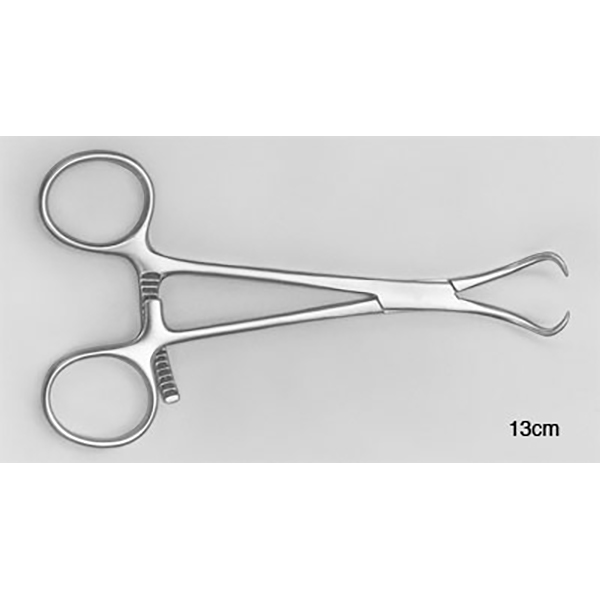
Understanding the Hamstring Tendon Stripper (Harvester): A Patient's Guide to ACL Reconstruction
Welcome to our comprehensive guide on the Hamstring Tendon Stripper, often referred to as a "Harvester." As an expert in orthopedic surgery, Dr. Mohammed Hutaif understands that informed patients are empowered patients. This guide is designed to demystify a crucial instrument used in modern orthopedic procedures, particularly in ligament reconstruction. While this content is for educational purposes only and not medical advice, it aims to provide a clear, authoritative, and easy-to-understand overview of this specialized tool.
1. Comprehensive Introduction & Overview
The Hamstring Tendon Stripper is a specialized surgical instrument fundamental to many ligament reconstruction surgeries, most notably Anterior Cruciate Ligament (ACL) reconstruction. When a ligament, such as the ACL in the knee, is severely torn, it often cannot heal on its own and requires surgical reconstruction. One of the most common and successful methods involves using a patient's own tissue, known as an autograft, to replace the damaged ligament. Hamstring tendons, specifically the semitendinosus and gracilis, are frequently chosen for this purpose due to their excellent biomechanical properties and the relatively low impact of their removal on overall knee function.
The "stripper" or "harvester" is the instrument surgeons use to carefully and precisely detach these tendons from their muscular attachments while preserving their length and integrity. Its development has been pivotal in advancing minimally invasive techniques for graft harvesting, leading to smaller incisions, reduced post-operative pain, and faster recovery times for patients. This guide will delve into the instrument's design, its surgical applications, and what it means for your journey to recovery.
2. Deep-dive into Technical Specifications / Mechanisms
The precision and safety of the hamstring tendon stripper are rooted in its sophisticated design and the materials used in its construction.
Design and Components
A typical hamstring tendon stripper is characterized by several key features:
- Ergonomic Handle: Designed for a secure grip, allowing the surgeon precise control and minimizing hand fatigue during the delicate harvesting process.
- Shaft: A long, slender rod connecting the handle to the cutting head. Shafts vary in length and diameter to accommodate different patient anatomies and surgical approaches. Many are cannulated, meaning they have a hollow core, allowing a guide wire or the tendon itself to pass through, ensuring the instrument follows the tendon's path accurately.
- Cutting Head: This is the critical functional part of the instrument. Cutting heads come in various designs:
- Open-ended: Allows the surgeon to visually guide the tendon into the cutting mechanism.
- Closed-ended: Encircles the tendon completely for a more contained harvest.
- Adjustable: Some advanced designs allow for adjustments to the cutting diameter, providing flexibility based on tendon size.
- Fenestrations/Windows: Small openings on the shaft or head that allow the surgeon to confirm the tendon's position and monitor the cutting process.
- Blade Mechanism: The cutting head incorporates a sharp, circular or semi-circular blade designed to cleanly sever the tendon from its muscular attachment without damaging adjacent tissues. The sharpness and geometry of the blade are crucial for a smooth and complete harvest.
Materials
The choice of materials ensures durability, biocompatibility, and ease of sterilization:
- Medical-Grade Stainless Steel (e.g., 316L): The most common material, known for its corrosion resistance, strength, and ability to withstand repeated sterilization cycles.
- Titanium Alloys: Sometimes used for lighter instruments or specific applications where enhanced biocompatibility or strength-to-weight ratio is desired.
- Ceramic Coatings: Applied to cutting surfaces in some instruments to enhance durability, reduce friction during tissue passage, and maintain sharpness over time.
Mechanism of Action
The stripper's mechanism is elegantly simple yet highly effective:
1. After a small incision is made, the chosen hamstring tendons (semitendinosus and/or gracilis) are identified and isolated.
2. The tendon is grasped and put under gentle tension.
3. The surgeon carefully advances the stripper along the length of the tendon, guiding it proximally (towards the hip).
4. As the stripper advances, its cutting head encircles the tendon, gently separating it from the surrounding muscle fibers and connective tissue (fascia).
5. Once the stripper reaches the musculotendinous junction (where the tendon transitions into muscle), the blade cleanly severs the tendon, harvesting a full-length graft.
This controlled, precise action minimizes trauma to the surrounding tissues, ensuring a viable, intact tendon graft for reconstruction.
Biomechanics
The biomechanical principles behind the stripper's design are crucial for successful surgery and patient recovery:
* Minimizing Collateral Damage: The instrument is designed to isolate and cut only the target tendon, preserving adjacent nerves, vessels, and muscles. This reduces post-operative pain and speeds up recovery.
* Ensuring Graft Integrity: The smooth, sharp cut prevents fraying or damage to the tendon fibers, which is vital for the strength and long-term success of the reconstructed ligament.
* Optimal Graft Length and Diameter: The design allows for the harvest of a consistent length of tendon, ensuring enough material for a robust graft. The ability to harvest both semitendinosus and gracilis tendons often allows for a "quadrupled" graft (folding each tendon in half), creating a thicker, stronger graft.
* Impact on Donor Site: By achieving a clean harvest, the stripper contributes to better healing at the donor site, potentially reducing long-term weakness or discomfort in the hamstring muscles.
Maintenance and Sterilization Protocols
Given its critical role, stringent maintenance and sterilization are paramount:
* Cleaning: Immediately after use, instruments are pre-cleaned to remove gross contaminants. This is followed by thorough cleaning, either manually with brushes and enzymatic detergents or using automated ultrasonic cleaners.
* Inspection: Each instrument is meticulously inspected for any signs of damage, dullness of the blade, corrosion, or wear. Damaged instruments are removed from service.
* Sterilization: The standard method is autoclaving (steam sterilization) at high temperatures and pressure, which effectively kills all microorganisms. Other methods like ethylene oxide (EO) gas sterilization may be used for heat-sensitive components, though less common for these robust metal instruments.
* Storage: Sterilized instruments are stored in sterile packaging until needed, maintaining their aseptic state.
3. Extensive Clinical Indications & Usage
The hamstring tendon stripper is primarily associated with knee ligament reconstructions, but its utility extends to other areas where autograft tissue is required.
Primary Indications:
- Anterior Cruciate Ligament (ACL) Reconstruction: This is the most common application. A torn ACL significantly impacts knee stability. Hamstring autografts (semitendinosus and/or gracilis) are a popular choice due to their strength, availability, and lower donor site morbidity compared to patellar tendon grafts for some patients.
Other Important Indications:
- Posterior Cruciate Ligament (PCL) Reconstruction: The PCL is another major knee ligament. Hamstring grafts can also be used here, often requiring a larger or multi-tendon graft.
- Medial Collateral Ligament (MCL) Reconstruction: In severe MCL injuries that don't heal with conservative treatment, a hamstring autograft can be used to reconstruct the ligament.
- Lateral Collateral Ligament (LCL) Reconstruction: Similar to MCL, LCL reconstruction may utilize hamstring tendons for stability.
- Multi-ligament Knee Injuries: In complex knee traumas involving multiple torn ligaments, hamstring grafts are invaluable for comprehensive reconstruction.
- Other Ligament Reconstructions: Less commonly, hamstring grafts might be considered for certain shoulder ligament reconstructions or other tendon repair procedures where a robust, autologous graft is needed.
Specific Tendons Harvested
The primary tendons harvested are:
* Semitendinosus: A long, slender tendon on the medial (inner) side of the thigh.
* Gracilis: A thinner tendon located next to the semitendinosus.
Often, both are harvested and folded to create a "quadrupled" graft, significantly increasing its strength and diameter to match the native ACL.
Simplified Surgical Technique for Graft Harvest
While the procedure is performed by a highly skilled orthopedic surgeon, here's a simplified overview of the graft harvesting process:
1. Patient Positioning: The patient is positioned on the operating table, typically supine (on their back), with the knee flexed to allow access to the inner thigh.
2. Incision: A small, usually 2-3 cm incision, is made on the medial aspect of the upper tibia (shin bone), just below the knee joint. This minimally invasive approach helps reduce scarring and pain.
3. Tendon Identification: Through this small incision, the surgeon carefully identifies and isolates the semitendinosus and/or gracilis tendons.
4. Tendon Release: The distal (lower) attachments of the tendons are released from the tibia.
5. Stripper Passage: A guide wire or suture is passed through the tendon, and the hamstring tendon stripper is then carefully advanced proximally along the tendon's length, under direct visualization or fluoroscopic guidance in some cases.
6. Controlled Harvest: With controlled tension, the stripper cleanly detaches the tendon from its muscular belly at the musculotendinous junction.
7. Graft Preparation: Once harvested, the tendon(s) are meticulously prepared on a separate sterile table. This involves cleaning, measuring, and often folding and suturing them to create the desired graft length and thickness, ready for implantation.
This minimally invasive technique is a testament to the advancements in orthopedic surgery, allowing for effective graft harvesting with reduced patient discomfort and faster rehabilitation.
4. Risks, Side Effects, or Contraindications
While the hamstring tendon stripper is a safe and effective tool in experienced hands, like any surgical procedure involving instrumentation, there are potential risks and considerations.
Risks Associated with Graft Harvesting:
- Nerve Damage: The saphenous nerve and its infrapatellar branch run close to the harvest site. Although rare, injury can lead to numbness, tingling, or pain in the inner knee or lower leg.
- Vascular Injury: While extremely uncommon due to careful surgical technique, damage to small blood vessels around the harvest site can occur, potentially leading to bleeding or hematoma.
- Incomplete Graft Harvest: Rarely, the tendon might be cut too short or damaged during harvest, requiring the surgeon to switch to an alternative graft source.
- Damage to Surrounding Tissue: Inadvertent injury to adjacent muscles or connective tissues is possible, though minimized by precise instrument design and surgical skill.
- Infection: As with any surgical procedure, there's a small risk of infection at the incision or harvest site.
- Hematoma/Seroma: Accumulation of blood (hematoma) or fluid (seroma) under the skin can occur, potentially requiring drainage.
Donor Site Morbidity (Side Effects):
- Pain and Swelling: It is normal to experience some pain and swelling at the harvest site for several weeks post-surgery.
- Muscle Weakness: While the hamstring muscles are strong and other muscles compensate, some temporary weakness in knee flexion and internal rotation can occur. Most patients regain full strength with rehabilitation.
- Numbness: Numbness or altered sensation around the incision site is common due to minor nerve branch irritation or severance during the incision, but it often improves over time.
- Scarring: A small, typically inconspicuous scar will remain at the incision site.
Contraindications (Relative):
- Pre-existing Hamstring Weakness: If a patient has significant pre-existing hamstring weakness or injury in the limb requiring surgery, an alternative graft source might be considered.
- Previous Hamstring Surgery: Prior surgery on the hamstrings of the same limb could make harvesting more challenging or risky.
- Extremely Small Tendon Diameter: In some individuals, the semitendinosus and gracilis tendons might be unusually small, making them unsuitable for creating a sufficiently strong graft.
- Patient Preference: Some patients may prefer to avoid using their own hamstring tendons and opt for other autografts (e.g., patellar tendon, quadriceps tendon) or allografts (donor tissue).
5. Expert Tips from Dr. Mohammed Hutaif
As an orthopedic specialist, I emphasize several key aspects regarding the use of the hamstring tendon stripper and its impact on patient care:
- Precision is Paramount: The success of hamstring autograft reconstruction hinges on meticulous surgical technique. The stripper allows for controlled, precise harvesting, but the surgeon's skill in identifying the correct plane and guiding the instrument is critical to avoid complications and ensure a high-quality graft.
- Instrument Selection Matters: Choosing the appropriate size and type of stripper for each patient's anatomy is crucial. Variations in shaft length, diameter, and cutting head design allow for customization, which directly impacts the safety and efficiency of the harvest.
- Minimizing Tissue Trauma: My focus is always on achieving the graft with the least possible collateral damage. The modern design of these instruments, combined with a minimally invasive approach, significantly contributes to this goal, leading to less post-operative pain and faster functional recovery.
- Pre-operative Assessment: A thorough pre-operative evaluation, including assessment of hamstring strength and integrity, helps in planning the best graft strategy and discussing potential alternatives with the patient.
- Patient Education is Key: Understanding the process, including potential donor site effects and the importance of rehabilitation, empowers patients to actively participate in their recovery. I ensure patients are fully informed about what to expect.
- Rehabilitation is Non-Negotiable: While the harvest site typically recovers well, dedicated physical therapy is essential to regain hamstring strength, flexibility, and overall knee function. The recovery of the donor site is integral to the overall success of the ligament reconstruction.
- Advancements in Technique: The evolution of instruments like the hamstring tendon stripper continually refines our ability to perform these complex surgeries with greater precision and less invasiveness, directly translating to improved patient outcomes.
6. Frequently Asked Questions (FAQ)
Q1: What is a hamstring tendon stripper used for?
A1: A hamstring tendon stripper is a specialized surgical instrument used to harvest (remove) tendons from the hamstring muscles (typically the semitendinosus and/or gracilis) in the thigh. These harvested tendons are then used as an autograft (the patient's own tissue) to reconstruct damaged ligaments, most commonly the Anterior Cruciate Ligament (ACL) in the knee.
Q2: Why are hamstring tendons often chosen for ligament reconstruction?
A2: Hamstring tendons are a popular choice because they offer several advantages:
* Autograft: They are the patient's own tissue, eliminating the risk of disease transmission and reducing immune rejection.
* Strength: They provide a strong, viable graft that can be folded to create a robust replacement for the torn ligament.
* Donor Site Morbidity: Harvesting them generally results in less post-operative pain and faster recovery compared to some other autograft options (like the patellar tendon).
* Functional Impact: The remaining hamstring muscles compensate well, and most patients regain full strength and function with proper rehabilitation.
Q3: Is the procedure of harvesting the hamstring tendon painful?
A3: The harvesting procedure itself is performed under anesthesia, so you will not feel any pain during surgery. Post-operatively, it is normal to experience pain, soreness, and swelling at the harvest site (inner thigh/knee area). This pain is typically managed with prescribed pain medication and usually subsides within a few weeks.
Q4: Will I lose strength in my leg after hamstring harvest?
A4: You may experience some temporary weakness in knee flexion and internal rotation immediately after surgery. However, the hamstring muscles are strong, and other muscles compensate. With a dedicated physical therapy program, most patients regain nearly full strength and function in their hamstrings. Long-term studies show minimal to no significant functional deficit for the majority of patients.
Q5: How long does it take to recover from hamstring harvest?
A5: While the initial pain and swelling from the harvest site typically improve within 2-4 weeks, the full recovery of hamstring strength and function as part of your overall ligament reconstruction rehabilitation can take several months. Your physical therapy program will gradually progress to restore strength, flexibility, and agility.
Q6: Are there alternatives to using my own hamstring tendon for ligament reconstruction?
A6: Yes, there are several alternatives:
* Patellar Tendon Autograft: Uses a section of the patellar tendon (from below the kneecap).
* Quadriceps Tendon Autograft: Uses a section of the quadriceps tendon (from above the kneecap).
* Allograft: Uses tissue from a deceased donor (cadaver).
* Synthetic Grafts: Less commonly used due to higher failure rates in some applications.
The choice depends on various factors, including patient age, activity level, surgeon preference, and the specific ligament being reconstructed.
Q7: What are the risks associated with using a hamstring tendon stripper?
A7: While generally safe in skilled hands, risks include potential nerve damage (e.g., saphenous nerve), minor vascular injury, incomplete graft harvest, damage to surrounding tissues, infection, and hematoma. These risks are minimized by meticulous surgical technique and modern instrument design.
Q8: How does the surgeon ensure the right length of tendon is harvested?
A8: The surgeon carefully positions the stripper and advances it along the tendon's length. The design of the instrument allows for a precise cut at the musculotendinous junction, ensuring a full-length tendon is harvested. The surgeon also has pre-operative measurements and intra-operative checks to confirm adequate graft length and diameter.
Q9: What happens to the hamstring muscle after the tendon is removed?
A9: The hamstring muscles (semitendinosus and gracilis) are unique in that they have multiple tendons. When one or two are harvested, the remaining hamstring muscles and tendons continue to function. Over time, the remaining tendons may hypertrophy (grow larger), and other muscles in the thigh compensate, allowing for excellent functional recovery. The harvested tendon itself does not regrow in the same way, but scar tissue may form.
Q10: Is the hamstring tendon stripper a reusable instrument?
A10: Yes, hamstring tendon strippers are typically reusable surgical instruments made from durable medical-grade materials like stainless steel. They undergo rigorous cleaning, inspection, and sterilization (usually autoclaving) after each use to ensure they are safe and effective for subsequent procedures.
Q11: How does this instrument contribute to better patient outcomes?
A11: The hamstring tendon stripper contributes significantly to better patient outcomes by enabling:
* Minimally Invasive Harvesting: Smaller incisions lead to less pain, reduced scarring, and faster initial recovery.
* Precise Graft Quality: It ensures a clean, undamaged, and appropriately sized tendon graft, which is crucial for the strength and long-term success of the reconstructed ligament.
* Reduced Donor Site Morbidity: By minimizing trauma to surrounding tissues, it helps reduce post-operative complications at the harvest site.
Q12: What should I expect immediately after surgery involving tendon harvest?
A12: Immediately after surgery, you can expect:
* Pain Management: You will receive medication to manage pain at both the knee joint and the hamstring harvest site.
* Swelling: Some swelling and bruising are normal.
* Mobility Restrictions: Depending on the specific ligament reconstruction, you may have a brace and weight-bearing restrictions.
* Early Rehabilitation: Physical therapy usually begins very soon after surgery, focusing on gentle range-of-motion exercises and managing swelling.