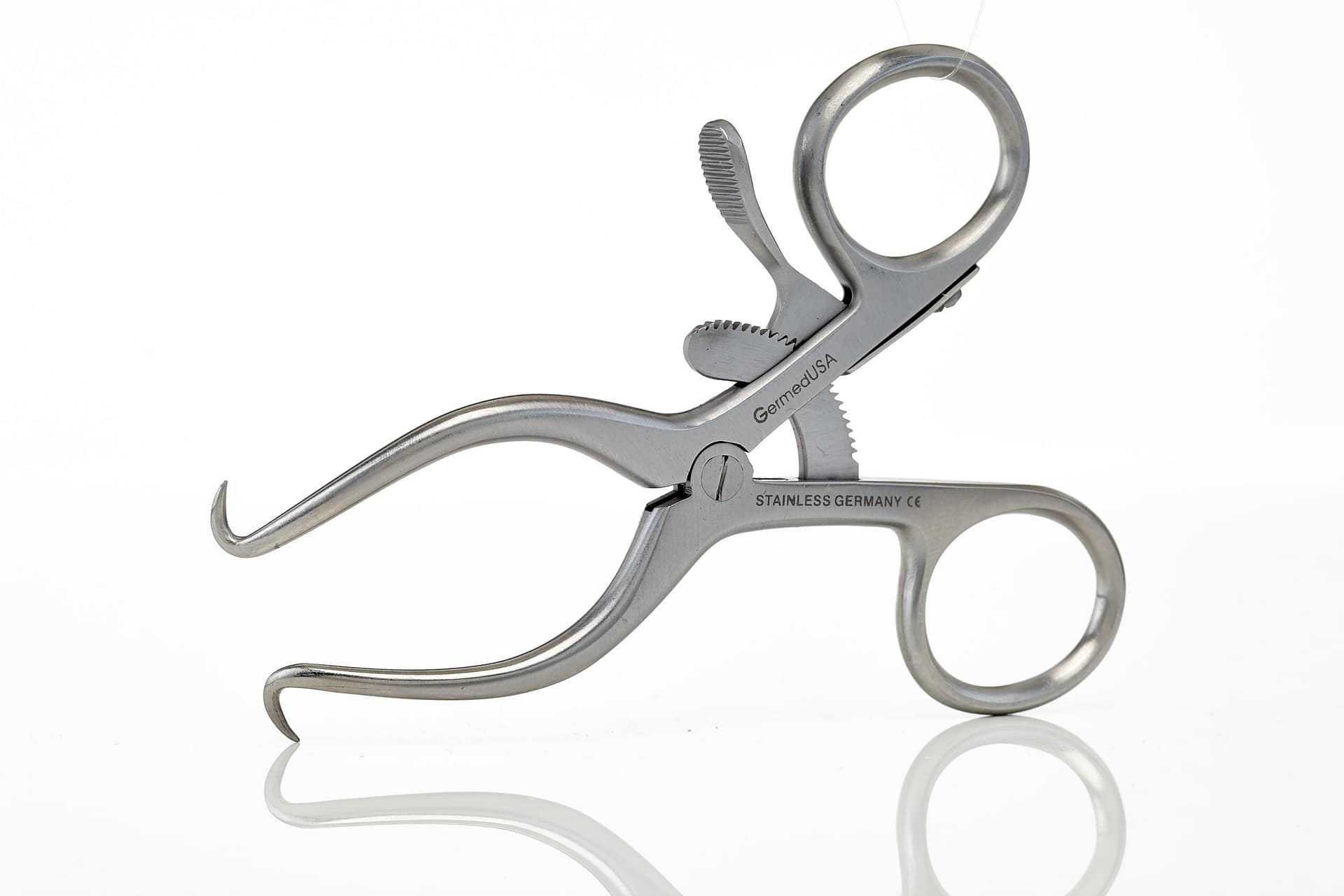
The Gelpi Retractor: An In-Depth Guide for Patients
As an expert Medical SEO Copywriter and Orthopedic Specialist, we aim to provide comprehensive, authoritative, yet easy-to-understand educational content for patients. This guide delves into the Gelpi Retractor, a fundamental instrument in orthopedic surgery, explaining its purpose, mechanism, and impact on patient care. Please remember, this information is for educational purposes only and is not medical advice.
1. Comprehensive Introduction & Overview
The Gelpi Retractor is a specialized surgical instrument widely utilized across various surgical disciplines, most notably in orthopedics. It is classified as a self-retaining retractor, meaning it can hold tissues apart without requiring continuous manual pressure from a surgical assistant. This ingenious design allows the surgical team to maintain a clear and unobstructed view of the surgical site, significantly enhancing precision and efficiency during procedures.
Invented by Dr. M.J. Gelpi, this retractor has become indispensable for its ability to provide consistent and reliable retraction of superficial tissues such as skin, subcutaneous fat, and muscle. Its distinct design, featuring sharp, inward-curving tips and a secure ratchet mechanism, ensures that once placed, the surgical field remains open, allowing the surgeon to focus solely on the delicate tasks at hand. For patients, this translates into potentially shorter operative times, reduced tissue trauma, and ultimately, improved surgical outcomes.
2. Deep-Dive into Technical Specifications / Mechanisms
Understanding the technical aspects of the Gelpi Retractor illuminates its effectiveness and reliability in the operating room.
2.1 Design and Anatomy
The Gelpi Retractor's design is deceptively simple yet highly effective:
- Self-Retaining Mechanism: The core feature is its spring-loaded shanks and a ratcheted handle. Once the tips are positioned, the handles are squeezed together, and the ratchet locks, holding the tips apart at the desired width. This eliminates the need for manual assistance.
- Tips: Gelpi retractors typically feature two sharp, single-pronged, inward-curving tips. These tips are designed to securely grasp and spread superficial tissues with minimal slippage. The sharp nature ensures precise engagement with fibrous tissues.
- Shanks: These are the arms connecting the handle to the tips. They vary in length, allowing the instrument to be used for different incision depths.
- Handle: Equipped with finger rings, the handle allows for precise control during placement and release. The ratchet mechanism is integrated into the handle for secure locking.
2.2 Materials
The integrity and safety of surgical instruments are paramount. Gelpi Retractors are meticulously crafted from high-grade materials:
- Surgical Stainless Steel: Predominantly made from medical-grade stainless steel (e.g., 420 or 440 series). This material is chosen for:
- Corrosion Resistance: Essential for enduring repeated sterilization cycles and exposure to bodily fluids.
- Strength and Durability: To withstand the forces of retraction without bending or breaking.
- Biocompatibility: Non-reactive with human tissues, minimizing adverse reactions.
- Finishes: Instruments often feature a satin (matte) finish to reduce glare in the operating room, or a mirror finish for easier cleaning.
2.3 Mechanism of Action
The Gelpi Retractor operates on a simple yet robust mechanical principle:
- Placement: The surgeon carefully inserts the closed tips into the edges of the surgical incision.
- Engagement: The handles are gently squeezed, causing the tips to spread outwards, thereby retracting the surrounding tissues.
- Locking: Once the desired degree of retraction is achieved, the ratchet mechanism on the handle is engaged, locking the shanks in place and maintaining constant tension.
- Release: To remove, the ratchet is disengaged (usually by squeezing the handles slightly further or pressing a release lever), allowing the tips to close and be withdrawn.
2.4 Biomechanics
The biomechanical principles behind the Gelpi Retractor are critical for effective and safe tissue manipulation:
- Leverage: The design utilizes leverage to amplify the force applied at the handles into effective tissue separation at the tips.
- Force Distribution: While the tips are sharp, the inward curve helps distribute the retraction force more evenly across the tissue, minimizing localized pressure points that could lead to trauma. However, excessive force can still lead to tissue damage.
- Tissue Deformation: The retractor creates controlled tissue deformation, opening the surgical field. Understanding tissue elasticity and tensile strength is crucial to avoid over-retraction, which can cause ischemia (reduced blood flow) or necrosis (tissue death).
- Stability: The self-retaining ratchet mechanism ensures stable and consistent retraction, preventing accidental closure or slippage that could compromise visibility or injure the patient.
3. Extensive Clinical Indications & Usage
The Gelpi Retractor's versatility makes it a staple in numerous surgical procedures, particularly where precise, superficial tissue retraction is required.
3.1 General Principle
The primary role of the Gelpi Retractor is to provide clear exposure of the surgical site by gently but firmly holding back skin, subcutaneous tissue, and superficial muscle layers. This allows the surgeon to access deeper structures without obstruction.
3.2 Orthopedic Applications
In orthopedics, the Gelpi Retractor is invaluable for a wide array of procedures:
- Spinal Surgery:
- Lumbar Laminectomy/Discectomy: Used to retract skin and fascia to expose the posterior spinal elements.
- Spinal Fusion: Provides initial access to the spinal column.
- Extremity Surgery:
- Hand and Wrist Surgery: Carpal tunnel release, fracture fixation, tendon repairs. The smaller sizes are particularly useful here.
- Foot and Ankle Surgery: Bunionectomies, ankle fracture repair, Achilles tendon repair.
- Knee Surgery: Patellar tendon repair, initial incision for arthroscopy portals, meniscus repair.
- Shoulder Surgery: Rotator cuff repair (for superficial approach), shoulder stabilization procedures.
- Trauma Surgery:
- Open Reduction Internal Fixation (ORIF): Essential for gaining access to fracture sites in various bones (e.g., forearm, tibia, humerus) to facilitate alignment and plate/screw placement.
- Sports Medicine:
- Ligament reconstructions (e.g., ACL repair), tendon repairs, and other soft tissue procedures where clear visualization of superficial structures is critical.
3.3 Fitting and Usage Instructions (Simplified for Patient Understanding)
While surgeons receive extensive training, understanding the basic steps can demystify the process for patients:
- Selection: The surgical team selects the appropriate size of Gelpi Retractor based on the incision length and depth required.
- Careful Placement: The surgeon gently inserts the closed tips of the retractor into the edges of the incision. Extreme care is taken to avoid underlying nerves, vessels, or other delicate structures.
- Gradual Engagement: The handles are slowly opened, causing the tips to spread the tissue apart. The surgeon continuously assesses tissue tension and visibility.
- Secure Locking: Once the optimal retraction is achieved, the ratchet mechanism is engaged to hold the retractor firmly in place. This ensures consistent exposure.
- Monitoring and Adjustment: Throughout the procedure, the surgical team monitors the tissue under retraction for any signs of excessive pressure or compromise. Adjustments are made as needed.
- Gentle Removal: At the end of the procedure, the ratchet is released, the tips are gently closed, and the retractor is carefully withdrawn from the incision.
3.4 Advantages of Self-Retaining Retractors
The self-retaining nature of the Gelpi Retractor offers significant benefits:
- Reduced Need for Assistants: Frees up surgical assistants to perform other critical tasks, optimizing team efficiency.
- Consistent Retraction: Maintains a steady, unwavering retraction force, unlike manual retraction which can fatigue.
- Improved Visualization: Provides a consistently clear and open surgical field, reducing the risk of errors.
- Enhanced Ergonomics: Reduces physical strain on the surgical team.
4. Risks, Side Effects, or Contraindications
While highly beneficial, the use of any surgical instrument carries potential risks. The surgical team is trained to mitigate these.
4.1 Risks and Potential Side Effects
- Tissue Trauma: The primary risk is inadvertent damage to surrounding tissues, including:
- Nerve Damage: If a nerve is caught or compressed by the tips.
- Vessel Damage: Puncture or compression of blood vessels, leading to bleeding or ischemia.
- Skin Perforation/Tearing: If the tips are placed improperly or excessive force is used, especially in fragile skin.
- Muscle/Fascia Damage: Over-stretching or tearing of muscle fibers or fascial planes.
- Infection: As with any surgical instrument, inadequate sterilization can lead to surgical site infection. This is meticulously prevented through strict sterilization protocols.
- Instrument Failure: Though rare due to high-quality materials, bending or breaking of the instrument can occur if subjected to extreme forces or if there's a manufacturing defect.
- Inadequate Retraction: In very deep or complex surgical fields, a Gelpi may not provide sufficient retraction, necessitating other types of retractors.
4.2 Contraindications (Relative)
While there are no absolute contraindications to the Gelpi Retractor itself, its use may be relatively contraindicated or require extreme caution in certain situations:
- Extremely Delicate Superficial Structures: In areas where major nerves or vessels lie immediately beneath very thin skin, without sufficient protective tissue layers, alternative retraction methods or extreme caution are warranted.
- Deep Cavities: For procedures requiring deep tissue retraction, other specialized deep retractors would be more appropriate.
- Broad, Diffuse Retraction: When a wide, even retraction of a large surface area is needed (e.g., abdominal surgery), instruments like the Balfour or Weitlaner might be preferred.
5. Expert Tips from Dr. Mohammed Hutaif
"As an orthopedic surgeon, I rely on instruments like the Gelpi Retractor daily. My commitment to patient safety and optimal outcomes guides every decision in the operating room. Here are some key considerations for its use:"
- "Always choose the smallest effective size: Using an oversized retractor can cause unnecessary tissue tension. Precision in size selection is paramount."
- "Ensure proper tissue engagement, avoiding vital structures: Before locking, I meticulously check that the tips are securely within the incision margins and clear of any nerves, vessels, or tendons."
- "Check ratchet security frequently during long cases: A secure lock prevents slippage, which could compromise visualization or cause unexpected tissue release."
- "Combine with moist sponges for tissue protection: Placing moist sponges or gauze under the retractor tips can provide cushioning and prevent desiccation of delicate tissues."
- "Proper maintenance extends instrument life and ensures patient safety: A dull or damaged retractor is a hazard. Regular inspection and adherence to sterilization protocols are non-negotiable."
- "Never force the retractor; if resistance is met, re-evaluate placement: Forcing an instrument can cause significant tissue damage. If retraction is difficult, I reassess the incision, tissue planes, or consider an alternative instrument."
- "Consider the patient's anatomy: Obese patients or those with particularly muscular builds may require longer shanks or different types of retractors to achieve adequate exposure without excessive tension."
6. Maintenance and Sterilization Protocols
The longevity, safety, and effectiveness of surgical instruments heavily depend on rigorous maintenance and sterilization protocols.
6.1 Immediate Post-Use Care
- Rinsing: Immediately after use, instruments should be rinsed with distilled water to remove gross contamination (blood, tissue fragments).
- Disassembly (if applicable): While Gelpi retractors are typically one piece, ensuring all parts are accessible for cleaning is important.
6.2 Cleaning
Thorough cleaning is the most crucial step before sterilization.
- Manual Cleaning:
- Use soft brushes and enzymatic cleaning solutions to scrub away all organic material.
- Pay special attention to the tips, hinges, and ratchet mechanism, where debris can accumulate.
- Rinse thoroughly to remove all cleaning solution residue.
- Automated Cleaning:
- Ultrasonic Cleaner: Uses high-frequency sound waves to create cavitation bubbles that dislodge microscopic debris from intricate surfaces.
- Washer-Disinfector: An automated machine that washes, rinses, and thermally disinfects instruments, often used for high-volume cleaning.
6.3 Inspection
After cleaning, each instrument undergoes meticulous inspection:
- Tip Integrity: Check for sharpness, bends, or damage to the tips.
- Alignment: Ensure the shanks and tips align correctly when closed.
- Ratcheting Mechanism: Verify that the ratchet engages and disengages smoothly and securely.
- Corrosion/Damage: Inspect for any signs of rust, pitting, cracks, or dullness. Damaged instruments must be removed from circulation.
6.4 Lubrication
- Water-Soluble Lubricant: A specialized, water-soluble lubricant is applied to the hinges and ratchet mechanism to ensure smooth operation and prevent corrosion during sterilization.
6.5 Packaging
- Instruments are carefully arranged in sterilization trays or individually pouched, ensuring tips are protected and the sterilant can reach all surfaces.
6.6 Sterilization
Autoclaving (Steam Sterilization) is the gold standard for Gelpi Retractors.
- Process: Instruments are exposed to saturated steam under pressure at high temperatures (e.g., 121°C or 132°C) for a specified duration.
- Mechanism: Steam denatures and coagulates microbial proteins, effectively killing all microorganisms, including spores.
- Monitoring: Sterilization cycles are monitored using chemical indicators, biological indicators, and physical parameters to ensure efficacy.
- Flash Sterilization: An abbreviated steam sterilization cycle used only in emergencies, not for routine processing.
6.7 Storage
- Sterilized instruments are stored in a clean, dry, and secure environment to maintain their sterility until use.
7. Patient Outcome Improvements
The use of a Gelpi Retractor, while seemingly a minor detail in a complex surgery, contributes significantly to overall patient outcomes through several indirect and direct mechanisms.
- Enhanced Surgical Precision: By providing a consistently clear and stable surgical field, the Gelpi Retractor allows the surgeon to perform delicate maneuvers with greater accuracy, reducing the risk of damage to surrounding healthy tissues.
- Reduced Operative Time: The self-retaining nature eliminates the need for manual retraction, streamlining the surgical workflow. Shorter surgical times can lead to reduced exposure to anesthesia, lower risk of infection, and quicker recovery.
- Minimized Tissue Trauma: When used correctly, the Gelpi Retractor provides controlled and even retraction, preventing excessive stretching or tearing of tissues compared to less stable manual retraction. This can lead to less post-operative pain and swelling.
- Reduced Risk of Complications: Improved visualization directly correlates with a lower incidence of intraoperative complications, such as unintended nerve or vessel injury.
- Potential for Smaller Incisions: In some cases, efficient retraction allows for adequate exposure through smaller incisions, which can contribute to faster wound healing and improved cosmetic results.
- Faster Recovery: Indirectly, all these factors – precision, reduced trauma, and fewer complications – contribute to a smoother and faster post-operative recovery for the patient.
8. Massive FAQ Section
Q1: What is a Gelpi Retractor used for?
A1: The Gelpi Retractor is a self-retaining surgical instrument primarily used to hold back superficial tissues (skin, fat, muscle) during surgery. Its purpose is to keep the surgical incision open, providing the surgeon with a clear and unobstructed view of the operating site.
Q2: How does a Gelpi Retractor work?
A2: It works by using two sharp, inward-curving tips that are inserted into the edges of an incision. The surgeon then squeezes the handles, causing the tips to spread apart and retract the tissue. A built-in ratchet mechanism locks the handles in place, maintaining constant retraction without continuous manual holding.
Q3: What material is the Gelpi Retractor made from?
A3: Gelpi Retractors are typically made from high-grade surgical stainless steel. This material is chosen for its strength, durability, resistance to corrosion (especially important during sterilization), and biocompatibility with human tissues.
Q4: What types of surgeries commonly use a Gelpi Retractor?
A4: It is extensively used in orthopedic surgeries, including spinal procedures (like laminectomy), extremity surgeries (hand, wrist, foot, ankle, knee), trauma surgery (fracture fixation), and sports medicine procedures. It's also used in general surgery for superficial retraction.
Q5: Is the Gelpi Retractor safe for patients?
A5: Yes, when used correctly by trained surgical professionals, the Gelpi Retractor is a safe and effective instrument. The surgical team is highly skilled in its proper placement and monitoring to minimize risks such as tissue trauma or nerve compression.
Q6: How is a Gelpi Retractor sterilized?
A6: Like most reusable surgical instruments, Gelpi Retractors undergo rigorous sterilization, typically through autoclaving (steam sterilization). This process uses high-temperature, pressurized steam to kill all microorganisms, ensuring the instrument is completely sterile before each use.
Q7: Can a Gelpi Retractor be reused?
A7: Yes, Gelpi Retractors are designed as reusable surgical instruments. After each use, they are meticulously cleaned, inspected for damage, lubricated, and then sterilized according to strict protocols before being used again.
Q8: What are the different sizes of Gelpi Retractors available?
A8: Gelpi Retractors come in various lengths to accommodate different surgical needs and incision depths. Common sizes might range from approximately 3.5 inches (9 cm) for delicate hand surgery to 7 inches (18 cm) or more for deeper orthopedic approaches.
Q9: How does the Gelpi Retractor improve patient outcomes?
A9: By providing a clear and stable surgical field, it enables surgeons to operate with greater precision, potentially reducing operative time, minimizing tissue trauma, and lowering the risk of complications. These factors collectively contribute to a smoother recovery and improved overall outcome for the patient.
Q10: What is the main difference between a Gelpi Retractor and a Weitlaner Retractor?
A10: Both are self-retaining retractors, but they differ in their tips. The Gelpi Retractor typically has two sharp, single-pronged, inward-curving tips, making it ideal for pinpoint, strong retraction of superficial tissues. The Weitlaner Retractor, on the other hand, has multiple dull or sharp teeth on each blade, providing broader, more diffuse retraction over a larger area.
Q11: Who invented the Gelpi Retractor?
A11: The Gelpi Retractor was invented by Dr. M.J. Gelpi, a surgeon, who designed it to address the need for a reliable, self-retaining instrument to maintain tissue separation during surgical procedures.
Q12: Are there alternatives to the Gelpi Retractor for superficial retraction?
A12: Yes, depending on the specific surgical needs, alternatives include the Weitlaner Retractor (for broader retraction), Army-Navy Retractors (manual), Senn Retractors (small, sharp/blunt tips), or even specialized skin hooks for very delicate superficial work. The choice depends on the surgeon's preference and the demands of the procedure.
Disclaimer: This information is for educational purposes only and is not medical advice. Always consult with a qualified healthcare professional for any medical concerns or before making any decisions related to your health or treatment.