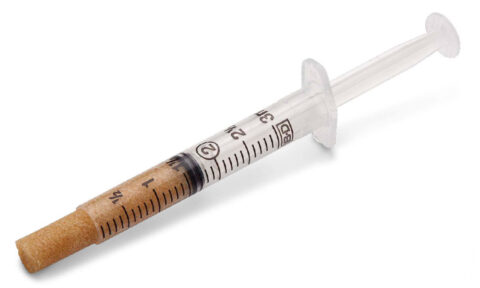
Demineralized Bone Matrix (DBM) Putty: An Orthopedic Specialist's Guide
1. Comprehensive Introduction & Overview
In the dynamic field of orthopedic surgery, the need for effective bone regeneration and fusion solutions is paramount. Demineralized Bone Matrix (DBM) Putty has emerged as a cornerstone in bone grafting, offering a versatile and biologically active option for a wide array of procedures. As an allograft-derived biomaterial, DBM Putty leverages the inherent osteoinductive and osteoconductive properties of human bone to stimulate and support new bone formation.
DBM Putty is a processed bone allograft that has undergone demineralization, a process that exposes bone morphogenetic proteins (BMPs) and other growth factors crucial for osteoinduction. These bioactive molecules signal local mesenchymal stem cells to differentiate into osteoblasts, the cells responsible for bone production. Simultaneously, the remaining collagenous matrix provides a scaffold (osteoconduction) for these newly formed cells to migrate and proliferate, facilitating structured bone growth.
Available in convenient sizes such as 5cc, 10cc, and 15cc, DBM Putty offers surgeons flexibility in addressing varying defect sizes and surgical requirements. Its putty-like consistency makes it highly moldable and conformable to irregular bone geometries, ensuring intimate contact with the host bone and optimal delivery of its osteoinductive components. This comprehensive guide will delve into the technical specifications, clinical applications, usage protocols, biomechanical principles, and patient outcomes associated with Demineralized Bone Matrix Putty, solidifying its role as an indispensable tool in modern orthopedics.
2. Deep-dive into Technical Specifications / Mechanisms
2.1 Design and Materials
DBM Putty is a sophisticated biomedical product engineered for optimal bone regeneration. Its design integrates several critical components to achieve its therapeutic effect:
- Allograft Origin: DBM Putty is derived exclusively from human cadaveric bone, meticulously screened and tested according to stringent guidelines set by regulatory bodies (e.g., FDA in the U.S.) and tissue banks. Donor eligibility criteria are exceptionally rigorous, encompassing medical history review, serological testing for infectious diseases (HIV, Hepatitis B/C, syphilis, etc.), and microbiological cultures. This multi-layered screening process ensures the utmost safety and minimizes the risk of disease transmission.
- Demineralization Process: The core of DBM's efficacy lies in its demineralization. Cortical bone is milled into particles, then subjected to acid extraction (typically hydrochloric acid). This process removes the inorganic mineral phase (calcium phosphate), exposing the non-collagenous proteins and growth factors, most notably Bone Morphogenetic Proteins (BMPs). These proteins are osteoinductive, meaning they can induce mesenchymal stem cells to differentiate into osteoblasts and chondroblasts, ultimately leading to new bone formation. The extent of demineralization is carefully controlled to optimize the exposure of these growth factors while maintaining the structural integrity of the collagen matrix.
- Collagenous Matrix: Post-demineralization, what remains is a collagen-rich matrix. This matrix serves as an excellent osteoconductive scaffold, providing a physical framework for cellular attachment, migration, and proliferation. It guides the ingrowth of blood vessels and osteoprogenitor cells, facilitating organized new bone formation.
- Biocompatible Carrier: To achieve the "putty" consistency, the demineralized bone particles are combined with a biocompatible carrier material. Common carriers include:
- Glycerol: Provides viscosity and moldability.
- Hyaluronic Acid: A naturally occurring polysaccharide, enhances handling, and may contribute to a favorable environment for cell growth.
- Lecithin: A phospholipid that can improve cohesiveness.
- Poloxamers or other synthetic polymers: Designed to be biocompatible, non-immunogenic, and fully resorbable, without inhibiting bone formation.
The carrier material ensures the DBM remains cohesive, pliable, and easy to handle during surgery. It allows the putty to conform precisely to bone defects and resist washout, while gradually resorbing over time as new bone regenerates.
- Available Sizes (5cc, 10cc, 15cc): The provision of DBM Putty in various volumes addresses the diverse requirements of orthopedic procedures:
- 5cc: Ideal for smaller defects, augmentation in spinal fusion cages, or filling minor gaps in fracture repair.
- 10cc: A common intermediate size suitable for moderate defects, longer spinal fusion segments, or larger metaphyseal voids.
- 15cc: Reserved for extensive bone defects, large revision cases, or multi-level spinal fusions where a substantial volume of graft material is required. These varying sizes help surgeons optimize material usage and minimize waste.
2.2 Mechanism of Action (Biomechanics)
The biological efficacy of DBM Putty hinges on a synergistic interplay of osteoconduction and osteoinduction, orchestrated by its unique composition:
- Osteoconduction: The demineralized collagen matrix acts as a scaffold. This porous, interconnected structure provides a framework upon which new bone can grow. Host osteoprogenitor cells, fibroblasts, and vascular elements migrate into this scaffold, laying down new bone tissue. The putty's ability to conform intimately to the defect site maximizes this contact, facilitating efficient osteoconduction.
- Osteoinduction: This is the hallmark property of DBM. The exposed growth factors, primarily Bone Morphogenetic Proteins (BMPs), bind to specific receptors on undifferentiated mesenchymal stem cells (MSCs) present in the surgical site. This binding initiates a cascade of cellular events, prompting the MSCs to differentiate into chondroblasts and then osteoblasts. These osteoblasts are then responsible for producing the new bone matrix, leading to de novo bone formation. The concentration and activity of these intrinsic BMPs are critical determinants of the DBM's osteoinductive potential.
- Resorption: Both the DBM matrix and its carrier are designed to be gradually resorbed by the body. This resorption occurs concurrently with new bone formation, ensuring that the graft material is replaced by living, vascularized bone rather than merely being encapsulated. The rate of resorption is balanced to allow sufficient time for robust bone healing.
- Role of the Carrier in Biomechanics: While not directly osteoinductive or osteoconductive, the carrier plays a crucial biomechanical role. It provides:
- Cohesiveness: Prevents the DBM particles from dispersing, keeping them concentrated at the defect site.
- Moldability: Allows the surgeon to shape the putty to precisely match the defect, maximizing contact and stability.
- Resistance to Washout: Helps the graft material remain in place, even in the presence of irrigation or fluid shifts, ensuring consistent delivery of growth factors.
- Space Maintenance: The putty can fill voids, providing structural support in the early healing phase until new bone formation provides intrinsic stability.
3. Extensive Clinical Indications & Usage
DBM Putty's versatility makes it suitable for a broad spectrum of orthopedic procedures where bone regeneration, fusion, or defect filling is required.
3.1 Detailed Surgical Applications
DBM Putty is a valuable adjunct or primary graft material in numerous orthopedic subspecialties:
- Spinal Fusion:
- Posterior Lumbar Interbody Fusion (PLIF) / Transforaminal Lumbar Interbody Fusion (TLIF): Used within interbody cages to promote fusion between vertebral bodies.
- Anterior Cervical Discectomy and Fusion (ACDF): Placed within cervical cages or alongside structural grafts to enhance fusion.
- Posterolateral Gutter Fusion: Applied along the transverse processes and lamina to achieve solid arthrodesis.
- Pediatric Spinal Deformity Correction: Augmentation for scoliosis or kyphosis correction surgeries.
- Sacroiliac (SI) Joint Fusion: To promote osteointegration across the SI joint.
- Trauma Surgery:
- Fracture Repair: Filling metaphyseal defects in comminuted fractures (e.g., tibial plateau, calcaneus, distal radius) to restore bone stock and promote healing.
- Non-unions and Mal-unions: Augmenting revision surgeries for fractures that have failed to heal or have healed in an unsatisfactory position, providing additional osteoinductive stimulus.
- Bone Cyst Filling: After curettage of benign bone cysts (e.g., unicameral bone cysts), DBM Putty can fill the cavity and promote healing.
- Joint Reconstruction:
- Arthrodesis (Joint Fusion): Used in fusion procedures for ankle, subtalar, wrist, or finger joints to achieve stable, pain-free fusion.
- Revision Arthroplasty: Filling periprosthetic bone defects or voids created during removal of failed joint implants.
- Osteochondral Defect Repair: Augmenting repair of articular cartilage and subchondral bone defects, though often combined with other techniques.
- Oncology:
- Bone Defect Reconstruction: Filling voids after resection of benign or malignant bone tumors, restoring structural integrity and promoting bone regeneration.
- Sports Medicine:
- Ligament/Tendon Reconstruction: Augmenting bone-tendon-bone or soft tissue graft fixation to bone tunnels, promoting osteointegration.
- Osteochondral Defect Repair: While often requiring a structural graft, DBM putty can provide an osteoinductive environment.
- Craniomaxillofacial Surgery:
- Alveolar Ridge Augmentation: In dental implantology, though less common than other forms of DBM.
- Orbital Floor Reconstruction: Filling defects in orbital trauma.
3.2 Fitting/Usage Instructions
Proper handling and application of DBM Putty are crucial for maximizing its effectiveness and ensuring patient safety.
3.2.1 Pre-operative Protocols
- Storage: DBM Putty is typically stored at ambient room temperature (15-30°C or 59-86°F) in its original sterile packaging. Always refer to the manufacturer's specific instructions for storage conditions and shelf life.
- Inspection: Before opening, visually inspect the sterile pouch for any signs of damage, punctures, or compromise to the sterile barrier. Do not use if the packaging is compromised.
- Preparation: Most DBM Putty products are ready-to-use and do not require rehydration. If the product arrives frozen (less common for putty), allow it to thaw completely at room temperature, as per manufacturer guidelines. Do not microwave or rapidly heat.
3.2.2 Intra-operative Application
- Aseptic Technique: Maintain strict aseptic technique throughout the handling and application of DBM Putty, as it is a sterile implantable material.
- Recipient Site Preparation:
- Debridement: Ensure the surgical site is thoroughly debrided of any non-viable tissue, scar tissue, or foreign bodies.
- Decortication: For optimal bone growth, the recipient bone should be decorticated (creating small bleeding holes or roughening the cortical surface). This exposes cancellous bone and allows for the influx of osteoprogenitor cells and growth factors from the host bone, maximizing contact with the DBM.
- Handling the Putty:
- Open the sterile packaging in a sterile field.
- The putty can be easily molded and packed by hand (using sterile gloves) or with instruments (e.g., curettes, spatulas).
- Moldability: Take advantage of its malleability to conform it precisely to the contours of the bone defect or fusion bed. Ensure intimate contact with viable host bone.
- Cohesiveness: The inherent cohesiveness of the putty helps it maintain its shape and resist displacement within the surgical site, especially important in dynamic environments or large defects.
- Application Techniques:
- Direct Filling: Pack the DBM Putty directly into bone defects, cysts, or voids.
- Augmentation in Cages: For spinal fusion, DBM Putty can be packed into interbody fusion cages (e.g., PEEK cages) to enhance the osteoinductive environment around the structural graft.
- Mixing with Autograft/BMA: DBM Putty can be mixed with autogenous bone graft (e.g., local bone chips from decortication) or bone marrow aspirate (BMA). This combination leverages the structural and cellular components of autograft/BMA with the osteoinductive power of DBM, creating a powerful composite graft. Mixing should be done carefully to ensure a homogeneous blend without compromising the putty's consistency.
- Layering: In some cases, DBM Putty can be layered over structural grafts or at the interface of host bone to enhance osteoinduction.
- Securing the Graft: While DBM Putty is cohesive, it may require containment in certain situations (e.g., within a cage, secured by internal fixation).
3.2.3 Post-operative Care
- Wound Closure: Standard wound closure techniques should be employed.
- Immobilization/Rehabilitation: The post-operative protocol (e.g., bracing, weight-bearing restrictions, physical therapy) is dictated by the specific surgical procedure and the surgeon's preference, not typically by the DBM Putty itself. However, adequate immobilization is crucial for successful bone healing and fusion, regardless of the graft material used.
3.3 Patient Outcome Improvements
The judicious use of DBM Putty contributes significantly to improved patient outcomes:
- Reduced Donor Site Morbidity: A major advantage over autograft. Patients avoid the pain, potential infection, nerve damage, or fracture risk associated with harvesting bone from their own body (e.g., iliac crest). This can lead to faster recovery and reduced post-operative pain.
- Consistent Osteoinductive Potential: DBM provides a reliable source of growth factors to stimulate bone healing, which can be inconsistent with autograft, especially in older or compromised patients.
- Unlimited Supply: Unlike autograft, DBM is available in virtually unlimited quantities, allowing for grafting of large defects or multiple fusion levels without concern for donor site limitations.
- Predictable Bone Healing and Fusion Rates: Numerous clinical studies have demonstrated DBM's effectiveness in promoting bone healing and achieving solid fusions, often comparable to or exceeding other allograft options.
- Improved Functional Outcomes: Successful bone fusion and regeneration lead to better restoration of function, reduced pain, and improved quality of life for patients.
- Versatility: Its conformable nature allows it to be used in complex anatomical sites, ensuring optimal graft-to-host bone contact.
- Biocompatibility: Being derived from human bone, DBM is highly biocompatible, minimizing immune reactions.
4. Maintenance/Sterilization Protocols
DBM Putty, as a terminally sterilized, single-use allograft, has specific protocols primarily focused on maintaining its sterility and integrity until the point of use. There are no "maintenance" or "sterilization" procedures for the end-user.
- Manufacturer Sterilization: The DBM Putty is terminally sterilized by the manufacturer using validated methods such as gamma irradiation or electron beam (e-beam) irradiation. These methods are highly effective at sterilizing the graft material and its packaging without compromising its biological activity. The sterility assurance level (SAL) is typically 10⁻⁶, meaning there is less than a one in a million chance of a non-sterile unit.
- Storage:
- Ambient Temperature: Most DBM Putty products are designed for storage at ambient room temperature (typically 15-30°C or 59-86°F). This eliminates the need for refrigeration or freezing, simplifying logistics.
- Original Packaging: Always store the product in its original, unopened, sterile packaging to protect it from environmental contamination and physical damage.
- Shelf Life: Adhere strictly to the expiration date printed on the product label. The shelf life is determined by the manufacturer based on extensive stability testing.
- Handling:
- Aseptic Technique: Handle the product only in a sterile environment using aseptic technique.
- Single-Use Only: DBM Putty is for single-patient use only. Any unused portion must be discarded. Re-sterilization or re-use is strictly prohibited and can compromise patient safety and product efficacy.
- Integrity Check: Before use, visually inspect the sterile barrier packaging for any signs of damage, tears, or punctures. If the packaging is compromised, the product should not be used.
- Traceability: It is critical to maintain proper records for allograft materials. The product's lot number and donor identification information (if applicable) must be recorded in the patient's chart for traceability purposes, in accordance with regulatory requirements.
- Disposal: Unused or expired DBM Putty and its packaging should be disposed of according to institutional policies for biohazardous waste.
5. Risks, Side Effects, or Contraindications
While DBM Putty is a safe and effective bone graft option, like all surgical implants, it carries potential risks and contraindications that surgeons and patients must consider.
5.1 Risks and Side Effects
- Infection: While the risk is extremely low due to stringent donor screening and terminal sterilization, any implanted material carries a theoretical risk of infection at the surgical site.
- Disease Transmission: The risk of disease transmission (e.g., HIV, Hepatitis) from allograft DBM is extremely remote due to comprehensive donor screening, serological testing, and validated tissue processing/sterilization methods. Tissue banks adhere to strict guidelines (e.g., FDA 21 CFR Part 1271).
- Non-union/Pseudoarthrosis: Despite DBM's osteoinductive properties, there is always a possibility of graft failure, resulting in non-union (failure of bone to heal) or pseudoarthrosis (formation of a false joint). This can be influenced by patient factors (e.g., smoking, diabetes, malnutrition), surgical technique, and biomechanical stability.
- Immune Reaction: The demineralization process removes most cellular and antigenic components, significantly reducing the risk of an immune response. However, a mild, localized inflammatory reaction is theoretically possible but rare.
- Graft Displacement: Although the putty consistency helps it stay in place, in certain high-motion or poorly contained areas, there is a risk of graft migration or displacement, which could impede healing or cause complications.
- Hematoma/Seroma Formation: As with any surgery, bleeding or fluid accumulation (hematoma/seroma) can occur at the surgical site.
- Neurovascular Injury: While not directly caused by the DBM, the surgical procedure itself carries inherent risks of injury to surrounding nerves or blood vessels.
- Delayed Healing: In some cases, bone healing may be slower than anticipated.
5.2 Contraindications
The use of DBM Putty may be contraindicated or require careful consideration in certain patient populations or clinical scenarios:
- Active Infection: Absolute contraindication. DBM Putty should not be used in the presence of an active infection at the surgical site, as it could exacerbate the infection and lead to severe complications.
- Compromised Vascularity: Areas with severely compromised blood supply may not provide the necessary host cells and nutrients for successful bone regeneration, potentially leading to graft failure.
- Severe Metabolic Bone Disease: Uncontrolled metabolic bone diseases (e.g., severe osteoporosis, osteomalacia) may impair the host's ability to form new bone, reducing the efficacy of the graft.
- Severe Systemic Illness: Patients with severe systemic illnesses or those undergoing chemotherapy/radiation may have compromised healing capacities.
- Allergy to Components: Known allergy or hypersensitivity to any component of the DBM Putty (e.g., carrier material).
- Immunosuppression: Patients on long-term immunosuppressive therapy may have a reduced ability to mount an appropriate healing response.
- Pregnancy/Lactation: While not an absolute contraindication, the decision to use any implantable material in pregnant or lactating women should be made with caution, weighing potential risks against benefits.
- Previous Adverse Reaction: History of adverse reaction to allograft materials.
6. Massive FAQ Section
Q1: What is Demineralized Bone Matrix (DBM) Putty?
A1: DBM Putty is a processed human allograft (donated bone) material used in orthopedic surgery to promote bone healing and fusion. It's created by removing the mineral content from bone, which exposes natural growth factors (like BMPs) that stimulate new bone formation, and combining these demineralized particles with a biocompatible carrier to create a moldable putty.
Q2: How does DBM Putty work to promote bone growth?
A2: DBM Putty works through two primary mechanisms:
* Osteoinduction: The exposed growth factors (especially BMPs) in the demineralized bone matrix signal the body's own stem cells to differentiate into bone-forming cells (osteoblasts).
* Osteoconduction: The remaining collagen scaffold provides a framework for new bone cells and blood vessels to grow into, guiding the healing process.
Q3: Is DBM Putty safe? What about disease transmission?
A3: Yes, DBM Putty is considered very safe. Human donors are rigorously screened for infectious diseases, and the bone undergoes extensive processing and terminal sterilization (e.g., gamma irradiation). These measures significantly reduce the risk of disease transmission to extremely low levels, often cited as less than one in a million.
Q4: What are the advantages of DBM Putty over other bone graft options?
A4: Key advantages include:
* No Donor Site Morbidity: Avoids the pain and complications associated with harvesting bone from the patient's own body (autograft).
* Osteoinductive Properties: Actively stimulates new bone growth, unlike purely osteoconductive materials.
* Unlimited Supply: Available in consistent quantities and quality.
* Versatility: Its moldable consistency allows it to conform to irregular defects.
* Reduced Surgical Time: Eliminates the need for a separate bone harvest procedure.
Q5: Can DBM Putty be mixed with other materials, like autograft or bone marrow aspirate?
A5: Yes, DBM Putty is often mixed with autogenous bone graft (bone taken from the patient) or bone marrow aspirate (BMA). This creates a composite graft that combines the osteoinductive power of DBM with the cellular and structural benefits of autograft/BMA, potentially enhancing healing outcomes.
Q6: What sizes of DBM Putty are available?
A6: DBM Putty is commonly available in various volumes to suit different surgical needs, such as 5cc, 10cc, and 15cc. These options allow surgeons to select the appropriate amount for small defects, moderate fusions, or extensive reconstructions.
Q7: How long does it take for DBM Putty to integrate into the bone?
A7: The integration and remodeling of DBM Putty is a gradual biological process. Initial bone formation can begin within weeks, but complete integration and solid fusion typically take several months (e.g., 3-12 months), depending on the specific procedure, patient health, and defect size. The DBM material is slowly resorbed and replaced by the patient's own new bone.
Q8: Are there any specific storage requirements for DBM Putty?
A8: Most DBM Putty products are shelf-stable and can be stored at ambient room temperature (typically 15-30°C or 59-86°F) in their original, unopened, sterile packaging. Always check the manufacturer's specific instructions for exact storage conditions and expiration dates.
Q9: Who is a suitable candidate for DBM Putty?
A9: DBM Putty is suitable for patients requiring bone regeneration or fusion in orthopedic procedures such as spinal fusion, fracture repair, joint reconstruction, and filling bone defects. Suitability is determined by a surgeon based on the patient's overall health, the specific condition, and other individual factors.
Q10: What are the potential complications associated with DBM Putty?
A10: While generally safe, potential complications can include:
* Infection (very rare due to sterilization)
* Non-union or pseudoarthrosis (failure of the bone to heal)
* Graft displacement
* Mild inflammatory reaction (rare)
* Hematoma or seroma formation at the surgical site
Q11: Is DBM Putty regulated?
A11: Yes, in the United States, DBM products are regulated by the Food and Drug Administration (FDA) as human cells, tissues, and cellular and tissue-based products (HCT/Ps) under 21 CFR Part 1271. This ensures strict standards for donor screening, tissue recovery, processing, storage, and distribution.
Q12: What is the difference between osteoconduction and osteoinduction?
A12:
* Osteoconduction refers to the ability of a material to serve as a passive scaffold for new bone growth. It provides a framework upon which existing bone cells can migrate and lay down new bone.
* Osteoinduction refers to the active stimulation of undifferentiated stem cells to differentiate into bone-forming cells (osteoblasts). DBM is unique in possessing both these properties due to its collagenous matrix (osteoconductive) and exposed growth factors (osteoinductive).