DBM Gel (Injectable, 2.5cc Syringe): An Advanced Orthopedic Bone Regeneration Solution
Comprehensive Introduction & Overview
In the dynamic field of orthopedic surgery, the need for effective bone graft substitutes is paramount for successful patient outcomes. Demineralized Bone Matrix (DBM) Gel, particularly in an injectable 2.5cc syringe format, represents a significant advancement in biological bone regeneration. This sophisticated allograft material is meticulously processed to retain vital osteoinductive and osteoconductive properties, making it an invaluable tool for surgeons addressing a myriad of bone defects and fusion challenges.
DBM Gel is derived from human allograft bone, which undergoes a precise demineralization process to expose inherent bone morphogenetic proteins (BMPs) and other growth factors crucial for stimulating new bone formation. Presented as a flowable gel within a pre-filled, sterile 2.5cc syringe, it offers unparalleled ease of handling and precise delivery into complex anatomical sites. This guide will delve into the intricate design, extensive clinical applications, biomechanical principles, and the profound impact DBM Gel has on improving patient recovery and long-term stability in orthopedic procedures.
Deep-dive into Technical Specifications & Mechanisms
Design and Materials
DBM Gel is a testament to sophisticated tissue engineering and stringent quality control. Its core components and design are optimized for biological efficacy and surgical convenience.
- Source Material: DBM Gel is composed of 100% human allograft bone, typically sourced from deceased donors through accredited tissue banks. Donors undergo rigorous screening for infectious diseases and medical suitability, adhering to the highest standards set by regulatory bodies like the FDA and AATB (American Association of Tissue Banks).
- Demineralization Process: The allograft bone is subjected to a controlled acid extraction process that selectively removes the inorganic mineral content (hydroxyapatite) while preserving the collagenous matrix and, critically, the intrinsic osteoinductive proteins, including Bone Morphogenetic Proteins (BMPs). This process is vital for exposing the active growth factors that initiate bone formation.
- Carrier System: The demineralized bone particles are suspended in a biocompatible carrier, often a glycerol-based gel or a proprietary hydrogel. This carrier serves several key functions:
- Flowability: It transforms the particulate DBM into an injectable, moldable gel, facilitating easy application into irregular bone defects.
- Handling: Provides cohesion, preventing material migration after placement.
- Biocompatibility: The carrier is designed to be fully resorbable and non-immunogenic, gradually dissipating as new bone forms.
- Growth Factor Preservation: Helps maintain the viability and activity of the osteoinductive factors within the DBM.
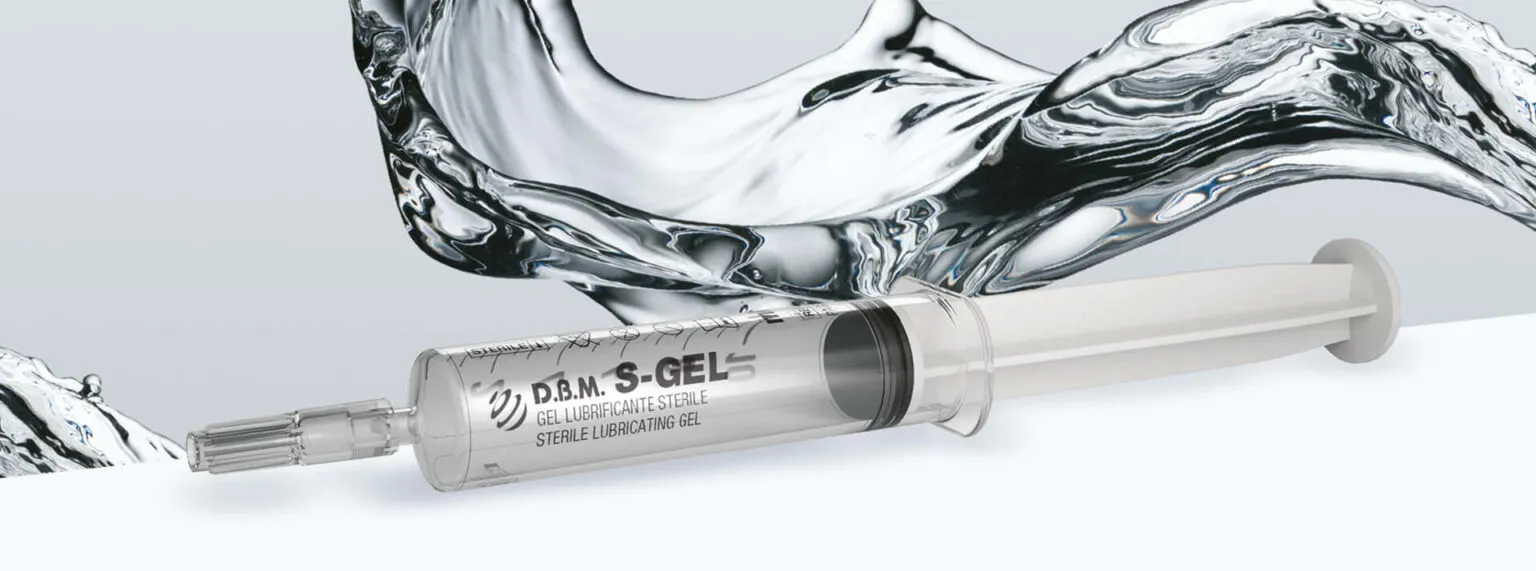
- Syringe Format (2.5cc): The pre-filled 2.5cc syringe offers a precise, ready-to-use delivery system. This format minimizes preparation time in the operating room, reduces waste, and ensures sterile, controlled application. The specific volume is ideal for smaller defects or as an augmentation material.
- Sterilization: The final DBM Gel product in its syringe is terminally sterilized, typically using low-dose gamma irradiation. This ensures a sterility assurance level (SAL) of 10^-6, providing maximum patient safety without compromising the biological activity of the DBM.
Biomechanics and Mechanism of Action
The efficacy of DBM Gel hinges on its dual biological capabilities: osteoinduction and osteoconduction, synergistically working to promote robust bone regeneration.
- Osteoinduction: This is the hallmark property of DBM. The preserved BMPs and other non-collagenous proteins within the demineralized matrix have the unique ability to recruit undifferentiated mesenchymal stem cells (MSCs) from the surrounding tissues. These MSCs are then induced to differentiate into chondroblasts (cartilage-forming cells) and subsequently into osteoblasts (bone-forming cells), initiating the cascade of endochondral ossification leading to new bone formation.
- Osteoconduction: The collagenous scaffold of the DBM provides a three-dimensional porous matrix that acts as a guide for existing osteoblasts and newly differentiated osteoblasts. This scaffold facilitates the ingrowth of neovascularity, bone cells, and supporting connective tissues, allowing for new bone to be laid down directly upon and within the graft material. The DBM matrix effectively serves as a structural framework for the regenerating bone.
- Integration and Remodeling: Over time, the DBM Gel is gradually resorbed and replaced by the patient's own vascularized, viable bone. This process of remodeling ensures that the grafted area integrates seamlessly with the host bone, achieving long-term mechanical strength and biological function. The rate of resorption is balanced with the rate of new bone formation.
Extensive Clinical Indications & Usage
DBM Gel (2.5cc Syringe) is a versatile bone graft substitute with a broad range of applications across various orthopedic subspecialties. Its injectable nature makes it particularly suitable for filling irregular voids and enhancing fusion rates.
Detailed Surgical and Clinical Applications
- Spinal Fusion Procedures:
- Posterolateral Lumbar Fusion: Used as an extender or enhancer for autograft or allograft, promoting robust fusion across the transverse processes.
- Interbody Fusion (ALIF, PLIF, TLIF): Can be packed into interbody cages or around the cages to augment fusion, particularly in cases where autograft volume is limited or donor site morbidity is a concern.
- Cervical Fusion: Applied to enhance fusion in anterior cervical discectomy and fusion (ACDF) procedures.
- Trauma and Fracture Repair:
- Non-unions and Delayed Unions: Indicated to stimulate healing in fractures that have failed to unite or are progressing slowly.
- Bone Defects: Filling metaphyseal or diaphyseal bone voids resulting from comminuted fractures, cyst removal, or tumor resections.
- Augmentation of Internal Fixation: Used in conjunction with plates, screws, or rods to promote bone healing around the hardware, particularly in osteoporotic bone.
- Reconstructive Orthopedic Surgery:
- Arthrodesis (Joint Fusion): Enhancing fusion in ankle, foot, wrist, or hand arthrodesis procedures where stable bone union is critical.
- Total Joint Revision Surgery: Filling periprosthetic bone defects or voids during revision arthroplasty.
- Osteotomy Sites: Augmenting healing after corrective osteotomies to realign limbs or joints.
- Sports Medicine:
- ACL Reconstruction (Bone Tunnel Filling): Can be used to fill bone tunnels after graft harvest or placement, promoting faster healing and integration.
- Rotator Cuff Repair (Greater Tuberosity Augmentation): In cases with significant bone loss or poor bone quality, DBM Gel can enhance tendon-to-bone healing.
Fitting/Usage Instructions
The injectable nature of DBM Gel in a 2.5cc syringe simplifies its application, but proper technique is crucial for optimal results.
- Preparation:
- Ensure the DBM Gel syringe is stored according to manufacturer instructions (typically at room temperature, unless otherwise specified).
- Inspect the sterile packaging for any damage before opening.
- Maintain strict aseptic technique throughout handling.
- Delivery:
- The syringe is designed for direct application. Remove the cap and attach an appropriate delivery tip or cannula if needed for precise placement in deep or confined spaces.
- Slowly depress the plunger to extrude the gel directly into the bone defect, fusion bed, or around the hardware.
- The gel's flowable consistency allows it to conform to irregular geometries, ensuring intimate contact with host bone.
- Placement:
- Carefully fill the defect, ensuring adequate contact with viable host bone margins. Avoid overpacking, which can impede vascularization.
- For spinal fusion, it can be gently packed into interbody cages or applied directly to the decorticated transverse processes.
- Consider mixing with autogenous bone marrow aspirate (BMA) or autograft to introduce osteogenic cells and further enhance healing potential, as per surgical judgment and product instructions.
- Post-Application:
- Standard wound closure techniques should be employed.
- Post-operative care, including immobilization and weight-bearing restrictions, should follow established protocols for the specific surgical procedure.
Maintenance/Sterilization Protocols
For an injectable, single-use, terminally sterilized product like DBM Gel, "maintenance" primarily refers to proper storage and handling to ensure its integrity and sterility until the point of use.
- Storage: Store at ambient room temperature (15-30°C or 59-86°F) in its original, unopened, sterile packaging. Avoid extreme temperatures or direct sunlight.
- Expiration Date: Always check the expiration date printed on the packaging. Do not use expired product.
- Inspection: Prior to use, visually inspect the packaging for any signs of damage or compromise. Do not use if the package seal is broken or compromised.
- Single-Use: DBM Gel is for single-patient use only. Any unused portion must be discarded according to institutional biohazard waste protocols. Re-sterilization is not possible and would compromise the material's biological activity and sterility.
Patient Outcome Improvements
The judicious use of DBM Gel contributes significantly to superior patient outcomes, offering several advantages over traditional grafting methods.
- Reduced Donor Site Morbidity: Eliminates the need for autograft harvest from the patient's iliac crest, thereby preventing associated pain, infection risk, nerve injury, and prolonged recovery at the harvest site.
- Enhanced Fusion Rates: Its inherent osteoinductive properties significantly increase the likelihood of achieving solid bone fusion, particularly in challenging cases or revision surgeries.
- Faster Healing and Integration: The potent biological signals within DBM Gel can accelerate the healing cascade, leading to quicker integration with host bone.
- Improved Structural Stability: By promoting robust bone formation, DBM Gel contributes to the long-term structural integrity and mechanical strength of the reconstructed or fused segment.
- Versatility: The injectable nature allows for precise placement in complex anatomical regions, ensuring optimal contact and fill of bone defects.
- Reduced Operative Time: As a ready-to-use allograft, DBM Gel eliminates the time-consuming step of autograft harvesting, potentially shortening surgical procedures.
- Potential for Reduced Pain and Improved Function: Successful bone healing and fusion contribute to decreased post-operative pain and improved functional recovery, enabling patients to return to their daily activities sooner.
Risks, Side Effects, or Contraindications
While DBM Gel is a safe and effective bone graft substitute, like all medical interventions, it carries potential risks and contraindications that must be considered.
Risks and Side Effects
- Infection: As with any surgical procedure, there is a risk of infection at the surgical site. Strict aseptic technique is crucial.
- Non-Union or Delayed Union: Despite the osteoinductive properties of DBM, complete bone healing is not guaranteed. Factors such as patient comorbidities, poor vascularity, or inadequate surgical fixation can still lead to non-union or delayed union.
- Allergic Reaction: While rare, a patient may experience an allergic reaction to the carrier material or residual components of the DBM.
- Graft Resorption or Migration: In some cases, the graft material may resorb faster than new bone forms, or it may migrate from the intended site if not adequately contained or stabilized.
- Disease Transmission: Although extremely rare due to stringent donor screening, laboratory testing, and processing methods, the theoretical risk of infectious disease transmission (e.g., viral, bacterial) from any allograft material cannot be entirely eliminated.
- Immunological Response: The demineralization process significantly reduces the immunogenicity of the allograft. However, a minimal immune response could theoretically occur, though clinically significant rejection is exceptionally rare.
- Nerve or Vascular Injury: This is a general surgical risk associated with the procedure itself, particularly during graft placement in close proximity to neurovascular structures.
Contraindications
- Active Infection: DBM Gel should not be used in the presence of an active infection at the surgical site, as this significantly increases the risk of graft failure and exacerbates the infection.
- Known Allergy: Patients with a documented allergy to any component of the DBM Gel (e.g., glycerol, residual antibiotics from processing) should not receive the product.
- Compromised Vascularity: In areas with severely compromised blood supply, the efficacy of DBM Gel may be reduced, as vascularity is critical for new bone formation.
- Severe Metabolic Bone Disease: Conditions like severe osteoporosis or osteomalacia may impair the patient's ability to form new bone, potentially affecting DBM integration.
- Patients Undergoing Radiation Therapy: High-dose radiation can inhibit bone healing and may negatively impact the success of DBM grafting.
- Unstable Fractures or Insufficient Fixation: DBM Gel is an osteoinductive and osteoconductive scaffold; it is not intended to provide primary structural support. Adequate mechanical stability through internal or external fixation is essential.
Massive FAQ Section
Q1: What exactly is DBM Gel, and how is it different from other bone grafts?
A1: DBM Gel (Demineralized Bone Matrix Gel) is an allograft bone substitute derived from human donor bone. Its key difference lies in the demineralization process, which exposes natural growth factors (like BMPs) that actively induce new bone formation (osteoinduction), in addition to providing a scaffold for growth (osteoconduction). Unlike autografts, it avoids donor site morbidity, and unlike some synthetic grafts, it offers inherent biological activity. The gel format makes it easily injectable and conformable.
Q2: How does DBM Gel promote bone healing in the body?
A2: DBM Gel works through a dual mechanism. Firstly, it's osteoinductive, meaning it contains signaling proteins (Bone Morphogenetic Proteins) that recruit the body's own stem cells and differentiate them into bone-forming cells (osteoblasts). Secondly, it's osteoconductive, providing a porous, collagen-rich scaffold that acts as a framework for new bone cells and blood vessels to grow into and through, facilitating the natural healing process.
Q3: Is DBM Gel safe? What are the risks of disease transmission?
A3: DBM Gel is considered very safe. It undergoes rigorous donor screening, laboratory testing, and a validated processing protocol to minimize the risk of disease transmission. These measures adhere to strict regulatory guidelines (e.g., FDA, AATB). While a theoretical risk always exists with any allograft, the actual incidence of disease transmission is exceedingly rare, often reported as less than 1 in a million.
Q4: Can DBM Gel be used instead of an autograft (patient's own bone)?
A4: In many clinical scenarios, DBM Gel can serve as an effective alternative or extender to autograft. Its advantages include eliminating donor site pain and complications associated with autograft harvest. While autograft is considered the "gold standard" due to its osteogenic (live cells), osteoinductive, and osteoconductive properties, DBM Gel offers strong osteoinductive and osteoconductive capabilities without the associated morbidity, making it a preferred choice for many surgeons.
Q5: What are the primary surgical applications for DBM Gel (2.5cc Syringe)?
A5: The 2.5cc syringe of DBM Gel is commonly used in various orthopedic procedures. Key applications include:
* Spinal fusion (e.g., posterolateral, interbody fusions)
* Treatment of non-unions or delayed unions of fractures
* Filling bone defects after trauma, cyst removal, or tumor resection
* Augmentation of fracture repair, especially in complex cases
* Joint arthrodesis (fusion) in extremities
* Revision total joint arthroplasty to fill periprosthetic voids.
Q6: How is DBM Gel prepared and handled before surgery?
A6: DBM Gel comes pre-filled in a sterile, ready-to-use syringe. Before surgery, it should be stored at room temperature in its original, unopened packaging. The packaging should be inspected for any damage. No further preparation (like mixing or hydration) is typically required, simplifying its use in the operating room and ensuring sterility. Strict aseptic technique must be maintained when handling the syringe.
Q7: What is the benefit of the injectable 2.5cc syringe format?
A7: The injectable 2.5cc syringe format offers several significant benefits:
* Precision: Allows for accurate and controlled delivery into specific bone defects or fusion sites, especially in confined or irregular anatomical spaces.
* Ease of Use: Ready-to-use, minimizing preparation time in the operating room.
* Conformability: The gel consistency allows it to conform intimately to the contours of bone defects, maximizing contact with host bone.
* Reduced Waste: The specific 2.5cc volume is often ideal for smaller defects or as an augmentation, reducing material waste compared to larger formats.
* Sterility: Maintains a closed, sterile system until the point of application.
Q8: Are there any specific patient types for whom DBM Gel is not recommended?
A8: Yes, DBM Gel is generally contraindicated for patients with:
* Active infection at the surgical site.
* Known allergies to any components of the DBM Gel or its carrier.
* Severely compromised vascularity in the intended graft area.
* Certain severe metabolic bone diseases or immunosuppressive conditions that would significantly impair bone healing.
Surgeons carefully evaluate each patient's medical history and surgical needs.
Q9: How long does it take for DBM Gel to integrate with the patient's bone?
A9: The integration process begins immediately after implantation. Initial cellular infiltration and vascularization can occur within weeks. New bone formation typically becomes evident within 3-6 months, with full remodeling and integration continuing for up to 12-24 months. The exact timeline can vary significantly depending on the patient's overall health, the size and location of the defect, and the specific surgical procedure performed.
Q10: Can DBM Gel be mixed with other bone graft materials or bone marrow aspirate?
A10: Yes, DBM Gel is often designed to be compatible with other bone graft materials. It can be mixed with autogenous bone marrow aspirate (BMA) to introduce osteogenic cells (stem cells) into the graft site, further enhancing the healing potential. It can also be used in combination with autograft or other allografts as an extender or enhancer, providing a versatile solution for complex bone grafting needs. Always refer to the manufacturer's specific instructions for compatibility.
Q11: What is the role of the "carrier" in DBM Gel?
A11: The carrier (often glycerol-based or a hydrogel) in DBM Gel is crucial for its injectable and handling properties. It suspends the demineralized bone particles, making the DBM flowable and conformable, allowing for precise delivery into bone defects. It also helps maintain the viability of the osteoinductive growth factors and provides initial stability to the graft, gradually resorbing as new bone forms.
Q12: What kind of improvements can patients expect in terms of outcomes when DBM Gel is used?
A12: Patients can expect several key improvements:
* Reduced Post-operative Pain: Primarily due to the avoidance of autograft harvest, which eliminates donor site pain.
* Enhanced Healing and Fusion Rates: The powerful osteoinductive properties increase the likelihood of successful bone union.
* Faster Recovery: Quicker and more reliable bone healing can lead to earlier functional recovery and return to daily activities.
* Improved Long-Term Stability: A solid bone fusion or defect fill contributes to the durability and stability of the surgical repair.
* Reduced Surgical Time: The ready-to-use nature of the syringe can shorten operative time.