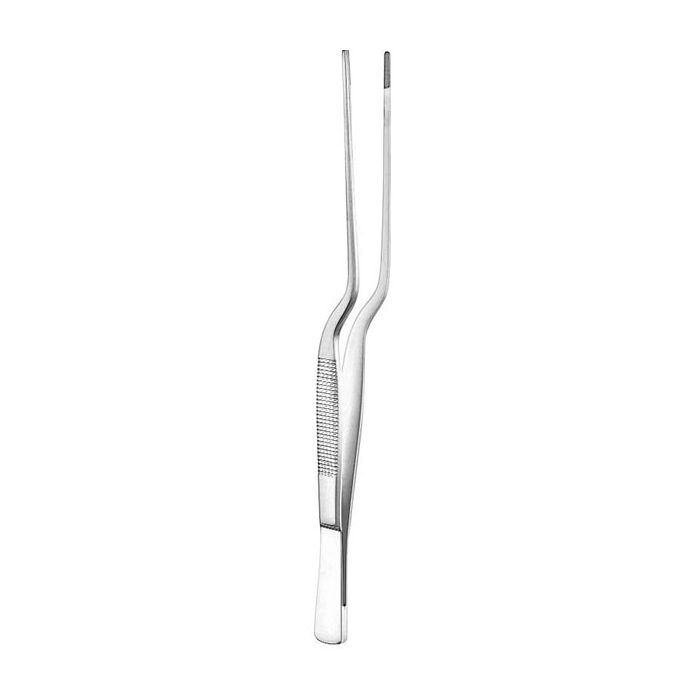
Cushing Bayonet Forceps: The Gold Standard for Precision in Neurosurgery and Spinal Procedures
Welcome to an in-depth guide on the Cushing Bayonet Forceps, a critical instrument in the arsenal of neurosurgeons and orthopedic spine specialists. At Dr. Mohammed Hutaif's practice, we believe in empowering our patients with comprehensive knowledge about the advanced tools and techniques used to ensure the best possible surgical outcomes. This guide will meticulously explore every facet of Cushing Bayonet Forceps, from their unique design to their profound impact on patient care.
1. Comprehensive Introduction & Overview
The Cushing Bayonet Forceps are more than just a surgical tool; they represent a legacy of precision and innovation in delicate surgical fields. Named after the pioneering neurosurgeon Harvey Cushing, these forceps are distinguished by their characteristic bayonet-shaped shaft, where the handles are offset from the working tips. This unique design is not merely aesthetic; it is a fundamental ergonomic feature that significantly enhances the surgeon's line of sight, especially when operating in deep, narrow surgical cavities such as those encountered in cranial or spinal surgery.
Primarily utilized for grasping, holding, and manipulating delicate tissues, vessels, nerves, and small bone fragments, these forceps are indispensable in procedures where accuracy and minimal tissue trauma are paramount. Their evolution has seen various tip configurations and material enhancements, all aimed at optimizing surgical performance and improving patient safety and outcomes. In orthopedic spine surgery, their role is crucial for microdiscectomy, laminectomy, and fusion procedures, allowing surgeons to work with unparalleled precision around vital neural structures.
2. Deep-Dive into Technical Specifications / Mechanisms
The efficacy of Cushing Bayonet Forceps lies in their meticulously engineered design and material composition.
Design Features:
- Bayonet Shaft: The defining feature. The shaft is angled or offset, typically with a Z-shape, positioning the surgeon's hand and fingers out of the direct line of sight to the surgical field. This provides an unobstructed view, crucial when working under a microscope or loupes in deep cavities.
- Jaw Types & Tips: The working ends come in a variety of configurations, each tailored for specific tasks:
- Smooth Jaws: Ideal for atraumatic grasping of delicate tissues like nerves, vessels, or dura mater, minimizing crushing or tearing.
- Serrated Jaws: Offer a more secure grip on tougher tissues, fibrous capsules, or disc fragments, preventing slippage.
- Toothed Jaws (e.g., 1x2 teeth): Provide an even stronger, more secure hold, often used for bone fragments or dense tissue where a firm grip is essential.
- Fenestrated Jaws: Feature openings to reduce the amount of tissue compressed, often used for specific tissue types or for retrieving small foreign bodies.
- Tip Variations: Tips can be straight, angled (e.g., 45 or 90 degrees), curved, or extra-fine, allowing access to difficult anatomical locations and manipulation around obstacles.
- Handle Design:
- Spring-Loaded Handles: Common in micro-forceps, offering a fine, controlled grip with minimal hand fatigue.
- Ring Handles: Provide a more traditional, secure grip, often used when slightly more force or sustained holding is required.
- Lengths: Available in various lengths (e.g., 18 cm to 23 cm or longer) to accommodate different surgical depths and approaches.
Materials:
The choice of material directly impacts the instrument's durability, performance, and compatibility with sterilization processes.
* High-Grade Surgical Stainless Steel: The most common material (e.g., AISI 420, 440A). It offers excellent corrosion resistance, strength, and biocompatibility. Its hardness allows for precise machining and edge retention.
* Tungsten Carbide (TC) Inserts: Often integrated into the jaws of serrated forceps. TC is significantly harder than stainless steel, providing superior grip, enhanced durability, and extended lifespan of the instrument. It also helps maintain jaw alignment over repeated use.
* Titanium: Used for specific applications. Titanium instruments are lighter, non-magnetic (beneficial in MRI environments, though not typically used during scans), and offer high corrosion resistance. They also produce less glare under surgical lights, improving visibility.
Biomechanics and Mechanism:
The forceps operate on a simple lever principle. The precision-machined pivot point ensures smooth, controlled jaw closure. The spring tension (for spring-loaded types) or the mechanical advantage of the ring handles allows the surgeon to apply controlled force. The bayonet design's biomechanical advantage is purely visual, moving the bulk of the hand away from the operative field, thereby enhancing the surgeon's ability to see and maneuver with greater confidence and accuracy. This reduces strain on the surgeon's neck and eyes, contributing to better focus during lengthy procedures.
3. Extensive Clinical Indications & Usage
Cushing Bayonet Forceps are indispensable across a spectrum of neurosurgical and orthopedic spinal procedures. Their primary role is in atraumatic tissue handling, which is critical to preserving delicate structures.
Detailed Surgical Applications:
- Neurosurgery (Cranial):
- Brain Tumor Resection: Grasping and manipulating tumor fragments, delicate blood vessels, or surrounding brain parenchyma with minimal damage.
- Aneurysm Clipping: Precisely positioning clips, manipulating surrounding tissue, or handling small vessel walls.
- Arteriovenous Malformation (AVM) Excision: Delicate dissection and coagulation of abnormal vascular structures.
- Cranial Nerve Decompression: Gently manipulating nerves or surrounding structures to relieve compression.
- Orthopedic Spine Surgery:
- Microdiscectomy: A cornerstone application. Used to grasp and remove herniated disc fragments from around compressed nerve roots, requiring meticulous precision to avoid neural damage.
- Laminectomy/Laminoplasty: Removing small pieces of bone (lamina) or ligamentum flavum to decompress the spinal cord or nerve roots. The fine tips can access tight spaces.
- Spinal Fusion Procedures: Preparing vertebral endplates by removing soft tissue or small bone spurs, manipulating bone grafts, or retrieving small debris.
- Foraminotomy: Enlarging the neural foramen to relieve nerve root compression, often involving removal of small osteophytes or soft tissue.
- Spinal Cord Tumor Resection: Similar to cranial tumor resection, requiring ultra-delicate handling of the spinal cord and surrounding structures.
- Peripheral Nerve Surgery:
- Nerve Repair/Grafting: Handling and aligning nerve fascicles during microsurgical repair.
- Carpal Tunnel Release/Ulnar Nerve Transposition: Manipulating nerves and surrounding soft tissues without injury.
- General Orthopedics (Specialized Cases):
- Hand and Wrist Surgery: For very fine dissection and manipulation of small tendons, nerves, and vessels.
- Arthroscopy: Retrieval of small loose bodies or manipulation of sutures in confined joint spaces, though specialized arthroscopic graspers are more common.
Fitting/Usage Instructions (General Principles for Surgeons):
- Selection: Choose the forceps with the appropriate jaw type (smooth, serrated, toothed) and tip configuration (straight, angled, fine) for the specific tissue and depth of the surgical field.
- Grip: Typically held with a "pencil grip" for maximum dexterity and fine motor control, especially for micro-procedures. For more substantial tissue, a modified palmar grip might be used.
- Visualization: Always operate under magnification (surgical microscope or loupes). The bayonet design allows the surgeon to maintain clear visualization of the tips and target tissue.
- Delicate Handling: Apply only the necessary force. The goal is to grasp, not crush. Avoid sudden movements.
- Angulation: Use the instrument's angle to your advantage to approach structures from the optimal direction, minimizing retraction on surrounding tissues.
- Avoid Overloading: Do not attempt to grasp tissue that is too large or too tough for the forceps, as this can damage the instrument and compromise patient safety.
4. Risks, Side Effects, or Contraindications
While indispensable, the use of Cushing Bayonet Forceps carries inherent risks if not handled correctly or if misapplied.
Risks Associated with Improper Use:
- Tissue Damage: The most significant risk. Improper force or technique can lead to:
- Nerve Injury: Crushing, tearing, or stretching of delicate neural structures (spinal cord, nerve roots, cranial nerves), potentially leading to neurological deficits.
- Vessel Damage: Puncturing or tearing blood vessels, leading to hemorrhage.
- Dural Tear: Accidental perforation of the dura mater (the protective covering of the brain and spinal cord), which can cause cerebrospinal fluid (CSF) leaks, increasing the risk of infection (meningitis) or headache.
- Parenchymal Damage: Direct injury to brain or spinal cord tissue.
- Incomplete Pathology Removal: If tissue is poorly grasped or manipulated, it may lead to incomplete removal of disc fragments, tumors, or other pathology, necessitating further intervention.
- Instrument Breakage: Although rare with proper use, excessive force or attempting to use the forceps for tasks they are not designed for (e.g., heavy bone removal) can cause jaw misalignment, tip bending, or even shaft breakage, potentially leaving fragments in the surgical field.
- Infection: As with any surgical instrument, inadequate sterilization can lead to surgical site infections.
Contraindications:
- Heavy Bone Manipulation: These forceps are not designed for removing large or dense bone. Specialized bone rongeurs or osteotomes are required for such tasks.
- Cutting: They are grasping instruments, not cutting instruments. Attempting to cut tissue can damage the forceps and lead to ineffective or traumatic tissue division.
- Blunt Dissection over Large Areas: While useful for delicate dissection, they are not ideal for broad blunt dissection; other instruments like dissectors or spatulas are more appropriate.
Limitations:
- Precision Focus: Their design is optimized for precision, meaning they are less efficient for tasks requiring broad manipulation or significant force.
- Requires Skilled Hands: The delicate nature of the instrument and the tissues it handles demand highly skilled and experienced surgeons.
5. Expert Tips from Dr. Mohammed Hutaif
As an orthopedic spine specialist, I have relied on the precision of Cushing Bayonet Forceps throughout my career. Here are my key recommendations for optimizing their use and ensuring superior patient outcomes:
- Prioritize Visualization: The bayonet design is a gift for visibility. Always ensure your microscope or loupes are perfectly focused, and the surgical field is well-lit and clear. Never operate blindly.
- "Feel" the Tissue: Develop a tactile sense for the tissue you are grasping. Smooth jaws are for the most delicate structures; serrated jaws offer a firmer, but still gentle, grip on disc material or fibrous tissue.
- Choose Wisely: Have a range of Cushing Bayonet Forceps available – different jaw types, tip angles, and lengths. Don't try to make one instrument do everything. The right tool for the right job is paramount.
- Regular Inspection is Critical: Before every procedure, visually inspect the tips for alignment, sharpness (if applicable), and any signs of damage. A slight misalignment can compromise precision and increase risk.
- Ergonomics for the Surgeon: Long procedures can lead to fatigue. The bayonet design helps, but proper posture, wrist support, and breaks are essential for maintaining steady hands and focus.
- Team Communication: Ensure your scrub tech or assistant understands your preferences for specific forceps and can anticipate your needs, minimizing delays and maintaining focus.
- Gentle is Key: In neuro-spine surgery, every millimeter matters. Treat every tissue with the utmost respect. The goal is to remove pathology while preserving everything else perfectly intact.
6. Massive FAQ Section
Q1: What is the primary distinguishing feature of Cushing Bayonet Forceps?
A1: Their unique "bayonet" shaped shaft, which offsets the surgeon's hand and fingers from the working tips. This design provides an unobstructed line of sight to the surgical field, especially critical in deep, narrow cavities.
Q2: Are these forceps exclusively used in brain surgery?
A2: While originally developed for neurosurgery, their application has broadened significantly. They are extensively used in orthopedic spine surgery (e.g., microdiscectomy, laminectomy), peripheral nerve surgery, and even specialized hand surgery due to their precision and ability to handle delicate structures.
Q3: What materials are Cushing Bayonet Forceps typically made from?
A3: Most commonly, they are crafted from high-grade surgical stainless steel. Some variations feature tungsten carbide inserts in the jaws for enhanced grip and durability, while others are made from titanium for lighter weight, non-magnetic properties, and reduced glare.
Q4: How are Cushing Bayonet Forceps sterilized after use?
A4: Like most reusable surgical instruments, they undergo rigorous sterilization protocols, typically steam sterilization (autoclaving). This involves cleaning, disinfection, and then exposure to high-pressure steam at specific temperatures and durations to eliminate all microbial life.
Q5: Can Cushing Bayonet Forceps be used for removing bone?
A5: They are primarily designed for grasping and manipulating soft tissues, disc fragments, or very small, delicate bone chips. They are not intended for removing large or dense bone structures, for which specialized bone rongeurs or osteotomes are used. Misuse can damage the instrument and risk patient safety.
Q6: What is the difference between smooth and serrated jaw Cushing Bayonet Forceps?
A6:
* Smooth Jaws: Designed for atraumatic handling of extremely delicate tissues like nerves, blood vessels, or dura, minimizing the risk of crushing or tearing.
* Serrated Jaws: Provide a more secure grip on tougher or fibrous tissues such as disc fragments or connective tissue, preventing slippage during manipulation.
Q7: How does the bayonet shape directly benefit the surgeon during a procedure?
A7: By displacing the surgeon's hand and fingers from the direct visual path to the surgical site, the bayonet shape prevents visual obstruction. This allows the surgeon to maintain a clear, magnified view of the target tissue and instrument tips, crucial for precision in micro-surgical environments.
Q8: Are there different sizes or lengths of Cushing Bayonet Forceps available?
A8: Yes, they come in a variety of lengths (e.g., 18 cm to 23 cm or longer) and with different tip sizes and angles. This range allows surgeons to select the most appropriate instrument for the specific depth and anatomy of the surgical field.
Q9: What is the expected lifespan of these instruments with proper care?
A9: With meticulous cleaning, proper handling, correct sterilization, and regular inspection, high-quality Cushing Bayonet Forceps can last many years, often decades. Regular maintenance, including sharpening or jaw alignment by specialized instrument repair services, can extend their lifespan significantly.
Q10: How do Cushing Bayonet Forceps contribute to improved patient outcomes?
A10: Their precision design allows surgeons to perform delicate maneuvers with minimal trauma to surrounding healthy tissues. This leads to:
* Reduced risk of nerve or vessel damage.
* More complete removal of pathology.
* Potentially shorter recovery times.
* Lower incidence of postoperative complications.
* Overall enhanced safety and efficacy of complex neuro-spinal procedures.
Q11: Can these forceps be repaired if damaged?
A11: Many types of damage, such as bent tips, misaligned jaws, or dull serrations, can often be repaired by specialized surgical instrument repair services. However, severe damage like shaft breakage usually necessitates replacement. Regular preventive maintenance is always recommended.
Q12: Are there alternatives to Cushing Bayonet Forceps for similar tasks?
A12: While other micro-forceps or grasping forceps exist, the unique bayonet offset design for enhanced line of sight is specific to this instrument type. Alternatives might be used for similar tissue handling in less deep or less visually obstructed fields, but for deep neuro-spinal work, the Cushing Bayonet Forceps are often preferred due to their unique ergonomic advantage.