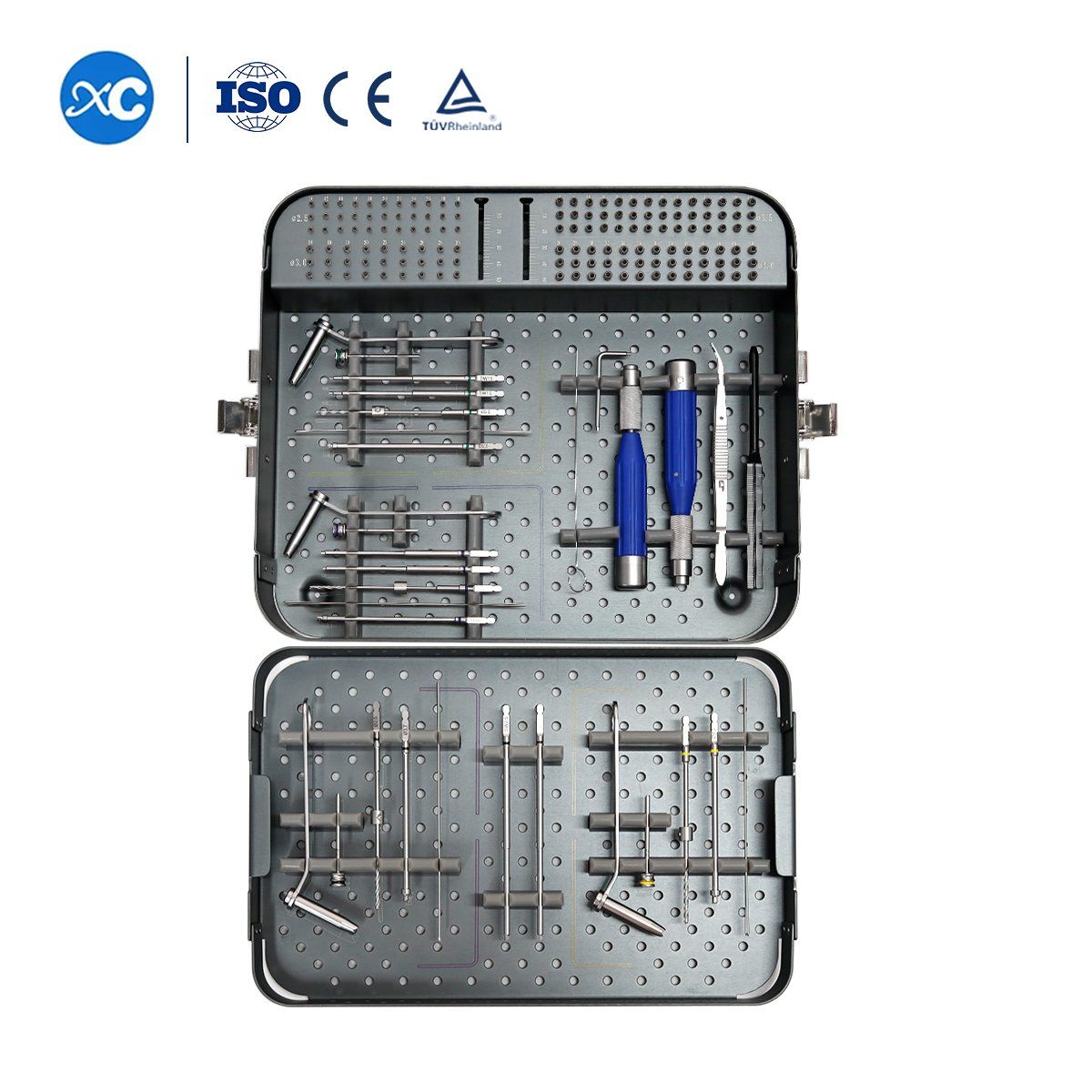
The Ultimate Medical SEO Guide to Cortical Bone Screws (2.7mm, 3.5mm, 4.5mm)
1. Comprehensive Introduction & Overview
Cortical bone screws are fundamental instruments in orthopedic and trauma surgery, engineered for robust fixation within the dense outer layer of bone known as the cortex. Unlike cancellous screws designed for the softer, spongy inner bone, cortical screws feature a distinctive thread profile optimized for maximum purchase and stability in cortical bone. This comprehensive guide delves into the intricate world of cortical bone screws, specifically focusing on the widely utilized 2.7mm, 3.5mm, and 4.5mm diameters.
These screws are indispensable for achieving rigid internal fixation of fractures, facilitating osteotomies, and providing stable constructs in various orthopedic procedures. Their precision engineering ensures mechanical stability, which is paramount for promoting primary bone healing, reducing complications, and ultimately improving patient outcomes. From the delicate bones of the hand and foot to the load-bearing long bones, cortical screws offer tailored solutions for a myriad of clinical scenarios, making them a cornerstone of modern orthopedic practice.
2. Deep-dive into Technical Specifications / Mechanisms
Design & Materials
The efficacy of cortical bone screws stems from their meticulously engineered design and the advanced materials used in their fabrication.
Design Characteristics:
- Thread Profile: Cortical screws are characterized by shallow, closely spaced, and sharp threads with a relatively high pitch. This design maximizes the number of threads engaged within the dense cortical bone, providing superior pull-out strength and resistance to stripping compared to cancellous screws.
- Head Type: Common head types include hexagonal, star drive (e.g., Torx®), and occasionally Phillips or flat-head. The choice often depends on the surgeon's preference and the specific driver system. Low-profile heads are often preferred to minimize soft tissue irritation.
- Shaft Configuration: Cortical screws are typically fully threaded, meaning threads extend from the tip to the underside of the screw head. This design is ideal for holding bone fragments against a plate or for providing interfragmentary compression when used in a lag screw technique. Partially threaded cortical screws exist but are less common, often serving specific purposes where a lag effect is desired without a separate overdrilling step.
- Tip Design: Tips can be blunt, trocar-tipped, or self-tapping. Self-tapping screws incorporate flutes at the tip, which cut their own thread path during insertion, potentially simplifying the surgical procedure by eliminating the need for a separate tapping step. However, pre-tapping is often recommended for standard cortical screws to ensure optimal thread purchase and reduce insertion torque.
Materials:
The choice of material is critical for biocompatibility, mechanical strength, and imaging compatibility.
- 316L Stainless Steel:
- Properties: High strength, good corrosion resistance, cost-effective.
- Advantages: Well-established clinical history, excellent mechanical properties for load-bearing applications.
- Disadvantages: Can interfere with MRI imaging (though modern stainless steel screws are often "MRI conditional"), potential for nickel allergy in susceptible patients.
- Titanium Alloys (e.g., Ti-6Al-4V):
- Properties: Excellent biocompatibility, high strength-to-weight ratio, non-ferromagnetic.
- Advantages: Reduced artifact on MRI and CT scans, superior corrosion resistance, potential for osseointegration (direct bone apposition to the implant surface), lower risk of allergic reactions.
- Disadvantages: Generally more expensive than stainless steel.
Sizes and their Characteristics:
The three primary sizes of cortical screws each have distinct applications based on bone dimensions and load requirements:
| Screw Diameter | Typical Applications | Key Characteristics
| 2.7mm | Small bone fragments, hand, foot, wrist, maxillofacial, small joint fusions, ligament reinsertions. | Smallest diameter, requiring precision. Ideal for areas with limited bone stock. Used with small frag sets.
| 3.5mm | Forearm (radius, ulna), ankle, small to medium long bone fractures, small joint fusions, metacarpals/metatarsals. | Most versatile and widely used cortical screw. Offers a good balance of strength and size for many common fracture patterns.