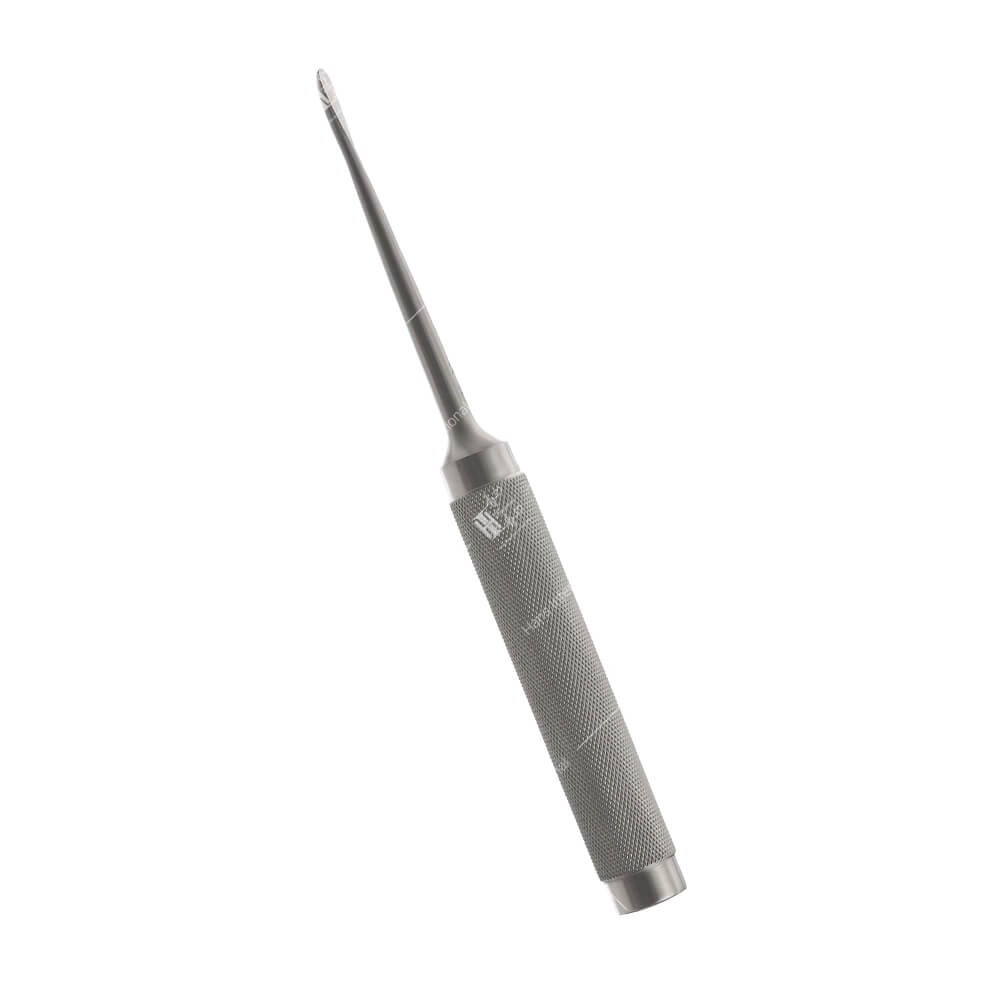
The Cobb Spinal Elevator: A Comprehensive Guide to Precision in Spinal Surgery
1. Comprehensive Introduction & Overview
In the intricate world of spinal surgery, precision and controlled tissue manipulation are paramount. Among the myriad of specialized instruments, the Cobb Spinal Elevator stands out as a fundamental tool, indispensable for surgeons performing delicate procedures on the vertebral column. Designed to safely and effectively elevate and retract soft tissues from bone, this instrument plays a critical role in creating a clear surgical field, protecting vital structures, and facilitating complex spinal reconstructions.
The Cobb Spinal Elevator is not a single, monolithic tool but rather a family of instruments distinguished by their working end – either straight or curved. This variation allows surgeons to adapt to the nuanced anatomy of different spinal regions and surgical approaches. Its primary function involves the careful separation of muscles, ligaments, and periosteum (the membrane covering bones) from the vertebral bodies, laminae, and spinous processes. This meticulous dissection is crucial for gaining optimal access to the spine, whether for decompression, fusion, or deformity correction. This guide will delve into the design, applications, maintenance, biomechanics, and patient benefits associated with the use of the Cobb Spinal Elevator, offering an authoritative perspective for patients seeking to understand the tools involved in their spinal care.
2. Deep-dive into Technical Specifications / Mechanisms
The efficacy of the Cobb Spinal Elevator lies in its thoughtful design and the quality of its materials, engineered for both durability and precision in the demanding surgical environment.
Design and Materials
Cobb Elevators are meticulously crafted from high-grade, medical-grade stainless steel. This material is chosen for several key properties:
* Biocompatibility: Ensures no adverse reactions with biological tissues.
* Corrosion Resistance: Withstands repeated sterilization cycles and exposure to bodily fluids.
* Strength and Durability: Maintains structural integrity under surgical forces.
* Ease of Cleaning: Facilitates thorough sterilization.
Key design elements include:
* Ergonomic Handle: Often textured or contoured to provide a secure, comfortable grip, minimizing hand fatigue and maximizing control for the surgeon.
* Shaft: Varies in length and thickness, designed to reach different depths within the surgical field.
* Working End (Blade): This is the most distinctive feature and comes in various configurations:
* Straight Blades: Ideal for broad, flat surfaces and general periosteal elevation, particularly in the lumbar and thoracic spine where direct access is feasible.
* Curved Blades: Essential for navigating the natural curvature of the spine (e.g., cervical lordosis, thoracic kyphosis) or for reaching around bony prominences and into less accessible areas. The degree of curvature can vary.
* Tip Profile: Typically blunt or semi-blunt, rounded, and flattened to allow for atraumatic separation of tissues without cutting or tearing. Some variations may have a slightly sharpened edge for tougher tissue planes, but the primary function remains elevation, not cutting.
* Width and Length: Available in a range of sizes (e.g., 6mm, 10mm, 15mm widths) to accommodate different patient anatomies and specific surgical requirements.
Mechanism of Action and Biomechanics
The Cobb Spinal Elevator operates on fundamental biomechanical principles, primarily leveraging and controlled force application:
* Leverage: The instrument acts as a lever, with the surgeon's hand applying force to the handle, which is then amplified and directed to the working end. This allows for efficient separation of tissues with minimal effort.
* Controlled Dissection: The blunt, flattened tip is designed to be inserted into a tissue plane (e.g., between muscle and bone or periosteum and bone). By applying gentle, sweeping, and controlled pressure, the surgeon can meticulously "lift" or "peel" tissues away from the bone.
* Periosteal Elevation: Its main mechanical action is to elevate the periosteum, which is crucial because ligaments and muscles often attach directly to this layer. By elevating the periosteum, the surgeon can detach these soft tissues cleanly and expose the underlying bone without unnecessary trauma.
* Creating a Surgical Corridor: Through this controlled dissection, the Cobb Elevator creates and maintains a clear, wide surgical corridor, improving visualization and allowing other instruments (like retractors) to be safely positioned.
* Protecting Neural Structures: A key biomechanical advantage is its blunt nature, which allows for tactile feedback. Surgeons can feel the resistance of tissues and differentiate between soft tissue and bone, reducing the risk of inadvertently damaging delicate neural structures like the spinal cord or nerve roots.
3. Extensive Clinical Indications & Usage
The versatility of the Cobb Spinal Elevator makes it indispensable across a broad spectrum of spinal surgical procedures. Its precise tissue manipulation capabilities are critical for achieving optimal surgical outcomes.
Primary Clinical Indications
-
Spinal Decompression Surgeries:
- Laminectomy: Used to elevate paraspinal muscles and periosteum from the laminae and spinous process to expose the bony structures that need to be removed to relieve pressure on the spinal cord or nerve roots.
- Discectomy: In both open and minimally invasive approaches, it helps in clearing soft tissues to access the intervertebral disc.
- Foraminotomy: Essential for exposing the neural foramen to widen it and decompress nerve roots.
-
Spinal Fusion Procedures:
- Posterior Lumbar Interbody Fusion (PLIF) / Transforaminal Lumbar Interbody Fusion (TLIF): Crucial for exposing the posterior elements of the spine, preparing the vertebral endplates for graft placement, and clearing soft tissues for instrumentation (screws, rods).
- Anterior Lumbar Interbody Fusion (ALIF): While less common, a Cobb can be used in the anterior approach to dissect retroperitoneal tissues from the anterior aspect of the vertebral bodies.
- Debridement: Used to remove diseased or damaged tissue from bone surfaces before fusion.
-
Scoliosis and Spinal Deformity Correction:
- Extensive Exposure: These complex surgeries often require wide exposure of multiple spinal segments. The Cobb Elevator is used to meticulously strip muscles and ligaments to allow for the placement of corrective instrumentation (hooks, screws, rods).
- Correction Maneuvers: Can assist in mobilizing segments during deformity correction.
-
Spinal Tumor Resection:
- Careful Dissection: In cases involving spinal tumors, the Cobb Elevator facilitates careful and controlled dissection around the tumor mass, helping to establish safe margins and protect surrounding vital structures.
-
Spinal Trauma Cases:
- Stabilization Procedures: Used to expose fractured vertebrae or displaced segments for stabilization with internal fixation devices.
Detailed Usage Instructions (Fitting/Usage)
The effective use of a Cobb Spinal Elevator requires skill, anatomical knowledge, and adherence to specific surgical principles:
- Instrument Selection: The surgeon selects the appropriate Cobb Elevator based on the specific anatomical region, the depth of the surgical field, and the curvature required (straight for flatter surfaces, curved for contoured areas or reaching around corners). Width also depends on the size of the bone surface to be elevated.
- Proper Grip: The instrument is typically held with a firm but controlled grip, allowing for precise movements of the working end. The handle's design aids in this ergonomic hold.
- Initial Insertion: The blunt tip is carefully inserted into the desired tissue plane, usually at an anatomical landmark where tissue separation is initiated (e.g., along the spinous process or lamina).
- Controlled Motion: The surgeon employs a series of gentle, sweeping, and pushing motions, always maintaining contact with the bone surface. This ensures that soft tissues are elevated cleanly and that the instrument does not inadvertently stray into delicate structures like the spinal canal.
- Maintaining Visualization: Continuous direct visualization of the instrument's tip and the tissue plane is paramount. This prevents blind dissection and reduces the risk of injury.
- Protecting Vital Structures: When working near nerve roots, the spinal cord, or major blood vessels, the Cobb Elevator is used with extreme caution, often combined with other retractors or protective measures.
- Sequential Elevation: Tissue elevation is often performed in a sequential manner, working from superficial to deeper layers, ensuring a thorough and safe exposure.
- Creating and Maintaining Access: Once tissues are elevated, the Cobb Elevator can also be used to hold them retracted temporarily, or to create space for the placement of surgical retractors that will maintain the surgical corridor throughout the procedure.
4. Risks, Side Effects, or Contraindications
While the Cobb Spinal Elevator is a crucial tool, its misuse or accidental displacement carries inherent risks. Surgeons are highly trained to mitigate these, but patients should be aware of potential complications.
Potential Risks and Side Effects
- Neural Damage:
- Spinal Cord Injury: The most severe risk, potentially leading to paralysis or neurological deficits, if the instrument inadvertently penetrates the spinal canal or directly damages the spinal cord.
- Nerve Root Injury: Damage to individual nerve roots can cause pain, numbness, weakness, or loss of function in the areas supplied by that nerve.
- Vascular Injury:
- Epidural Vein Bleeding: The epidural space contains a network of veins that can be easily lacerated, leading to significant bleeding that obstructs visualization and prolongs surgery.
- Major Vessel Injury: Though rare, injury to major blood vessels (e.g., aorta, vena cava in anterior approaches) can be life-threatening.
- Dural Tear: The dura mater is the tough outer membrane enclosing the spinal cord and cerebrospinal fluid. An accidental tear can lead to cerebrospinal fluid (CSF) leakage, potentially causing headaches, infection, or requiring further surgical repair.
- Bone Fracture: Excessive or misdirected force can lead to fractures of delicate bony structures like the spinous process, lamina, or facet joints.
- Incomplete Tissue Removal or Damage: Poor technique can result in incomplete periosteal elevation, leaving soft tissues attached, or causing unnecessary trauma to surrounding healthy tissues.
- Infection: As with any surgical instrument, improper sterilization can lead to surgical site infection.
- Instrument Breakage: Although rare with high-quality instruments, mechanical failure (e.g., tip bending or breaking) can occur, requiring retrieval of fragments and potentially delaying the procedure.
Contraindications
The Cobb Spinal Elevator is generally contraindicated for:
* Cutting Bone: It is an elevator, not an osteotome or rongeur. Using it to cut or chip bone can damage the instrument and the bone.
* Improper Technique/Insufficient Training: Use by untrained personnel or with incorrect technique significantly increases risks.
* Sterilization Compromise: Any instrument that is not sterile should never be used in surgery.
* Damaged Instrument: An instrument that shows signs of wear, corrosion, or damage should not be used.
5. Expert Tips from Dr. Mohammed Hutaif
As an orthopedic specialist with extensive experience in spinal surgery, Dr. Mohammed Hutaif emphasizes the art and science behind using the Cobb Spinal Elevator effectively and safely.
- "Always prioritize patient safety and anatomical understanding. Before making any incision, visualize the underlying anatomy and anticipate the trajectory of your instrument. A thorough understanding of spinal landmarks and surrounding vital structures is your most powerful guide."
- "Choose the right curve/straightness for the specific spinal segment and approach. Don't force a straight elevator where a curved one is needed, and vice versa. Matching the instrument to the anatomy minimizes trauma and maximizes efficiency."
- "Use gentle, controlled pressure, letting the instrument do the work, not brute force. The Cobb Elevator is designed for precise dissection. If you encounter significant resistance, reassess your plane of dissection rather than applying excessive force, which can lead to inadvertent injury."
- "Maintain constant visual feedback to avoid inadvertent injury. Never perform blind dissection. Always ensure you can see the tip of your instrument and the tissue plane you are working in. If visualization is compromised, stop, clear the field, and regain your view."
- "Regularly inspect instruments for wear and tear to ensure optimal performance. A dull or damaged tip can increase tissue trauma. A corroded instrument is a risk for infection. Diligent pre-operative checks are non-negotiable."
- "Team communication is key – ensure the surgical assistant anticipates needs. A well-coordinated surgical team can enhance efficiency and safety. The assistant should be ready with suction, sponges, and retractors as needed, allowing the surgeon to maintain focus."
- "Remember that the Cobb is an elevator, not a retractor. While it can temporarily hold tissues, prolonged retraction with a Cobb can cause undue pressure. Utilize dedicated retractors once a surgical corridor is established."
6. Massive FAQ Section
Here are some frequently asked questions regarding the Cobb Spinal Elevator:
Q1: What is a Cobb Spinal Elevator primarily used for in surgery?
A1: The Cobb Spinal Elevator is primarily used in spinal surgery to carefully separate and elevate soft tissues, such as muscles, ligaments, and the periosteum (the membrane covering bone), away from the vertebral column. This action exposes the underlying bone structures, creating a clear surgical field for procedures like decompression, fusion, or deformity correction.
Q2: What materials are Cobb Elevators typically made from, and why?
A2: Cobb Elevators are typically made from high-grade medical stainless steel. This material is chosen for its excellent biocompatibility (it doesn't react adversely with body tissues), superior corrosion resistance (to withstand repeated sterilization), strength, durability, and ease of cleaning, all of which are crucial for surgical instruments.
Q3: Why are there both straight and curved versions of the Cobb Elevator?
A3: The availability of straight and curved versions allows surgeons to adapt to the complex and varied anatomy of the spine. Straight elevators are ideal for broad, flat surfaces and direct access, while curved elevators are essential for navigating the natural curves of the spine (e.g., cervical or thoracic regions) and reaching around bony prominences or into tighter spaces, providing optimal exposure with minimal trauma.
Q4: How is a Cobb Elevator sterilized after use?
A4: After each use, Cobb Elevators undergo a rigorous sterilization protocol. This typically involves manual pre-cleaning to remove gross contaminants, followed by ultrasonic cleaning, rinsing, drying, and finally, high-level sterilization, most commonly using steam sterilization (autoclaving) at specific temperature and pressure parameters to kill all microorganisms.
Q5: What are the biomechanical principles behind its effective use?
A5: The Cobb Elevator works on the principle of leverage, allowing the surgeon to apply controlled force to separate tissues from bone. Its blunt, flattened tip is designed to glide along the bone surface, lifting the periosteum and attached soft tissues without cutting. This controlled, atraumatic dissection minimizes damage to surrounding structures and optimizes surgical exposure.
Q6: Can the Cobb Spinal Elevator be used for non-spinal surgeries?
A6: While primarily designed and named for spinal applications, similar "elevators" or "dissectors" with blunt tips and varying curvatures are used in other orthopedic procedures (e.g., joint replacement for periosteal elevation) or general surgery for tissue dissection. However, the "Cobb Spinal Elevator" specifically refers to its role in spine surgery.
Q7: How does the precise use of a Cobb Elevator contribute to improved patient outcomes?
A7: Precise use of a Cobb Elevator contributes significantly to improved patient outcomes by:
* Minimizing soft tissue trauma, leading to less post-operative pain and faster recovery.
* Creating a clear surgical field, which reduces operative time and blood loss.
* Protecting vital neural and vascular structures from injury.
* Enabling accurate placement of implants and effective decompression, leading to better long-term functional results.
Q8: What level of training is required for a surgeon to use this instrument effectively?
A8: Surgeons, particularly orthopedic surgeons and neurosurgeons specializing in spine, undergo extensive training. This includes years of medical school, residency, and often a fellowship in spine surgery. They learn the proper technique for using instruments like the Cobb Elevator through cadaveric dissection, simulated surgeries, and supervised procedures, ensuring a deep understanding of spinal anatomy and surgical principles.
Q9: Are there different sizes or widths of Cobb Elevators available?
A9: Yes, Cobb Elevators are available in a variety of sizes, primarily differing in the width and length of their working blades. Common widths range from a few millimeters (e.g., 6mm) to wider versions (e.g., 10mm, 15mm or more), allowing surgeons to select the most appropriate instrument for the specific bone surface and surgical requirement.
Q10: What are some potential alternatives to a Cobb Elevator for tissue dissection in spine surgery?
A10: While highly specialized, alternatives or complementary instruments for tissue dissection include:
* Periosteal Elevators (e.g., Sayre, Freer): Similar function but often with different tip designs or curvatures, used for more delicate or specific areas.
* Bipolar Cautery: Can be used for dissecting soft tissues while simultaneously achieving hemostasis (stopping bleeding).
* Blunt Dissectors: Other blunt-tipped instruments used for separating tissues.
* Finger Dissection: In some cases, blunt finger dissection can be used for broad tissue planes.
Q11: How often should Cobb Elevators be replaced or inspected for wear?
A11: Cobb Elevators are durable instruments, but they should be inspected before every use and during sterilization cycles for any signs of wear, corrosion, bending, or dullness of the tip. While there's no fixed replacement schedule, any instrument showing signs of degradation that could compromise its function or patient safety should be immediately removed from service and replaced.
Q12: Is the Cobb Spinal Elevator a reusable or single-use instrument?
A12: The vast majority of Cobb Spinal Elevators are reusable instruments. They are designed for repeated sterilization and use, provided they are properly maintained, inspected, and remain in optimal condition. Single-use versions are rare for this type of instrument due to the materials and manufacturing costs involved.