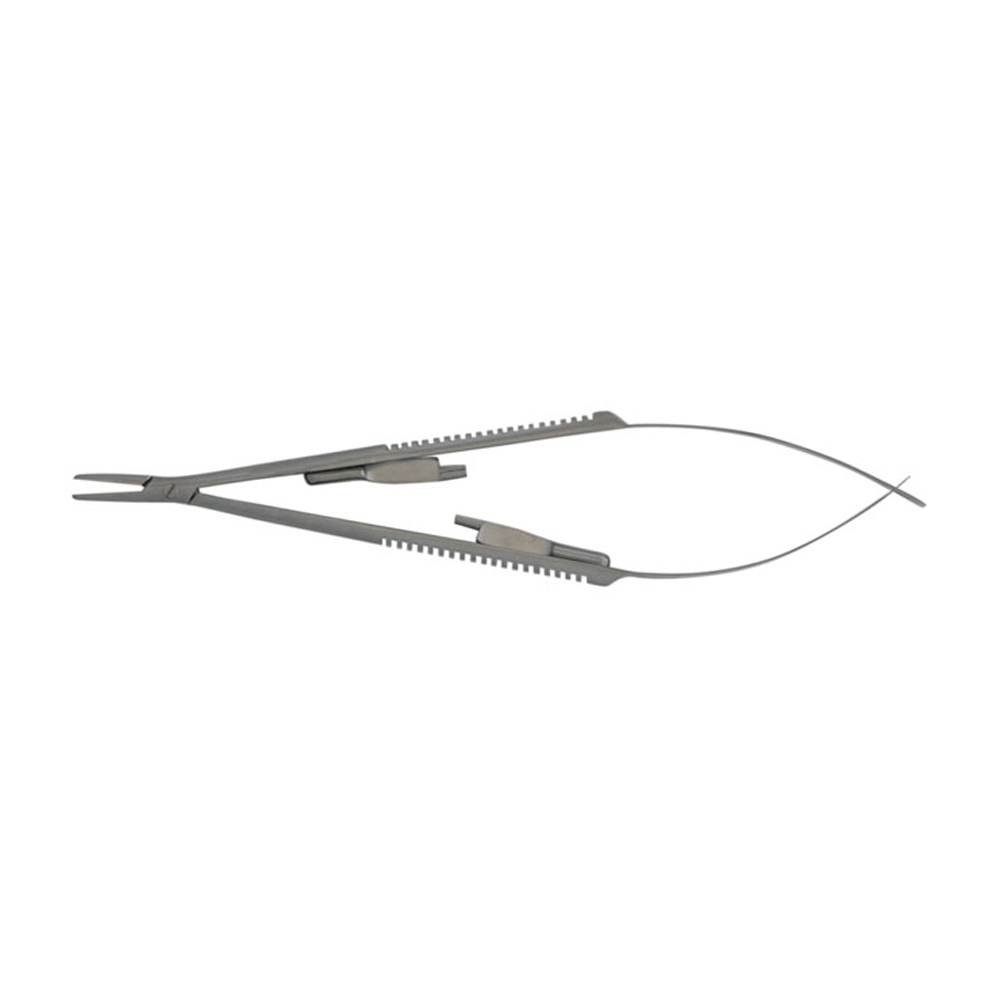
The Castroviejo Needle Holder: An Orthopedic Surgeon's Essential Precision Tool
In the intricate world of orthopedic surgery, where precision can dictate the success of a procedure and the quality of a patient's recovery, specialized instruments are not just helpful – they are indispensable. Among these, the Castroviejo Needle Holder stands out as a paragon of design, functionality, and ergonomic excellence. Originally designed for the delicate nuances of ophthalmology by Dr. Ramon Castroviejo, its unparalleled precision and fine control have transcended its initial purpose, making it a critical instrument in a wide array of surgical subspecialties, particularly in micro-orthopedic and reconstructive procedures.
This comprehensive guide delves into every facet of the Castroviejo Needle Holder, from its sophisticated design and materials to its detailed surgical applications, maintenance protocols, and profound impact on patient outcomes. As expert medical SEO copywriters and orthopedic specialists, we aim to provide an authoritative resource for surgeons, surgical technologists, and anyone interested in the pinnacle of surgical instrumentation.
Deep-dive into Technical Specifications & Mechanisms
The Castroviejo Needle Holder is not merely a tool for grasping needles; it is a meticulously engineered extension of the surgeon's hand, designed to facilitate the most delicate suturing tasks with unwavering accuracy.
Design and Materials
The hallmark of the Castroviejo design lies in its elegant simplicity and robust construction, optimized for micro-surgical environments.
- Construction Material: Typically fabricated from high-grade surgical stainless steel (e.g., 420 or 440A series), known for its exceptional corrosion resistance, strength, and ability to withstand repeated sterilization cycles. Some premium versions may feature titanium for reduced weight, enhanced biocompatibility, and anti-magnetic properties, though less common for standard orthopedic use.
- Jaws and Tips:
- Fine, Tapered Jaws: The most distinctive feature, allowing for an unobstructed view of the surgical field. Jaws can be straight or subtly curved, catering to different angles of approach.
- Smooth or Serrated: While some versions have delicate serrations, many Castroviejo needle holders feature smooth jaws, often integrated with diamond-dusted inserts. These micro-fine diamond particles provide an unparalleled grip on even the smallest, most delicate needles (e.g., 8-0 to 12-0 sutures) without crushing them, offering superior traction compared to traditional serrations.
- Handle Design:
- Spring-Loaded Mechanism: Unlike traditional ratcheted needle holders, the Castroviejo typically employs a spring-loaded "squeeze-to-release" or "reverse action" locking mechanism. This allows for quick, effortless opening and closing, significantly reducing hand fatigue during prolonged procedures.
- Ergonomic Finger Loops: Designed for a comfortable, precise "pencil grip" or "tripod grip," enhancing control and tactile feedback. The loops are often rounded and smooth to prevent discomfort.
- Overall Form Factor: Generally slender and lightweight, available in various lengths (e.g., 11.5 cm to 18 cm) to suit different surgical depths and approaches. The balance of the instrument is crucial for precision.
Biomechanics and Mechanism of Action
The biomechanical advantages of the Castroviejo are central to its efficacy in micro-orthopedics:
- Precision Grip: The fine jaws and optional diamond inserts ensure a secure, non-slip grip on the needle, preventing rotation or slippage during passage through tissue. This is critical for maintaining the intended trajectory and depth of the suture.
- Reduced Hand Fatigue: The spring-loaded mechanism eliminates the need for repeated engagement and disengagement of a ratchet lock. Surgeons can maintain a consistent, light grip, minimizing muscle strain over long cases. This direct, tactile feedback system enhances proprioception.
- Enhanced Tactile Feedback: The absence of a bulky ratchet mechanism and the direct spring action provide surgeons with superior tactile feedback, allowing them to "feel" the resistance of the tissue and the passage of the needle with greater sensitivity. This is invaluable in delicate tissue manipulation.
- Optimal Leverage: The design ensures that the force applied by the surgeon's fingers is efficiently translated to the jaws, providing adequate power to pass needles through tough tissues while maintaining delicate control for finer layers.
- Unobstructed View: The slender profile of the instrument minimizes obstruction of the surgical field, which is paramount in microsurgical procedures where visibility is often limited.
Extensive Clinical Indications & Usage
While born from ophthalmology, the Castroviejo Needle Holder's attributes make it indispensable across numerous surgical disciplines, particularly those involving fine suturing and delicate tissue approximation.
Primary Orthopedic Applications
In orthopedics, the Castroviejo is a workhorse for procedures demanding extreme precision:
- Hand and Wrist Surgery:
- Tendon Repair: Microsurgical repair of flexor and extensor tendons, where accurate approximation of tendon ends is vital for functional recovery.
- Nerve Repair: Coaptation of peripheral nerves (e.g., median, ulnar, radial nerve repair) requiring fine epineurial or perineurial suturing.
- Microvascular Anastomoses: Replantation surgery, free flap transfers for reconstruction, where arterial and venous connections demand sutures as fine as 9-0 or 10-0.
- Ligament Repair: Delicate ligament repairs in the wrist or fingers where strong, precise apposition is needed.
- Foot and Ankle Surgery: Similar to hand surgery, for intricate tendon and nerve repairs, especially in reconstructive procedures.
- Arthroscopic Surgery: Increasingly used in arthroscopic procedures for precise meniscal repair, labral repair, or rotator cuff repair when working with small needles and sutures in confined joint spaces. Its slender profile and precise control are advantageous.
- Spine Surgery (Micro-discectomy/Decompression): For dural repair or other delicate tissue handling where minimal disruption is key.
- Pediatric Orthopedics: For the repair of small structures in pediatric patients.
Other Significant Surgical Applications
Beyond orthopedics, its utility is widespread:
- Ophthalmology: Corneal suturing, scleral suturing, cataract surgery, glaucoma surgery.
- Plastic and Reconstructive Surgery: Microvascular surgery (replantation, free tissue transfer), nerve grafts, skin flap closure.
- Neurosurgery: Microvascular decompression, dural repair, peripheral nerve surgery.
- Vascular Surgery: Small vessel anastomoses, delicate vessel repair.
- ENT Surgery: Micro-laryngeal surgery, delicate reconstructive procedures.
Fitting and Usage Instructions
Proper handling of the Castroviejo is crucial for maximizing its benefits and ensuring patient safety:
- Grip: Hold the instrument like a pen or pencil, using a tripod grip (thumb, index, and middle finger). The spring-loaded mechanism allows for a light, controlled grip.
- Needle Loading:
- Grasp the needle approximately two-thirds of the way from its swaged end (where the suture attaches). This provides optimal control and leverage.
- Ensure the needle is held securely in the jaws, perpendicular to the jaw tips or slightly angled depending on the desired curve of passage.
- Verify the diamond-dusted tips (if present) are clean and free of debris to ensure maximum grip.
- Suture Passage:
- Use a controlled, deliberate motion to pass the needle through the tissue. The precision tips allow for accurate placement.
- Avoid excessive force, which can damage the needle or the tissue.
- The spring-loaded action allows for rapid release and regrasp of the needle as it emerges from the tissue.
- Locking Mechanism (if applicable): Some Castroviejo models include a squeeze-to-lock or reverse-action mechanism. Understand how to engage and disengage it smoothly without disrupting the surgical field. Practice this movement beforehand.
- Ergonomics: Maintain a comfortable posture. The ergonomic design of the Castroviejo is intended to reduce strain, but proper body mechanics are still essential for prolonged delicate work.
Maintenance and Sterilization Protocols
The longevity and performance of a Castroviejo Needle Holder are directly dependent on meticulous care and adherence to strict sterilization protocols.
Immediate Post-Use Care
- Rinsing: Immediately after use, rinse the instrument thoroughly under cool or lukewarm running water to remove gross contaminants (blood, tissue). Do not use hot water, as it can coagulate proteins, making them harder to remove.
- Disassembly (if applicable): While most Castroviejo holders are single-piece, ensure any removable components (rare) are separated for thorough cleaning.
Cleaning
Proper cleaning is the most critical step in preventing infection and preserving instrument integrity.
- Manual Cleaning:
- Immerse the instrument in an enzymatic cleaning solution, following the manufacturer's dilution and soak time recommendations.
- Use a soft brush (never abrasive pads or wire brushes) to meticulously clean all surfaces, paying close attention to the jaws, hinge, and finger loops.
- Rinse thoroughly with distilled or deionized water to remove all detergent residue.
- Ultrasonic Cleaning:
- If using an ultrasonic cleaner, place the instrument in an appropriate basket, ensuring it does not touch other instruments to prevent damage.
- Use an enzymatic solution specifically designed for ultrasonic cleaning.
- Follow the manufacturer's recommended cycle time and temperature.
- Rinse thoroughly after the cycle.
- Automated Washer-Disinfectors: If available and approved for delicate instruments, follow the machine's specific cycle for fine instruments.
- Lubrication: After cleaning and drying, apply a water-soluble surgical instrument lubricant (instrument milk) to the hinge and spring mechanism. This prevents rust, maintains smooth action, and extends the instrument's life.
Inspection
Before sterilization, each instrument must be rigorously inspected:
- Jaw Alignment and Integrity: Check that the jaws meet perfectly and are free from nicks, bends, or damage. Ensure diamond inserts are intact.
- Spring Action: Verify the spring mechanism provides smooth, consistent tension and returns the jaws to the open position without sticking.
- Locking Mechanism: If present, ensure the locking mechanism engages and disengages smoothly and securely.
- Corrosion/Pitting: Inspect for any signs of rust, pitting, or discoloration, which indicate compromised material and potential for infection.
- Overall Condition: Check for any cracks, bends, or signs of wear.
Sterilization
Steam sterilization (autoclaving) is the preferred method for Castroviejo Needle Holders.
- Packaging:
- Place the instrument in a sterile peel pack, surgical wrap, or rigid sterilization container, ensuring the jaws are slightly open to allow steam penetration.
- Label the package clearly with the contents, date of sterilization, and sterilizer identification.
- Autoclave Parameters:
- Gravity Displacement: 15-30 minutes at 250°F (121°C) with a 15-minute dry time.
- Pre-vacuum: 4 minutes at 270°F (132°C) with a 20-30 minute dry time.
- Always follow the instrument manufacturer's and sterilizer manufacturer's guidelines.
- Flash Sterilization: While possible in emergencies, it is generally discouraged for delicate instruments as it reduces dry time and increases risk of condensation, compromising sterility.
Storage
Store sterilized instruments in a clean, dry, and protected environment, away from dust and extreme temperatures, until ready for use.
Risks, Side Effects, or Contraindications
While an invaluable tool, awareness of potential risks and limitations is important.
Risks Related to Instrument Use
- Tissue Trauma: Improper technique or excessive force can lead to inadvertent damage to delicate tissues, especially in microsurgical fields.
- Needle Slippage: If the jaws are worn, dirty, or the diamond inserts are compromised, the needle may slip, potentially causing patient injury or requiring repeated attempts.
- Instrument Damage: Dropping the instrument or using it for purposes other than intended (e.g., as a heavy-duty clamp) can bend the delicate tips or damage the spring mechanism.
- Infection: Inadequate cleaning or sterilization protocols can lead to surgical site infections.
- Suture Damage: Improper grasping of the suture itself (rather than the needle) can weaken or fray the suture material.
Contraindications
- Heavy-Duty Suturing: The Castroviejo is not designed for large, robust needles or for procedures requiring significant force to pass sutures through dense, fibrous tissue (e.g., some deep orthopedic closures). Its delicate tips can be damaged.
- Compromised Instrument: Never use a damaged, corroded, or improperly functioning Castroviejo Needle Holder. This poses a significant risk to patient safety and surgical outcomes.
Patient Outcome Improvements
The precision offered by the Castroviejo Needle Holder directly translates into tangible benefits for patients, particularly in complex orthopedic and reconstructive surgeries.
- Reduced Tissue Trauma: The fine tips and secure grip minimize the manipulation and crushing of delicate tissues, leading to less inflammation, scarring, and post-operative pain.
- Enhanced Repair Integrity: Accurate placement and approximation of sutures, especially in structures like tendons, nerves, and microvessels, result in stronger, more anatomically correct repairs. This is fundamental for optimal healing and functional recovery.
- Lower Complication Rates: Precise suturing reduces the risk of complications such as dehiscence (wound separation), nerve impingement, or vascular occlusion in micro-anastomoses.
- Improved Functional Recovery: In hand, foot, and reconstructive surgeries, the ability to meticulously repair small structures leads to better restoration of mobility, sensation, and overall function. For example, precise nerve repair can significantly improve sensory and motor recovery.
- Aesthetic Outcomes: For visible repairs, such as skin closures in plastic surgery or hand surgery, the ability to place fine, even sutures contributes to superior aesthetic results.
- Faster Healing: Minimal tissue trauma and accurate apposition create an optimal environment for healing, potentially leading to quicker recovery times.
Massive FAQ Section
1. What is a Castroviejo Needle Holder primarily used for?
The Castroviejo Needle Holder is primarily used for grasping and manipulating very fine surgical needles and sutures (typically 8-0 to 12-0) in delicate surgical procedures. Its precision makes it essential for microsurgery, ophthalmology, plastic and reconstructive surgery, neurosurgery, and especially micro-orthopedic procedures like tendon, nerve, and microvascular repair in the hand and foot.
2. What makes the Castroviejo Needle Holder different from other needle holders?
Its key differentiating features include:
* Spring-loaded mechanism: Allows for quick, effortless opening and closing, reducing hand fatigue.
* Fine, tapered jaws: Provide an unobstructed view and allow access to confined surgical spaces.
* Diamond-dusted tips (often): Offer unparalleled grip on delicate needles without crushing them, superior to traditional serrations.
* Ergonomic pencil grip: Designed for precision and tactile feedback, unlike the palmed grip of many conventional needle holders.
3. Are there different types of Castroviejo Needle Holders?
Yes, variations exist primarily in:
* Jaw configuration: Straight or curved jaws.
* Tip type: Smooth, serrated, or diamond-dusted.
* Locking mechanism: Some have a simple spring action, while others incorporate a squeeze-to-lock or reverse-action mechanism.
* Length: Available in various lengths to suit different surgical depths and preferences.
4. How do I properly hold and use a Castroviejo Needle Holder?
It's typically held with a "pencil grip" or "tripod grip" (thumb, index, and middle finger). The needle should be grasped approximately two-thirds of the way from its swaged end. The spring-loaded action allows for precise control and quick release of the needle. Practice is key to mastering its delicate handling.
5. What material is a Castroviejo Needle Holder typically made from?
Most Castroviejo Needle Holders are made from high-grade surgical stainless steel (e.g., 420 or 440A series) for durability and corrosion resistance. Some specialized models may use titanium for lighter weight and enhanced biocompatibility.
6. How should I sterilize a Castroviejo Needle Holder?
The preferred method is steam sterilization (autoclaving). After thorough manual or ultrasonic cleaning, rinsing, and lubrication, the instrument should be packaged with jaws slightly open and sterilized according to manufacturer guidelines (e.g., 4 minutes at 270°F/132°C for pre-vacuum steam).
7. Can the Castroviejo Needle Holder be used for large sutures?
No, the Castroviejo Needle Holder is specifically designed for very fine sutures (typically 8-0 to 12-0). Its delicate tips are not suited for grasping large, robust needles or for procedures requiring significant force to pass sutures through dense tissue. Using it for such tasks can damage the instrument.
8. What are the signs that a Castroviejo Needle Holder needs replacement?
Signs of wear or damage include:
* Misaligned or bent jaws.
* Damaged or missing diamond-dusted inserts.
* A weak or sticking spring mechanism.
* Signs of corrosion, pitting, or rust.
* Cracks or bends in the instrument body.
Any of these indicate compromised function and potential risk, necessitating replacement.
9. How does the diamond-dusted tip improve performance?
The micro-fine diamond particles embedded in the tips provide a superior, non-slip grip on delicate needles. This prevents the needle from rotating or slipping, allowing for more precise control, reducing the risk of tissue trauma, and minimizing the need for repeated needle grasping.
10. What role does the Castroviejo play in patient outcomes?
Its precision contributes to:
* Reduced tissue trauma.
* More accurate and stronger repairs (e.g., tendons, nerves, vessels).
* Lower risk of post-operative complications.
* Improved functional recovery and aesthetic results.
* Potentially faster healing due to minimal tissue manipulation.
11. Is it suitable for arthroscopic procedures?
Yes, due to its slender profile, fine tips, and precise control, the Castroviejo Needle Holder is increasingly used in arthroscopic procedures, particularly for meniscal, labral, or rotator cuff repairs where small needles and sutures need to be manipulated in confined joint spaces.
12. How do I maintain the locking mechanism (if present)?
If your Castroviejo has a locking mechanism, ensure it is thoroughly cleaned and lubricated during the maintenance process. Test its engagement and disengagement regularly. Proper lubrication is key to preventing stiffness and ensuring smooth operation. Avoid forcing the mechanism if it feels stiff, as this can cause damage.