Bone Marrow Aspirate Concentrate (BMAC) Kit: A Comprehensive Guide to Regenerative Orthopedics
1. Comprehensive Introduction & Overview
Welcome to an in-depth exploration of the Bone Marrow Aspirate Concentrate (BMAC) Kit, a cornerstone technology in the rapidly evolving field of regenerative medicine, particularly within orthopedics. At its core, BMAC therapy harnesses your body's innate healing potential by concentrating powerful regenerative cells found in your bone marrow. This advanced treatment aims to promote the repair and regeneration of damaged tissues, offering a natural alternative or adjunct to traditional surgical interventions.
A BMAC Kit is a specialized, sterile system designed to facilitate the safe and efficient collection and processing of a patient's own bone marrow. The goal is to isolate and concentrate the most valuable components – primarily mesenchymal stem cells (MSCs), hematopoietic stem cells, and a rich array of growth factors and anti-inflammatory proteins. These concentrated biological agents are then precisely delivered back into the injured area, stimulating a cascade of healing responses.
This guide is designed to provide patients with a clear, authoritative, yet easy-to-understand overview of BMAC technology. While this information is for educational purposes only and not medical advice, it serves to empower you with knowledge about this innovative approach to orthopedic care.
2. Deep-dive into Technical Specifications / Mechanisms
Design and Materials of a BMAC Kit
A typical BMAC Kit is a meticulously engineered, single-use, sterile system comprising several key components, all designed for precision and patient safety.
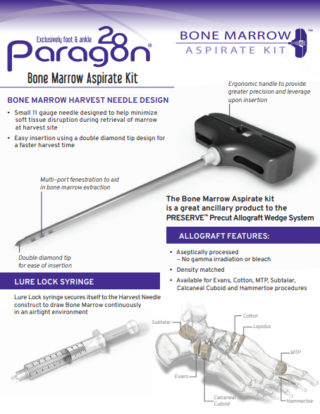
- Aspiration Needles/Trocar: Specifically designed for bone marrow extraction, often featuring a sharp tip for easy penetration and side ports for efficient aspiration while minimizing tissue trauma. Made from high-grade stainless steel.
- Syringes: Varying sizes (e.g., 10ml, 60ml) for aspiration, anticoagulant delivery, and final concentrate delivery. Typically made from medical-grade polypropylene.
- Concentration Device/Centrifuge Tube: This is the core of the kit, often a specialized tube or chamber designed to separate bone marrow components through centrifugation. It usually includes a gel separator or float mechanism that allows for the isolation of the "buffy coat" layer – where MSCs and other progenitor cells reside – from red blood cells and plasma. Made from high-quality, biocompatible plastics.
- Anticoagulant: Often pre-filled in syringes or provided separately (e.g., Sodium Citrate or Heparin) to prevent the bone marrow sample from clotting during processing.
- Filters: Some kits may include filters to remove cellular debris or aggregates, ensuring a clean final product for injection.
- Ancillary Supplies: Local anesthetic, surgical drapes, antiseptic wipes, and bandages are typically part of the overall procedure but may not be included in the specific BMAC kit itself.
All components are manufactured under strict quality controls, sterile-packaged, and intended for single-patient use to prevent contamination and ensure optimal performance.
Mechanism of Action & Biomechanics
The therapeutic power of BMAC lies in its concentrated cellular and molecular components, which act synergistically to promote healing:
- Mesenchymal Stem Cells (MSCs): These are multipotent stromal cells that can differentiate into various cell types, including bone, cartilage, muscle, and fat cells. When delivered to an injured site, MSCs can directly contribute to tissue repair and regeneration.
- Hematopoietic Stem Cells (HSCs): While primarily responsible for blood cell formation, HSCs also play a role in tissue repair and immune modulation.
- Growth Factors: BMAC is rich in numerous growth factors (e.g., PDGF, TGF-β, VEGF, FGF) that stimulate cell proliferation, migration, differentiation, angiogenesis (new blood vessel formation), and extracellular matrix production.
- Cytokines and Chemokines: These signaling molecules modulate inflammation, recruit other reparative cells, and create a favorable microenvironment for healing.
- Anti-inflammatory Properties: Components within BMAC can help reduce inflammation, which is crucial for pain relief and long-term tissue health.
Biomechanics of Healing: When BMAC is injected into an injured joint, tendon, or bone, the concentrated cells and growth factors interact with the local tissue environment. MSCs can sense the damage and respond by:
1. Direct Regeneration: Differentiating into the specific cell types needed for repair (e.g., chondrocytes for cartilage, osteoblasts for bone).
2. Paracrine Signaling: Releasing a host of bioactive molecules that stimulate resident cells to proliferate and repair, modulate immune responses, and promote new blood vessel growth.
3. Immunomodulation: Reducing chronic inflammation that often hinders healing, thereby creating an optimal environment for tissue recovery.
The overall biomechanical effect is to strengthen the damaged tissue, improve its structural integrity, and restore function, often leading to reduced pain and improved mobility.
3. Extensive Clinical Indications & Usage
BMAC therapy is increasingly utilized across a broad spectrum of orthopedic conditions, offering a less invasive option for patients seeking to avoid or delay surgery, or to enhance surgical outcomes.
Orthopedic Applications:
- Osteoarthritis (OA): Particularly in the knee, hip, shoulder, and ankle. BMAC can help reduce pain, improve joint function, and potentially slow cartilage degeneration.
- Tendon Injuries: Chronic tendinopathies such as:
- Rotator cuff tears (shoulder)
- Achilles tendinopathy (ankle)
- Patellar tendinopathy ("jumper's knee")
- Lateral and medial epicondylitis ("tennis/golfer's elbow")
BMAC aids in promoting tendon healing and strengthening.
- Ligament Injuries: Chronic or partially torn ligaments, including:
- Anterior Cruciate Ligament (ACL) sprains (often as an adjunct to surgical repair)
- Medial Collateral Ligament (MCL) injuries
- Ankle sprains
- Cartilage Defects: Focal cartilage lesions in various joints, where BMAC can stimulate cartilage repair.
- Non-Union Fractures: Fractures that fail to heal naturally, where BMAC can provide the necessary cellular scaffolding and growth factors to jumpstart bone healing.
- Spine Conditions:
- Degenerative disc disease (often investigated for its potential to regenerate disc tissue and reduce pain).
- Sacroiliac (SI) joint pain.
- Bone Cysts and Avascular Necrosis (AVN): BMAC can be used to promote bone regeneration and improve blood supply in areas of bone death.
Surgical/Clinical Usage Instructions (Overview for Patients):
The BMAC procedure is typically performed in an outpatient setting and involves three main steps:
-
Bone Marrow Aspiration:
- The patient is positioned comfortably, usually on their stomach or side.
- The aspiration site, most commonly the posterior iliac crest (hip bone), is thoroughly sterilized and numbed with a local anesthetic.
- A specialized aspiration needle from the BMAC kit is carefully inserted into the bone marrow space.
- A small volume of bone marrow (typically 30-60ml, though some protocols may use more) is slowly aspirated using a syringe. This step is generally well-tolerated, with patients reporting pressure or a brief, deep ache.
-
Processing/Concentration:
- The aspirated bone marrow is transferred into the sterile processing device (centrifuge tube) from the BMAC kit.
- This device is then placed into a specialized centrifuge.
- The centrifuge spins the bone marrow at high speeds, separating its components by density. The red blood cells settle at the bottom, plasma at the top, and the "buffy coat" layer – rich in MSCs, HSCs, and platelets – is concentrated in the middle.
- The medical professional carefully extracts this concentrated BMAC layer using a syringe. This process takes approximately 15-20 minutes.
-
Application/Injection:
- The concentrated BMAC is then immediately injected into the target injured area (e.g., knee joint, torn tendon, non-union fracture site).
- For precision, image guidance (such as ultrasound or fluoroscopy) is often used to ensure accurate delivery of the BMAC to the damaged tissue.
- The injection site is then cleaned and bandaged.
Maintenance/Sterilization Protocols:
It is crucial to understand that BMAC Kits are designed for single-use and are provided sterile. There are no "maintenance" protocols for the kit itself by the end-user (the clinic/doctor) other than ensuring its sterile integrity before use.
* Sterilization: Kits are typically sterilized by manufacturers using methods such as gamma irradiation or ethylene oxide, ensuring they are free from microorganisms.
* Handling: Healthcare providers must handle the kit components using aseptic technique throughout the procedure to maintain sterility and prevent infection.
* Disposal: After use, all components of the BMAC kit are considered biohazardous waste and must be disposed of according to strict medical waste protocols.
4. Risks, Side Effects, or Contraindications
While BMAC therapy is generally considered safe, like any medical procedure, it carries potential risks and side effects.
Potential Risks:
- Pain or Bruising at Aspiration Site: The most common side effect, usually mild and temporary, managed with over-the-counter pain relievers.
- Infection: A rare but serious risk at both the aspiration and injection sites. Strict sterile technique is employed to minimize this risk.
- Nerve or Vessel Injury: Extremely rare, but possible during aspiration if the needle deviates from the intended path.
- Temporary Increase in Pain: Some patients may experience a temporary flare-up of pain, swelling, or stiffness at the injection site for a few days post-procedure, as the healing process begins.
- Allergic Reaction: Very rare, as the treatment uses the patient's own cells.
Possible Side Effects:
- Mild soreness or discomfort at the aspiration site for a few days.
- Mild swelling or warmth at the injection site.
- Temporary limited range of motion due to swelling.
Contraindications:
BMAC therapy is not suitable for everyone. Contraindications may include:
- Active Systemic Infection or Local Infection: Any ongoing infection could spread with the procedure.
- Certain Blood Disorders: Such as severe anemia, thrombocytopenia, or specific coagulopathies.
- Active Malignancy (Cancer): Especially those involving bone marrow or metastatic cancer, as there is a theoretical concern about stimulating cancer cell growth, although research in this area is ongoing.
- Pregnancy and Lactation: Due to insufficient research on safety in these populations.
- Immunosuppression: Patients on certain immunosuppressive medications may have altered healing responses.
- Unrealistic Expectations: Patients must understand the potential for variable outcomes and that BMAC is not a "cure-all."
A thorough medical evaluation by your doctor is essential to determine if BMAC therapy is appropriate for your specific condition and health status.
5. Expert Tips from Dr. Mohammed Hutaif
"As an orthopedic specialist utilizing regenerative therapies, I've seen firsthand the potential of BMAC to transform patient outcomes. Here are my key insights for those considering this treatment:
- Patient Selection is Paramount: Not every patient or every condition is an ideal candidate for BMAC. A comprehensive diagnostic evaluation, including imaging and a thorough medical history, is crucial to determine if you're suitable. We look for specific patterns of injury and degeneration that respond well to cellular therapy.
- Quality of the BMAC Kit Matters: The effectiveness of the therapy is directly linked to the quality and efficiency of the concentration system. We utilize kits that are scientifically proven to yield high concentrations of viable mesenchymal stem cells and growth factors, ensuring you receive the most potent regenerative solution.
- Precision is Key for Delivery: Accurate placement of the BMAC concentrate is critical. We routinely employ advanced imaging guidance, such as ultrasound or fluoroscopy, to ensure the cells are delivered precisely to the site of injury, maximizing their therapeutic potential.
- Holistic Approach to Recovery: BMAC is a powerful tool, but it's part of a larger recovery strategy. Post-procedure care, including specific rehabilitation exercises, activity modification, and nutritional support, is vital for optimizing results. Think of BMAC as planting a seed; proper care helps it grow.
- Realistic Expectations: While many patients experience significant improvement, results can vary. Healing is a biological process that takes time, and the degree of improvement depends on several factors, including the severity of the condition, your overall health, and adherence to post-treatment protocols. We aim for significant pain reduction and functional improvement, but complete restoration isn't always achievable.
- Consider Combination Therapies: In some cases, combining BMAC with other regenerative treatments, such as Platelet-Rich Plasma (PRP), or integrating it with minimally invasive surgical techniques, can enhance overall outcomes."
6. Massive FAQ Section
Q1: What exactly is Bone Marrow Aspirate Concentrate (BMAC)?
A1: BMAC is a concentrated solution derived from a patient's own bone marrow. It contains a high concentration of reparative cells, including mesenchymal stem cells (MSCs), hematopoietic stem cells, and various growth factors. These components work together to stimulate and support the body's natural healing processes in damaged tissues like cartilage, bone, tendons, and ligaments.
Q2: How is BMAC different from Platelet-Rich Plasma (PRP)?
A2: Both BMAC and PRP are regenerative therapies derived from your own blood components. The key difference lies in their primary components:
* PRP is concentrated from peripheral blood and is rich in platelets and growth factors, which primarily stimulate healing and reduce inflammation.
* BMAC is concentrated from bone marrow and contains not only growth factors but also a significant number of mesenchymal stem cells (MSCs) and other progenitor cells. MSCs have the unique ability to differentiate into various tissue types (bone, cartilage, fat, muscle) and exert more potent regenerative and anti-inflammatory effects, making BMAC generally considered a more powerful regenerative treatment, especially for more severe tissue damage.
Q3: Is the BMAC procedure painful?
A3: Most patients tolerate the procedure well. Local anesthetic is used to numb the aspiration site (usually the hip bone), which minimizes discomfort during needle insertion. During bone marrow aspiration, you might feel a deep pressure or a brief, dull ache, which quickly subsides. The injection into the target area is similar to any joint injection, often performed with local anesthetic and sometimes with image guidance for precision.
Q4: How long does the BMAC procedure take?
A4: The entire procedure, from aspiration to concentration and injection, typically takes about 45 to 90 minutes. This includes preparation time, the aspiration itself (around 10-15 minutes), centrifugation (15-20 minutes), and the final injection (5-10 minutes).
Q5: What is the recovery like after a BMAC procedure?
A5: Recovery is generally quick. You may experience some soreness, bruising, or mild discomfort at the aspiration site for a few days, similar to a deep bruise. The injection site might also be tender or slightly swollen. Most patients can return to light activities within 24-48 hours. Your doctor will provide specific post-procedure instructions, which may include temporary activity restrictions and a tailored rehabilitation program.
Q6: When can I expect to see results from BMAC therapy?
A6: Healing is a gradual biological process. While some patients may notice initial pain relief within a few weeks, significant improvements in pain and function typically become apparent over 6 weeks to 3 months, and can continue for up to 6-12 months as the cells work to regenerate tissue. The timeframe varies based on the condition treated, its severity, and individual healing capacity.
Q7: Is BMAC therapy safe?
A7: Yes, BMAC therapy is considered safe because it uses your body's own cells, virtually eliminating the risk of allergic reaction or disease transmission. The most common risks are minor discomfort at the aspiration site and a very low risk of infection, which is minimized by strict sterile techniques.
Q8: Are there any age restrictions for BMAC therapy?
A8: There are typically no strict upper age limits for BMAC therapy, as long as the patient is in generally good health. However, the quantity and quality of stem cells in bone marrow can decrease with age, which might influence the treatment's effectiveness. A thorough medical evaluation will determine suitability regardless of age.
Q9: How many BMAC treatments do I need?
A9: In most cases, a single BMAC treatment is performed. The concentrated cells continue to work in the body for an extended period. For some severe or chronic conditions, or if initial results are suboptimal, a second treatment might be considered after several months, but this is less common than with PRP. Your doctor will discuss the appropriate treatment plan for you.
Q10: Is BMAC therapy covered by insurance?
A10: Currently, most insurance companies, including Medicare, consider BMAC therapy to be investigational or experimental for many orthopedic conditions and typically do not cover the cost. Patients usually pay for BMAC treatment out-of-pocket. It's always best to check with your insurance provider directly and discuss payment options with your clinic.
Q11: What should I avoid after the BMAC procedure?
A11: Your doctor will provide specific instructions, but generally, you should avoid:
* Strenuous activities, heavy lifting, or high-impact exercises for a period (e.g., 1-4 weeks).
* Anti-inflammatory medications (NSAIDs) like ibuprofen or naproxen for a few weeks, as they can interfere with the healing process initiated by BMAC. Acetaminophen (Tylenol) is generally permissible for pain relief.
* Applying ice directly to the injection site for extended periods immediately after, as some inflammation is part of the healing response.
* Submerging the injection site in baths, hot tubs, or swimming pools until the skin has fully healed, to prevent infection.
Q12: What kind of conditions can BMAC treat?
A12: BMAC is used to treat a wide range of orthopedic conditions, including osteoarthritis in various joints (knees, hips, shoulders), chronic tendon injuries (rotator cuff, Achilles, patellar tendinopathy), ligament sprains, cartilage defects, non-union fractures, and certain spine conditions like degenerative disc disease. Its regenerative properties make it versatile for many musculoskeletal issues.
Disclaimer: This guide provides general information about Bone Marrow Aspirate Concentrate (BMAC) kits and therapy. It is not intended as, and does not constitute, medical advice. Always consult with a qualified healthcare professional for diagnosis, treatment, and medical advice specific to your condition.