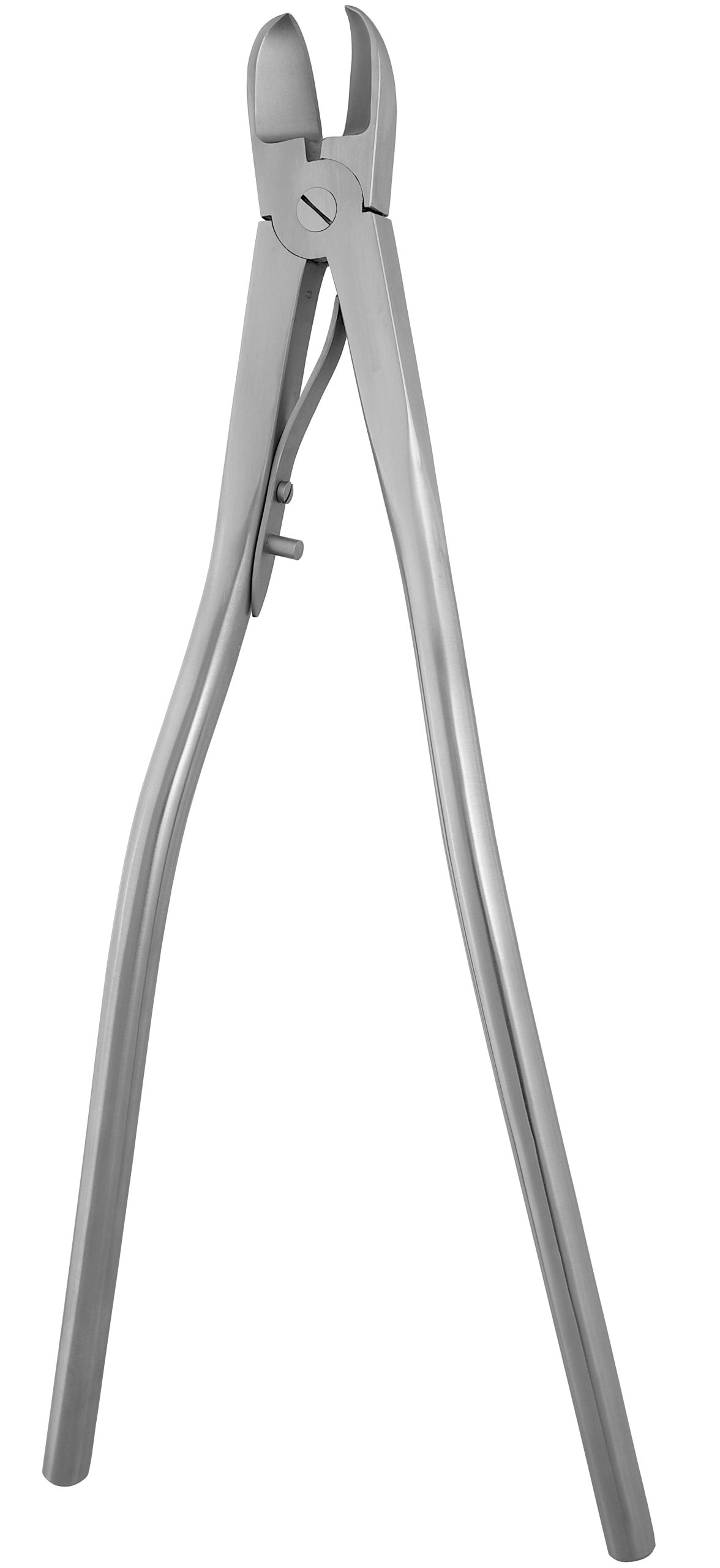
Bethune Rib Shears: A Cornerstone of Precision Thoracic Surgery
Welcome to this comprehensive guide on Bethune Rib Shears, a specialized surgical instrument that plays a crucial role in modern thoracic (chest) surgery. At Dr. Mohammed Hutaif's practice, we believe in empowering our patients with knowledge, helping them understand the advanced tools and techniques employed to ensure the best possible outcomes. This guide is for informational purposes only and does not constitute medical advice.
1. Comprehensive Introduction & Overview
The Bethune Rib Shear is not merely a cutting tool; it is an instrument of precision, designed specifically for the delicate task of resecting (cutting and removing) ribs during complex surgical procedures within the chest cavity. Developed by the renowned surgeon Dr. Norman Bethune, this instrument revolutionized thoracic surgery by providing a cleaner, more controlled method for rib division compared to previous, often more traumatic, techniques.
In thoracic surgery, gaining optimal access to the lungs, heart, esophagus, or mediastinal structures often requires careful removal or division of one or more ribs. The unique design of the Bethune Rib Shear allows surgeons to perform these vital steps with unparalleled accuracy, minimizing trauma to surrounding tissues and facilitating a clearer surgical field. Its importance cannot be overstated in procedures where precision is paramount, directly contributing to patient safety and improved post-operative recovery.
2. Deep-Dive into Technical Specifications & Mechanisms
Understanding the engineering behind the Bethune Rib Shear reveals why it's so indispensable.
Design and Materials
Bethune Rib Shears are crafted from high-grade, corrosion-resistant surgical stainless steel, ensuring durability, strength, and the ability to withstand repeated sterilization processes. Key design features include:
* Long Handles: Providing ample leverage and a secure grip for the surgeon, enhancing control.
* Powerful Jaws: Engineered to deliver significant cutting force with minimal effort.
* Curved Blades: Often with a specific curvature designed to conform to the natural shape of the rib, allowing for a clean, perpendicular cut.
* Serrated or Sharpened Edges: Designed to grip the rib securely and ensure a smooth, precise cut, preventing slippage and splintering.
* Spring Mechanism: Some designs incorporate a spring to facilitate easy opening and closing of the jaws, reducing hand fatigue during lengthy procedures.
* Locking Mechanism: A ratchet or similar lock ensures the shears remain closed when not actively cutting, enhancing safety.
These instruments come in various sizes, including adult and pediatric versions, to accommodate different patient anatomies and rib thicknesses.
Biomechanics
The effectiveness of the Bethune Rib Shear lies in its application of biomechanical principles:
* Leverage: The long handles act as levers, multiplying the force applied by the surgeon's hand to the cutting jaws. This mechanical advantage allows for efficient cutting of dense bone with controlled effort.
* Shearing Action: Unlike a saw that abrades or a chisel that impacts, the Bethune shear operates on a shearing principle. The opposing blades slide past each other, creating a clean cut, similar to how scissors cut paper, but with immense force capable of dividing bone. This minimizes the risk of bone fragmentation, which can lead to complications such such as nerve irritation or soft tissue damage.
* Controlled Force Application: The design ensures that the force is concentrated precisely at the cutting point, reducing the spread of energy to adjacent tissues. This controlled application is crucial for protecting intercostal nerves, blood vessels, and the underlying pleura (lining of the lung).
3. Extensive Clinical Indications & Usage
The Bethune Rib Shear is a specialized tool primarily used in procedures requiring access to the thoracic cavity. Its precision is vital in enabling surgeons to perform complex operations safely and effectively.
Primary Application: Thoracotomy
A thoracotomy is a surgical incision into the chest wall to access the organs within the thoracic cavity. The Bethune Rib Shears are instrumental in this process, allowing for the precise division of ribs to create the necessary surgical window.
Specific Surgical Procedures Where Bethune Rib Shears are Utilized:
- Lung Resections:
- Lobectomy: Removal of a lobe of the lung, often for lung cancer or severe infections.
- Pneumonectomy: Removal of an entire lung, typically for extensive cancer.
- Wedge Resection: Removal of a small, wedge-shaped piece of lung tissue.
- Decortication: Removal of a thick, fibrous peel from the surface of the lung, which can restrict lung expansion, often following empyema (pus in the pleural space).
- Thoracic Trauma Management: In cases of severe rib fractures or flail chest, precise rib resection might be necessary to stabilize the chest wall or remove damaged segments.
- Mediastinal Tumor Removal: Accessing and excising tumors located in the mediastinum (the space between the lungs).
- Esophageal Surgery: Procedures involving the esophagus, such as esophagectomy (removal of part or all of the esophagus) for cancer or severe disease.
- Cardiac Surgery: While sternotomy (cutting the breastbone) is common for cardiac procedures, in specific situations, especially for re-operations or complex cases, rib resection might be required to gain optimal access.
Why Bethune Shears are Preferred
- Clean, Precise Cuts: Reduces jagged edges, minimizing post-operative pain and promoting better healing.
- Reduced Trauma: The shearing action minimizes localized tissue damage compared to saws or osteotomes.
- Improved Surgical Field: Allows for a wider and clearer operative view, which is critical for complex dissections.
- Efficiency: Facilitates faster and more controlled rib division, potentially shortening surgical time.
Fitting/Usage Instructions (Patient Perspective)
From a patient's perspective, understanding the "usage" of these shears means recognizing the surgeon's expertise. The surgeon carefully plans the incision based on pre-operative imaging (X-rays, CT scans) to determine the exact ribs to be divided. The Bethune Rib Shears are then meticulously positioned and activated to make a clean cut. This process is performed with utmost care to protect surrounding vital structures like nerves, blood vessels, and the lung itself. The goal is always to achieve the necessary access with the least possible disruption to the patient's anatomy, setting the stage for a smoother recovery.
4. Risks, Side Effects, or Contraindications
While Bethune Rib Shears are designed for precision and safety, any surgical procedure involving rib resection carries inherent risks. It is crucial for patients to be informed about potential complications, even if they are rare.
General Surgical Risks (Applicable to any Thoracic Surgery):
- Infection: At the incision site or within the chest cavity.
- Bleeding: During or after surgery, potentially requiring blood transfusions.
- Anesthesia Risks: Adverse reactions to anesthetic agents.
- Pain: Post-operative pain is expected but managed.
Specific Risks Related to Rib Resection with Bethune Rib Shears:
- Pneumothorax/Hemothorax: Although the shears aim for precision, inadvertent puncture of the lung (pneumothorax) or injury to intercostal blood vessels (hemothorax) can occur, requiring drainage.
- Nerve Damage: Injury to the intercostal nerves running along the underside of the ribs can lead to persistent pain, numbness, or altered sensation in the chest wall.
- Vascular Injury: Damage to intercostal arteries or veins can cause significant bleeding.
- Incomplete Bone Cut or Splintering: While rare with proper use of Bethune shears, this can lead to irregular bone edges, increasing pain or local irritation.
- Post-operative Pain: Rib resection is inherently painful, and while clean cuts may reduce some aspects of pain, it will still require robust pain management strategies.
- Flail Chest: If multiple adjacent ribs are resected or fractured during extensive trauma, a segment of the chest wall can become unstable, impairing breathing. This is typically avoided in elective surgery.
Contraindications (Relative):
- Severe Osteoporosis: Patients with extremely brittle bones may be at higher risk of uncontrolled or unintended fractures during rib division, making alternative approaches or extreme caution necessary.
- Certain Coagulopathies: Uncontrolled bleeding disorders could increase the risk of hemorrhage during and after the procedure.
- Active Local Infection: Operating through an infected area may increase the risk of spreading infection.
These risks are carefully weighed by Dr. Mohammed Hutaif and the surgical team against the benefits of the procedure.
5. Expert Tips from Dr. Mohammed Hutaif
As an orthopedic specialist with extensive experience in thoracic procedures, Dr. Mohammed Hutaif emphasizes several critical aspects regarding the use of Bethune Rib Shears and related surgical care:
- Precision is Paramount: "The Bethune Rib Shear is an extension of the surgeon's hand. Its design allows for incredible precision, but it's the surgeon's skill and anatomical knowledge that truly harness its potential to minimize trauma and ensure a clean surgical field."
- Thorough Pre-operative Planning: "Every thoracic surgery begins long before the first incision. Detailed pre-operative imaging – CT scans and X-rays – are essential to map out the patient's unique anatomy, identify target ribs, and anticipate any challenges. This meticulous planning is key to safe and effective rib resection."
- Importance of Proper Technique: "While the instrument is robust, its effective use requires specific training and adherence to established surgical techniques. Proper positioning, controlled force, and careful protection of surrounding neurovascular structures are non-negotiable."
- Selecting the Right Instrument: "Just as every patient is unique, so too are their anatomical requirements. Choosing the correct size and type of Bethune Rib Shear is crucial for optimal performance and patient safety, whether it's an adult or pediatric case."
- Integrated Post-operative Care: "A successful surgical outcome extends beyond the operating room. Comprehensive post-operative pain management, respiratory physiotherapy, and diligent wound care are vital components that contribute significantly to a patient's comfort and speed of recovery."
- Sterilization and Maintenance: "Patient safety is our highest priority. This includes ensuring that every instrument, especially precision tools like the Bethune Rib Shears, undergoes rigorous cleaning and sterilization protocols. Regular inspection for wear and tear guarantees the instrument performs optimally and safely every time."
6. Frequently Asked Questions (FAQ)
Q1: What are Bethune Rib Shears used for?
Bethune Rib Shears are specialized surgical instruments used primarily in thoracic (chest) surgery to precisely cut and remove segments of ribs. This is done to gain access to organs within the chest cavity, such as the lungs, heart, or esophagus, during procedures like tumor removal or lung resections.
Q2: How do Bethune Rib Shears differ from other surgical instruments for bone?
Unlike bone saws or osteotomes (chisels), Bethune Rib Shears utilize a powerful shearing action. This design allows for a cleaner, more controlled cut through the rib bone, minimizing bone fragmentation and reducing trauma to surrounding soft tissues, nerves, and blood vessels.
Q3: Are Bethune Rib Shears safe?
Yes, when used by a highly trained and experienced thoracic surgeon, Bethune Rib Shears are considered very safe. Their design prioritizes precision and minimizes collateral damage, contributing to safer surgical outcomes. Strict sterilization protocols further ensure patient safety.
Q4: What materials are Bethune Rib Shears made from?
Bethune Rib Shears are typically crafted from high-grade surgical stainless steel. This material is chosen for its strength, durability, resistance to corrosion, and ability to withstand repeated sterilization processes, ensuring the instrument remains sterile and effective.
Q5: Does using these shears reduce pain after surgery?
While rib resection inherently causes post-operative pain, the precision of Bethune Rib Shears can indirectly contribute to less severe pain. A clean cut with minimal bone splintering or trauma to surrounding nerves and tissues can lead to a smoother healing process and potentially less intense or prolonged pain compared to less precise methods.
Q6: How are these instruments sterilized?
Surgical instruments like Bethune Rib Shears undergo rigorous sterilization protocols, typically involving autoclaving (steam sterilization at high temperature and pressure). Before autoclaving, they are thoroughly cleaned, often using ultrasonic baths and manual scrubbing, to remove all organic matter and debris. This ensures all instruments are completely sterile before use.
Q7: Can these shears be used for children?
Yes, Bethune Rib Shears are available in various sizes, including smaller versions specifically designed for pediatric patients. This allows surgeons to perform rib resections with appropriate precision and safety, accounting for the smaller and more delicate rib structures in children.
Q8: What happens to the resected rib?
In most cases, the small segment of rib that is resected is sent to a pathology lab for examination. This is especially important in cases of tumor removal, to confirm diagnosis and ensure clear margins. In trauma cases, it's removed as a damaged piece. The body does not typically regenerate the resected segment of the rib, but the remaining rib ends heal, and the chest wall stabilizes over time.
Q9: What are the benefits of a clean rib cut?
A clean rib cut, achieved with instruments like Bethune Rib Shears, offers several benefits: it reduces the risk of bone splintering which can irritate nerves and tissues, promotes faster and more predictable healing, minimizes post-operative pain, and provides the surgeon with a clearer and safer surgical field.
Q10: How long does it take to recover from surgery involving rib resection?
Recovery time varies greatly depending on the extent of the surgery, the patient's overall health, and individual healing rates. Generally, significant pain relief and mobility improvement can be seen within a few weeks, but full recovery, including return to strenuous activities, may take several months. Comprehensive post-operative care and physical therapy are crucial.
Q11: What makes the Bethune design unique?
The uniqueness of the Bethune design lies in its specific jaw curvature and powerful shearing mechanism, optimized for cutting through dense rib bone with minimal effort and maximum precision. It provides superior control and reduces bone fragmentation compared to other bone-cutting instruments, making it ideal for delicate thoracic procedures.
Q12: Is this instrument reusable?
Yes, Bethune Rib Shears are designed as reusable surgical instruments. They are made from durable medical-grade stainless steel and are built to withstand repeated cycles of cleaning, sterilization, and surgical use, provided they are properly maintained and regularly inspected for wear and tear.
This guide aims to provide a thorough understanding of Bethune Rib Shears, highlighting their critical role in modern thoracic surgery and our commitment to patient education and safety at Dr. Mohammed Hutaif's practice.