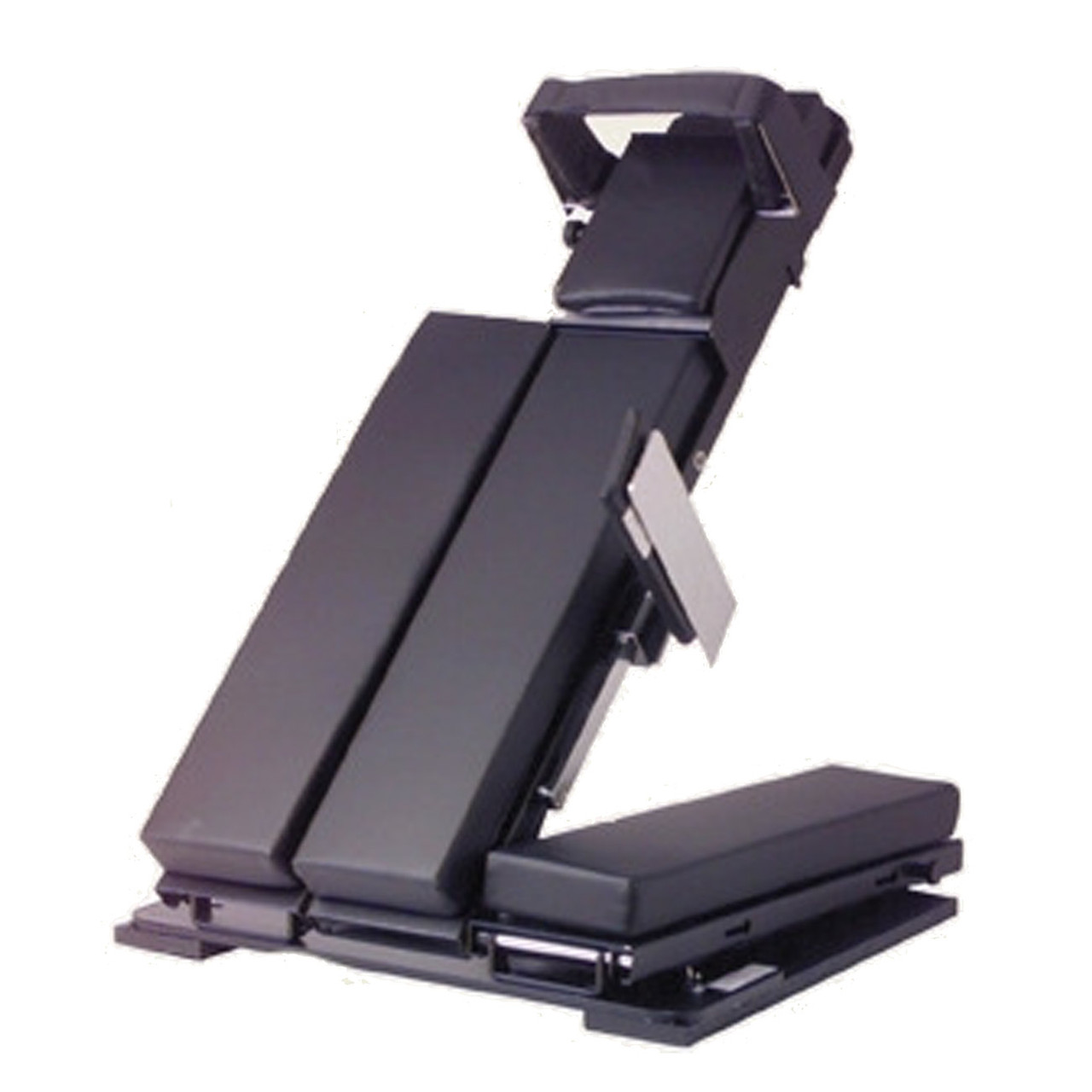
The Beach Chair Shoulder Positioner: Elevating Precision and Safety in Shoulder Surgery
Welcome to our comprehensive guide on the Beach Chair Shoulder Positioner, a pivotal orthopedic instrument that has revolutionized the approach to many shoulder surgeries. At Dr. Mohammed Hutaif's practice, we are committed to utilizing the most advanced and safest technologies to ensure optimal patient outcomes. This guide aims to provide patients with a deep understanding of this essential tool, explaining its design, applications, benefits, and safety considerations in an authoritative yet easy-to-understand manner.
1. Comprehensive Introduction & Overview
The Beach Chair Shoulder Positioner is a specialized accessory for operating room tables, meticulously designed to position a patient in a semi-seated, upright posture, akin to sitting in a beach chair. This anatomical alignment is crucial for providing surgeons with unparalleled access and visualization of the shoulder joint, whether performing arthroscopic (minimally invasive) or open surgical procedures.
Historically, shoulder surgeries were often performed with the patient in a lateral (side-lying) position. While effective, this position presented challenges in terms of joint mobility, surgeon ergonomics, and visualization. The advent of the Beach Chair positioner marked a significant advancement, offering a more physiological and stable platform for complex shoulder interventions. It has become the gold standard for many procedures due to its ability to enhance surgical precision, reduce operative time, and ultimately contribute to improved patient recovery.
Key Benefits at a Glance:
- Optimal Surgical Access: Provides a clear, unobstructed view of the glenohumeral joint and surrounding structures.
- Enhanced Surgeon Ergonomics: Allows surgeons to operate in a more natural, comfortable posture, reducing fatigue.
- Improved Patient Safety: Designed with features to minimize risks of nerve injury and pressure sores.
- Versatility: Adaptable for a wide range of shoulder pathologies and surgical techniques.
- Better Anesthetic Management: Facilitates easier airway management compared to prone positions.
2. Deep-dive into Technical Specifications / Mechanisms
The effectiveness of the Beach Chair Shoulder Positioner lies in its sophisticated design, choice of materials, and biomechanical principles. These elements work in concert to provide a stable, adjustable, and safe platform for surgery.
Design & Components
A typical Beach Chair Shoulder Positioner system comprises several key components, each engineered for specific functions:
- Head Support System:
- Adjustable Headrest: Often multi-articulating, allowing precise control over head flexion, extension, and rotation. This is critical for maintaining cervical spine alignment and protecting neural structures.
- Pressure-Distributing Padding: Made from medical-grade gel or high-density foam, designed to conform to the patient's head shape, minimizing pressure points and reducing the risk of pressure-induced alopecia or nerve compression.
- Secure Fastening: Straps or forehead supports ensure the head remains stable throughout the procedure.
- Torso Support / Backrest:
- Articulating Backrest: Allows for precise adjustment of the patient's torso angle, from nearly flat to fully upright, enabling optimal surgical exposure.
- Robust Frame: Provides unwavering stability, securely attaching to the operating room table.
- Integrated Padding: Similar to the headrest, high-quality padding covers the backrest to ensure patient comfort and prevent pressure injuries over the scapula and sacrum.
- Arm Supports / Traction Accessories (Optional but Common):
- Free-Draping Arm Support: For many arthroscopic procedures, the operative arm is allowed to hang freely, providing natural traction that opens the joint space.
- Limb Positioners: Some systems include dedicated arm supports or traction towers to hold the arm in specific positions, particularly for procedures requiring sustained traction or specific angles.
- Mounting Mechanisms:
- Universal Clamps: Designed to securely attach the positioner to standard operating room table side rails, ensuring stability and preventing movement during surgery.
- Quick-Release Systems: Allow for rapid and safe attachment/detachment, enhancing efficiency.
- Adjustability Features:
- Hydraulic or Mechanical Controls: Enable smooth, precise adjustments of height, tilt, and sometimes even lateral rotation, often operable by foot pedals or hand controls, allowing the surgical team to fine-tune patient positioning without compromising sterility.
Materials
The selection of materials is paramount for durability, hygiene, and patient safety:
- Frame Construction:
- High-Grade Stainless Steel: Provides exceptional strength, corrosion resistance, and longevity. Easy to clean and sterilize.
- Lightweight Aluminum Alloys: Used in some designs to reduce overall weight, making the positioner easier to maneuver, while still offering robust support.
- Radiolucent Composites: Certain components may incorporate radiolucent materials to allow for intraoperative X-ray imaging without obstruction.
- Padding & Covers:
- Medical-Grade Viscoelastic Gel: Superior for pressure distribution, conforming to body contours, and providing patient comfort. Impervious to fluids, making it easy to clean.
- High-Density, Closed-Cell Foam: Offers excellent support and pressure relief. Often covered with durable, anti-microbial, fluid-resistant materials for infection control.
- Hypoallergenic & Latex-Free: All patient contact surfaces are designed to be safe for individuals with allergies.
- Straps & Fasteners:
- Industrial-Grade Velcro or Buckle Systems: Provide secure patient restraint, preventing inadvertent movement, yet are easily adjustable and cleanable.
Biomechanics of the Beach Chair Position
The biomechanical advantages of the Beach Chair position are significant:
- Optimized Glenohumeral Joint Access: By placing the patient upright, the shoulder joint naturally falls away from the torso, creating more space for instruments and improving the surgeon's line of sight, especially for superior and posterior aspects of the joint.
- Reduced Strain on Surrounding Structures: Unlike lateral positioning which can put pressure on the dependent arm or chest, the beach chair distributes weight more evenly, minimizing strain on the brachial plexus, ulnar nerve, and other vulnerable structures.
- Improved Visualization for Arthroscopy: The upright position, combined with gravity and often gentle traction, helps to open the joint capsule, allowing for better distention with fluid and clearer visualization of intra-articular structures.
- Physiological Benefits for the Patient:
- Enhanced Pulmonary Function: The upright posture allows for better lung expansion and ventilation compared to supine or prone positions, which can be beneficial for patients with certain respiratory conditions.
- Reduced Risk of Venous Stasis: The semi-upright position can improve venous return from the lower extremities, potentially reducing the risk of deep vein thrombosis (DVT), though prophylactic measures are still crucial.
- Easier Airway Management: Anesthesia providers find it easier to manage the patient's airway in this position.
Maintenance & Sterilization Protocols
Maintaining the Beach Chair Shoulder Positioner is critical for patient safety and longevity of the equipment.
- Cleaning After Each Use: All surfaces that come into contact with the patient or fluids are thoroughly wiped down with hospital-grade disinfectants. Padding materials are specifically designed to be non-porous and easy to clean.
- Disinfection: Following manufacturer guidelines, appropriate disinfectants are used to eliminate pathogens.
- Inspection for Wear and Tear: Regular visual inspections are performed to check for any signs of damage, cracks, or wear on the frame, padding, or attachment mechanisms. Damaged components are immediately replaced.
- Sterilization (if applicable): While most components are disinfected, certain parts that may enter the sterile field or are designed for repeated sterilization (e.g., some traction accessories) undergo high-level sterilization processes (e.g., autoclaving, ETO gas).
- Preventive Maintenance: Scheduled professional servicing ensures all mechanical and hydraulic components function correctly and safely.
3. Extensive Clinical Indications & Usage
The Beach Chair Shoulder Positioner is a versatile tool, indicated for a broad spectrum of orthopedic shoulder surgeries.
Surgical Applications
- Rotator Cuff Repair: Both arthroscopic and open repairs of torn supraspinatus, infraspinatus, subscapularis, or teres minor tendons. The position allows excellent access to all facets of the rotator cuff.
- Shoulder Instability / Labral Repair: Procedures like Bankart repair (anterior labral tear), SLAP repair (superior labral tear from anterior to posterior), and capsular shifts to address recurrent shoulder dislocations. The position provides optimal visualization of the labrum and glenoid rim.
- Acromioplasty / Subacromial Decompression: Removal of bone spurs from the acromion to alleviate impingement syndrome. The upright position improves access to the subacromial space.
- Biceps Tenodesis / Tenotomy: Procedures addressing pathology of the long head of the biceps tendon, often performed concurrently with rotator cuff repair.
- Proximal Humerus Fracture Fixation: In select cases, the beach chair position can facilitate open reduction and internal fixation of certain proximal humerus fractures, offering gravity-assisted reduction.
- Shoulder Arthroplasty (Partial or Total): While often performed supine, some surgeons prefer the beach chair position for certain types of shoulder replacement, particularly for glenoid exposure or specific approaches.
- Capsular Release for Frozen Shoulder: Arthroscopic release of constricted capsule tissue to restore range of motion.
- Distal Clavicle Excision: Removal of a small portion of the clavicle to treat acromioclavicular (AC) joint arthritis.
Fitting & Usage Instructions (General Principles)
The precise setup of the Beach Chair Positioner is a collaborative effort involving the surgical team, anesthesia, and nursing staff.
- Pre-operative Assessment: The patient's medical history, cervical spine stability, and specific surgical needs are reviewed to confirm suitability for the beach chair position.
- Patient Transfer: After anesthesia induction, the patient is carefully transferred to the operating table, with meticulous attention to spinal alignment.
- Positioner Attachment: The Beach Chair Positioner is securely clamped to the OR table side rails.
- Torso Positioning: The patient's back is gently positioned against the backrest. The backrest is then adjusted to the desired angle, typically 60-70 degrees from horizontal, ensuring the patient is centered.
- Head & Neck Alignment: The head is carefully placed in the headrest, ensuring the neck is in a neutral position, avoiding excessive flexion, extension, or rotation. Padding is checked for proper pressure distribution. The head is secured with straps.
- Arm Positioning:
- Non-operative Arm: Typically tucked at the patient's side, well-padded, or placed on an arm board.
- Operative Arm: For arthroscopy, it often hangs freely from the shoulder, allowing gravity to provide natural traction. For open procedures, it may be supported on an arm board or held by an assistant.
- Padding & Pressure Point Checks: The entire surgical team verifies that all pressure points (occiput, scapula, sacrum, elbows, heels) are adequately padded and free from impingement.
- Final Adjustments: The surgeon and anesthesiologist make any final adjustments to ensure optimal surgical exposure and patient physiological stability.
Patient Outcome Improvements
The judicious use of the Beach Chair Shoulder Positioner directly translates into several significant patient outcome improvements:
- Enhanced Surgical Precision: The stable, clear surgical field allows surgeons to perform intricate repairs with greater accuracy, potentially leading to stronger repairs and better long-term function.
- Reduced Operative Time: Improved visualization and access can streamline the surgical process, decreasing the time a patient spends under anesthesia.
- Lower Risk of Complications:
- Nerve Injury: Proper positioning and padding significantly reduce the risk of brachial plexus or ulnar nerve compression.
- Pressure Ulcers: Advanced padding materials and careful monitoring minimize the chance of skin breakdown.
- Blood Loss: Some studies suggest reduced intraoperative blood loss in the beach chair position compared to lateral.
- Improved Post-operative Recovery: Less muscle strain and better physiological stability during surgery can contribute to a smoother, less painful recovery period.
- Better Cosmetic Outcomes: For arthroscopic procedures, the enhanced visualization can facilitate smaller, more precise incisions.
4. Risks, Side Effects, or Contraindications
While highly beneficial, it's important to be aware of the potential risks and contraindications associated with the Beach Chair position. It's crucial to understand that with meticulous patient assessment, careful positioning techniques, and vigilant monitoring by a skilled surgical and anesthesia team, these risks are rare and actively mitigated.
Potential Risks
- Cerebral Hypoperfusion: Due to the elevated head position, there is a theoretical risk of reduced blood flow to the brain, which could lead to neurological complications. However, anesthesia protocols involve careful monitoring of blood pressure and cerebral oxygenation to maintain adequate perfusion.
- Peripheral Nerve Injury: The most commonly cited risk. Improper positioning can lead to compression or stretch injuries of nerves, particularly the brachial plexus (nerves supplying the arm) and the ulnar nerve (at the elbow). Meticulous padding, careful arm positioning, and avoiding extreme neck rotation are vital preventive measures.
- Pressure Ulcers / Skin Breakdown: Prolonged pressure on bony prominences (e.g., occiput, scapula, sacrum, heels) can lead to skin damage. High-quality pressure-relieving padding and regular checks minimize this risk.
- Venous Air Embolism (VAE): A rare but serious complication where air enters the venous system, potentially leading to cardiac or pulmonary issues. The elevated position can create a negative pressure gradient, increasing this risk. Anesthesia teams employ specific monitoring and management strategies to detect and treat VAE promptly.
- Ocular Injury: Direct pressure on the eyes or inadequate padding can lead to corneal abrasions or, very rarely, vision loss. Careful eye protection is always implemented.
- Hypothermia: Exposure during surgery can lead to a drop in body temperature. Warming blankets and careful temperature monitoring are standard practice.
Contraindications (Relative & Absolute)
- Severe Cervical Spine Instability: Patients with unstable neck fractures or severe spinal cord compression may not be suitable, as the positioning movements could exacerbate their condition.
- Certain Cardiovascular Conditions: Patients with severe heart conditions or uncontrolled hypertension may require specific anesthetic management or alternative positioning to mitigate risks of cerebral hypoperfusion.
- Extreme Obesity: While not an absolute contraindication, very obese patients may present challenges in achieving stable and safe positioning, sometimes requiring specialized equipment or alternative approaches.
- Pre-existing Neurological Deficits: Patients with pre-existing nerve damage or neurological conditions may require heightened vigilance and specific positioning modifications.
- Known Allergy to Padding Materials: Extremely rare, but important to note.
5. Expert Tips from Dr. Mohammed Hutaif
"In my practice, the Beach Chair Shoulder Positioner is an indispensable tool, but its effective use goes far beyond simply placing a patient in a chair. It's about a holistic approach to patient safety and surgical excellence. Here are some of my key insights:
- Personalized Patient Assessment is Paramount: Every patient is unique. Before any surgery, I meticulously review their medical history, paying close attention to any pre-existing neck issues, neurological conditions, or cardiovascular concerns. This allows us to tailor the positioning strategy to their individual needs, ensuring maximum safety.
- Team Communication is Non-Negotiable: Positioning a patient safely and effectively in the Beach Chair requires seamless collaboration between the surgeon, anesthesiologist, and nursing staff. We communicate every step of the process, from transfer to final adjustments, to ensure everyone is aligned on patient welfare and optimal surgical setup.
- Meticulous Nerve Protection: The brachial plexus and ulnar nerve are particularly vulnerable. My team and I are incredibly diligent about padding all bony prominences, ensuring the neck is in a neutral alignment, and carefully positioning the arms to prevent any stretch or compression. We consider every millimeter.
- Leveraging Advanced Padding Technology: Modern positioners utilize viscoelastic gel pads that significantly improve pressure distribution. I always ensure these high-quality pads are used and correctly placed, as they are a critical defense against pressure-related complications.
- The Power of Gravity: One of the unsung heroes of the Beach Chair position is gravity. For many arthroscopic procedures, allowing the arm to hang freely provides natural traction, gently opening the joint space. This not only enhances visualization but also reduces the need for aggressive mechanical traction, which can sometimes carry its own risks.
- Focus on the 'Why': While the 'how' of positioning is important, understanding the 'why' – why this specific angle, why this particular padding – helps the entire team anticipate potential issues and actively mitigate them. It's about proactive safety.
- A Clear Field is a Safe Field: The superior visualization afforded by the Beach Chair position directly translates to safer surgery. When I can clearly see all anatomical structures, I can operate with greater precision, minimizing the risk of inadvertent injury and achieving the best possible repair."
6. Massive FAQ Section
Here are some frequently asked questions about the Beach Chair Shoulder Positioner:
Q1: What exactly is a Beach Chair Shoulder Positioner?
A1: It's a specialized medical device used in operating rooms to position patients for shoulder surgery. It holds the patient in a semi-upright, seated position, similar to how you'd sit in a beach chair, providing the surgeon with optimal access and visibility to the shoulder joint.
Q2: Why is it called "Beach Chair"?
A2: The name comes directly from the posture it places the patient in – a semi-reclined, upright seated position that visually resembles someone relaxing in a beach chair. This descriptive name helps to easily understand the patient's orientation during surgery.
Q3: Is the Beach Chair position safe for surgery?
A3: Yes, when properly used by an experienced surgical and anesthesia team, the Beach Chair position is very safe. Extensive research and clinical practice have established its safety and effectiveness. The team takes meticulous steps to prevent potential risks such as nerve injury or changes in blood pressure.
Q4: What types of shoulder surgeries typically use the Beach Chair position?
A4: It's widely used for a variety of shoulder procedures, including:
* Rotator cuff repairs (both arthroscopic and open)
* Shoulder instability repairs (e.g., Bankart, SLAP repairs)
* Acromioplasty for impingement syndrome
* Biceps tenodesis
* Distal clavicle excisions
* And certain types of shoulder replacement surgery.
Q5: How does this position improve the surgery?
A5: It improves surgery in several ways:
* Better Visualization: Gives the surgeon a clear, unobstructed view of the entire shoulder joint.
* Easier Access: Allows for easier manipulation of surgical instruments and access to complex areas.
* Natural Traction: Gravity helps open up the joint space, making it easier to see and work within.
* Surgeon Comfort: Allows the surgical team to work in a more ergonomic posture, which can reduce fatigue and improve focus.
Q6: What are the potential risks associated with the Beach Chair position?
A6: While rare and actively managed, potential risks include:
* Nerve Injury: Primarily to the brachial plexus or ulnar nerve, due to pressure or stretch if not carefully positioned.
* Cerebral Hypoperfusion: A theoretical risk of reduced blood flow to the brain due to head elevation, meticulously monitored by the anesthesia team.
* Pressure Sores: From prolonged pressure on bony areas, prevented by specialized padding and careful positioning.
* Venous Air Embolism: A very rare complication where air enters the bloodstream.
Your surgical team employs strict protocols to minimize these risks.
Q7: How long will I be in the Beach Chair position during surgery?
A7: The duration depends entirely on the specific surgery being performed. For most arthroscopic shoulder procedures, it can range from 1 to 3 hours. The surgical team ensures your comfort and safety throughout the entire duration.
Q8: Does being in the Beach Chair position hurt or feel uncomfortable?
A8: No, you will be under general anesthesia during the entire procedure, so you won't feel any pain or discomfort. Before the surgery, the team ensures you are properly padded and positioned to prevent any issues. When you wake up, you will be carefully transferred back to a recovery bed.
Q9: Is the Beach Chair position used for all shoulder surgeries?
A9: No, while it's very popular and often preferred, it's not universally used for all shoulder surgeries. Some procedures, or certain patient conditions, may necessitate a different position (e.g., lateral decubitus or supine). Your surgeon will determine the most appropriate and safest position for your specific case.
Q10: How is the equipment maintained and kept sterile?
A10: The Beach Chair Positioner undergoes rigorous cleaning and disinfection after every use, following strict hospital protocols. Components that come into contact with the sterile field are either disposable or are subjected to high-level sterilization processes (like autoclaving). Regular inspections and preventive maintenance ensure the equipment remains safe and fully functional.
Q11: What if I have a pre-existing neck problem?
A11: If you have a pre-existing neck problem, such as cervical spine instability or severe arthritis, it's crucial to inform your surgeon during your consultation. They will carefully assess your condition and determine if the Beach Chair position is safe for you. In some cases, modifications to the positioning or an alternative surgical position may be recommended.
Q12: Does the Beach Chair position affect how the anesthesia is administered?
A12: Anesthesiologists are highly experienced in managing patients in various surgical positions, including the Beach Chair. While there are specific considerations (like monitoring blood pressure carefully due to the elevated head), the anesthesia team uses specialized techniques and vigilant monitoring to ensure your physiological stability and safety throughout the surgery.
This comprehensive guide underscores our commitment to transparency and patient education. We believe that an informed patient is an empowered patient. Should you have any further questions about the Beach Chair Shoulder Positioner or your upcoming shoulder surgery, please do not hesitate to discuss them with Dr. Mohammed Hutaif and our dedicated team.