Understanding the Arthroscopic Grasper: Crocodile & Duckbill Varieties
As an expert in orthopedic surgery, Dr. Mohammed Hutaif understands that precision and advanced instrumentation are paramount for successful patient outcomes. Among the myriad of specialized tools utilized in minimally invasive arthroscopic procedures, the arthroscopic grasper stands out as a fundamental instrument. This comprehensive guide delves into the intricacies of this vital tool, specifically focusing on its "Crocodile" and "Duckbill" variants, providing patients with a clear understanding of its role in modern orthopedics.
1. Comprehensive Introduction & Overview
Arthroscopy is a minimally invasive surgical procedure that allows orthopedic surgeons to visualize, diagnose, and treat problems inside a joint. Instead of making large incisions, arthroscopy involves inserting a small camera (arthroscope) and specialized instruments through tiny "portals" (small incisions) into the joint. The arthroscopic grasper is one such instrument, designed for the precise manipulation, retrieval, and removal of tissue within the confined space of a joint.
What is an Arthroscopic Grasper?
An arthroscopic grasper is a long, slender instrument with a handle at one end and a set of jaws at the other, connected by a shaft. It acts as an extension of the surgeon's hand, allowing them to grasp, hold, or extract various tissues or foreign bodies during arthroscopic surgery. Its design is critical for operating within the limited view and space of a joint.
The "Crocodile" and "Duckbill" Distinction
The terms "Crocodile" and "Duckbill" refer to the specific shape and function of the grasper's jaws:
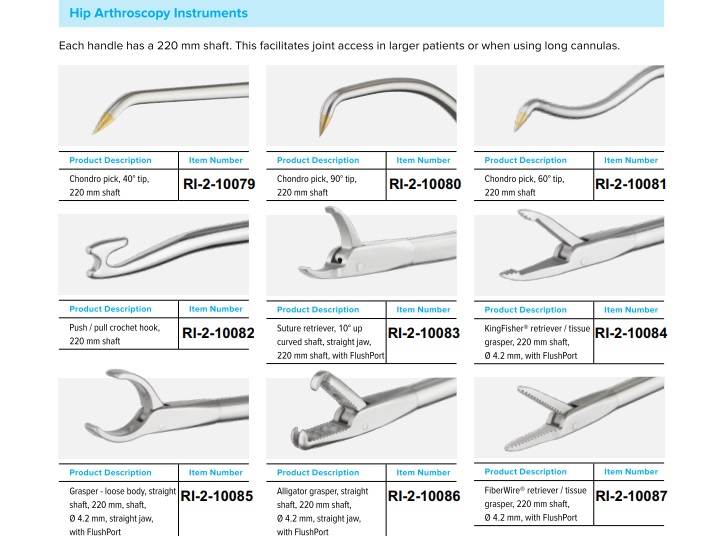
* Crocodile Grasper: Features serrated, interlocking jaws that resemble a crocodile's mouth. This design provides a firm, aggressive grip, ideal for grasping dense, fibrous, or slippery tissues.
* Duckbill Grasper: Characterized by smoother, broader, and often slightly curved jaws, reminiscent of a duck's bill. This design offers a more atraumatic grip, suitable for delicate tissues or for retrieving foreign bodies without causing further damage.
The choice between these two types is a critical decision made by the surgeon, depending on the specific tissue being handled and the surgical task at hand.
2. Deep-Dive into Technical Specifications & Mechanisms
The effectiveness of an arthroscopic grasper lies in its meticulous design, material science, and biomechanical principles.
2.1. Design & Materials
Arthroscopic graspers are engineered for durability, precision, and biocompatibility.
- Shaft: Typically made from high-grade medical stainless steel or titanium for strength and corrosion resistance. Some advanced instruments may incorporate PEEK (Polyetheretherketone) for insulation or reduced weight. Shafts come in various lengths (e.g., 90mm to 180mm) and diameters (e.g., 2.7mm to 5.0mm) to accommodate different joint sizes and portal requirements.
- Handle: Ergonomically designed for surgeon comfort and control. Common designs include:
- Finger Ring Handles: Provide tactile feedback and precise control.
- Pistol Grip Handles: Offer a more secure grip and leverage.
- Ratchet Mechanisms: Allow the jaws to be locked in a closed position, useful for sustained grasping or retraction.
Materials often include lightweight, sterilizable plastics or stainless steel.
- Jaws (Working End): The most critical part, dictating the instrument's function.
- Crocodile Jaws: Feature sharp, often serrated teeth for maximum grip. Some may have tungsten carbide inserts for enhanced durability and grip on tough tissues.
- Duckbill Jaws: Smooth, non-serrated, and typically broader to distribute pressure over a larger surface area, minimizing tissue trauma.
- Materials: Medical-grade stainless steel is standard, sometimes with specialized coatings for reduced friction or enhanced biocompatibility.
- Articulation & Rotation: Many graspers feature a rotating shaft (360-degree rotation) to orient the jaws optimally within the joint. Some advanced models offer distal articulation (bending of the tip) for accessing difficult angles.
- Insulation: Graspers used with electrocautery devices (for tissue cutting or coagulation) are insulated along the shaft to prevent unintended thermal injury to surrounding tissues.
2.2. Mechanism of Action
The grasper operates on a simple yet effective lever mechanism. Squeezing the handle transmits force through a rod system within the shaft to open or close the jaws. This mechanical advantage allows the surgeon to exert significant force with fine control. The long, slender design allows deep penetration into the joint while minimizing portal size.
2.3. Biomechanics
- Force Transmission: The design ensures efficient transmission of force from the surgeon's hand to the working tip, allowing for precise grasping with minimal effort.
- Tissue Interaction:
- Crocodile: High friction and localized pressure points due to serrations, providing a secure hold even on slippery or fragmented tissue. Risk of tissue tearing is higher if not used carefully.
- Duckbill: Lower friction, broader contact area, distributing pressure more evenly. Minimizes crushing or tearing of delicate structures.
- Ergonomics: The handle design plays a crucial role in reducing surgeon fatigue during lengthy procedures, enhancing precision and control.
3. Extensive Clinical Indications & Usage
Arthroscopic graspers are indispensable across a wide spectrum of orthopedic arthroscopic procedures.
3.1. General Arthroscopy Applications
- Joint Exploration: Used to gently probe, retract, and manipulate tissues to improve visualization and identify pathologies.
- Foreign Body Retrieval: Essential for removing loose bodies (cartilage fragments, bone chips, suture remnants) from the joint space, which can cause pain, locking, or further damage. The Duckbill grasper is often preferred here due to its atraumatic design.
- Synovial Debridement: Grasping and removing inflamed or hypertrophied synovial tissue.
3.2. Specific Joint Applications
Knee Arthroscopy
- Meniscal Repair/Trimming:
- Crocodile: Used to grasp and stabilize meniscal fragments for precise trimming (meniscectomy) or to hold tissue during suture placement for repair.
- Duckbill: Can be used for delicate retraction of the meniscus or retrieving sutures during complex repair.
- Loose Body Removal: Frequently used to capture and extract cartilage or bone fragments that can cause mechanical symptoms.
- Synovial Plica Excision: Grasping and removing problematic plicae.
Shoulder Arthroscopy
- Labral Repair:
- Crocodile: Critical for grasping torn labral tissue, reducing it to the glenoid rim, and holding it while anchors and sutures are placed. Also used for suture retrieval.
- Duckbill: Useful for delicate manipulation of the labrum or capsule without tearing.
- Rotator Cuff Repair: Used to grasp and mobilize tendon edges for repair, and for retrieving sutures.
- Capsular Release: For frozen shoulder, graspers can help manipulate the capsule.
- Biceps Tenodesis: Grasping and holding the biceps tendon.
Hip Arthroscopy
- Labral Debridement/Repair: Similar to shoulder labrum, graspers are vital for manipulating and securing hip labral tears.
- Loose Body Removal: Due to the deep nature of the hip joint, specialized long graspers are crucial for extracting loose bodies.
- Capsular Management: Grasping and manipulating the joint capsule.
Ankle Arthroscopy
- Synovial Impingement: Grasping and removing inflamed synovium.
- Osteophyte Removal: Can be used to grasp small osteophytes for removal.
Wrist & Elbow Arthroscopy
- For smaller joints, micro-graspers with finer jaws and smaller diameters are used for highly delicate procedures like debridement of cartilage fragments or removal of loose bodies.
3.3. Fitting/Usage Instructions (General Principles for the Surgeon)
While specific usage varies by procedure, core principles ensure effective and safe operation:
- Instrument Selection: Choose the appropriate grasper type (Crocodile for firm grip, Duckbill for delicate handling) and size based on the joint, tissue type, and surgical objective.
- Portal Placement: Insert the grasper through an established arthroscopic portal, ensuring it doesn't impinge on neurovascular structures.
- Visualization: Always maintain direct visualization of the grasper's working end via the arthroscope to prevent iatrogenic injury.
- Maneuvering: Use gentle, controlled movements to navigate the grasper within the joint space. Utilize the rotation feature to orient the jaws optimally.
- Tissue Manipulation:
- Grasping: Position the jaws around the target tissue, then close them firmly but carefully. Avoid excessive force that could crush or tear.
- Pulling/Retracting: Apply steady, controlled traction.
- Retrieving: For loose bodies, aim to encapsulate the object fully within the jaws before extraction.
- Coordination: Often used in conjunction with other instruments (e.g., shaver, radiofrequency probe) and the arthroscope itself, requiring precise hand-eye coordination.
4. Risks, Side Effects, or Contraindications
While arthroscopic surgery using graspers is generally safe, potential risks exist, as with any surgical procedure.
4.1. General Arthroscopy Risks
- Infection: Though rare, any surgical incision carries a risk of infection.
- Bleeding: Minimal in arthroscopy, but hematoma formation can occur.
- Nerve/Vascular Injury: Damage to surrounding nerves or blood vessels from portal placement or instrument manipulation.
- Deep Vein Thrombosis (DVT): Blood clot formation, especially in lower extremity procedures.
- Anesthesia Risks: Standard risks associated with general or regional anesthesia.
4.2. Instrument-Specific Risks
- Iatrogenic Tissue Damage: Improper selection or forceful use of a grasper (especially Crocodile type) can lead to unintended damage to healthy cartilage, ligaments, or other soft tissues.
- Instrument Breakage: Though rare with high-quality instruments and proper handling, extreme force or material fatigue can lead to a grasper breaking, potentially leaving a fragment within the joint.
- Retained Foreign Body: In extremely rare cases, a broken instrument fragment could be left inside the joint, necessitating further intervention.
- Thermal Injury: If an electrocautery-compatible grasper is used without proper insulation or technique, it can cause burns to surrounding tissues.
4.3. Contraindications
Absolute contraindications are rare but include:
* Active Joint Infection: Arthroscopy could spread the infection.
* Severe Osteoarthritis: Where arthroscopy offers no significant benefit over more definitive treatments like joint replacement.
* Inability to Tolerate Anesthesia: Due to underlying medical conditions.
* Severe Skin Conditions/Open Wounds near the Joint: May increase infection risk.
5. Expert Tips from Dr. Mohammed Hutaif
"As an orthopedic surgeon, I rely heavily on arthroscopic graspers for the delicate and precise work required inside a joint. Here are my key insights for optimal use and patient safety:"
- "Always select the appropriate grasper: A Crocodile grasper provides a robust grip for dense tissue or meniscal fragments, while a Duckbill is invaluable for retrieving delicate foreign bodies or manipulating synovium without trauma. Choosing correctly is the first step to success."
- "Gentle manipulation is key: While the instruments are robust, the tissues within the joint are delicate. Avoid excessive force that could lead to iatrogenic damage to healthy cartilage or ligaments."
- "Regular instrument inspection is paramount: Before every procedure, I ensure all instruments, especially graspers, are meticulously inspected for wear, jaw alignment, and proper function. This is critical for patient safety and surgical efficacy."
- "Mastering 3D spatial awareness: Operating arthroscopically requires a unique understanding of the joint's anatomy in a 2D view. Practice and experience are crucial to accurately position and manipulate the grasper without direct vision of your hands."
- "Utilize the grasper beyond just grasping: These tools can also be used for gentle palpation to assess tissue consistency, for retraction to improve visualization, or even as a blunt dissector in some instances, maximizing their versatility."
6. Maintenance & Sterilization Protocols
Proper maintenance and sterilization are non-negotiable to ensure patient safety, prevent infection, and prolong instrument lifespan.
6.1. Immediate Post-Operative Cleaning
- Rinsing: Immediately after use, rinse the grasper thoroughly with sterile water to remove gross contaminants (blood, tissue).
- Disassembly: If the grasper is multi-part, disassemble it according to manufacturer instructions for thorough cleaning.
6.2. Manual & Automated Cleaning
- Enzymatic Detergents: Soak instruments in an enzymatic cleaning solution to break down organic matter.
- Brushing: Use soft brushes to clean lumens, serrations, and hinges. Pay special attention to the jaws.
- Ultrasonic Cleaning: Many facilities use ultrasonic cleaners, which use high-frequency sound waves to dislodge microscopic debris from intricate parts.
6.3. Inspection
- Visual Check: Inspect for any visible damage, corrosion, pitting, cracks, or dullness of the jaws.
- Functionality Check: Verify smooth operation of the handle, jaw closure, and articulation/rotation. Ensure jaws align perfectly.
- Insulation Integrity: For insulated graspers, check for any nicks, cracks, or breaches in the insulation that could lead to electrical shorting or thermal injury.
6.4. Lubrication
- Apply medical-grade lubricant specifically designed for surgical instruments to hinges and moving parts to ensure smooth operation and prevent corrosion.
6.5. Sterilization
- Packaging: Instruments are carefully arranged in sterilization trays or pouches, ensuring proper air circulation and steam penetration.
- Autoclaving (Steam Sterilization): This is the most common and effective method. Instruments are exposed to high-pressure saturated steam at specific temperatures and durations (e.g., 121°C for 15-30 minutes or 132°C for 4-10 minutes, depending on the cycle).
- Low-Temperature Sterilization: For heat-sensitive instruments, methods like ethylene oxide (EtO) or hydrogen peroxide gas plasma may be used.
6.6. Storage
- Sterilized instruments are stored in a dry, clean, and dust-free environment until needed, maintaining their sterile barrier.
- Traceability: Each instrument's sterilization cycle and usage are often logged for quality control and patient safety.
7. Patient Outcome Improvements
The use of advanced arthroscopic graspers, particularly the specialized Crocodile and Duckbill types, significantly contributes to improved patient outcomes in several ways:
- Minimally Invasive Benefits:
- Smaller Incisions: Leads to less tissue trauma, reduced scarring, and improved cosmetic results.
- Less Post-operative Pain: Smaller incisions and less tissue disruption mean less pain compared to open surgery.
- Faster Recovery: Patients typically experience quicker rehabilitation and return to daily activities and sports.
- Reduced Risk of Complications: Lower risk of infection, blood loss, and other complications associated with larger incisions.
- Precision and Efficacy: The ability to precisely grasp, manipulate, and remove specific tissues or foreign bodies within the joint enhances the surgeon's ability to address the pathology effectively. This precision can lead to better functional outcomes, such as improved joint stability, range of motion, and pain relief.
- Reduced Need for Open Surgery: By enabling a wider range of procedures to be performed arthroscopically, these instruments reduce the need for more invasive open surgeries, which carry higher risks and longer recovery times.
- Improved Diagnostic Capabilities: Graspers can aid in palpating and manipulating structures to confirm diagnoses during the arthroscopic examination, leading to more targeted treatment.
8. Frequently Asked Questions (FAQ)
Q1: What exactly is an arthroscopic grasper?
A1: An arthroscopic grasper is a specialized surgical instrument used in minimally invasive joint surgery (arthroscopy). It's a long, slender tool with a handle at one end and small, precise jaws at the other, designed to grasp, hold, or remove tissues and foreign bodies from inside a joint through tiny incisions.
Q2: What's the main difference between a "Crocodile" and "Duckbill" grasper?
A2: The difference lies in the design of their jaws. A "Crocodile" grasper has serrated, interlocking jaws similar to a crocodile's teeth, providing a very firm, aggressive grip for tougher or slippery tissues. A "Duckbill" grasper has smoother, broader, and often slightly curved jaws, like a duck's bill, offering a gentler, more atraumatic grip suitable for delicate tissues or retrieving foreign objects without causing further damage.
Q3: How does an arthroscopic grasper help Dr. Mohammed Hutaif in surgery?
A3: It acts as an extension of Dr. Hutaif's hand inside your joint. It allows him to precisely manipulate tissues, remove torn cartilage fragments (like a meniscus tear), retrieve loose bone chips, or hold structures in place while other repairs are performed. This precision is crucial for successful minimally invasive surgery.
Q4: Is arthroscopic surgery painful, and how does the grasper affect that?
A4: Arthroscopic surgery is generally much less painful than traditional open surgery because it involves smaller incisions and less tissue disruption. The grasper, by enabling precise work through these small incisions, contributes to this reduced pain by minimizing trauma to surrounding healthy tissues. Pain management protocols are always in place to ensure your comfort.
Q5: What materials are these specialized instruments made from?
A5: Arthroscopic graspers are typically crafted from high-grade medical stainless steel or titanium, chosen for their strength, durability, and resistance to corrosion. The handles may incorporate lightweight, sterilizable plastics, and some jaws might have tungsten carbide inserts for enhanced grip and longevity. These materials are biocompatible, meaning they are safe for use within the human body.
Q6: How are these instruments kept sterile and safe for my surgery?
A6: After each use, instruments undergo a rigorous cleaning and sterilization process. This involves immediate rinsing, manual and often ultrasonic cleaning with enzymatic detergents, thorough inspection for any damage, lubrication of moving parts, and then high-pressure steam sterilization (autoclaving) in specialized packaging. This multi-step process ensures they are completely sterile and safe for every patient.
Q7: Can these instruments break during surgery?
A7: While extremely rare, any surgical instrument can potentially break under extreme stress or due to material fatigue. However, modern arthroscopic graspers are designed and manufactured to very high standards, and surgeons like Dr. Hutaif meticulously inspect them before each use to minimize this risk. If a breakage were to occur, protocols are in place for safe retrieval.
Q8: What are the benefits of using these specialized instruments for me as a patient?
A8: The primary benefits include smaller incisions, which lead to less pain, reduced scarring, and a faster recovery period compared to open surgery. The precision offered by these instruments allows for more accurate treatment of your joint problem, potentially leading to better long-term functional outcomes and a quicker return to your normal activities.
Q9: How long is the recovery after surgery involving these instruments?
A9: Recovery time varies greatly depending on the specific joint, the complexity of the procedure, and individual patient factors. However, because arthroscopic surgery is minimally invasive, recovery is generally faster than open surgery. Dr. Hutaif will provide a personalized recovery plan, including physical therapy, to optimize your healing and return to function.
Q10: Are there any alternatives to using a grasper in arthroscopy?
A10: Graspers are fundamental for many tasks in arthroscopy, as they provide the unique ability to firmly hold or retrieve tissue. While other instruments like shavers (for debridement), probes (for palpation), or radiofrequency wands (for tissue modification) serve different purposes, a grasper's function of secure manipulation and removal of tissue is often irreplaceable for specific surgical steps.
Q11: How does Dr. Hutaif ensure precision when using these delicate tools in a complex joint?
A11: Dr. Hutaif combines extensive training and experience with advanced imaging techniques. He uses the arthroscope's camera to visualize the joint on a monitor, allowing for magnified, detailed views. His expertise in hand-eye coordination, coupled with a deep understanding of joint anatomy and the specific biomechanics of each grasper, ensures precise and safe manipulation of tissues, even in the most challenging joint spaces.
Disclaimer: This content is for informational purposes only and is not medical advice. Always consult with a qualified healthcare professional for diagnosis and treatment of any medical condition.