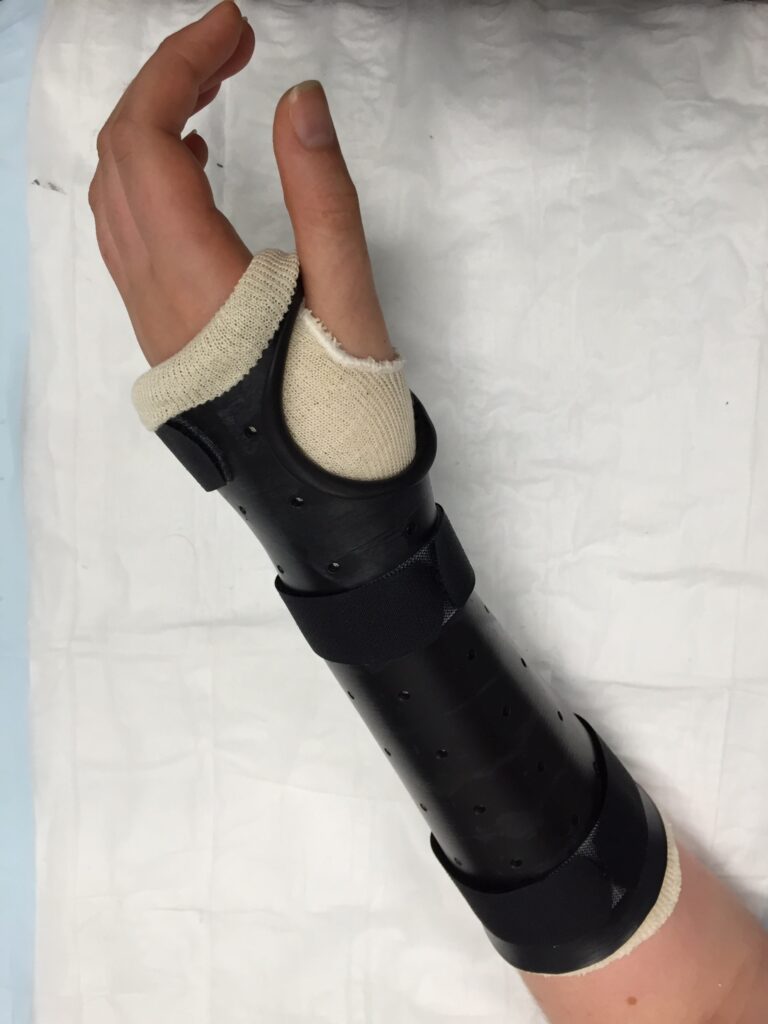
The Wrist Thumb Brace (Short Opponens): An Expert Orthopedic Guide
The human hand, with its intricate network of bones, joints, tendons, and ligaments, is a marvel of dexterity and function. The thumb, in particular, contributes significantly to our ability to grip, pinch, and manipulate objects. When conditions like osteoarthritis, tendinitis, or ligament injuries affect the thumb's delicate mechanics, daily activities can become challenging and painful. This is where specialized orthopedic devices, such as the Wrist Thumb Brace (Short Opponens), play a crucial role in restoring function, alleviating pain, and supporting healing.
As expert medical SEO copywriters and orthopedic specialists, we understand the critical need for precise, authoritative information. This comprehensive guide delves into every aspect of the Wrist Thumb Brace (Short Opponens), offering an exhaustive resource for patients, caregivers, and healthcare professionals alike. We will explore its design principles, biomechanical advantages, extensive clinical applications, fitting instructions, maintenance protocols, and the profound impact it has on patient outcomes.
1. Comprehensive Introduction & Overview
The Wrist Thumb Brace, often specifically referred to as a "Short Opponens" brace, is a specialized orthopedic support designed to stabilize and protect the thumb's carpometacarpal (CMC) joint and, in some designs, the metacarpophalangeal (MCP) joint, while allowing for relatively free movement of the wrist. The term "Short Opponens" highlights its primary function: to support the thumb in an abducted and opposed position, facilitating functional use of the hand while minimizing stress on the affected thumb joints. Unlike a full thumb spica that immobilizes both the thumb and wrist, the short opponens design prioritizes thumb-specific support, making it ideal for conditions where wrist motion is desirable or unaffected.
Key Characteristics:
- Targeted Thumb Support: Focuses on the CMC and often the MCP joints of the thumb.
- Wrist Mobility: Allows for flexion, extension, and deviation of the wrist.
- Functional Design: Supports the thumb in a functional, opposed position.
- Low Profile: Generally less bulky than full thumb-wrist orthoses.
- Pain Relief & Stability: Reduces pain by limiting unwanted motion and providing joint compression.
This brace serves as a non-invasive, conservative management option for a variety of orthopedic conditions, often delaying or even preventing the need for surgical intervention. It is also an invaluable tool in post-operative rehabilitation, providing controlled protection during the healing process.
2. Deep-Dive into Technical Specifications & Mechanisms
The effectiveness of the Wrist Thumb Brace (Short Opponens) lies in its meticulous design, choice of materials, and the biomechanical principles it employs to support the thumb.
2.1. Design & Construction
Short opponens braces come in various forms, from off-the-shelf pre-fabricated models to custom-molded thermoplastic orthoses.
- Pre-fabricated Braces:
- Materials: Often made from neoprene, breathable fabrics, or lightweight plastics.
- Fit: Sized (S, M, L) and secured with adjustable straps (hook-and-loop fasteners).
- Features: May include a removable or integrated metal/plastic stay to provide rigid support to the thumb. Open-palm designs are common to maximize hand function.
- Custom-Molded Orthoses:
- Materials: Low-temperature thermoplastics (e.g., Polyform, Orfit, Aquaplast).
- Fit: Individually molded by an occupational therapist or certified hand therapist directly to the patient's hand for a precise, conforming fit.
- Features: Allows for exact positioning of the thumb, precise pressure distribution, and customization for specific anatomical variations or injury patterns.
The brace typically extends from the base of the thumb, encompassing the CMC joint, and often extends proximally to just above the wrist crease, leaving the wrist joint free. The thumb trough is designed to hold the thumb in a slight degree of abduction and opposition, optimizing its functional posture.
2.2. Materials & Properties
The selection of materials is critical for comfort, durability, hygiene, and therapeutic efficacy.
| Material Type | Characteristics | Advantages | Disadvantages |
|---|---|---|---|
| Thermoplastics | Rigid, moldable with heat, lightweight, durable. | Excellent immobilization, custom fit, precise control, easy to clean. | Can be less breathable, requires professional fitting, potentially bulkier. |
| Neoprene | Flexible, provides compression, retains warmth, soft. | Comfortable, good for mild support, therapeutic warmth, easy to don/doff. | Less rigid support, can cause sweating, less durable for high impact. |
| Breathable Fabrics | Lightweight, moisture-wicking, hypoallergenic. | Comfortable for prolonged wear, reduces skin irritation, discreet. | Offers minimal rigid support, often used with integrated stays. |
| Silicone/Gel Pads | Soft, cushioning, distributes pressure. | Enhances comfort, protects bony prominences, reduces friction. | Can add bulk, may retain moisture if not properly ventilated. |
| Hook-and-Loop Fasteners | Adjustable, secure closure. | Easy to adjust, allows for swelling changes, simple to use. | Can wear out over time, may snag clothing. |
2.3. Biomechanics & Mechanism of Action
The biomechanical principles underlying the Short Opponens brace are centered on stabilizing the thumb's critical joints while preserving overall hand function.
- Carpometacarpal (CMC) Joint Stabilization: This is the primary target. The CMC joint of the thumb (trapeziometacarpal joint) is a saddle joint, allowing a wide range of motion but making it prone to degenerative changes like osteoarthritis. The brace limits excessive adduction, hyperflexion, and hyperextension, which are often painful movements. By providing external support, it reduces the shear and compressive forces across the joint, thereby alleviating pain and preventing further degeneration.
- Metacarpophalangeal (MCP) Joint Support: Many designs also provide gentle support to the MCP joint, limiting extreme flexion/extension and ulnar/radial deviation, which can be beneficial in conditions like "Gamekeeper's Thumb" (UCL injury) or rheumatoid arthritis.
- Facilitation of Opposition: The brace holds the thumb in a position of slight abduction and opposition. This stable base allows the intrinsic and extrinsic thumb muscles to work more efficiently, improving pinch and grip strength by reducing the effort required to maintain a functional thumb posture. It effectively "rests" the overused or inflamed muscles and tendons.
- Pain Reduction: By immobilizing or restricting painful movements, the brace reduces mechanical stress, inflammation, and nociceptive input from the affected joints and soft tissues. This direct pain reduction is a significant contributor to improved patient outcomes.
- Prevention of Deformity: In chronic conditions like rheumatoid arthritis or advanced osteoarthritis, the brace can help prevent or mitigate progressive deformities, maintaining better joint alignment.
- Preservation of Wrist Mobility: A key differentiator. By allowing the wrist to move freely, the brace minimizes the risk of wrist stiffness and preserves the ability to perform activities that require wrist flexion/extension, such as typing, driving, or carrying objects.
3. Extensive Clinical Indications & Usage
The Wrist Thumb Brace (Short Opponens) is a versatile therapeutic tool used across a broad spectrum of orthopedic conditions. Its judicious application can significantly improve patient comfort and function.
3.1. Primary Indications
- Basal Joint Osteoarthritis (CMC Joint OA): This is arguably the most common and effective application. The brace provides stability, reduces pain during pinch and grip activities, and helps manage the chronic inflammatory process associated with degeneration of the trapeziometacarpal joint.
- De Quervain's Tenosynovitis: While a full thumb spica is often the first-line treatment for acute De Quervain's (inflammation of the abductor pollicis longus and extensor pollicis brevis tendons), a short opponens brace can be used for less severe cases, during the subacute phase, or as a transitional brace when more wrist mobility is desired.
- Ulnar Collateral Ligament (UCL) Injuries of the Thumb (Skier's/Gamekeeper's Thumb): Following repair or for stable Grade I/II sprains, a short opponens brace provides crucial stability to the MCP joint, protecting the healing ligament while allowing functional use of the hand.
- Post-Traumatic Management:
- Ligament Sprains: Other thumb ligament sprains that require support but not complete immobilization of the wrist.
- Tendonitis/Tendinopathy: Inflammation of thumb tendons (e.g., extensor pollicis longus, flexor pollicis longus) where targeted rest and support are beneficial.
- Rheumatoid Arthritis: For pain management, joint protection, and prevention of deformity at the CMC and MCP joints during periods of exacerbation or for chronic support.
- Post-Surgical Rehabilitation: After procedures such as:
- CMC Arthroplasty (e.g., trapeziectomy, suspensionplasty): Provides protection and stability during the initial healing phases.
- Thumb Fusion: Offers external support.
- Ligament Repair/Reconstruction: Protects the repaired structures.
- Neurological Conditions: In some cases of mild spasticity or weakness (e.g., post-stroke), a short opponens brace can help maintain a functional thumb position, preventing contractures and facilitating grasp.
3.2. Usage Scenarios
- Daily Activities: Essential for reducing pain during activities of daily living (ADLs) such as writing, cooking, gripping utensils, or opening jars.
- Occupational Use: For individuals whose work involves repetitive thumb movements or pinch grips, the brace can provide prophylactic support and pain relief.
- Recreational Activities: Depending on the activity, a brace can allow participation in certain sports or hobbies by stabilizing the thumb and reducing stress.
- Overnight Wear: Often recommended to prevent painful positions during sleep and ensure continuous therapeutic effect.
4. Risks, Side Effects, or Contraindications
While generally safe and highly effective, the use of a Wrist Thumb Brace (Short Opponens) is not without potential risks or contraindications. Awareness of these is crucial for patient safety and optimal outcomes.
4.1. Potential Risks & Side Effects
- Skin Irritation or Breakdown: This is the most common issue. Can result from:
- Improper Fit: Too tight, causing pressure points or friction.
- Moisture Accumulation: Lack of breathability, especially in warmer climates or during physical activity.
- Allergic Reaction: To brace materials (e.g., latex, certain plastics).
- Poor Hygiene: Inadequate cleaning of the brace or skin.
- Nerve Compression: If the brace is applied too tightly, it can compress superficial nerves (e.g., superficial radial nerve), leading to numbness, tingling, or pain in the hand or fingers.
- Muscle Atrophy: While less common with a short opponens due to maintained wrist mobility, prolonged, unnecessary immobilization of any joint can lead to muscle weakness or stiffness in the supported area.
- Stiffness in Unaffected Joints: Though designed to allow wrist movement, some individuals may inadvertently limit wrist motion while wearing the brace, potentially leading to mild stiffness if not actively moved.
- Increased Swelling: In rare cases, an ill-fitting brace might impede venous or lymphatic return, leading to increased swelling in the hand or fingers distal to the brace.
- Discomfort or Pain: Initial discomfort is normal, but persistent or worsening pain indicates an improper fit or an underlying issue that needs re-evaluation.
4.2. Contraindications
- Acute Fractures Requiring Rigid Immobilization: While useful post-reduction, a short opponens brace typically does not provide sufficient rigid immobilization for unstable or acute thumb or wrist fractures.
- Open Wounds or Active Infections: The brace should not be applied directly over open wounds, skin lesions, or areas with active infections, as it can impede healing and potentially worsen the infection.
- Severe Swelling: If there is significant acute swelling, a brace might exacerbate the issue or be difficult to fit properly. Swelling should be managed first.
- Circulatory Compromise: Any condition that significantly compromises blood flow to the hand or fingers would make brace use risky, as it could further restrict circulation.
- Severe Allergic Reactions: Documented severe allergies to brace materials.
- Uncontrolled Neuropathic Pain: While some neurological conditions benefit, certain neuropathic pain syndromes might be aggravated by external pressure.
Always consult with a healthcare professional (orthopedic surgeon, hand therapist, physical therapist) for proper diagnosis, prescription, and fitting of the brace to minimize risks and maximize therapeutic benefit.
5. Fitting & Usage Instructions
Proper fitting and consistent usage are paramount for the effectiveness and comfort of the Wrist Thumb Brace (Short Opponens).
5.1. Professional Fitting
It is highly recommended that a qualified healthcare professional (e.g., Certified Hand Therapist, Occupational Therapist, Orthotist) fit the brace. They will:
* Assess your specific condition and anatomy.
* Select the appropriate size and type of brace (pre-fabricated vs. custom).
* Ensure the thumb is positioned correctly (abduction/opposition).
* Check for pressure points and ensure adequate circulation.
* Provide detailed instructions on donning, doffing, and care.
5.2. Donning & Doffing (General Guide)
- Preparation: Ensure your hand is clean and dry. If using a custom thermoplastic brace, ensure any soft lining is in place.
- Position the Thumb: Gently guide your thumb into the thumb trough of the brace, ensuring it is comfortably abducted and slightly opposed.
- Position the Hand: Slide your hand into the main body of the brace, ensuring the palm is open and the brace sits snugly around the base of your thumb and across the back of your hand. The wrist should remain free to move.
- Secure Straps: Fasten the straps, typically using hook-and-loop closures. Start with the strap closest to your wrist or the most proximal strap, then move distally.
- Adjust Snugness: Tighten the straps so the brace feels secure and supportive but not uncomfortably tight. You should be able to comfortably move your fingers (excluding the thumb's restricted movements) and your wrist. There should be no pinching, rubbing, or tingling.
- Check Circulation: After fastening, check your fingertips for color, warmth, and sensation. They should remain pink and warm, and you should not experience numbness or tingling. If you do, loosen the straps immediately.
5.3. Usage Guidelines
- Duration of Wear: Follow your clinician's specific instructions. This may vary from all day (except for hygiene), only during specific activities, or only at night.
- Activity Modification: While the brace provides support, it doesn't make the joint indestructible. Avoid activities that cause pain or excessive stress on the thumb.
- Initial Discomfort: Some initial discomfort is normal as your hand adjusts. Persistent pain, rubbing, or skin irritation should prompt a re-evaluation by your therapist.
- Regular Checks: Periodically check the brace for wear and tear, especially the straps and edges. Inspect your skin for any signs of redness, pressure sores, or irritation.
6. Maintenance & Sterilization Protocols
Proper maintenance ensures the longevity, hygiene, and continued effectiveness of your Wrist Thumb Brace.
6.1. Daily Care & Cleaning
- Routine Cleaning:
- Fabric/Neoprene Braces: Hand wash gently with mild soap (e.g., baby shampoo, dish soap) and cool water. Rinse thoroughly to remove all soap residue. Do NOT use harsh detergents, bleach, or fabric softeners, as these can degrade materials.
- Thermoplastic Braces: Wipe down the entire brace, inside and out, with a damp cloth and mild soap. Pay attention to crevices and areas that contact the skin.
- Drying:
- Air Dry ONLY: Lay flat or hang to air dry completely. Avoid direct heat sources (sunlight, radiators, hair dryers) as these can warp plastic or degrade fabric elasticity. Ensure it is completely dry before re-donning to prevent skin maceration and bacterial growth.
- Skin Care: Keep the skin under the brace clean and dry. Consider using a mild, unscented moisturizer at night when the brace is off, if recommended by your clinician.
6.2. Inspection & Storage
- Regular Inspection:
- Straps: Check for fraying, loss of elasticity, or weakening of hook-and-loop fasteners. Replace if necessary.
- Edges: Ensure there are no sharp edges on plastic braces that could irritate the skin. If found, gently file them smooth or consult your therapist.
- Structural Integrity: Look for cracks, breaks, or deformation in the brace material.
- Storage: Store the brace in a clean, dry place away from direct sunlight and extreme temperatures when not in use. Avoid crushing or distorting the brace.
6.3. Sterilization (Clinical Context)
In a clinical setting, for multi-patient use (e.g., trial braces, custom moldable materials), strict sterilization protocols are followed. However, for a personal brace, the focus is on thorough cleaning and disinfection rather than sterilization. If a brace needs to be shared or re-used in a clinical setting, high-level disinfection with appropriate medical-grade disinfectants is typically employed, following manufacturer guidelines and institutional infection control policies. For personal use, regular soap and water cleaning is sufficient.
7. Patient Outcome Improvements
The ultimate goal of any orthopedic intervention is to improve the patient's quality of life. The Wrist Thumb Brace (Short Opponens) consistently delivers significant improvements across several key outcome measures.
7.1. Quantifiable Improvements
- Pain Reduction: Studies and clinical experience consistently demonstrate a significant reduction in pain, particularly during activities involving pinch and grip. This is often the primary driver for patient satisfaction.
- Increased Functionality (ADLs): Patients report greater ease and less pain when performing activities of daily living such as dressing, eating, writing, cooking, and personal hygiene.
- Improved Grip & Pinch Strength: While the brace itself doesn't directly increase muscle strength, by reducing pain and stabilizing the thumb, it allows patients to use their thumb more effectively, leading to an apparent improvement in functional strength and endurance.
- Reduced Inflammation & Swelling: By resting the affected joints and soft tissues, the brace contributes to a decrease in localized inflammation and associated swelling.
- Delayed Surgical Intervention: For conditions like basal joint osteoarthritis, consistent brace use can often delay or even negate the need for surgical procedures, offering a less invasive management option.
- Enhanced Post-Surgical Recovery: Following surgery, the brace provides a controlled healing environment, protecting surgical repairs and allowing for progressive rehabilitation.
- Improved Joint Alignment: For conditions involving joint laxity or progressive deformity, the brace can help maintain better anatomical alignment.
7.2. Holistic Patient Benefits
- Enhanced Quality of Life: Reduced pain and improved function translate directly into a better overall quality of life, allowing patients to participate more fully in work, hobbies, and social activities.
- Increased Confidence: Patients often gain confidence in using their hand, knowing their thumb is protected and supported.
- Psychological Well-being: Alleviating chronic pain and restoring function can significantly improve a patient's mood and reduce feelings of frustration or helplessness.
- Cost-Effectiveness: As a non-invasive, conservative treatment, it can be a highly cost-effective solution compared to repeated injections or surgical procedures.
The Wrist Thumb Brace (Short Opponens) is more than just a piece of medical equipment; it is a tool that empowers patients to regain control over their hand function and live with less pain.
8. Frequently Asked Questions (FAQ)
Q1: What is a Wrist Thumb Brace (Short Opponens)?
A1: It's an orthopedic support designed to stabilize the thumb's carpometacarpal (CMC) joint and sometimes the metacarpophalangeal (MCP) joint, while allowing free movement of the wrist. It helps reduce pain and improve function for various thumb conditions.
Q2: How is it different from a full thumb spica brace?
A2: A full thumb spica immobilizes both the thumb and the wrist, restricting wrist motion. A short opponens brace specifically targets the thumb joints, leaving the wrist free to move, which is beneficial when wrist mobility is desired or unaffected.
Q3: What conditions does the Short Opponens brace treat?
A3: It is commonly used for basal joint osteoarthritis (thumb CMC OA), De Quervain's tenosynovitis (less severe cases), ulnar collateral ligament injuries (Skier's Thumb), post-traumatic support, rheumatoid arthritis, and post-surgical rehabilitation of the thumb.
Q4: How long should I wear my brace each day?
A4: The duration of wear is highly individualized and should be determined by your healthcare professional. It can range from all day (except for hygiene) to only during specific activities or just overnight.
Q5: Can I wear my Wrist Thumb Brace (Short Opponens) while sleeping?
A5: Yes, often it is recommended to wear the brace overnight to prevent painful positions during sleep and provide continuous therapeutic support. Always follow your clinician's advice.
Q6: How do I clean my brace?
A6: For fabric/neoprene braces, hand wash with mild soap and cool water, then air dry completely. For thermoplastic braces, wipe with a damp cloth and mild soap. Avoid harsh chemicals, hot water, or machine washing/drying, as these can damage the brace.
Q7: Is the brace waterproof? Can I shower or swim with it on?
A7: Most braces are not designed to be fully waterproof. You should generally remove your brace before showering, bathing, or swimming to prevent material degradation, skin irritation, and ensure proper hygiene. Custom thermoplastic braces can get wet, but they need to be thoroughly dried afterwards.
Q8: What should I do if my brace causes skin irritation or discomfort?
A8: If you experience persistent redness, itching, pain, or skin breakdown, remove the brace and contact your healthcare professional immediately. It may indicate an improper fit, a need for material adjustment, or an underlying skin issue.
Q9: Can I exercise or play sports with my brace on?
A9: It depends on the type of exercise or sport and your specific condition. Some low-impact activities might be permissible, while high-impact or contact sports are generally not recommended. Always consult your healthcare professional for guidance on activity levels while wearing the brace.
Q10: How do I know if my brace is fitted correctly?
A10: A correctly fitted brace should feel snug and supportive but not painfully tight. Your thumb should be held in a comfortable, functional position, and your wrist should be able to move freely (for a short opponens). There should be no pinching, rubbing, numbness, or tingling in your fingers. If in doubt, consult your hand therapist or orthotist.
Q11: Will my insurance cover the cost of a Wrist Thumb Brace (Short Opponens)?
A11: Coverage varies significantly depending on your insurance provider, plan, and the medical necessity determined by your physician. It's best to contact your insurance company directly and inquire about coverage for "orthotic devices" or "splints" (CPT codes may apply).
Q12: How long will my brace last?
A12: The lifespan of a brace depends on its material, frequency of use, and how well it's maintained. Fabric braces may last several months to a year, while custom thermoplastic braces can last much longer, often several years, with proper care. Regularly inspect your brace for wear and tear.