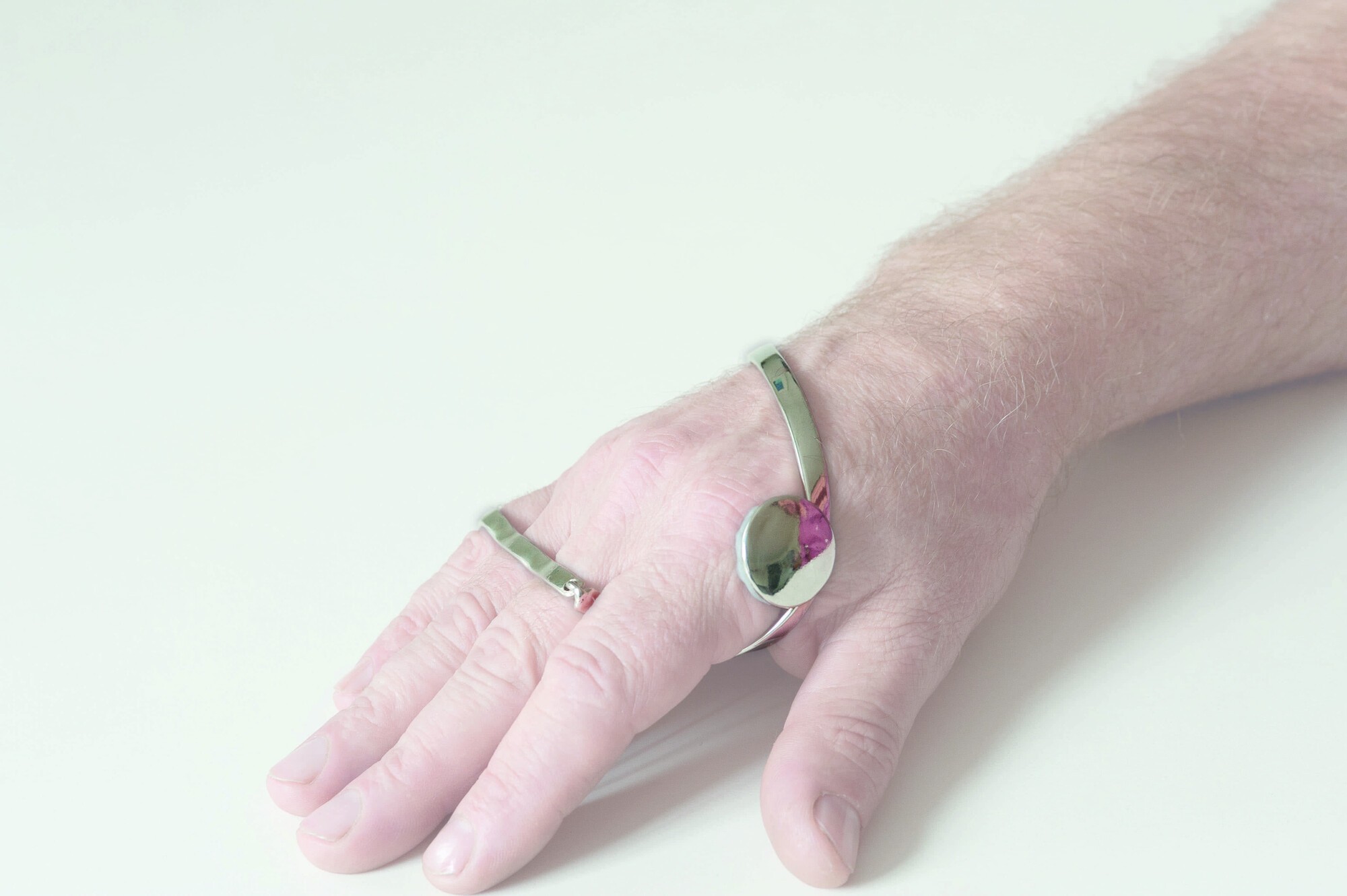
The Definitive Guide to the Wrist Drop Splint (Dynamic MCP Extension)
Comprehensive Introduction & Overview
Wrist drop, medically known as radial nerve palsy, is a debilitating condition characterized by the inability to extend the wrist and fingers, often leading to significant functional impairment of the hand. This occurs due to damage or compression of the radial nerve, which innervates the extensor muscles of the forearm and hand. For individuals grappling with this challenge, the Wrist Drop Splint (Dynamic MCP Extension) emerges as a critical orthopedic assistive device, playing a pivotal role in rehabilitation and functional recovery.
This specialized orthosis is not merely a static support; its "dynamic" nature is key to its effectiveness. By providing passive extension to the metacarpophalangeal (MCP) joints while allowing active finger flexion, it facilitates a functional grasp, prevents contractures, and supports the healing radial nerve. This comprehensive guide will delve into the intricate design, biomechanical principles, clinical applications, and patient outcomes associated with this essential rehabilitative tool, offering an authoritative resource for clinicians, patients, and caregivers alike.
Understanding Wrist Drop and the Role of Splinting
Wrist drop significantly impacts daily activities, making simple tasks like holding objects, typing, or self-care challenging. The inability to extend the wrist places the hand in a flexed position, weakening grip strength and preventing effective manipulation. Splinting, particularly with a dynamic orthosis, addresses these issues by:
* Supporting the wrist and fingers: Maintaining them in a functional position.
* Preventing overstretching: Protecting denervated muscles and tendons.
* Facilitating functional movement: Enabling active finger flexion against the splint's passive extension force.
* Preventing contractures: Counteracting the natural tendency for joints to stiffen in a flexed position.
* Promoting nerve recovery: By maintaining proper alignment and reducing strain on the nerve.
Deep-Dive into Technical Specifications & Mechanisms
The Wrist Drop Splint (Dynamic MCP Extension) is a sophisticated device engineered for optimal patient comfort and therapeutic efficacy. Its design integrates several components that work synergistically to achieve its dynamic function.
Design and Materials
The construction of a dynamic wrist drop splint typically involves a combination of durable, lightweight, and skin-friendly materials.
- Base Material (Forearm and Hand Components):
- Thermoplastic: Low-temperature thermoplastics are commonly used, molded directly onto the patient's limb for a custom fit. These materials are rigid enough to provide support but can be easily adjusted with heat.
- Polypropylene/Polyethylene: For prefabricated or custom-fabricated models, these plastics offer durability and lightweight properties.
- Outrigger System:
- Metal Wire (e.g., Stainless Steel, Aluminum): Forms the framework that extends from the dorsal aspect of the splint over the fingers. It must be strong enough to support the dynamic components but malleable enough for adjustments.
- Carbon Fiber Composites: Increasingly used for their superior strength-to-weight ratio and sleek profile in advanced designs.
- Dynamic Components:
- Elastic Bands/Rubber Bands: Attached to finger slings and the outrigger, providing continuous passive tension for MCP extension. The tension can often be adjusted by varying the number or strength of the bands.
- Coil Springs: Some designs incorporate small coil springs within the outrigger system to provide the dynamic extension force, offering a more consistent and adjustable tension than elastic bands.
- Padding and Strapping:
- Foam/Gel Padding: Strategically placed at pressure points (e.g., bony prominences, edges of the splint) to enhance comfort and prevent skin breakdown. Materials are often breathable and hypoallergenic.
- Velcro® Straps/Hook-and-Loop Closures: Secure the splint to the forearm and hand, allowing for easy application, removal, and adjustment.
Biomechanics: How it Works
The core principle of the dynamic wrist drop splint lies in its ability to provide passive MCP joint extension while simultaneously facilitating active finger flexion.
- Wrist Positioning: The forearm trough and palmar bar component of the splint typically positions the wrist in slight extension (e.g., 10-20 degrees) and slight ulnar deviation. This "functional position" optimizes the length-tension relationship of the extrinsic finger flexors, thereby improving grasp strength and efficiency.
- MCP Extension: The dorsal outrigger system, connected to individual finger slings or pads around the proximal phalanges, applies a constant, gentle pull. This force passively extends the MCP joints, lifting the fingers out of the "dropped" position.
- Active Finger Flexion: Crucially, the dynamic tension allows the patient to actively overcome the elastic resistance to flex their fingers into a fist or around an object. When the active contraction ceases, the dynamic components gently return the fingers to extension. This active participation is vital for muscle re-education and maintaining joint mobility.
- Radial Nerve Support: By maintaining the hand in a functional position and preventing overstretching of denervated muscles, the splint reduces mechanical stress on the healing radial nerve. It also prevents shortening of the opposing (flexor) muscles, which could lead to contractures and hinder future recovery.
- Improved Functional Grasp: The combination of a supported wrist and extended MCP joints allows for a more effective "tenodesis effect" (if wrist extensors are intact or recovering) and improves the ability to grasp and release objects, significantly enhancing functional independence.
Extensive Clinical Indications & Usage
The Wrist Drop Splint (Dynamic MCP Extension) is a cornerstone in the rehabilitation of various conditions affecting the radial nerve and related musculature.
Primary Clinical Indications
- Radial Nerve Palsy: This is the most common indication, encompassing various etiologies:
- Traumatic Injuries: Fractures of the humerus (especially spiral fractures), lacerations, gunshot wounds.
- Compression Neuropathy: "Saturday night palsy" (prolonged compression of the radial nerve in the upper arm), tourniquet paralysis, crutch palsy.
- Iatrogenic Injury: Nerve damage sustained during surgery.
- Honeymooner's Palsy: Similar to Saturday night palsy, from prolonged pressure.
- Lead Poisoning: Can cause radial nerve neuropathy.
- Post-Operative Support: Following radial nerve repair or tendon transfer procedures, the splint can protect the surgical site, maintain alignment, and facilitate early mobilization.
- Brachial Plexus Injury: If the radial nerve is affected as part of a more extensive brachial plexus injury.
- Cerebrovascular Accident (Stroke): In some cases, a stroke may result in weakness mimicking wrist drop, where the dynamic splint can aid in functional recovery and prevent contractures.
- Peripheral Neuropathies: Certain neuropathies that selectively affect the radial nerve.
Secondary Indications and Benefits
- Prevention of Contractures: Crucial for maintaining the length of extensor tendons and joint capsules, preventing fixed deformities.
- Facilitation of Functional Activities: Enables patients to perform activities of daily living (ADLs) more independently, such as eating, dressing, and writing.
- Pain Management: By supporting the limb and preventing unnatural positions, it can reduce discomfort associated with unsupported wrist drop.
- Protection of Denervated Muscles: Prevents overstretching of muscles that have lost their nerve supply, potentially aiding nerve regeneration.
- Proprioceptive Feedback: Provides sensory input that can help with motor re-learning and body awareness.
- Psychological Support: Empowering patients to regain some hand function can significantly improve morale and motivation during a challenging recovery process.
Fitting and Usage Instructions
Proper fitting and consistent usage are paramount for the effectiveness and safety of the dynamic wrist drop splint. This process should ideally be overseen by an occupational therapist, physical therapist, or certified orthotist.
A. Professional Fitting Steps:
- Assessment: The clinician assesses the patient's hand and forearm anatomy, skin integrity, range of motion, and specific functional goals.
- Molding (for Custom Splints): If custom-fabricated, low-temperature thermoplastic material is heated and molded directly to the patient's forearm and hand, ensuring a snug but non-constrictive fit.
- Outrigger Fabrication/Adjustment: The metal outrigger is shaped to provide optimal leverage for MCP extension without obstructing other movements.
- Dynamic Component Attachment: Elastic bands or springs are attached to individual finger slings (typically around the proximal phalanges) and the outrigger. Tension is carefully adjusted to provide sufficient extension force while allowing active flexion.
- Strap Placement: Velcro® straps are positioned to secure the splint firmly, typically one around the forearm and another across the palm/wrist, avoiding neurovascular structures.
- Pressure Point Check: The clinician meticulously checks for any areas of excessive pressure, redness, or discomfort, adjusting the splint as needed. Particular attention is paid to bony prominences (e.g., ulnar styloid, radial head, MCP joints).
- Functional Assessment: The patient performs active flexion and extension movements with the splint on, ensuring proper mechanics and comfort.
B. Patient Usage Instructions:
- Wearing Schedule:
- Initial Phase: Often worn for extended periods (e.g., 20-22 hours per day), removing only for hygiene and prescribed exercises.
- Maintenance Phase: As nerve recovery progresses, wearing time may be reduced, focusing on specific activities or periods of rest.
- Night Use: Wearing at night is often recommended to prevent contractures and maintain gains in range of motion.
- Application and Removal:
- Always apply the splint in the prescribed manner, ensuring all straps are snug but not tight.
- Remove gently, inspecting the skin for any redness, irritation, or pressure marks.
- Exercises: Perform prescribed active and passive range of motion exercises for all joints of the hand and wrist when the splint is off. Active finger flexion against the splint's resistance is a key exercise.
- Activity Modification: While the splint aids function, strenuous activities or those involving repetitive gripping should be approached cautiously or avoided initially, as advised by the therapist.
- Skin Care: Keep the skin under the splint clean and dry. Report any persistent redness, blistering, or skin breakdown immediately to the clinician.
- Regular Follow-ups: Regular appointments with the treating therapist or orthotist are essential for monitoring progress, adjusting the splint, and modifying the wearing schedule.
Maintenance & Sterilization Protocols
Proper maintenance of the Wrist Drop Splint (Dynamic MCP Extension) is crucial for its longevity, hygiene, and continued therapeutic effectiveness.
Daily Care
- Cleaning: The thermoplastic components, straps, and padding should be wiped clean daily with a mild soap and water solution. A gentle, non-abrasive cloth or sponge is recommended.
- Drying: Ensure all components are thoroughly air-dried before reapplication to prevent skin irritation and bacterial growth. Avoid direct heat, which can warp thermoplastic materials.
- Inspection: Daily inspect the splint for any signs of wear and tear:
- Cracks or breaks in the thermoplastic.
- Fraying or damage to straps.
- Weakening or stretching of elastic bands/springs.
- Bending or damage to the metal outrigger.
- Loose or sharp edges that could irritate the skin.
Periodic Maintenance
- Strap Replacement: Velcro® straps may lose their effectiveness over time and should be replaced as needed.
- Elastic Band/Spring Replacement: Dynamic components, especially elastic bands, can stretch or break. Replace them promptly to maintain consistent tension. Coil springs are more durable but should be checked for fatigue or damage.
- Professional Adjustment: As the patient's condition changes (e.g., swelling reduction, nerve recovery), the splint may require professional adjustments by an orthotist or therapist to maintain optimal fit and function. Never attempt to adjust the metal outrigger or thermoplastic material yourself without professional guidance.
Sterilization (for multi-patient use/clinic settings)
While most patient-specific splints are cleaned rather than sterilized, in a clinical setting where a splint might be adapted for multiple patients (e.g., a trial splint), more rigorous protocols are needed.
* Disinfection: After thorough cleaning with soap and water, the splint can be disinfected using medical-grade disinfectant wipes or solutions that are safe for plastics and metals. Always follow the manufacturer's guidelines for both the splint materials and the disinfectant.
* Autoclaving: Thermoplastic and elastic components are generally NOT autoclavable as high heat will cause warping and degradation. Metal components might be, but it's crucial to consult the manufacturer's specifications.
* Single-Patient Use: For patient-specific orthoses, the focus is on regular cleaning and disinfection by the patient, not sterile processing.
Risks, Side Effects, or Contraindications
While the dynamic wrist drop splint is highly beneficial, it's not without potential risks or situations where its use might be contraindicated or require careful modification.
Potential Risks and Side Effects
- Skin Irritation and Breakdown: Pressure points, rubbing, or inadequate padding can lead to redness, blistering, or even pressure ulcers, especially in patients with compromised sensation or circulation.
- Nerve Compression: An ill-fitting or excessively tight splint can compress superficial nerves (e.g., ulnar nerve at the elbow, radial nerve dorsally), potentially exacerbating nerve damage or causing new symptoms.
- Edema (Swelling): A tight splint can impede venous and lymphatic return, leading to increased swelling in the hand and fingers.
- Joint Stiffness (if improperly used): While the goal is to prevent stiffness, an improperly fitted splint or one worn for too long without prescribed exercises can sometimes contribute to stiffness in unaffected joints.
- Dependency: Over-reliance on the splint without active participation in therapy can hinder intrinsic muscle recovery and functional independence.
- Allergic Reactions: Rare, but some individuals may have sensitivity to certain materials (e.g., latex in some elastic bands, specific plastics).
- Pain: If the splint is poorly adjusted or if underlying nerve irritation is severe, the splint might cause discomfort rather than relief.
Contraindications
- Severe Edema: Acute, uncontrolled swelling of the hand or forearm may contraindicate immediate splint application until swelling is managed, as the splint could worsen it.
- Open Wounds or Active Infections: The splint should not be applied directly over open wounds, unhealed surgical incisions, or areas of active infection due to the risk of exacerbating the condition and hindering healing.
- Fragile Skin or Severe Dermatological Conditions: Patients with extremely fragile skin (e.g., severe burns, certain dermatological diseases) may not tolerate splint wear.
- Unstable Fractures: If there is an unstable fracture that requires different immobilization, the dynamic splint may not be appropriate.
- Severe Cognitive Impairment: Patients who cannot understand or comply with wearing instructions, or who may attempt to self-adjust the splint unsafely, may not be suitable candidates without close supervision.
- Extreme Pain on Application: If applying the splint causes severe, unmanageable pain, the underlying cause must be investigated before continued use.
Massive FAQ Section
Q1: What is a Wrist Drop Splint (Dynamic MCP Extension) and how does it work?
A1: It's an orthopedic device designed to support the wrist and fingers for individuals with radial nerve palsy (wrist drop). The "dynamic" aspect means it uses elastic bands or springs to gently pull your finger knuckles (MCP joints) into extension, while still allowing you to actively bend your fingers for grasping. This helps maintain a functional hand position, prevents stiffness, and aids in nerve recovery.
Q2: Who typically needs this type of splint?
A2: Primarily, individuals with radial nerve palsy resulting from injuries (e.g., humerus fractures), nerve compression ("Saturday night palsy"), or post-surgical recovery. It's also used to prevent contractures and improve hand function during rehabilitation.
Q3: How long do I need to wear the splint each day?
A3: The wearing schedule is highly individualized and determined by your doctor or therapist. Initially, it's often worn for most of the day and night (e.g., 20-22 hours) to maximize benefits and prevent contractures. As your nerve recovers, the wearing time may gradually decrease.
Q4: Can I sleep with the splint on?
A4: Yes, in most cases, sleeping with the splint on is recommended. It helps maintain the hand in a functional position throughout the night, preventing the development of contractures and supporting continuous passive extension of the MCP joints.
Q5: Can I remove the splint for showering or bathing?
A5: Yes, you should remove the splint for showering, bathing, and cleaning the skin underneath. It's crucial to keep the splint and your skin clean and dry to prevent irritation and infection.
Q6: What kind of exercises should I do while wearing the splint?
A6: Your therapist will provide specific exercises. A key exercise involves actively flexing your fingers against the dynamic resistance of the splint. When the splint is off, you'll perform active and passive range of motion exercises for all joints of the hand and wrist. Never perform exercises that cause sharp pain.
Q7: How do I clean and maintain my splint?
A7: Clean the splint daily with mild soap and water, then air dry thoroughly. Inspect it for any cracks, loose straps, or worn-out elastic bands. Report any issues to your therapist. Avoid using harsh chemicals or hot water, which can damage the materials.
Q8: What should I do if the splint causes pain or skin irritation?
A8: Remove the splint immediately and contact your doctor or therapist. Pain or persistent redness indicates a problem with the fit or adjustment, which needs professional attention to prevent skin breakdown or nerve compression. Do not attempt to modify the splint yourself.
Q9: Can I drive a car while wearing the splint?
A9: This depends on the specific design of your splint, your level of recovery, and local driving regulations. Generally, it is not recommended to drive with a splint that significantly restricts wrist or finger movement, as it can impair your ability to safely operate a vehicle. Always consult your doctor or therapist for personalized advice.
Q10: Are there alternatives to this type of splint?
A10: Depending on the severity and stage of your condition, alternatives may include static progressive splints, serial casting, or different types of dynamic splints (e.g., those focusing more on wrist extension). In some severe, non-recovering cases, tendon transfer surgery might be considered. Your medical team will determine the most appropriate intervention for your specific needs.
Q11: How long does nerve recovery typically take, and how does the splint help?
A11: Nerve recovery is a slow process, typically progressing at about 1 inch per month. The splint plays a crucial supportive role by maintaining joint mobility, preventing contractures, protecting the healing nerve, and enabling functional use of the hand during this extended recovery period. It doesn't "heal" the nerve but creates the optimal environment for natural healing to occur.
Q12: Is the splint covered by insurance?
A12: Most medically necessary orthopedic assistive devices, including the Wrist Drop Splint, are typically covered by health insurance. However, coverage varies widely depending on your specific insurance plan and deductible. It's advisable to check with your insurance provider and the orthotist's office regarding coverage details and any out-of-pocket costs.