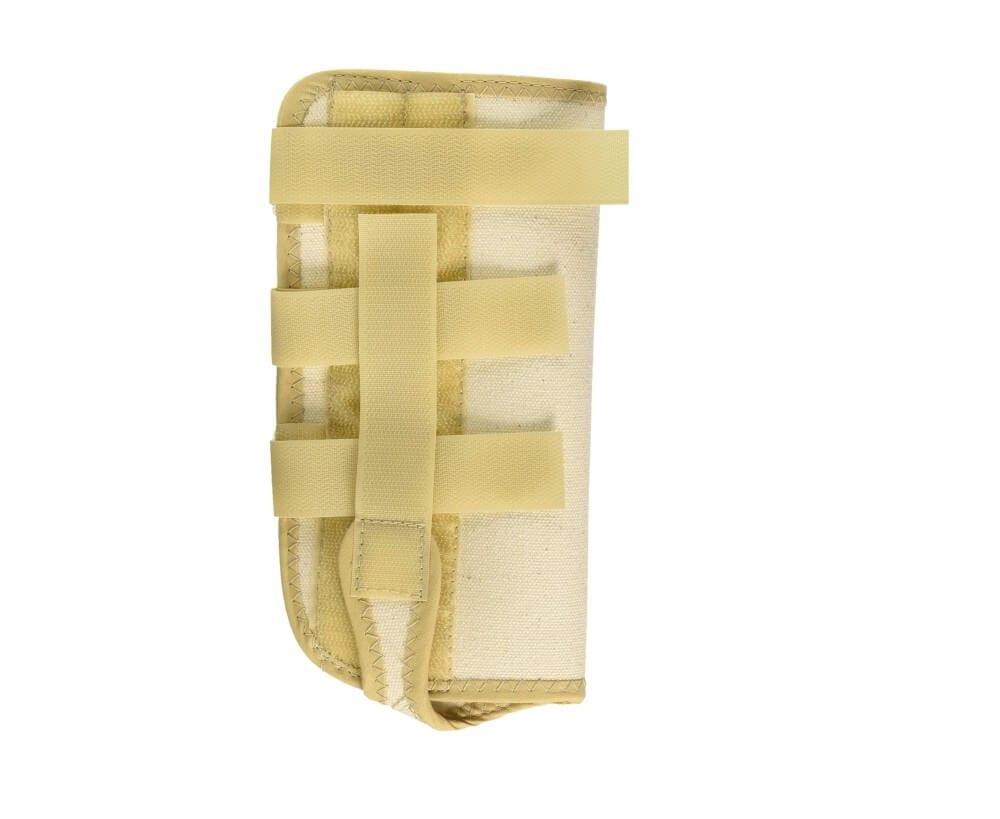
The Volar Cock-Up Wrist Splint: A Comprehensive Orthopedic Guide
The Volar Cock-Up Wrist Splint stands as a cornerstone in orthopedic and rehabilitative medicine, a testament to biomechanical precision and patient-centered care. Designed to provide crucial support and immobilization, this device plays an indispensable role in the recovery process for a multitude of wrist and hand conditions. As expert medical SEO copywriters and orthopedic specialists, we delve deep into the intricacies of this vital assistive device, offering an exhaustive guide that covers its design, clinical applications, usage, maintenance, and profound impact on patient outcomes.
1. Comprehensive Introduction & Overview
A Volar Cock-Up Wrist Splint is an orthopedic brace primarily designed to immobilize the wrist joint in a position of slight extension, often referred to as the "cock-up" position. "Volar" refers to the palm side, indicating that the primary support structure runs along the palmar aspect of the forearm and hand. This specific design aims to stabilize the wrist while allowing full motion of the fingers and thumb, thereby maintaining hand functionality where appropriate.
The fundamental purpose of this splint is multifaceted:
* Immobilization: To restrict unwanted movement of the wrist joint, preventing further injury or aggravation.
* Support: To provide external stability to weakened or injured structures (bones, ligaments, tendons).
* Pain Relief: By immobilizing the affected area, it reduces stress on injured tissues, alleviating pain.
* Facilitate Healing: Creating an optimal environment for tissues to repair and regenerate without disruption.
* Prevent Deformity: Maintaining a functional wrist position to prevent contractures or malunion.
Its widespread use spans from acute injury management to post-surgical rehabilitation and long-term conservative treatment for chronic conditions. Understanding its precise application and biomechanical principles is crucial for both healthcare providers and patients seeking optimal recovery.
2. Deep-dive into Technical Specifications / Mechanisms
The efficacy of the Volar Cock-Up Wrist Splint lies in its meticulously engineered design and the biomechanical advantages of the "cock-up" position.
Design & Materials
Modern Volar Cock-Up Splints are a fusion of advanced materials and ergonomic design, tailored for comfort, durability, and therapeutic effectiveness.
- Primary Support Structure: Located on the volar (palm) side, extending from the forearm to just proximal to the metacarpophalangeal (MCP) joints. This allows for free movement of the fingers and thumb.
- Cock-Up Angle: The defining feature. This angle typically ranges from 10 to 30 degrees of wrist extension. The specific angle can be fixed or adjustable, depending on the splint type and clinical need. This extension is crucial for optimizing carpal tunnel volume and reducing pressure on the median nerve.
- Materials Composition:
- Rigid Components:
- Thermoplastics: Low-temperature thermoplastics (LTT) are commonly used for custom-molded splints due to their ability to be softened in hot water and molded directly onto the patient. High-temperature thermoplastics (HTT) are used in manufacturing pre-fabricated splints.
- Aluminum or Malleable Metal Stays: Embedded within fabric splints to provide rigid support and allow for minor contour adjustments.
- Carbon Fiber Composites: Increasingly used in high-performance or lightweight designs for enhanced strength-to-weight ratio.
- Soft Components:
- Neoprene: Offers compression, warmth, and flexibility, often used in less rigid, more dynamic splints.
- Breathable Foams/Fabrics (e.g., Lycra, Spandex blends): Linings that wick away moisture, prevent skin irritation, and provide cushioning.
- Gel Pads: Strategically placed for pressure distribution and enhanced comfort.
- Fasteners:
- Velcro® (Hook-and-Loop) Straps: Ubiquitous for their ease of application, adjustability, and secure fit. Multiple straps ensure even pressure distribution and prevent migration.
- Rigid Components:
- Key Design Features:
- Forearm Trough: Contoured to cradle the forearm, preventing rotation and ensuring proper alignment.
- Palmar Bar/Plate: Provides direct support to the palm, maintaining the wrist in extension.
- Metacarpal Support: Extends just shy of the MCP joints, allowing full flexion and extension of the fingers.
- Thumb Hole/Opening: Ensures free movement of the thumb unless a specific condition (e.g., De Quervain's tenosynovitis) necessitates thumb immobilization (in which case a thumb spica variation might be used).
- Latex-Free Options: Essential for patients with latex allergies.
Biomechanics of the "Cock-Up" Position
The intentional wrist extension provided by the Volar Cock-Up Splint is not arbitrary; it's rooted in profound biomechanical principles:
- Optimal Carpal Tunnel Volume: In a neutral or slightly flexed wrist position, the carpal tunnel, a narrow passageway in the wrist, experiences increased pressure on its contents, particularly the median nerve. By placing the wrist in 10-30 degrees of extension, the carpal tunnel is maximally open, reducing intracarpal pressure and alleviating nerve compression, a critical mechanism in treating Carpal Tunnel Syndrome.
- Reduced Stress on Flexor Tendons: The extended wrist position places the wrist flexor tendons (which run through the carpal tunnel) in a slightly lengthened and relaxed state. This minimizes tension and friction, aiding recovery from conditions like flexor tendonitis.
- Functional Hand Position: Slight wrist extension is the functional position of the wrist. It optimizes the length-tension relationship of the finger flexor and extensor muscles, improving the efficiency and strength of finger grasp and pinch. This is crucial for maintaining hand function during rehabilitation and preventing contractures in neurological conditions.
- Support for Wrist Extensors: In cases of radial nerve palsy (wrist drop), the splint provides passive support, holding the wrist in extension when active extension is impaired, thereby facilitating functional use of the hand and preventing overstretching of the paralyzed muscles.
- Prevention of Flexion Contractures: For patients with neurological deficits or prolonged bed rest, maintaining wrist extension prevents the development of debilitating flexion contractures, preserving range of motion and potential for recovery.
3. Extensive Clinical Indications & Usage
The Volar Cock-Up Wrist Splint is a versatile tool with a broad spectrum of clinical applications across orthopedic, neurological, and rehabilitative domains.
Orthopedic Applications
| Condition | Rationale for Splint Use | Typical Duration/Context |
|---|---|---|
| Carpal Tunnel Syndrome (CTS) | Reduces pressure on the median nerve by maintaining wrist extension, especially during sleep. Prevents extreme flexion/extension. | Primarily nocturnal, sometimes during symptom-provoking activities. |
| Distal Radius Fractures | Post-reduction immobilization (non-displaced), post-surgical protection (e.g., after ORIF) to protect hardware and facilitate healing. | 4-6 weeks post-injury/surgery, as directed by surgeon. |
| Wrist Sprains/Strains | Stabilizes ligaments/soft tissues, reduces pain, and prevents movements that could exacerbate the injury. | Acute phase (1-3 weeks), then gradually weaned as pain subsides. |
| Tendonitis/Tenosynovitis | Restricts wrist motion to allow inflamed tendons (e.g., flexor/extensor tendonitis) to heal and reduce irritation. | Intermittent use during aggravating activities or continuously for a few weeks, then gradually reduced. |
| Rheumatoid Arthritis (RA) | Provides joint protection, reduces pain, and helps prevent deformities by maintaining a functional wrist position during flare-ups. | During exacerbations, nocturnal use, or as needed for pain and support. |
| Osteoarthritis (OA) | Offers support, reduces pain during activity, and limits excessive motion in degenerative wrist joints. | As needed for pain relief and support during activities. |
| Ganglion Cysts | Immobilization can sometimes help reduce the size or symptoms of ganglion cysts by limiting fluid accumulation and movement. | Intermittent or continuous, depending on symptom severity and medical advice. |
| Post-Surgical Immobilization | After procedures like carpal tunnel release, wrist arthrodesis, tendon repairs, or ligament reconstructions, to protect the surgical site. | Varies greatly based on surgery (e.g., 2-6 weeks), always under surgeon's guidance. |
Neurological & Rehabilitative Applications
- Stroke & Traumatic Brain Injury: Prevents wrist and hand contractures, maintaining a functional position for potential recovery and ease of hygiene.
- Radial Nerve Palsy ("Wrist Drop"): Provides passive support to hold the wrist in extension, allowing for functional use of the fingers and thumb, and preventing overstretching of denervated muscles.
- Spinal Cord Injury: Can be used to prevent contractures and maintain functional hand positions.
Fitting & Usage Instructions
Proper fitting and consistent usage are paramount for the splint's effectiveness and patient comfort.
- Sizing:
- Measure wrist circumference and hand width/length according to manufacturer guidelines.
- Ensure the splint length extends far enough up the forearm to provide adequate leverage but ends proximal to the MCP joints.
- Application Steps:
- Prepare Skin: Ensure the skin is clean, dry, and free of lotions or oils.
- Position Hand: Gently slide the hand into the splint, ensuring the wrist is positioned in the desired "cock-up" extension angle. The palmar bar should align comfortably with the palm, and the forearm trough should cradle the forearm.
- Secure Straps: Start with the forearm straps, securing them snugly but not overly tight. Then, secure the wrist strap, followed by any hand straps.
- Check Fit:
- Two-Finger Rule: You should be able to comfortably slip two fingers under the straps. If not, it's too tight.
- Pressure Points: Check for any areas of excessive pressure, redness, or discomfort, especially over bony prominences.
- Circulation: Ensure fingers remain their normal color, warmth, and sensation. Check capillary refill.
- Finger Mobility: Confirm full, unrestricted movement of the fingers and thumb (unless specific immobilization is required for those digits).
- Patient Education:
- Wear Schedule: Adhere strictly to the prescribed wear schedule (e.g., continuous, nocturnal, activity-specific).
- Activity Modifications: Advise on limiting activities that stress the wrist, even with the splint on.
- Skin Checks: Regularly inspect the skin under and around the splint for redness, irritation, blisters, or sores. Report any issues to a healthcare provider.
- Pain Management: Explain that while the splint reduces pain, some discomfort may persist, and other pain relief strategies might be necessary.
- When to Seek Medical Advice: Emphasize contacting the doctor if pain worsens, swelling increases, numbness/tingling develops, skin irritation becomes severe, or the splint no longer fits correctly.
Maintenance & Hygiene Protocols
For personal use, rigorous hygiene is crucial to prevent skin issues and maintain the splint's integrity.
- Daily Cleaning (Soft Splints):
- Hand wash with mild soap and cool water.
- Rinse thoroughly to remove all soap residue.
- Air dry completely before re-applying. Avoid direct heat (e.g., blow dryers, direct sunlight) as it can damage materials.
- Thermoplastic Splints:
- Wipe down daily with a damp cloth and mild soap.
- Ensure all surfaces, especially crevices, are clean.
- Dry thoroughly.
- Straps: Inspect straps regularly for wear and tear. Worn-out Velcro can compromise the fit and support. Replacement straps are often available.
- Inspection: Periodically check the splint for cracks, sharp edges, or deformation. A damaged splint may not provide adequate support and could cause injury.
- Storage: Store in a clean, dry place away from extreme temperatures.
Patient Outcome Improvements
The correct and consistent use of a Volar Cock-Up Wrist Splint can lead to significant improvements in patient outcomes:
- Effective Pain Reduction: By immobilizing the wrist, the splint significantly reduces mechanical stress on injured tissues, leading to a substantial decrease in pain levels.
- Accelerated Healing: Providing a stable environment allows injured bones, ligaments, and tendons to heal more efficiently and correctly, reducing recovery time.
- Prevention of Complications: It effectively prevents further injury, malunion of fractures, nerve compression, and the development of contractures.
- Restoration of Function: By protecting the healing structures and maintaining a functional wrist position, it facilitates the return to normal daily activities and occupational tasks.
- Enhanced Quality of Life: Reduced pain, improved function, and prevention of complications collectively contribute to a better overall quality of life for the patient during and after recovery.
4. Risks, Side Effects, or Contraindications
While generally safe and highly effective, the Volar Cock-Up Wrist Splint is not without potential risks, side effects, or contraindications.
Potential Risks & Side Effects
- Skin Irritation/Breakdown: Redness, itching, rashes, or even pressure sores can develop, especially if the splint is too tight, incorrectly fitted, or if hygiene is poor. Bony prominences are particularly vulnerable.
- Nerve Compression: An overly tight splint can compress superficial nerves, leading to numbness, tingling, or weakness in the hand and fingers.
- Swelling & Reduced Circulation: If the splint restricts blood flow, it can exacerbate swelling or lead to vascular compromise, manifesting as coldness, pallor, or delayed capillary refill in the fingers.
- Muscle Atrophy: Prolonged, continuous immobilization can lead to disuse atrophy of wrist and forearm muscles. This is why a gradual weaning process and physical therapy are often recommended.
- Joint Stiffness: While the splint aims to keep fingers free, improper fit or extended wear can sometimes lead to stiffness in the MCP joints or other unaffected joints if not actively moved.
- Discomfort & Functional Impairment: Even with a proper fit, wearing a splint can be uncomfortable and may temporarily impede certain fine motor tasks or daily activities.
Contraindications
- Open Wounds or Active Infections: Direct application over an open wound or infected area is contraindicated due to the risk of exacerbating infection and hindering wound healing.
- Severe Swelling: In cases of acute, severe swelling, a splint may be too restrictive and could compromise circulation. Swelling should be managed first, or a different type of immobilization (e.g., soft bandage, bulky dressing) may be more appropriate initially.
- Unstable Fractures Requiring Rigid Immobilization: Some highly unstable or complex fractures may require a full cast or surgical intervention rather than a removable splint for definitive immobilization.
- Allergies to Materials: Patients with known allergies to splint components (e.g., latex, certain plastics) should be provided with alternative materials.
- Conditions Requiring Different Wrist Positions: Certain conditions might necessitate wrist flexion or a neutral position, rendering the "cock-up" position inappropriate.
- Peripheral Vascular Disease/Compromised Circulation: Caution is advised, and frequent monitoring is required, as a splint could further impair circulation in individuals with pre-existing vascular issues.
5. Massive FAQ Section
Here are some frequently asked questions regarding the Volar Cock-Up Wrist Splint:
Q1: What is a Volar Cock-Up Wrist Splint primarily used for?
A1: It's primarily used to immobilize the wrist in a slightly extended ("cock-up") position to support healing, reduce pain, and prevent further injury. Common uses include Carpal Tunnel Syndrome, wrist sprains, distal radius fractures (post-reduction/surgery), and various forms of tendonitis.
Q2: How long should I wear my wrist splint each day?
A2: The duration varies greatly depending on your specific condition and your doctor's instructions. For Carpal Tunnel Syndrome, it's often worn nocturnally (during sleep) and sometimes during symptom-provoking activities. For fractures or post-surgical recovery, it might be worn continuously for several weeks, removed only for hygiene. Always follow your healthcare provider's specific guidance.
Q3: Can I sleep with my Volar Cock-Up Splint on?
A3: Yes, for many conditions like Carpal Tunnel Syndrome, sleeping with the splint on is highly recommended. It prevents unconscious wrist positions (like extreme flexion) that can exacerbate symptoms during the night.
Q4: How do I clean my wrist splint?
A4: For most fabric or soft-lined splints, hand wash with mild soap and cool water. Rinse thoroughly and air dry completely before re-applying. Avoid hot water or machine washing/drying as it can damage the materials. For thermoplastic splints, wipe them down with a damp cloth and mild soap, then dry.
Q5: What's the difference between a cock-up splint and a neutral wrist splint?
A5: A cock-up splint positions the wrist in slight extension (10-30 degrees), which is beneficial for conditions like Carpal Tunnel Syndrome by opening the carpal tunnel. A neutral wrist splint holds the wrist in a straight, neutral position (0 degrees extension/flexion), which might be preferred for some general sprains or inflammatory conditions where extension isn't specifically indicated.
Q6: How tight should my splint be?
A6: Your splint should be snug and supportive but never uncomfortably tight. You should be able to slide two fingers comfortably under the straps. It should not cause numbness, tingling, increased pain, or noticeable changes in finger color or temperature.
Q7: Can I shower or swim with my splint?
A7: Generally, no. Most splints are not designed to get wet. Water can damage the materials, compromise the integrity of the splint, and lead to skin maceration or infection. If your splint must be kept dry, consider using a waterproof cover for showering. Always consult your doctor or therapist for specific advice regarding water exposure.
Q8: What are the signs my splint is too tight or incorrectly fitted?
A8: Signs include increased pain, numbness, tingling, a cold or pale feeling in your fingers, excessive redness or skin irritation, swelling above or below the splint, or if the splint feels like it's digging into your skin. If you experience any of these, loosen the straps or contact your healthcare provider immediately.
Q9: Can I drive while wearing a wrist splint?
A9: Driving with a wrist splint can impair your ability to grip the steering wheel, operate controls, and react quickly, potentially affecting your safety and the safety of others. It is generally not recommended, especially if the splint significantly restricts your wrist movement. Consult your doctor or therapist for personalized advice based on your condition and local driving laws.
Q10: When should I contact my doctor about my splint?
A10: You should contact your doctor if your pain worsens, new numbness or tingling develops, you notice severe skin irritation or pressure sores, the splint breaks or no longer fits correctly, or if you have any concerns about your recovery or the splint's effectiveness.
Q11: Will wearing a splint weaken my wrist muscles?
A11: Prolonged, continuous immobilization can lead to some muscle weakness or atrophy. However, for most conditions, the splint is used for a limited time or intermittently, and its benefits (pain relief, healing) outweigh this risk. Your doctor or physical therapist will likely prescribe exercises to regain strength once appropriate.
Q12: Are there different sizes or types of Volar Cock-Up Splints available?
A12: Yes, they come in various sizes (e.g., small, medium, large, pediatric) and designs. Some are pre-fabricated, others custom-molded. They can differ in the materials used, the degree of wrist extension, and whether they include features like thumb support. Your healthcare provider will help you choose the most appropriate type for your condition.