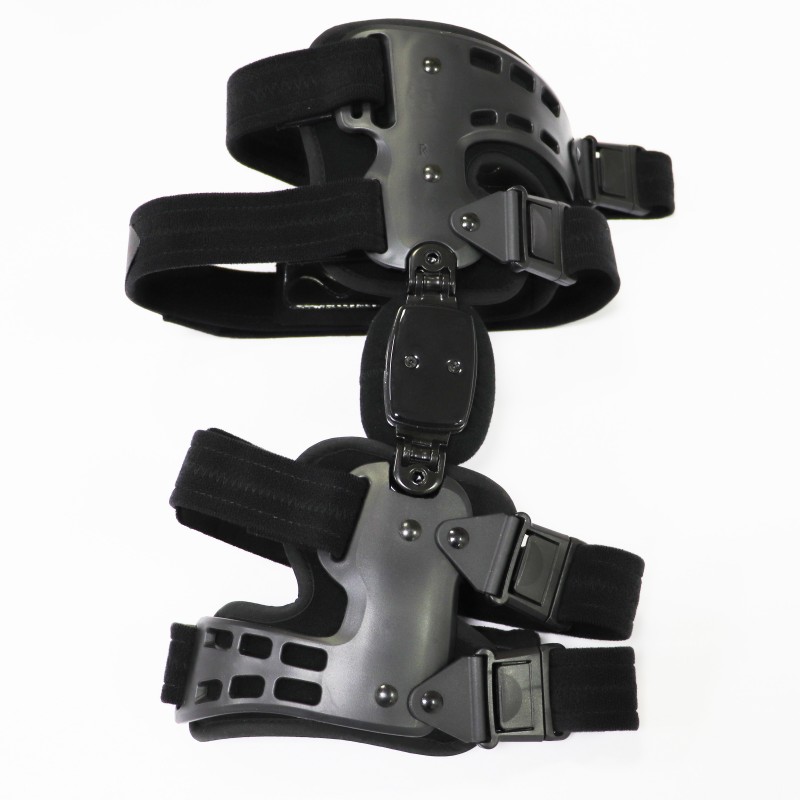
The Unloader Knee Brace: A Comprehensive Guide for Osteoarthritis Management
Osteoarthritis (OA) of the knee is a debilitating condition affecting millions worldwide, characterized by the breakdown of cartilage, leading to pain, stiffness, and reduced mobility. For many individuals, conservative management is the first line of defense, and among the most effective non-surgical interventions is the unloader knee brace. This exhaustive guide, written by an expert medical SEO copywriter and orthopedic specialist, delves into every aspect of unloader knee braces, providing authoritative insights for patients, caregivers, and healthcare professionals.
1. Comprehensive Introduction & Overview
An unloader knee brace, also known as an offloader or off-loading brace, is a specialized orthopedic device designed to alleviate pain and improve function in individuals suffering from unicompartmental knee osteoarthritis. Its primary mechanism involves shifting stress and weight-bearing forces away from the damaged, arthritic compartment of the knee to the healthier compartment. This "unloading" effect helps reduce the compressive forces that contribute to pain and further cartilage degeneration.
Typically, knee OA affects one side of the knee joint more severely than the other – most commonly the medial (inner) compartment. The unloader brace is engineered to create a three-point leverage system, applying pressure to specific areas around the knee to gently push the affected compartment open, thereby reducing contact between the damaged bone surfaces. This simple yet sophisticated biomechanical intervention offers significant relief, often delaying or even preventing the need for surgical procedures like total knee arthroplasty.
Key Benefits of Unloader Knee Braces:
* Pain Reduction: Directly reduces mechanical stress on the arthritic joint surfaces.
* Improved Function: Enhances mobility, gait stability, and ability to perform daily activities.
* Reduced Analgesic Use: Lessens reliance on pain medication.
* Enhanced Quality of Life: Allows patients to maintain more active lifestyles.
* Potential to Delay Surgery: Offers a non-invasive alternative to surgical intervention.
* Proprioceptive Feedback: Can improve awareness of limb position and stability.
2. Deep-Dive into Technical Specifications & Mechanisms
The efficacy of an unloader knee brace stems from its meticulous design and the advanced materials used in its construction, all working in concert to achieve a specific biomechanical outcome.
2.1. Design and Materials
Unloader braces are engineered for durability, comfort, and precise biomechanical action.
Core Components and Materials:
| Component | Typical Materials | Function |
|---|---|---|
| Frame | Lightweight aluminum alloys, magnesium alloys, carbon fiber composites | Provides structural integrity, lightweight support, and rigidity for offloading. |
| Hinges | High-grade stainless steel, aluminum, advanced plastics | Mimic natural knee movement (polycentric), allow for varus/valgus angle adjustments. |
| Straps | Neoprene, silicone-lined elastic, woven nylon webbing | Secure the brace to the leg, prevent slippage, and apply corrective forces. |
| Pads/Liners | Breathable foam, silicone gel, anti-microbial fabrics | Enhance comfort, prevent skin irritation, and distribute pressure evenly. |
| Shells/Cuffs | Semi-rigid plastic, carbon fiber | Provide targeted pressure points for the three-point leverage system. |
Types of Unloader Braces:
- Custom-Made Braces: Individually fabricated from a cast or digital scan of the patient's leg, offering the most precise fit and optimal unloading.
- Off-the-Shelf (OTS) Braces: Pre-sized braces available in various dimensions, often with adjustable features for a personalized fit. More accessible and cost-effective.
- Sleeve/Wraparound Braces: Less rigid, often used for milder OA, offering compression and some stability but less aggressive offloading.
2.2. Biomechanics and Mechanism of Action
The core principle behind an unloader brace is the three-point leverage system. This system applies pressure at three distinct points around the knee to create a corrective force that gently opens the affected joint compartment.
How it Works (Example: Medial Compartment OA):
- Point 1 (Proximal): A pad or cuff is placed on the outer (lateral) side of the thigh.
- Point 2 (Distal): A pad or cuff is placed on the inner (medial) side of the calf.
- Point 3 (Central Corrective): A hinge and strap system applies a corrective force to the outer (lateral) side of the knee.
These three points work together to create a varus moment (for medial OA) or valgus moment (for lateral OA) across the knee joint, effectively reducing the compressive forces on the damaged cartilage.
Impact on Knee Biomechanics:
- Reduction of Knee Adduction Moment (KAM): KAM is a key biomechanical marker strongly correlated with the progression and severity of medial knee OA. Unloader braces significantly reduce KAM during gait, thereby decreasing the load on the medial compartment.
- Weight Redistribution: The brace physically shifts the line of weight bearing through the knee, moving it away from the painful, degenerated area.
- Improved Alignment: By applying corrective forces, the brace can subtly improve the alignment of the knee joint, reducing shear forces and improving overall joint mechanics.
- Proprioceptive Enhancement: The presence of the brace on the limb can provide continuous sensory feedback, improving the patient's awareness of their knee position and contributing to better balance and stability.
3. Extensive Clinical Indications & Usage
Unloader knee braces are a valuable tool in the conservative management of knee OA, but their application is specific.
3.1. Clinical Indications
Patients who typically benefit most from an unloader knee brace include those with:
- Unicompartmental Knee Osteoarthritis: This is the primary indication, where OA predominantly affects either the medial or lateral compartment of the knee.
- Mild to Severe OA: Efficacy has been demonstrated across the spectrum of OA severity, though the greatest impact on pain relief might be seen in those with moderate to severe symptoms.
- Varus or Valgus Malalignment: Patients with a visible bowing (varus) or knock-knee (valgus) deformity, which exacerbates unicompartmental loading.
- Patients Seeking Non-Surgical Alternatives: For those who wish to avoid or delay surgery.
- Patients Unsuitable for Surgery: Due to comorbidities, age, or other factors.
- Post-Operative Protection: In some cases, after procedures like meniscal repair or cartilage regeneration, to protect the healing tissues by offloading.
- Active Individuals: To allow continued participation in activities and exercise with reduced pain.
3.2. Fitting and Usage Instructions
Proper fitting is paramount for the effectiveness and comfort of an unloader knee brace. This process should ideally be performed by a qualified orthotist or physical therapist.
General Fitting Steps:
- Assessment: The professional will measure the patient's leg circumference, length, and evaluate knee alignment and range of motion.
- Trial Fitting: The brace is placed on the leg, ensuring the hinges align with the knee's anatomical axis.
- Strap Adjustment: Straps are tightened in a specific sequence (often distal to proximal) to secure the brace without restricting circulation or causing discomfort. The three-point leverage system is established.
- Offloading Adjustment: The orthotist will fine-tune the varus/valgus angle adjustments on the hinges to achieve the optimal degree of offloading for the affected compartment. This often involves observing the patient's gait.
- Comfort and Function Check: The patient will walk, sit, and bend their knee to ensure the brace is comfortable, stays in place, and effectively reduces pain.
- Education: The patient receives detailed instructions on donning, doffing, adjusting, and caring for the brace.
Usage Guidelines:
- Initial Acclimation: Start by wearing the brace for shorter periods (e.g., 1-2 hours) during activities that typically cause pain.
- Gradual Increase: Gradually increase wear time as comfort and tolerance improve.
- Activity-Specific Use: Wear the brace during activities that involve weight-bearing, walking, standing, or light exercise. It may not be necessary during sedentary activities.
- Donning and Doffing: Always sit down to apply or remove the brace. Ensure skin is clean and dry.
- Skin Inspection: Regularly check the skin under the brace for redness, irritation, or pressure sores, especially in the initial weeks.
- Adjustments: Learn how to make minor strap adjustments for comfort throughout the day.
- Follow-Up: Regular follow-up with the prescribing physician or orthotist is crucial to ensure continued optimal fit and function.
3.3. Patient Outcome Improvements
Numerous clinical studies have demonstrated the positive impact of unloader knee braces on patient outcomes:
- Significant Pain Reduction: Patients consistently report a decrease in pain scores (e.g., Visual Analog Scale - VAS) during weight-bearing activities.
- Improved Physical Function: Measures such as the Western Ontario and McMaster Universities Osteoarthritis Index (WOMAC) show improvements in stiffness and functional limitations.
- Enhanced Mobility: Patients exhibit better gait patterns, increased walking distances (e.g., 6-minute walk test), and improved stair climbing ability.
- Reduced Medication Dependence: Many users report a decrease in their need for analgesic and anti-inflammatory medications.
- Increased Activity Participation: The ability to engage in exercise, hobbies, and daily tasks with less pain leads to a higher quality of life.
- Delay in Surgical Intervention: Studies suggest that unloader braces can delay or even prevent the need for total knee replacement surgery in a significant percentage of patients.
3.4. Maintenance and Sterilization Protocols
Proper care extends the life of the brace and ensures continued hygiene and effectiveness.
Daily Maintenance:
- Wipe Down: After each use, wipe down the brace frame and pads with a damp cloth to remove sweat and dirt.
- Air Dry: Allow the brace to air dry completely before storing.
Weekly/Bi-Weekly Maintenance:
- Soft Components: Detachable soft goods (pads, liners, straps) should be hand-washed with mild soap and lukewarm water. Rinse thoroughly to remove all soap residue.
- Air Drying: Lay flat or hang to air dry completely. Do NOT machine wash or tumble dry, as this can damage materials.
- Frame Cleaning: Clean the rigid frame with a damp cloth and mild soap. Avoid harsh chemicals or abrasive cleaners.
Periodic Inspection:
- Check Straps: Inspect straps for fraying, stretching, or loss of elasticity. Replace as needed.
- Hinge Integrity: Ensure hinges move smoothly and are free of debris. Check for any loose screws or components.
- Pads and Liners: Look for signs of wear, compression, or damage to the padding. Replace if they no longer provide adequate cushioning.
- Professional Check: It is advisable to have the brace checked by an orthotist annually or if there are significant changes in comfort or effectiveness.
Storage:
- Store the brace in a clean, dry, and cool place away from direct sunlight or extreme temperatures, which can degrade materials.
Note on Sterilization: Unloader knee braces are personal medical devices for external use. They are not designed for surgical-grade sterilization (e.g., autoclaving), which would damage the materials. The focus is on maintaining cleanliness and hygiene.
4. Risks, Side Effects, or Contraindications
While highly beneficial, unloader braces are not without potential drawbacks or situations where their use is not recommended.
4.1. Risks and Side Effects
- Skin Irritation/Chafing: The most common issue, especially during initial wear, often due to improper fit, overtightening, or sensitive skin. Can lead to redness, blisters, or pressure sores.
- Discomfort/Bulkiness: Some patients find the brace cumbersome or uncomfortable, particularly during prolonged wear or certain activities.
- Muscle Atrophy (Rare): Over-reliance on the brace without concurrent strengthening exercises could theoretically lead to some muscle weakness, though this is generally not a primary concern with appropriate use.
- Allergic Reactions: Sensitivity to brace materials (e.g., neoprene, silicone) is possible but rare.
- Ineffectiveness: If improperly fitted or prescribed for the wrong condition (e.g., bicompartmental OA), the brace may not provide sufficient pain relief.
- Altered Gait/Falls: While often improving gait, an ill-fitting or poorly adjusted brace can alter natural movement patterns, potentially increasing the risk of tripping or falling.
- Nerve Compression: Incorrect strap placement or excessive tightness could, in rare cases, lead to nerve compression symptoms (numbness, tingling).
4.2. Contraindications
- Bicompartmental or Tricompartmental OA: Unloader braces are specifically designed for unicompartmental OA. If all compartments of the knee are significantly affected, an unloader brace will likely be ineffective.
- Severe Ligamentous Instability: If the knee has significant laxity due to ligament damage, the brace may not provide adequate stability or achieve proper offloading.
- Open Wounds or Skin Infections: The presence of open wounds, active infections, or severe dermatological conditions in the area where the brace is applied is a contraindication until resolved.
- Peripheral Vascular Disease (PVD) or Neuropathy: Patients with severe PVD or significant neuropathy (especially diabetic neuropathy) may have compromised circulation or sensation, making them more susceptible to skin breakdown or unaware of pressure points. Use with extreme caution and frequent skin checks.
- Morbid Obesity: In some cases of extreme obesity, achieving an effective fit and adequate offloading may be challenging.
- Poor Patient Compliance: The brace requires consistent and correct use to be effective. Patients unwilling or unable to adhere to usage instructions may not be suitable candidates.
5. Massive FAQ Section
Q1: What is an unloader knee brace, and how does it work for osteoarthritis?
An unloader knee brace is an orthopedic device designed to reduce pain and improve function in people with unicompartmental knee osteoarthritis (OA). It works by applying a three-point leverage system to gently push the affected compartment of the knee open, thereby shifting weight-bearing forces from the damaged, arthritic area to the healthier side. This "unloading" effect reduces stress on the cartilage and bone, alleviating pain.
Q2: Who is a good candidate for an unloader knee brace?
Good candidates typically have unicompartmental knee OA (affecting only one side of the knee), experience pain during weight-bearing activities, and may have a varus (bow-legged) or valgus (knock-kneed) alignment. They are often seeking non-surgical pain relief and functional improvement.
Q3: How long should I wear my unloader brace each day?
Initially, you might wear it for shorter periods (1-2 hours) during activities that typically cause pain. As you get comfortable, you can gradually increase wear time. Many patients wear it for several hours a day, especially during walking, standing, or light exercise. Your healthcare provider will give specific guidance based on your condition and activities.
Q4: Will an unloader brace cure my osteoarthritis?
No, an unloader knee brace does not cure osteoarthritis. OA is a chronic, progressive condition. However, the brace is highly effective at managing symptoms, reducing pain, improving function, and can significantly slow the progression of the disease by reducing mechanical stress on the joint. It can also delay or prevent the need for surgery.
Q5: Can I exercise or play sports with an unloader knee brace?
Yes, many patients find that wearing an unloader brace allows them to participate in exercise and low-impact sports with less pain and greater stability. It can be particularly helpful for activities like walking, hiking, cycling, and golf. Consult your doctor or physical therapist about suitable exercises and brace use for your specific activities.
Q6: How do I clean and maintain my unloader knee brace?
Daily, wipe down the frame and pads with a damp cloth. Periodically (weekly/bi-weekly), detach soft components (pads, liners, straps) and hand-wash them with mild soap and lukewarm water, then air dry completely. Do not machine wash or tumble dry. Inspect the brace regularly for wear and tear, loose parts, or strap damage.
Q7: Is an unloader knee brace covered by insurance?
Many insurance plans, including Medicare, often cover unloader knee braces when prescribed by a physician for a diagnosed condition like unicompartmental knee osteoarthritis. Coverage can vary widely based on your specific plan and deductible. It's best to check with your insurance provider and the brace supplier for details.
Q8: What's the difference between an unloader brace and a regular knee sleeve?
A regular knee sleeve provides compression, warmth, and mild support, which can help with general knee pain and swelling. An unloader brace, however, is a rigid or semi-rigid device specifically engineered to mechanically shift weight away from a damaged compartment of the knee, providing targeted offloading and significant pain relief for unicompartmental OA.
Q9: How do I know if my unloader brace is fitted correctly?
A correctly fitted brace should feel snug but not overly tight, remain in place during movement, and provide noticeable pain relief. The hinges should align with your knee's natural axis, and there should be no excessive pressure points or skin irritation. If you experience discomfort, increased pain, or the brace slips, it may need adjustment by an orthotist or physical therapist.
Q10: Are there different types of unloader braces?
Yes, unloader braces come in various designs, including custom-made (fabricated specifically for your leg), off-the-shelf (pre-sized with adjustable features), and sometimes wraparound or sleeve-style braces. The choice depends on the severity of your OA, your activity level, and your specific anatomical needs, guided by your healthcare provider.
Q11: Can I wear an unloader brace while sleeping?
Generally, unloader knee braces are not recommended for sleeping, as their primary function is to offload the joint during weight-bearing activities. Wearing it while sleeping could be uncomfortable and is usually unnecessary. Remove the brace before going to bed unless specifically instructed otherwise by your doctor.
Q12: How long does it take to feel relief from an unloader brace?
Many patients experience immediate pain relief upon proper fitting and initial use. However, it can take a few days or weeks to fully acclimate to wearing the brace and to realize its maximum benefits as your body adjusts to the altered biomechanics. Consistent use as prescribed is key to achieving optimal outcomes.