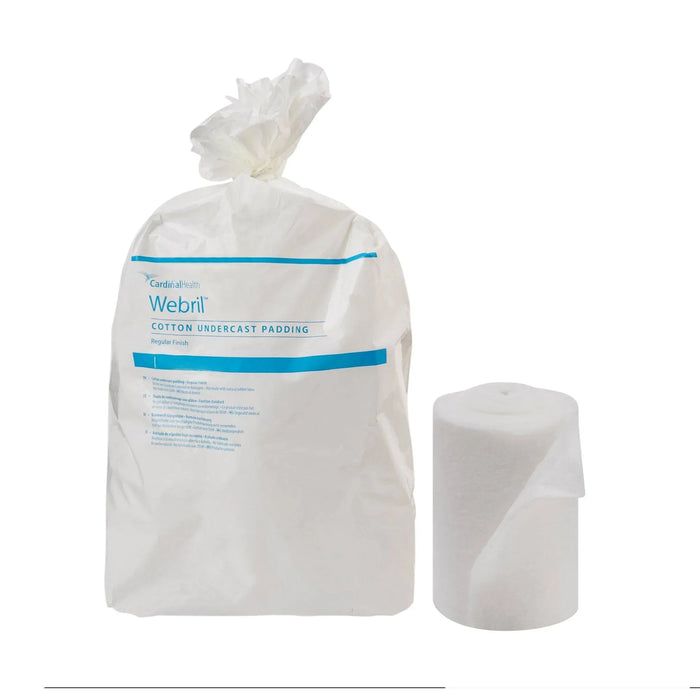
The Indispensable Role of Undercast Cotton Padding (Webril) in Orthopedic Care
In the intricate world of orthopedic medicine, every component plays a critical role in patient recovery and comfort. Among these, undercast cotton padding, commonly known by its leading brand name Webril, stands out as a fundamental yet often underestimated element. This comprehensive guide delves into the specifics of Webril undercast padding, exploring its design, biomechanical principles, clinical applications, proper usage, and profound impact on patient outcomes. As expert Medical SEO Copywriters and Orthopedic Specialists, we aim to provide an exhaustive resource for healthcare professionals, patients, and anyone seeking a deeper understanding of this vital orthopedic device.
1. Comprehensive Introduction & Overview
Undercast cotton padding serves as a crucial interface between a patient's skin and the rigid cast or splint applied for immobilization. Its primary function is to provide cushioning, absorb moisture, distribute pressure evenly, and protect the skin from the abrasive or compressive forces of the overlying immobilization device. Webril, a widely recognized brand, has become synonymous with high-quality undercast padding due to its consistent performance and patient-centric design.
Developed to enhance comfort and prevent complications such as skin irritation, pressure sores, and nerve compression, Webril padding is an essential prerequisite for nearly all cast and splint applications. Its existence underpins the success of immobilization therapies, allowing for effective healing while safeguarding the patient's dermatological and neurological integrity.
The Evolution of Undercast Protection
Historically, various materials were used for undercast padding, often with varying degrees of success regarding patient comfort and complication prevention. The advent of specialized cotton and synthetic blends, exemplified by products like Webril, marked a significant advancement. These materials were engineered to be highly conformable, breathable, and absorbent, addressing the multifaceted needs of extended limb immobilization. Today, Webril continues to be the gold standard, trusted by orthopedic surgeons, cast technicians, and allied health professionals worldwide.
2. Deep-Dive into Technical Specifications & Mechanisms
Understanding the technical aspects of Webril padding reveals why it is so effective in its protective role. Its design is meticulously engineered to address the biomechanical challenges posed by rigid immobilization.
2.1 Design & Materials
Webril undercast padding is typically composed of 100% bleached cotton fibers, though some variations may incorporate synthetic blends for enhanced specific properties. The key to its effectiveness lies in its non-woven construction.
- 100% Cotton Composition:
- Natural Absorbency: Cotton is inherently hydrophilic, meaning it readily absorbs moisture, such as perspiration, away from the skin. This helps keep the skin dry, reducing the risk of maceration and fungal infections.
- Softness & Hypoallergenic Properties: Cotton is naturally soft and generally well-tolerated by sensitive skin, minimizing the risk of allergic reactions or irritation.
- Breathability: The fibrous structure allows for air circulation, preventing excessive heat buildup and promoting a healthier skin microenvironment.
- Non-Woven Fabric Construction:
- Conformability: Unlike woven fabrics, non-woven cotton can be easily molded and contoured to the intricate shapes of the body, ensuring a smooth, wrinkle-free application. This conformability is crucial for even pressure distribution.
- Loft and Cushioning: The uncompressed fibers create a significant loft, providing a thick, resilient cushion that protects bony prominences and soft tissues from direct pressure and impact.
- Shear Reduction: The layered fibers allow for slight movement within the padding itself, helping to dissipate shear forces that can contribute to skin breakdown.
- Available Forms: Webril is commonly available in various widths (e.g., 2", 3", 4", 6") and lengths, typically supplied in rolls. This allows for appropriate sizing for different body parts and patient demographics, from pediatric to adult applications.
2.2 Biomechanics in Action
The biomechanical functions of undercast padding are critical for preventing complications and optimizing healing.
- Pressure Redistribution: This is perhaps the most vital biomechanical function. When a rigid cast is applied, it creates pressure points, especially over bony prominences. Webril padding acts as a shock absorber and a pressure diffuser. Its inherent loft and conformability distribute the localized pressure from the cast over a broader surface area, significantly reducing peak pressures on the skin and underlying tissues. This mechanism is paramount in preventing pressure ulcers, nerve compression, and deep tissue injuries.
- Shear Force Reduction: Shear forces occur when skin and underlying tissue are pulled in opposite directions, often exacerbated by movement within a cast. The soft, layered structure of Webril allows for slight internal movement and reduces the friction between the skin and the cast, thereby mitigating shear forces that can lead to blistering and skin breakdown.
- Impact Absorption: While a cast provides rigid support, accidental bumps or impacts can still transmit forces to the immobilized limb. The cushioning properties of Webril padding help to absorb and dissipate these external forces, offering an additional layer of protection against trauma.
- Thermal Insulation & Regulation: The fibrous nature of cotton traps air, providing a degree of thermal insulation. This helps regulate the temperature within the cast environment, preventing extreme cold or heat, which can be uncomfortable or detrimental to skin health. Its breathability also prevents excessive heat buildup, especially in warmer climates or during physical activity.
- Maintenance of Limb Position: While the primary role of Webril is protection, its bulk and conformability contribute indirectly to maintaining the limb's position within the cast by filling voids and ensuring a snug, yet comfortable, fit that prevents pistoning or excessive movement of the limb.
3. Extensive Clinical Indications & Usage
Webril undercast padding is an indispensable component across a wide spectrum of orthopedic treatments, both surgical and non-surgical.
3.1 Surgical Applications
- Post-operative Casting: Following surgical procedures such as open reduction and internal fixation (ORIF) of fractures, arthroplasty (joint replacement), or ligament repairs, a cast is often applied for initial immobilization. Webril provides essential cushioning and protection for the delicate surgical site, sutures, and surrounding tissues during the immediate post-operative period when swelling is common.
- Splinting After Soft Tissue Repair: For repairs of tendons, muscles, or nerves, a temporary splint or cast may be used. Webril ensures the comfort and protection of the healing soft tissues.
- Protection of Surgical Sites: It protects surgical incisions from direct pressure, friction, and potential contamination from cast materials, promoting an optimal healing environment.
3.2 Clinical Applications (Non-Surgical)
- Fracture Immobilization: For non-displaced or stable fractures, casts are the primary method of immobilization. Webril is critical for protecting the skin and bony prominences throughout the entire duration of the cast wear.
- Sprains, Strains, & Dislocations: While often treated with less rigid supports, severe sprains or dislocations may require casting for a period. Webril ensures comfort and prevents skin complications.
- Corrective Casting: In pediatric orthopedics, conditions like clubfoot (e.g., Ponseti method) require serial casting. Webril padding is meticulously applied to protect the delicate skin of infants while allowing for gradual correction.
- Support for Chronic Conditions: For conditions requiring prolonged immobilization or support, such as Charcot foot, Webril helps maintain skin integrity over extended periods.
3.3 Fitting & Usage Instructions: A Step-by-Step Guide
Proper application of Webril padding is paramount to its effectiveness and patient safety. Errors in application can negate its protective benefits and lead to severe complications.
Preparation:
- Skin Assessment: Thoroughly inspect the skin for any existing wounds, abrasions, rashes, or pressure points. Document any findings.
- Skin Cleaning: Ensure the skin is clean and dry. Avoid lotions or oils that could trap moisture or reduce friction, potentially leading to skin issues.
- Bony Prominence Identification: Identify all bony prominences that will be under the cast (e.g., malleoli, olecranon, epicondyles, patella, fibular head, calcaneus) as these areas require extra padding.
Application Technique:
- Start Distally, Work Proximally: Begin applying the padding at the most distal point of the limb to be casted (e.g., fingers/toes) and work proximally towards the torso. This ensures even coverage and helps to prevent constriction of blood flow.
- Smooth, Even Tension: Apply the padding with smooth, even tension. It should be snug enough to prevent wrinkles but not so tight as to cause constriction.
- 50% Overlap: Each turn of the padding roll should overlap the previous turn by approximately 50%. This ensures continuous, uniform coverage and prevents gaps.
- Avoid Wrinkles & Creases: Meticulously smooth out any wrinkles or creases as they are significant sources of localized pressure and skin irritation.
- Adequate Padding Over Bony Prominences: Apply extra layers (typically 2-3 additional turns) over all identified bony prominences. This is a critical step to prevent pressure sores.
- Full Coverage: Ensure the padding extends slightly beyond the planned edges of the rigid cast material at both the proximal and distal ends. This prevents the cast edges from digging into the skin.
- Number of Layers: Generally, 2-3 layers of Webril are sufficient for most cast applications, with additional layers over bony areas. The exact number may vary based on patient size, cast type, and specific clinical needs.
- Padding for Digits: For casts involving fingers or toes, ensure each digit is individually padded and separated to prevent maceration.
Post-Application Checks:
- Circulation: After the cast is applied, always check the patient's distal circulation (capillary refill, pulse) and sensation.
- Nerve Compression: Ask the patient about any numbness, tingling, or increased pain, which could indicate nerve compression.
- Comfort: Inquire about overall comfort. While some discomfort is expected with immobilization, sharp pain or intense pressure points are red flags.
3.4 Maintenance & Sterilization Protocols
Webril undercast padding is a single-use, disposable product. It is typically supplied in clean, non-sterile rolls.
- Sterilization: Webril is generally not provided as a sterile product for direct wound contact. For applications where direct contact with an open wound is necessary, a sterile primary dressing should be applied first, followed by the non-sterile Webril padding.
- Storage: Store Webril rolls in a clean, dry environment, away from direct sunlight and extreme temperatures, to maintain their integrity and absorbency.
- Patient Education (Cast Care):
- Keep the Cast Dry: Emphasize that the cast and underlying padding must remain dry. If Webril gets wet, it loses its cushioning properties, becomes a breeding ground for bacteria and fungi, and can lead to severe skin maceration and infection. Patients should be advised on methods to protect the cast during bathing.
- Do Not Insert Objects: Instruct patients never to insert objects into the cast to scratch an itch, as this can damage the skin and introduce infection.
- Monitor for Signs of Complications: Educate patients on symptoms requiring immediate medical attention: severe pain, numbness, tingling, foul odor, discoloration of digits, or inability to move digits.
4. Risks, Side Effects, or Contraindications
While highly beneficial, the use of undercast padding is not without potential risks, especially if applied incorrectly or if patient-specific factors are overlooked.
4.1 Risks & Side Effects
- Improper Application:
- Pressure Sores (Decubitus Ulcers): Inadequate padding over bony prominences or localized tight spots can lead to sustained pressure, compromising blood flow and causing tissue necrosis.
- Nerve Compression/Palsy: Excessive tightness, particularly over superficial nerves (e.g., common fibular nerve at the fibular head, ulnar nerve at the elbow), can result in nerve damage, manifesting as numbness, tingling, or motor weakness.
- Skin Irritation/Blistering: Wrinkles or creases in the padding, or excessive friction, can cause skin irritation, chafing, or blistering.
- Compartment Syndrome: While rare, extremely tight padding, especially in the presence of significant swelling, can contribute to increased pressure within muscle compartments, potentially leading to compartment syndrome.
- Moisture Retention & Maceration: If the cast and padding become wet, the cotton will absorb and retain moisture against the skin. This creates a warm, moist environment conducive to bacterial and fungal growth, leading to maceration (softening and breakdown of skin) and infection.
- Allergic Reactions: Although rare due to cotton's natural properties, some individuals may experience allergic reactions to the cotton fibers themselves or to processing agents used in manufacturing.
- Inadequate Support/Pistoning: If too little padding is used, or if it is applied too loosely, the limb may "piston" within the cast, leading to friction, skin damage, and ineffective immobilization.
4.2 Contraindications
- Severe Open Wounds: While Webril protects the skin, it is not a sterile primary dressing. Direct application over severe open wounds without an appropriate sterile dressing underneath is generally contraindicated due to infection risk.
- Known Allergy: Patients with a documented allergy to cotton or any component of the padding should use an alternative material (e.g., synthetic padding).
- Situations Requiring Minimal Bulk: In very rare cases where extreme minimal bulk is required for specific orthopedic devices or imaging, the padding layer might be reduced or a thinner alternative chosen, though this is uncommon for standard casting.
- Active Infection: If there is an active skin infection at the site of cast application, it should ideally be treated and resolved before casting, or specific sterile dressings and meticulous monitoring must be implemented.
5. Massive FAQ Section
Here are answers to frequently asked questions about Undercast Cotton Padding (Webril):
Q1: What is Webril Undercast Cotton Padding?
A1: Webril is a leading brand of undercast cotton padding, a soft, non-woven, highly absorbent material used as a protective layer between a patient's skin and a rigid orthopedic cast or splint. Its primary purpose is to provide cushioning, absorb moisture, and distribute pressure evenly to prevent skin complications.
Q2: Why is Webril padding important in orthopedic casting?
A2: Webril padding is crucial for patient comfort and safety. It prevents direct pressure from the rigid cast on bony prominences, reduces shear forces, absorbs perspiration, and helps prevent skin breakdown, pressure sores, nerve compression, and irritation, thereby facilitating optimal healing.
Q3: What materials is Webril made from?
A3: Webril undercast padding is typically made from 100% bleached cotton fibers. Its non-woven construction gives it excellent conformability, breathability, and cushioning properties.
Q4: How is Webril applied correctly?
A4: Proper application involves starting distally and working proximally, using smooth, even tension with a 50% overlap of each layer. Extra padding should be applied over all bony prominences, and care must be taken to avoid wrinkles or creases. The padding should extend slightly beyond the cast edges.
Q5: Can Webril prevent pressure sores?
A5: Yes, when applied correctly, Webril padding is highly effective at preventing pressure sores. Its cushioning and pressure-redistributing properties minimize localized pressure on the skin and underlying tissues, particularly over vulnerable bony prominences.
Q6: Is Webril breathable?
A6: Absolutely. The natural cotton fibers and non-woven structure of Webril allow for air circulation, which helps to prevent excessive heat buildup and keeps the skin underneath the cast healthier and drier.
Q7: How do I know if the padding is too tight or too loose?
A7: If the padding (and subsequently the cast) is too tight, you might experience numbness, tingling, throbbing pain, swelling, or coldness/discoloration of the digits. If it's too loose, the limb may move excessively within the cast (pistoning), leading to rubbing, friction, and ineffective immobilization. Any of these symptoms warrant immediate medical attention.
Q8: Can Webril get wet? What happens if it does?
A8: Webril padding should NOT get wet. If it does, the cotton will absorb and retain moisture, losing its cushioning properties. This creates a damp, unhygienic environment that can lead to skin maceration, irritation, bacterial or fungal infections, and a foul odor. A wet cast needs immediate assessment and likely replacement.
Q9: Is Webril sterile?
A9: Webril undercast padding is typically supplied in clean, non-sterile rolls. For applications requiring direct contact with an open wound, a sterile primary dressing should always be applied first, underneath the Webril.
Q10: What are the common widths of Webril available?
A10: Webril is commonly available in various widths to accommodate different body parts and patient sizes, including 2-inch, 3-inch, 4-inch, and 6-inch rolls.
Q11: How does Webril contribute to biomechanical support?
A11: Webril provides biomechanical support by evenly distributing pressure from the rigid cast across a larger surface area, reducing peak pressure points. It also minimizes shear forces that can damage skin and absorbs impact, protecting the limb from external trauma, all while providing a stable interface for immobilization.
Q12: Are there alternatives to Webril?
A12: Yes, while Webril is a widely recognized brand, there are other brands of undercast cotton padding and synthetic padding materials available. Synthetic paddings (e.g., polyester-based) are often preferred for water-resistant or waterproof casting systems, as they retain less water than cotton. However, for traditional plaster or fiberglass casts, cotton-based padding like Webril remains a popular choice due to its softness and absorbency.
In conclusion, Undercast Cotton Padding (Webril) is far more than just a simple layer of cotton. It is a scientifically designed component critical to the success of orthopedic immobilization, directly impacting patient comfort, safety, and ultimately, the efficacy of healing. Its correct application and understanding are paramount for all orthopedic professionals dedicated to providing the highest standard of patient care.