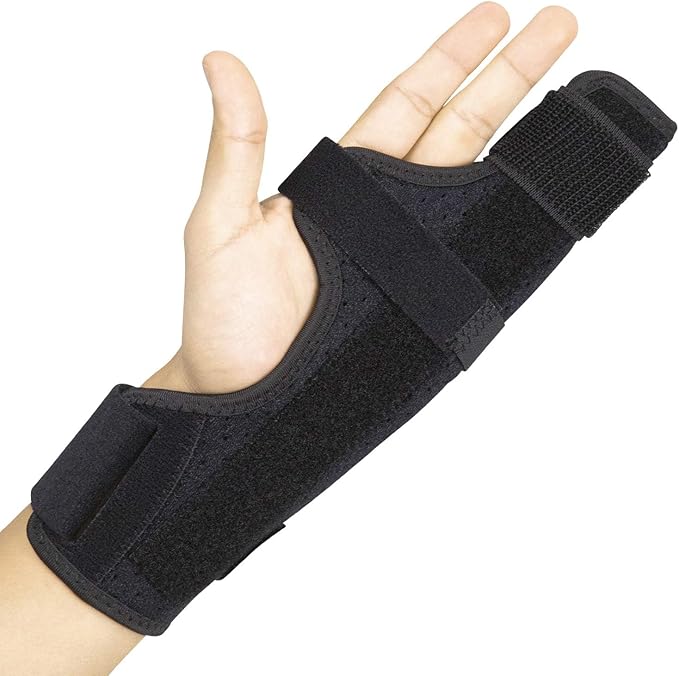
The Ulnar Gutter Splint: A Comprehensive Orthopedic Guide
The ulnar gutter splint is a fundamental orthopedic device, expertly designed to provide crucial immobilization and support for injuries affecting the ulnar (little finger) side of the hand and wrist. As specialists in orthopedic care, we understand the critical role this splint plays in facilitating optimal healing, reducing pain, and preventing further complications. This exhaustive guide delves into every aspect of the ulnar gutter splint, from its intricate design and biomechanical principles to its clinical applications, fitting protocols, and patient care instructions.
1. Comprehensive Introduction & Overview
An ulnar gutter splint is a type of static, non-circumferential immobilization device primarily used to stabilize fractures and soft tissue injuries involving the fourth and fifth metacarpals, and their corresponding phalanges. Its distinctive "gutter" shape cradles the ulnar side of the forearm, wrist, and hand, isolating and protecting the injured digits while allowing movement of the thumb, index, and middle fingers.
This splint is indispensable in both acute injury management and post-operative care. By maintaining the hand and wrist in a specific functional position, it minimizes stress on healing tissues, reduces swelling, and provides an environment conducive to recovery. Its importance stems from its ability to offer targeted support without the complete encasement of a cast, allowing for easier inspection, adjustments, and skin care.
2. Deep-Dive into Technical Specifications & Mechanisms
Understanding the technical aspects of the ulnar gutter splint is crucial for both clinicians and patients. Its effectiveness lies in its precise design and the materials used.
Design & Materials
The construction of an ulnar gutter splint involves several key components, each contributing to its overall function:
- Rigid Outer Shell: This forms the core structure of the splint.
- Plaster of Paris: A traditional material, offering excellent conformability and rigidity. It's inexpensive but heavier and susceptible to water damage.
- Fiberglass: Lighter, more durable, and water-resistant than plaster. It cures quickly and provides robust support.
- Thermoplastic Materials: These specialized plastics become pliable when heated (e.g., in a hot water bath) and harden upon cooling, allowing for custom molding directly onto the patient. They are lightweight, reusable (for adjustments), and radiolucent, meaning they don't block X-rays, which is beneficial for monitoring healing.
- Padding: A critical layer between the rigid shell and the skin.
- Stockinette: A soft, breathable tubular fabric worn directly on the skin to protect it and absorb moisture.
- Cast Padding (Webril): Soft, non-absorbent cotton or synthetic material applied over the stockinette to cushion bony prominences and distribute pressure evenly. It helps prevent pressure sores and nerve compression.
- Securing Straps/Bandages: Elastic bandages or Velcro straps are used to hold the splint securely in place. They allow for adjustment to accommodate swelling and ensure a snug, yet not overly tight, fit.
The splint extends from just below the elbow to beyond the fingertips of the fourth and fifth digits, encompassing the ulnar aspect of the forearm, wrist, and hand. Its "gutter" shape ensures that the wrist is typically held in slight extension (10-20 degrees), and the metacarpophalangeal (MCP) joints of the 4th and 5th fingers are flexed (60-90 degrees), with the interphalangeal (IP) joints in slight flexion. This specific positioning, often referred to as the "intrinsic plus" or "safe" position, is vital for preventing joint stiffness and maintaining optimal length of collateral ligaments.
Biomechanics
The ulnar gutter splint operates on principles of biomechanical immobilization to achieve its therapeutic goals:
- Three-Point Fixation: The splint applies pressure at three points to stabilize the injured segment. For instance, in a metacarpal fracture, pressure points might be proximal to the fracture, distal to the fracture on the palmar side, and distal to the fracture on the dorsal side, effectively preventing unwanted motion.
- Immobilization of Specific Joints:
- Wrist: Held in slight extension to optimize tendon length and reduce stress.
- Metacarpophalangeal (MCP) Joints (4th & 5th): Maintained in significant flexion (60-90 degrees) to keep the collateral ligaments stretched, preventing shortening and subsequent stiffness.
- Interphalangeal (IP) Joints (4th & 5th): Typically in slight flexion to maintain a functional resting position.
- Prevention of Rotational Deformity: The rigid structure prevents rotation of the injured metacarpals or phalanges, which is critical for proper alignment and avoiding malunion.
- Reduction of Edema: By providing external compression and elevating the hand, the splint can help manage swelling, which is a common sequela of hand injuries.
Mechanisms of Action
The primary mechanisms by which the ulnar gutter splint promotes healing and recovery include:
- Pain Reduction: Immobilization significantly reduces movement at the injury site, thereby decreasing pain signals.
- Protection from Further Injury: The rigid shell acts as a shield, protecting the delicate healing tissues from external forces or inadvertent movements.
- Promotion of Healing: By stabilizing the fracture fragments or injured soft tissues, the splint allows the body's natural reparative processes to occur undisturbed, leading to bony union or soft tissue repair.
- Maintenance of Alignment: Critical for functional outcomes, the splint ensures that bones heal in their correct anatomical position, preventing deformities that could impair hand function.
3. Extensive Clinical Indications & Usage
The ulnar gutter splint is a versatile tool in orthopedic practice, indicated for a range of injuries and conditions.
Clinical Indications
| Injury/Condition | Description
The Ulnar Gutter Splint: Expert Guide for Hand Injuries & Recovery
1. Comprehensive Introduction & Overview
The ulnar gutter splint is a foundational orthopedic immobilization device specifically engineered to support and protect injuries on the ulnar side of the hand and wrist, primarily involving the fourth (ring) and fifth (little) digits and their associated metacarpals. As expert orthopedic specialists, we recognize this splint's critical role in both acute injury management and post-operative rehabilitation, offering targeted stabilization that is less restrictive than a full cast.
Its distinctive "gutter" configuration cradles the ulnar aspect of the forearm, wrist, and hand, effectively immobilizing the injured small and ring fingers while allowing relatively free movement of the thumb, index, and middle fingers. This selective immobilization is crucial for:
- Pain Reduction: Minimizing movement at the injury site significantly alleviates discomfort.
- Optimal Healing: Providing a stable environment for bone fractures and soft tissue repairs to mend without disruption.
- Prevention of Further Injury: Shielding the vulnerable area from external forces and unintended movements.
- Maintenance of Functional Alignment: Ensuring that the hand heals in a position that optimizes future function and prevents long-term stiffness or deformity.
The ulnar gutter splint is a cornerstone of non-operative treatment for many hand injuries and an essential adjunct following certain surgical procedures, underscoring its versatility and importance in comprehensive hand care.
2. Deep-Dive into Technical Specifications & Mechanisms
The efficacy of the ulnar gutter splint is rooted in its meticulous design, choice of materials, and adherence to sound biomechanical principles.
Design & Materials
The construction of an ulnar gutter splint involves several integrated components, each chosen for specific properties to ensure effective immobilization and patient comfort:
- Rigid Outer Shell: This is the primary structural element providing immobilization.
- Plaster of Paris (Gypsum): A traditional material known for its excellent conformability to anatomical contours. It is cost-effective and readily available, but it is heavy, brittle, and susceptible to degradation when wet. Its setting time allows for careful molding.
- Fiberglass (Synthetic Cast Material): A modern alternative that is significantly lighter, more durable, and water-resistant once cured. Fiberglass splints cure rapidly, offering high strength-to-weight ratio and good ventilation.
- Thermoplastic Materials: These advanced polymers (e.g., low-temperature thermoplastics) are custom-molded directly on the patient. When heated in a water bath, they become pliable, allowing for precise shaping. Upon cooling, they become rigid, lightweight, and often radiolucent (transparent to X-rays), which permits radiographic monitoring of bone healing without splint removal. They are also easily adjustable and can be reheated and remolded.
- Protective Padding: Essential for patient comfort and preventing skin complications.
- Stockinette: A soft, seamless tubular cotton or synthetic fabric applied directly to the skin. It absorbs perspiration, reduces friction, and provides a clean interface.
- Cast Padding (Webril/Orthopedic Wool): A thicker, soft, absorbent material layered over the stockinette. It cushions bony prominences (e.g., ulnar styloid, metacarpal heads), distributes pressure evenly, and prevents direct contact between the rigid splint material and the skin, thus minimizing the risk of pressure sores and nerve compression.
- Securing Mechanisms:
- Elastic Bandages (e.g., Ace Bandage): Used to wrap around the splint and forearm, providing adjustable compression and holding the splint firmly in place. They allow for some accommodation of swelling.
- Velcro Straps: Common with prefabricated or custom thermoplastic splints, offering easy application, removal, and adjustment by the patient or clinician.
The splint typically extends from approximately two finger-breadths distal to the olecranon (elbow) to just beyond the distal phalanges of the 4th and 5th fingers. It covers the ulnar half of the forearm, wrist, and hand dorsally and palmarly, leaving the radial side (thumb, index, middle fingers) free. The wrist is typically positioned in 10-20 degrees of extension, the 4th and 5th MCP joints in 60-90 degrees of flexion, and the interphalangeal (IP) joints in slight flexion (10-20 degrees). This "intrinsic plus" or "safe" position is critical for preventing collateral ligament shortening and subsequent joint stiffness.
Biomechanics
The biomechanical principles underpinning the ulnar gutter splint's effectiveness are multifaceted:
- Three-Point Fixation System: This fundamental principle of splinting involves applying force at three distinct points to stabilize a fractured segment. For instance, to immobilize a 5th metacarpal fracture, the splint applies upward pressure proximal to the fracture, downward pressure distal to the fracture (on the dorsal side), and upward pressure on the palmar aspect of the hand at the fracture site. This creates a stable mechanical construct that prevents angular displacement.
- Targeted Joint Immobilization:
- Wrist Extension: Positioning the wrist in slight extension (10-20°) optimizes the length-tension relationship of the extrinsic finger flexors and extensors, minimizing stress on healing structures and preventing wrist flexion contractures.
- MCP Joint Flexion (60-90°): This is paramount. When the MCP joints are flexed, their collateral ligaments are maximally stretched. If these joints were immobilized in extension, the ligaments would shorten, leading to severe and often irreversible stiffness once the splint is removed.
- IP Joint Flexion (Slight): Maintaining slight flexion (10-20°) at the PIP and DIP joints prevents extension contractures, promoting a functional resting posture.
- Rotational Control: The rigid, molded nature of the splint tightly embraces the ulnar metacarpals and phalanges, preventing unwanted rotational forces that can lead to malunion and functional impairment, especially concerning "scissoring" of the fingers during gripping.
- Edema Management: The splint, when properly applied, provides gentle, circumferential compression (via the wrapping) and facilitates elevation of the injured limb, both contributing to the reduction of post-injury or post-operative swelling.
Mechanisms of Action
The therapeutic actions of the ulnar gutter splint are directly linked to its design and biomechanics:
- Anatomical Reduction and Maintenance: For fractures, the splint helps maintain the reduction achieved by the clinician, ensuring proper alignment for healing.
- Pain Relief: By eliminating movement at the injury site, nociceptive input is reduced, leading to significant pain amelioration.
- Protection: It acts as an external shield, safeguarding the vulnerable injury from accidental bumps, impacts, or inappropriate movements during daily activities.
- Facilitation of Tissue Repair: Stability at the injury site is crucial for the biological processes of bone callus formation and soft tissue regeneration. The splint creates an optimal environment for these healing cascades.
- Prevention of Secondary Complications: Correct positioning prevents joint contractures, nerve entrapment, and vascular compromise, all of which can severely impede long-term functional recovery.
3. Extensive Clinical Indications & Usage
The ulnar gutter splint is a cornerstone in the non-operative and post-operative management of a variety of hand and wrist injuries.
Clinical Indications & Applications
| Injury Type | Specific Application