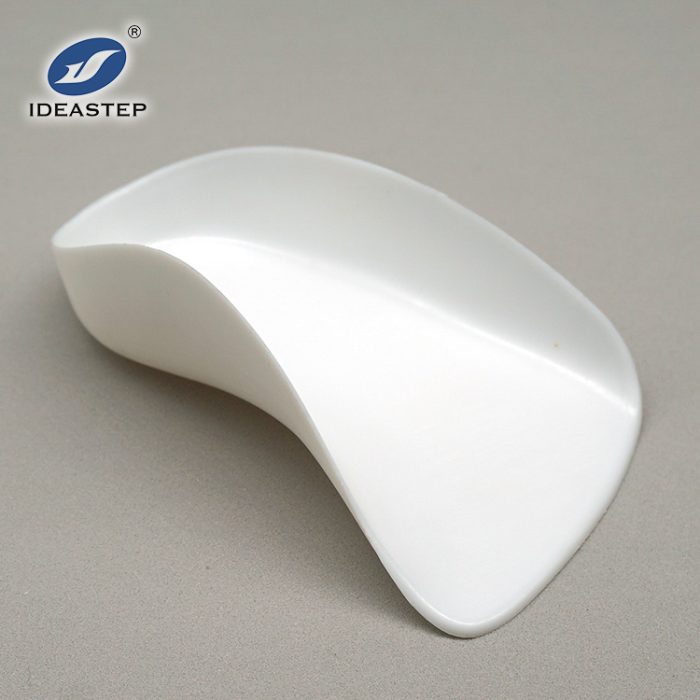
The UCBL Orthosis: A Comprehensive Medical SEO Guide for Foot and Ankle Stabilization
The University of California Biomechanics Laboratory (UCBL) orthosis stands as a cornerstone in the non-surgical management of flexible foot deformities, particularly those involving excessive pronation. Developed with a profound understanding of foot biomechanics, this highly specialized custom foot orthosis is engineered to provide superior control over the hindfoot and midfoot, thereby optimizing lower limb alignment and function. As expert orthopedic specialists, we recognize the UCBL orthosis as a powerful tool in improving patient outcomes, alleviating pain, and preventing the progression of various musculoskeletal conditions. This exhaustive guide delves into every facet of the UCBL orthosis, from its intricate design to its profound clinical impact.
Deep Dive into Technical Specifications and Biomechanics
The efficacy of the UCBL orthosis is rooted in its unique design principles and its precise interaction with the foot's complex biomechanics. Unlike generic arch supports, the UCBL orthosis is a rigid, custom-molded device crafted to exert specific corrective forces.
Design and Materials
The construction of a UCBL orthosis prioritizes rigidity and specific contouring to achieve its biomechanical objectives.
- Primary Material: The core of a UCBL orthosis is typically a rigid thermoplastic, most commonly:
- Polypropylene: Favored for its durability, rigidity, and ability to be thermoformed precisely to a cast. It provides excellent control.
- Polyethylene: Offers slightly more flexibility than polypropylene but still provides substantial control, suitable for patients requiring a less aggressive correction or those with very sensitive feet.
- Co-polymers: Combinations of materials can be used to fine-tune rigidity and flexibility.
- Key Structural Elements:
- Deep Heel Cup: This is perhaps the most defining feature. A deep and narrow heel cup firmly encompasses the calcaneus (heel bone), preventing it from everting (rolling outwards) and abducting (moving away from the midline). This stabilization is critical for hindfoot control.
- High Medial Wall: Extending superiorly along the medial aspect of the foot, this wall provides robust support to the navicular and the medial longitudinal arch. It actively resists talonavicular subluxation and excessive pronation.
- High Lateral Wall: While often slightly lower than the medial wall, the lateral wall plays a crucial role in preventing lateral displacement of the calcaneus and controlling forefoot abduction relative to the hindfoot.
- Aggressive Arch Support: The medial longitudinal arch is meticulously contoured to the patient's non-weight-bearing arch position, providing substantial lift and support.
- Full-Length Foot Plate: The orthosis extends distally to just proximal to the metatarsal heads, providing a stable platform for the entire foot and ensuring even pressure distribution.
- Optional Enhancements:
- Top Covers: Various materials like Poron, EVA, or leather can be added for cushioning, moisture wicking, and comfort.
- Extrinsic Posts: Can be added to the heel or forefoot to address specific varus/valgus deformities or to fine-tune ground reaction forces.
Biomechanics: Mechanism of Action
The UCBL orthosis functions by applying a precise three-point pressure system to the foot, effectively controlling motion in all three cardinal planes (sagittal, frontal, and transverse).
- Frontal Plane Control:
- The deep heel cup, combined with the high medial and lateral walls, primarily prevents calcaneal eversion and inversion, thereby stabilizing the subtalar joint. This is fundamental in arresting excessive pronation.
- By limiting calcaneal eversion, the orthosis indirectly reduces the internal rotation of the tibia and femur, influencing the entire kinetic chain.
- Sagittal Plane Control:
- The aggressive medial arch support elevates and maintains the medial longitudinal arch, reducing excessive dorsiflexion of the midfoot joints (e.g., talonavicular joint) and limiting arch collapse.
- This support can reduce tension on the plantar fascia and the posterior tibialis tendon, crucial for conditions like plantar fasciitis and PTTD.
- Transverse Plane Control:
- The high medial wall resists abduction of the forefoot relative to the hindfoot, a common compensatory mechanism in pronated feet.
- By controlling subtalar joint motion, the UCBL orthosis indirectly influences the rotational forces experienced by the leg and thigh.
Summary of Biomechanical Impact:
| Feature | Primary Biomechanical Action |
|---|---|
| Deep Heel Cup | Stabilizes calcaneus; limits eversion/inversion; controls subtalar joint. |
| High Medial Wall | Supports medial longitudinal arch; prevents talonavicular subluxation; resists pronation. |
| High Lateral Wall | Controls forefoot abduction; prevents lateral calcaneal displacement. |
| Aggressive Arch | Elevates and maintains arch; reduces plantar fascia/PTT tension; improves midfoot stability. |
| Rigid Material | Provides consistent, unyielding corrective forces. |
This intricate design ensures that the UCBL orthosis does not merely support the foot but actively repositions it into a more neutral and biomechanically efficient alignment, thereby optimizing gait and reducing pathological stresses.
Extensive Clinical Indications & Usage
The UCBL orthosis is a versatile device with a broad spectrum of clinical applications, primarily targeting conditions characterized by excessive or pathological pronation.
Detailed Clinical Applications
The orthosis is prescribed for both pediatric and adult populations, addressing a range of musculoskeletal issues.
- Pediatric Conditions:
- Flexible Pes Planus (Flexible Flatfoot): This is the most common indication. The UCBL orthosis effectively controls hindfoot valgus and midfoot collapse, promoting proper foot development and reducing symptoms like pain and fatigue. It helps guide the foot into a more optimal position during growth.
- Juvenile Idiopathic Arthritis (JIA) with Foot Deformities: Can help manage and prevent progression of foot deformities associated with inflammatory arthritis.
- Ligamentous Laxity: In children with generalized ligamentous laxity, the UCBL provides crucial external support to unstable foot joints.
- Tarsal Coalitions (Post-Surgical or Symptomatic Non-Surgical): After surgical resection of a tarsal coalition, a UCBL can help maintain alignment and prevent recurrence. For symptomatic non-surgical cases, it can reduce stress on the painful coalition.
- Cerebral Palsy (CP) and Other Neuromuscular Conditions: Can be used to manage flexible foot deformities and improve gait stability in children with mild to moderate spasticity affecting the lower limbs.
- Adult Conditions:
- Adult Acquired Flatfoot Deformity (AAFD) / Posterior Tibial Tendon Dysfunction (PTTD) - Stage I/II: In the early to moderate stages of PTTD, where the deformity is still flexible, the UCBL orthosis can significantly support the collapsing arch, offload the posterior tibial tendon, and slow disease progression.
- Plantar Fasciitis (Pronation-Induced): By controlling excessive pronation and supporting the medial longitudinal arch, the UCBL reduces tensile stress on the plantar fascia, alleviating heel pain.
- Medial Tibial Stress Syndrome (Shin Splints): Often associated with excessive pronation, the UCBL can help stabilize the foot and lower leg, reducing the pulling forces on the tibia.
- Forefoot Pathologies Secondary to Pronation: Conditions like metatarsalgia, bunions (hallux valgus), and hammertoes can be exacerbated by excessive pronation. The UCBL helps normalize foot mechanics, potentially reducing symptoms and progression.
- Post-Surgical Stabilization: Following reconstructive foot surgery (e.g., flatfoot reconstruction, osteotomies), a UCBL orthosis can be used as a long-term device to maintain the corrected alignment and protect the surgical repair.
- Charcot Arthropathy (Early, Stable Stages): In carefully selected cases of Charcot foot, particularly in early, stable phases, a UCBL can provide significant support and offloading to prevent further collapse.
- Generalized Foot Pain and Fatigue: For patients with hyperpronation leading to diffuse foot pain and fatigue, the UCBL can provide symptomatic relief and improve endurance.
Fitting and Usage Instructions
Proper fitting and patient education are paramount to the success of a UCBL orthosis.
- Prescription and Evaluation: A thorough clinical evaluation by an orthopedic surgeon, podiatrist, or physiatrist is essential to determine the appropriateness of a UCBL orthosis. This includes gait analysis, range of motion assessment, and palpation.
- Casting or Scanning: For custom UCBL orthoses, a precise impression of the foot is taken. This is typically done via:
- Non-weight-bearing plaster casting: The gold standard, ensuring the foot is held in a neutral, corrected position during the impression.
- 3D digital scanning: Increasingly common, offering precision and efficiency.
- Orthosis Fabrication: The cast or digital model is used by a certified orthotist or pedorthist to fabricate the custom device according to the prescribing clinician's specifications.
- Trial Fitting and Adjustments:
- The patient tries on the orthosis in appropriate footwear.
- The clinician and orthotist assess the fit:
- Heel Cup: Should snugly encompass the calcaneus, preventing excessive motion.
- Arch Contact: Should provide firm, even support without excessive pressure points.
- Trim Lines: Should clear malleoli and bony prominences, avoiding impingement.
- Overall Comfort: While initial sensation will be firm, there should be no sharp pain or severe pressure.
- Adjustments to trim lines or padding may be necessary to optimize comfort and function.
- Break-in Period: Patients are instructed to gradually increase wear time over 1-2 weeks.
- Start with 1-2 hours per day.
- Increase by an hour or two daily, ensuring no significant skin irritation or pain.
- Full-time wear is typically achieved within 2 weeks.
- Footwear Compatibility: UCBL orthoses are rigid and have high walls, requiring footwear with:
- Adequate Depth: To accommodate the orthosis without compressing the dorsum of the foot.
- Adequate Width: To prevent the orthosis from being squeezed or distorted.
- Removable Insoles: To allow the orthosis to sit properly within the shoe.
- Firm Heel Counter: To complement the orthosis's hindfoot control.
- Patient Education: Crucial for compliance and successful outcomes. Patients must understand:
- The purpose of the orthosis.
- Proper insertion and removal from shoes.
- Expected initial discomfort and how to manage it.
- Signs of potential problems (e.g., persistent pain, skin breakdown).
- Maintenance and care instructions.
Risks, Side Effects, and Contraindications
While highly effective, the UCBL orthosis is not without potential risks or contraindications. A thorough assessment is crucial before prescription.
Potential Risks & Side Effects
- Skin Irritation, Redness, or Blistering: Most common, often due to improper fit, inadequate break-in, or friction. Usually resolves with adjustments or proper compliance.
- Pressure Sores: If trim lines are too tight, or the orthosis exerts excessive localized pressure, especially in patients with compromised sensation.
- Discomfort or Pain: Particularly during the initial break-in period. Persistent or severe pain indicates a fitting issue that requires immediate attention.
- Altered Gait Mechanics: While intended to improve gait, a poorly fitted or inappropriate UCBL can sometimes lead to compensatory movements in the knees, hips, or lower back.
- Difficulty with Footwear: The bulk and rigidity of the UCBL can limit footwear options, which can be a compliance issue for some patients.
Contraindications
- Rigid Foot Deformities: The UCBL orthosis is designed for flexible deformities. Attempting to force a rigid flatfoot into a corrected position with a UCBL will cause significant pain and could lead to tissue damage. Other orthotic solutions or surgical intervention would be more appropriate.
- Acute Ulceration or Open Wounds: Any open skin lesion on the foot is a contraindication, as the orthosis can impede healing, introduce infection, or worsen the wound.
- Severe Edema (Swelling): Significant and fluctuating foot edema makes it impossible to achieve a consistent and safe fit, leading to potential pressure issues.
- Peripheral Neuropathy with Loss of Protective Sensation: Patients with conditions like diabetic neuropathy often have impaired sensation, making them unable to detect pressure points or skin irritation, leading to a high risk of undetected pressure sores.
- Severe Peripheral Vascular Disease (PVD): In cases of critical limb ischemia, the pressure exerted by an orthosis could further compromise circulation and potentially lead to tissue necrosis.
- Inability to Comply with Wear Schedule: The effectiveness of a UCBL hinges on consistent wear. Patients who cannot or will not adhere to the prescribed usage will not benefit.
- Bony Deformities Preventing Fit: Certain severe bony prominences or deformities may make it impossible to fabricate a UCBL that fits without causing excessive pressure.
Maintenance and Care Protocols
Proper maintenance ensures the longevity and hygienic use of the UCBL orthosis.
- Daily Cleaning: Wipe the orthosis with a damp cloth and mild soap (e.g., dish soap) to remove dirt, sweat, and debris. Avoid abrasive cleaners.
- Thorough Drying: Always air dry the orthosis completely before reinserting it into shoes. Moisture can harbor bacteria and fungi. Do not place near direct heat sources (e.g., radiators, direct sunlight in a car) as this can cause the thermoplastic to warp.
- Avoid Harsh Chemicals: Do not use harsh solvents, bleach, or strong disinfectants, as these can degrade the material and compromise the integrity of the orthosis.
- Regular Inspection: Periodically inspect the orthosis for any signs of wear, cracks, delamination of top covers, or changes in shape. If significant wear or damage is noted, consult your orthotist.
- Odor Control: If odors develop, ensure thorough cleaning and drying. Odor-absorbing powders or sprays can be used on the feet, not directly on the orthosis, unless specifically designed for orthotics.
- Storage: When not in use, store the orthosis in a cool, dry place.
- Replacement: UCBL orthoses typically last 1-3 years, depending on activity level, patient growth (for children), and material. Children may require replacement more frequently due to foot growth. Adults may need replacement if the foot shape changes or the material shows significant wear.
Patient Outcome Improvements
The judicious use of a UCBL orthosis can lead to significant improvements in patient quality of life and functional outcomes.
- Pain Reduction: By correcting alignment and reducing pathological stresses, the UCBL can effectively alleviate pain associated with flatfoot, plantar fasciitis, PTTD, and other pronation-related conditions.
- Improved Gait and Stability: Enhanced hindfoot and midfoot control leads to a more stable and efficient gait, reducing compensatory movements and improving overall balance.
- Prevention of Deformity Progression: In conditions like flexible flatfoot or early PTTD, the UCBL can slow or halt the progression of the deformity, potentially delaying or preventing the need for surgical intervention.
- Enhanced Athletic Performance: For athletes with pronation issues, the UCBL can optimize biomechanics, reduce injury risk, and improve efficiency during activity.
- Increased Activity Tolerance: Patients often report being able to stand, walk, and participate in activities for longer periods with less fatigue and discomfort.
- Better Foot Health: By maintaining a more optimal foot posture, the UCBL can reduce the risk of secondary complications such as calluses, bunions, and hammertoes caused by abnormal pressure distribution.
- Improved Quality of Life: Ultimately, reduced pain and improved function translate directly into a better quality of life, allowing patients to engage more fully in daily activities and hobbies.
Frequently Asked Questions (FAQ)
1. What does UCBL stand for?
UCBL stands for the University of California Biomechanics Laboratory. It refers to the specific design and biomechanical principles developed at this institution for a type of rigid foot orthosis.
2. How is a UCBL orthosis different from a regular arch support?
A UCBL orthosis is a highly rigid, custom-molded device with a very deep heel cup and high medial and lateral walls designed to provide maximum control over the hindfoot and midfoot. Regular arch supports, often off-the-shelf, offer general cushioning and mild support but lack the specific biomechanical control and rigidity of a UCBL.
3. Who typically needs a UCBL orthosis?
Individuals with flexible foot deformities characterized by excessive pronation, such as flexible flatfoot (pes planus) in children and adults, early-stage posterior tibial tendon dysfunction (PTTD), and certain types of plantar fasciitis, are common candidates. Your orthopedic specialist will determine if it's right for you.
4. How long do I need to wear my UCBL orthosis?
Wear time varies by condition and patient. For children with flexible flatfoot, it's often prescribed for full-time wear during weight-bearing activities until skeletal maturity. Adults with chronic conditions may wear them indefinitely to manage symptoms and prevent progression. Your clinician will provide specific instructions.
5. Can I wear my UCBL orthosis in any shoe?
No. Due to its rigid and high-walled design, a UCBL orthosis requires shoes with adequate depth and width to accommodate it comfortably without compressing your foot. Shoes with removable insoles and a firm heel counter are generally best.
6. How do I clean and maintain my UCBL orthosis?
Wipe your UCBL orthosis daily with a damp cloth and mild soap. Air dry thoroughly before placing it back in your shoes. Avoid harsh chemicals, direct heat, and submerging it in water. Regularly inspect it for wear or damage.
7. What should I do if my UCBL orthosis causes pain?
Some initial discomfort during the break-in period is normal. However, if you experience persistent sharp pain, blistering, or significant skin irritation, stop wearing the orthosis and contact your prescribing clinician or orthotist immediately. Adjustments may be necessary.
8. Is a UCBL orthosis always custom-made?
Yes, a true UCBL orthosis is always custom-made from a precise impression (cast or 3D scan) of your foot. This ensures the exact contours and corrective forces needed for effective treatment, which cannot be achieved with off-the-shelf devices.
9. How often should a UCBL orthosis be replaced?
For children, replacement is typically needed every 12-18 months due to foot growth. For adults, a UCBL can last 1-3 years, depending on material, activity level, and changes in foot structure. Regular check-ups with your clinician will determine the optimal replacement schedule.
10. Can a UCBL orthosis permanently correct my flatfoot?
In children, a UCBL orthosis can guide foot development and promote a more normal arch structure, potentially leading to long-term improvements. In adults, it primarily manages symptoms and prevents progression of flexible flatfoot, but it does not typically "cure" the condition permanently once the foot has matured. Consistent wear is key for ongoing benefits.
11. Are there alternatives to a UCBL orthosis?
Depending on the specific condition and severity, alternatives may include other types of custom orthotics (e.g., less rigid devices), physical therapy, specific footwear modifications, activity modification, or in some cases, surgical intervention. Your specialist will discuss the best treatment plan for you.
12. What is the typical cost of a UCBL orthosis?
The cost of a custom UCBL orthosis can vary significantly based on location, materials, and the orthotist's fees. It can range from several hundred to over a thousand dollars. Many insurance plans cover a portion of the cost, so it's advisable to check with your provider.